
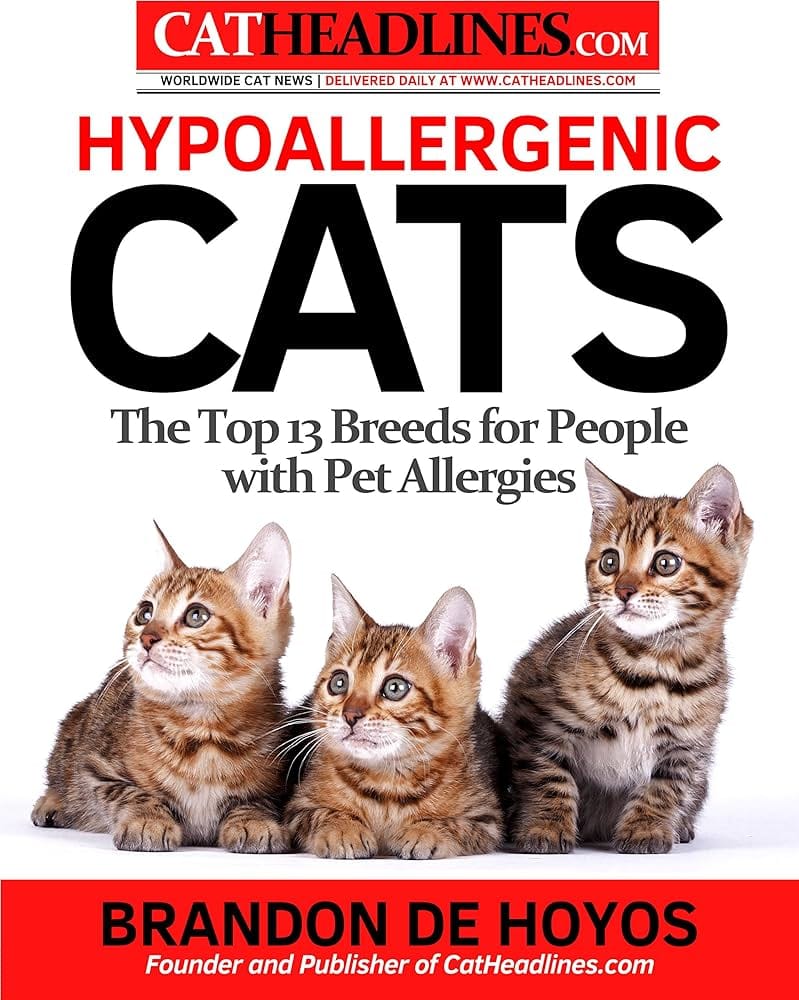
For many animal lovers, the dream of sharing their home with a cat can be hindered by allergies. While it’s a common misconception that some cats are completely hypoallergenic, certain breeds produce fewer allergens, making them a more suitable choice for individuals with sensitivities. If allergies have kept you from experiencing the joy of cat ownership, understanding these breeds and implementing proper management strategies can help you find your purr-fect companion.
Understanding Hypoallergenic Cats
Cats naturally produce allergens found in their fur, saliva, and urine. The term “hypoallergenic cat” refers to breeds that generate lower levels of these specific proteins, which are the primary triggers for allergic reactions in humans. It’s crucial to remember that no cat is entirely hypoallergenic; however, some breeds are significantly better tolerated by allergy sufferers than others. Spending time with a specific breed before adoption is highly recommended to gauge your personal reaction.
Top 12 Cat Breeds for Allergy Sufferers
When considering a feline friend despite allergies, several breeds stand out for their lower allergen production and endearing personalities.
1. Siberian
Despite their long, luxurious coat, Siberian cats are known to produce less of the Fel d 1 protein, a common allergen. These affectionate and friendly cats are excellent family pets, but their beautiful coat requires regular grooming to prevent matting and manage shedding.
2. Siamese
With their short, fine coat, Siamese cats shed less than many other breeds, resulting in fewer allergens in the environment. These vocal and highly affectionate cats thrive on attention and are best suited for households where they won’t be left alone for extended periods. To support their health, consider breed-specific nutrition like Royal Canin Feline Breed Nutrition Siamese.
3. Bengal
Bengal cats boast a stunning, short coat inherited from their Asian leopard cat ancestors. They shed minimally, making them a good option for allergy sufferers. However, their energetic and intelligent nature means they require significant mental and physical stimulation.
4. Russian Blue
These cats possess a unique, dense double coat that is thought to produce fewer allergens. Russian Blues are known for their gentle and quiet nature, though they can be shy around strangers. Regular grooming helps maintain their coat’s health.
5. Sphynx
The near-hairless Sphynx cat is often considered hypoallergenic due to its lack of a dense coat. While they don’t shed fur, they still produce allergens in their skin and saliva, requiring regular baths to manage skin oils. They also need protection from sunburn and warmth in colder weather.
6. Devon Rex
Characterized by their short, curly hair, Devon Rex cats are affectionate and intelligent companions. Their unique coat produces fewer allergens, but they are highly social and require ample attention from their owners.
7. Cornish Rex
Similar to the Devon Rex, the Cornish Rex has a distinctive curly coat and an affectionate personality. These high-energy cats love playtime and require regular grooming to keep their coat healthy, making them a lively addition to a family.
8. Javanese
A variation of the Balinese, Javanese cats have a silky, medium-long coat that requires consistent grooming to prevent matting, despite their low shedding. They are intelligent, playful, and enjoy being the center of attention.
9. Balinese
Often called the “long-haired Siamese,” the Balinese cat is known for its affectionate nature and intelligence. Their long coat requires regular grooming to prevent tangles, but they are considered a good choice for those with mild allergies.
10. Oriental Shorthair
With their sleek appearance and short coat, Oriental Shorthairs require minimal grooming. They are intelligent, playful, and known for their distinctive vocalizations, making them engaging companions.
11. Burmese
Burmese cats are short-haired and shed minimally, requiring little grooming. They are affectionate, intelligent, and high-energy, benefiting greatly from interactive toys and regular playtime to satisfy their active nature. Wand toys and other interactive options can provide excellent enrichment.
12. Tonkinese
A delightful cross between Siamese and Burmese cats, Tonkinese cats have short coats and are low-shedding. They are lively and energetic, requiring plenty of interactive play and engagement.
Tips for Adopting a Hypoallergenic Cat
Choosing a “hypoallergenic” breed is just the first step. Several other strategies can help manage allergies and ensure a harmonious living environment.
- Conduct Thorough Research: Before bringing a cat home, spend time with the specific breed and individual cat to understand how your allergies react.
- Consult an Allergy Specialist: Discuss your allergies with a medical professional. They can offer advice on symptom management and potential medications.
- Maintain a Clean Home: Regular cleaning of your home, including vacuuming carpets and washing pet bedding, is essential to minimize dander accumulation.
- Discuss Diet with Your Veterinarian: Certain cat food lines, such as Purina® Pro Plan® LIVECLEAR, are formulated to reduce allergens. Your veterinarian can advise if such a diet is suitable for your cat and beneficial for your allergies.
FAQs About Cats That Don’t Shed
Are there any non-shedding cats?
While breeds like the Sphynx appear hairless, all cats produce allergens through their skin, saliva, and urine. Therefore, no cat is truly non-shedding or completely allergen-free.
Can cats be 100% hypoallergenic?
No, there is no such thing as a 100% hypoallergenic cat. Even breeds with minimal shedding still produce allergens that can affect sensitive individuals.
WRITTEN BY
Nicole Zittritsch, LVT, BSc, MPH
Veterinarian Technician
