
When it comes to the thrill of horse racing, the breed of the horse is paramount. Certain breeds have been meticulously developed over centuries for speed, stamina, and agility, making them the undisputed champions of the track. If you’re captivated by the thunder of hooves and the excitement of the finish line, understanding these top breeds is essential. Let’s explore the equine athletes that dominate the racing world.
Understanding the Demands of Racing
Horse racing isn’t just about raw speed; it’s a complex interplay of physiological and psychological traits. Top racing breeds possess a unique combination of:
- Speed: The ability to achieve and maintain high velocities over varying distances.
- Stamina: The endurance to perform at peak capacity throughout a race, especially in longer distances.
- Agility: Quick reflexes and the ability to maneuver efficiently, crucial for navigating tight turns and traffic on the track.
- Temperament: A calm yet spirited disposition, allowing them to handle the pressure of the race environment without becoming overly anxious or unmanageable.
- Conformation: A sound physical structure, including strong bone, correct limb alignment, and a powerful build, which minimizes the risk of injury and maximizes performance.
These factors are not randomly distributed; they are the result of selective breeding programs focused on enhancing specific traits deemed most valuable for racing.
The Reigning Champions: Top Racing Breeds
Several breeds stand out for their consistent success and influence in the racing industry.
Thoroughbred
The Thoroughbred is, without a doubt, the undisputed king of the racing world. Originating in 17th and 18th century England, Thoroughbreds were developed by crossing native mares with imported Arabian, Barb, and Turkoman stallions. This crossbreeding aimed to create a horse that combined the speed and refinement of the Oriental breeds with the substance and hardiness of the native stock.
- Key Traits: Exceptional speed, incredible stamina, spirited temperament, and remarkable athleticism.
- Racing Disciplines: Dominant in flat racing (like the Kentucky Derby, Epsom Derby, and Prix de l’Arc de Triomphe), steeplechase, and show jumping. Their versatility and drive make them suitable for a wide range of competitive equestrian sports.
- Development: Known for their athletic build, long legs, deep chest, and powerful hindquarters, all contributing to their speed and stride length. Their lineage is meticulously recorded, with most Thoroughbreds tracing back to three foundation sires: the Darley Arabian, the Godolphin Arabian, and the Byerley Turk. The emphasis on pure bloodlines is a hallmark of this breed.
Arabian
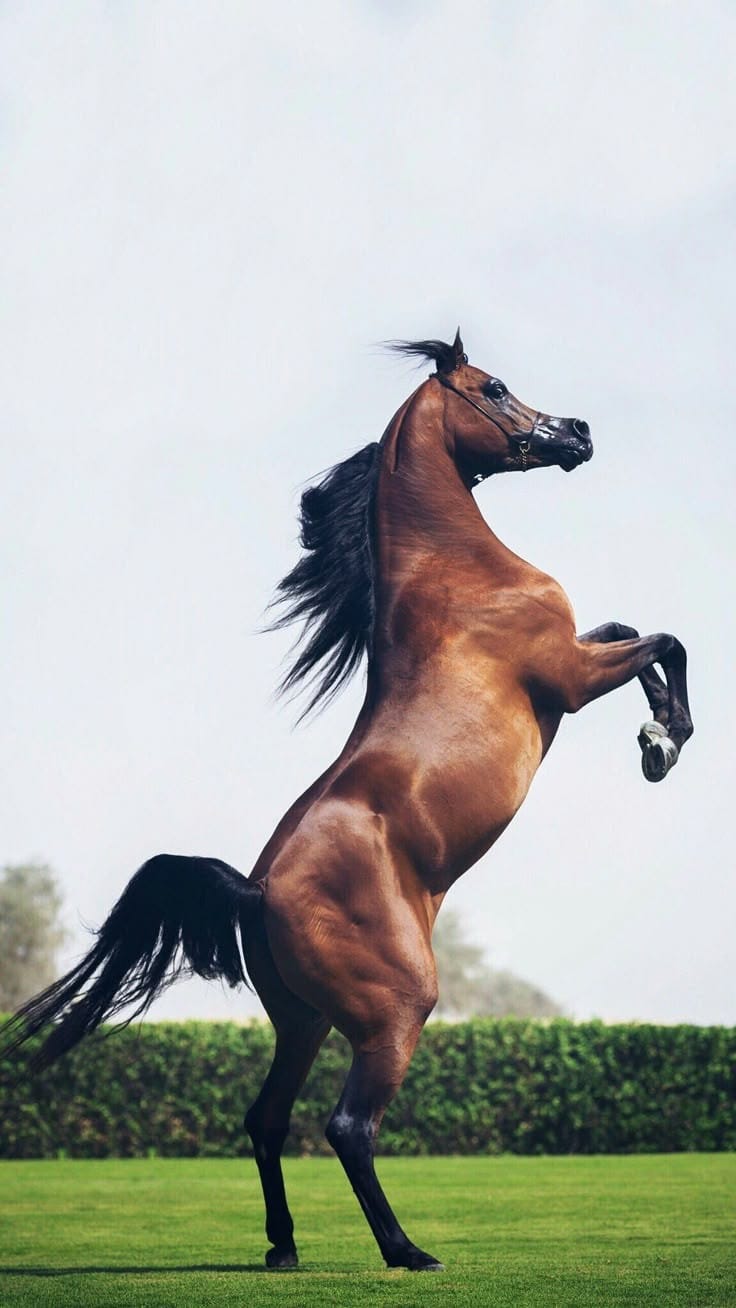
While often celebrated for their endurance and use in long-distance riding, Arabian horses also possess remarkable speed and athleticism that makes them competitive in certain racing formats. Originating in the Arabian Peninsula, these horses are one of the oldest and purest breeds, known for their intelligence, spirit, and stamina.
- Key Traits: Incredible stamina, intelligence, spirit, and a compact, powerful build that allows for explosive acceleration.
- Racing Disciplines: Excel in endurance racing due to their phenomenal stamina. They also compete successfully in endurance flat racing and endurance cross-country events. Their agility and ability to conserve energy over long distances are unparalleled.
- Development: Characterized by their distinctive dished face, high tail carriage, and refined build. While not typically the top choice for traditional sprint racing like Thoroughbreds, their endurance capabilities are legendary and highly valued in specific racing disciplines.
Quarter Horse
The American Quarter Horse is renowned for its incredible speed over short distances, hence its name – it can outrun any other horse in a quarter-mile race. Developed in colonial America, these horses were bred for speed, agility, and a calm disposition, making them versatile farm animals and formidable racers.
- Key Traits: Explosive acceleration, exceptional agility, and a steady temperament. They are built for short, intense bursts of speed.
- Racing Disciplines: Dominant in Quarter Horse racing, which typically involves races of 440 yards (a quarter-mile) or less. They are also popular in Western performance events like reining and cutting. Their compact, muscular build is ideal for quick starts and sharp turns.
- Development: Known for their muscular bodies, short backs, and powerful hindquarters, designed for rapid acceleration and quick changes in direction. Their calm nature also makes them easier to handle and train for racing.
Standardbred
Standardbreds are a breed specifically developed for harness racing, where they pull a sulky. They are known for their unique gaits, particularly the “trot” and the “pace.” While they don’t possess the sheer speed of a Thoroughbred on the flat, their ability to maintain a fast, efficient gait over racing distances is remarkable.
- Key Traits: Stamina, consistent gait (trot or pace), and a trainable temperament suitable for harness racing.
- Racing Disciplines: Primarily used in trotting and pacing races. There are two main racing types: trotters, who must maintain a true trot (diagonal gait), and pacers, who maintain a lateral gait.
- Development: Bred for efficiency and stamina in harness racing. They typically have a more rugged build than Thoroughbreds and are trained from a young age to perform their specific gait at speed.
Beyond Breed: Other Factors in Racing Success
While breed is a critical determinant of racing potential, several other factors contribute significantly to a horse’s success on the track:
- Training and Conditioning: A horse’s physical condition and training regimen are vital. Expert trainers employ specialized programs to build speed, stamina, and mental preparedness. To understand more about the dedication involved, exploring how do I become a horse trainer can offer insights into the human element of this sport.
- Jockey Skill: The rider’s ability to guide, encourage, and manage the horse throughout the race is indispensable. A skilled jockey can optimize a horse’s performance and make critical decisions during the race.
- Nutrition and Health: A balanced diet and consistent veterinary care are fundamental for maintaining a racehorse’s health, energy levels, and injury prevention.
- Genetics and Pedigree: Even within a specific breed, individual genetic makeup and lineage play a role. A strong pedigree, often indicating a history of successful racers, can be a predictor of potential.
The Future of Racing Breeds
The pursuit of speed and performance is ongoing. Breeders continually strive to refine existing breeds and, occasionally, develop new crosses that might offer an edge. Innovations in equine sports science, nutrition, and training methodologies also contribute to pushing the boundaries of equine athletic performance. Whether it’s the raw speed of a Quarter Horse, the enduring spirit of an Arabian, the classic power of a Thoroughbred, or the unique gait of a Standardbred, the Best Horse Breeds For Racing represent the pinnacle of equine athleticism, forged through history and driven by a passion for competition. Understanding these breeds offers a deeper appreciation for the incredible animals that make the world of horse racing so captivating.
