
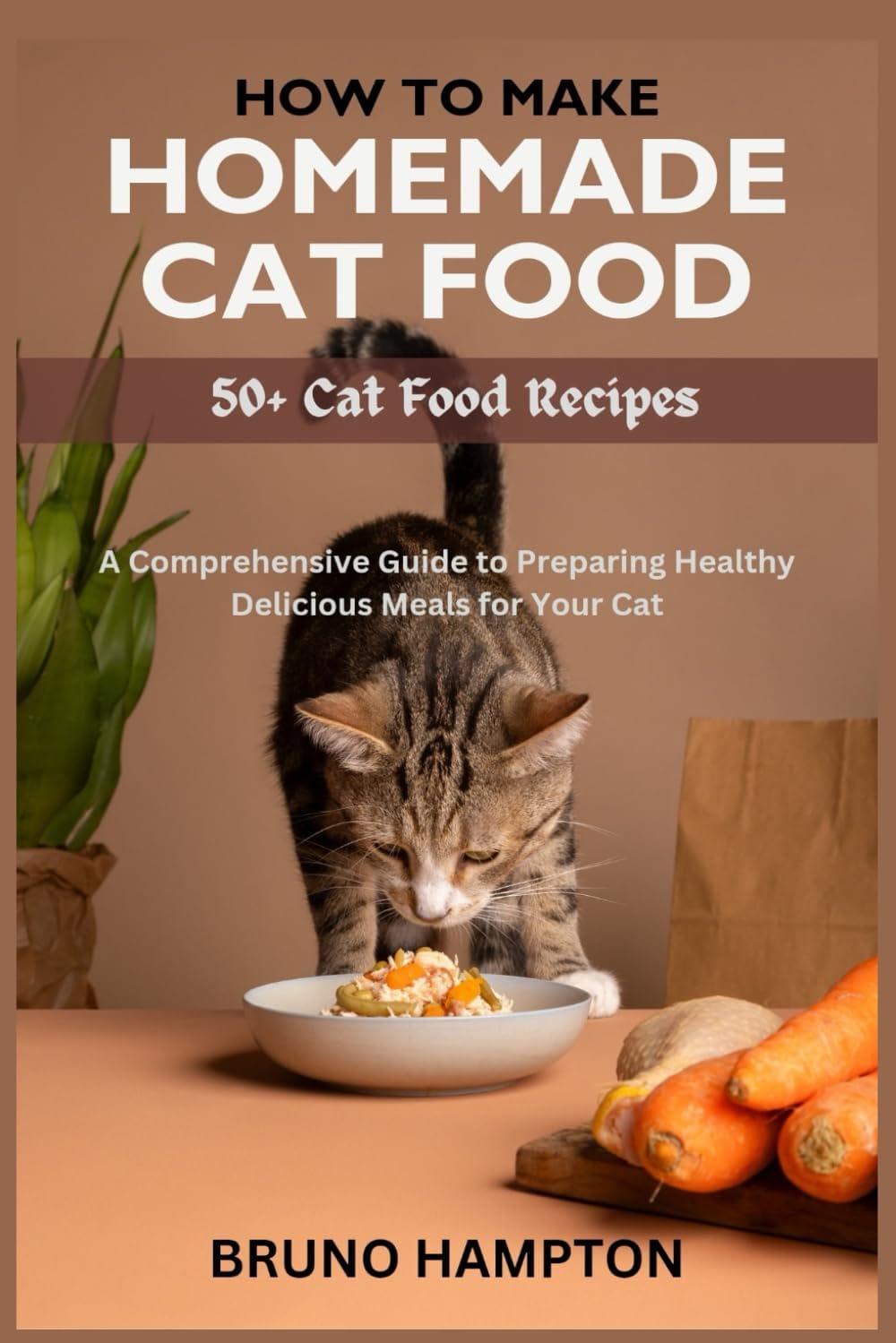
Making homemade cat food can be a rewarding way to ensure your feline companion receives a diet tailored to their specific needs, especially if they have complex dietary requirements or if commercial options are limited. However, this endeavor requires careful planning, research, and often, consultation with a veterinary nutritionist to avoid nutritional deficiencies. This guide explores how to assess homemade cat food recipes, highlights the benefits of using premix supplements, and provides five sample recipes to inspire your own culinary creations for your cat.
Assessing Homemade Cat Food Recipes
Transitioning your cat to a homemade diet should not be a decision made lightly. It is crucial to involve your veterinarian early in the process to monitor your cat for any potential nutritional imbalances. Many homemade recipes found online may fall short in providing complete and balanced nutrition, often lacking essential nutrients or presenting them in incorrect proportions.
When evaluating homemade cat food recipes, look for the following indicators of nutritional adequacy and safety:
- Expert Formulation: The recipe should be developed or approved by a board-certified veterinary nutritionist or a recognized expert in veterinary nutrition.
- Nutritional Transparency: The recipe should provide detailed nutrient values and be formulated to meet AAFCO (Association of American Feed Control Officials) minimum nutritional standards.
- Ingredient Variety and Supplements: Recipes that are overly simplistic and do not include a variety of ingredients or specific supplements may not meet all of your cat’s nutritional requirements.
- Portioning and Caloric Guidance: Clear instructions on portioning based on your cat’s needs and estimates of calorie content are essential for proper feeding.
- Purpose of the Recipe: Recipes explicitly stating they are for supplemental feeding only should be approached with caution and not used as a sole diet.
Creating a homemade cat food without a pre-established recipe is not advisable for most cat owners due to the complexity of achieving nutritional balance.
The Role of Premix Supplements in Homemade Diets
To simplify the process of creating nutritionally complete homemade cat food, many cat owners opt for premix supplements, also known as meal completers. These products are designed to bridge nutritional gaps when mixed with fresh meat. When selecting a premix, consider these factors:
- Veterinary Nutritionist Formulation: Prioritize premixes developed by board-certified veterinary nutritionists for optimal nutritional balance.
- Complete and Balanced Nutrition: Ensure the premix is formulated to meet AAFCO or FEDIAF (European Pet Food Industry Federation) nutrient requirements.
- Specialized Formulas: Some brands offer formulas for specific life stages (e.g., senior cats) or dietary needs (e.g., kidney support), which may include adjusted nutrient levels like phosphorus.
- Diet Type Compatibility: Choose a premix that aligns with the type of diet you intend to feed, whether it’s ground meat or a combination of meat, organs, and bone.
Using a premix supplement, in conjunction with a well-chosen protein source, can make the task of creating a balanced homemade diet more manageable.
Sample Homemade Cat Food Recipes
The following recipes offer a starting point for those interested in homemade cat food. They utilize various approaches, including premix supplements and individual nutrient additions, to achieve a balanced diet. It is highly recommended to consult with a veterinary nutritionist to tailor any recipe to your cat’s unique requirements.
1. Raw Ground Rabbit Recipe (using Alnutrin for Meat & Bone)
This recipe utilizes Alnutrin’s “Meat & Bone” premix, designed for use with whole rabbit or chicken, including bone and organs. This ensures a balanced nutritional profile when combined with the specified raw ingredients.
Ingredients:
- 1 pack (4g) Alnutrin for Meat & Bone
- ¼ cup (60g) water
- 1 lb (454g) ground raw rabbit meat & bones
Instructions:
- Prepare the rabbit meat, bones, and organs by cutting and grinding them into appropriate pieces.
- In a small bowl, whisk together the Alnutrin premix and water until well combined.
- Stir this mixture into the ground rabbit.
- Divide the mixture into desired portions and freeze for later use.
Nutrient Content (Dry Matter) examples include Protein: 65.3%, Fat: 15.7%.
2. Turkey Breast and Sweet Potato Recipe (using Balance It® Carnivore Blend® premix)
This recipe is created using the Balance.it recipe builder, which generates custom recipes based on your cat’s profile and the brand’s premix powders. It offers a high-protein, low-carbohydrate option.
Ingredients:
- 3 ⅜ oz. (96g) Turkey breast, meat only, cooked
- 1 ⅝ tsp (7g) Canola oil
- ⅖ ml (0.37g) Nordic Naturals Omega-3 Pet Liquid
- ⅖ cup (63g) Sweet potato, baked
- ⅛ tsp (0.75g) Morton Iodized Salt
- ¾ tsp (3.07g) Balance IT Carnivore Blend
Instructions:
- Cook the turkey breast and bake the sweet potato until tender.
- Weigh out the required portions of cooked turkey and baked sweet potato flesh.
- Combine the turkey and sweet potato in a mixing bowl.
- Add the supplements and stir thoroughly.
- Divide into meals, feeding one immediately and storing the rest in an airtight container in the refrigerator.
Nutrient Content examples include Protein: 113.43g, Fat: 36.79g.
3. Cooked Meat Recipe (using EZComplete Fur Cats)
Food Fur Life’s EZComplete Premixes are designed to be mixed with meat and water. This recipe can be prepared with either raw or cooked meat, and the brand recommends lean proteins.
Ingredients:
- 2 lbs. (907g) ground meat, cooked
- ½ cup (53.3g) EZComplete Fur Cats
- 1 ½ cups (12 oz.) water
Instructions:
- Cook the ground meat (e.g., in a slow cooker on low heat for 4-6 hours).
- Let the meat cool, then shred or finely chop it.
- Stir in the EZComplete premix until thoroughly combined.
- Divide the mixture into individual portions, ensuring cooking juices are evenly distributed.
- Refrigerate or freeze portions in airtight containers.
Nutrient Content (Dry Matter) examples include Protein: 85%, Fat: 11%.
4. Ground Chicken Thigh with Bone and Organs Recipe (from Feline Nutrition Foundation)
This recipe involves a more hands-on approach, combining raw meat, bone, organs, and individual supplements. It requires a meat grinder for processing.
Ingredients:
- 5 lbs. (2.27kg) chicken thighs with skin and bone
- 7 oz (200g) raw chicken liver
- 14 oz (400g) raw chicken heart
- 8 oz. water
- 4 raw egg yolks
- 2000 mg taurine
- 4000 mg wild salmon oil capsules
- 200 mg Vitamin B Complex
- 200 IU Vitamin E
- 1 ½ tsp (8.4g) Lite Iodized Salt
- 4 tsp (8g) psyllium husk powder
Instructions:
- Prepare the chicken thighs, organs, and bones by trimming, rinsing, and crushing the bones.
- Grind the meat, organs, and bones together with the salmon oil capsules.
- In a separate bowl, whisk together the egg yolks and remaining supplements.
- Pour this mixture over the ground ingredients and mix well.
- Portion the mixture into containers and freeze.
Nutrient Content (Dry Matter) examples include Protein: 53.53%, Fat: 33.06%.
5. Prey Model Raw Diet Recipe (from Little Carnivore)
The Prey Model Raw (PMR) diet follows an 80% meat, 10% bone, 10% organ ratio. The PMR+ variation includes supplements to further ensure nutritional completeness. Variety in protein sources is key to this model.
Ingredients:
- 220g white meat (e.g., chicken, turkey, rabbit)
- 220g red meat (e.g., beef, lamb, duck, veal)
- 100g chicken hearts (or other heart)
- 100g gizzards, tongue, or lung
- 100g chicken, duck, or turkey neck
- 100g chicken wings or quail bones
- 15g chicken livers
- 15g beef livers
- 70g other organs (e.g., kidney, spleen, brain)
- 30g whole sardines in water
- 30g anchovies
Supplements: Chelated manganese, kelp powder, psyllium husk, Vitamin E, B-complex vitamins, and optionally calcium, zinc, taurine, and iron.
Instructions:
- Chop ingredients into 1-inch pieces and crush bones if necessary for grinding.
- Grind all ingredients together or separately, weighing out appropriate amounts.
- Use a calculator, like the one from The Little Carnivore, to determine feeding amounts and supplement dosages based on your cat’s weight.
- Portion the mixture and freeze in airtight containers.
- At mealtime, mix the recommended supplements with the thawed food just before serving.
Nutrient Content (Dry Matter) examples include Protein: 57.09%, Fat: 30.3%.
Essential Supplies for Homemade Cat Food
Preparing homemade cat food often involves specific equipment to ensure ingredients are processed correctly and safely. Key supplies include:
- Meat Grinder: A powerful meat grinder, such as the Weston Butcher Series Electric Meat Grinder, is essential for processing meat, bone, and organs.
- Premix Supplements: High-quality premix supplements like Balance It Feline, EZComplete Fur Cats, Alnutrin for Meat & Bone, TCfeline, Raw Meow Mix, and Purrform provide the necessary vitamins, minerals, and amino acids to create a balanced diet.
- Storage Containers: Airtight containers are necessary for storing pre-portioned meals in the refrigerator or freezer.
Frequently Asked Questions
Is homemade cat food safe?
Homemade cat food can be safe when prepared and stored properly. It is crucial to follow strict hygiene practices when handling raw meat, including thorough cleaning of surfaces and utensils, and handwashing. Commercial cat food undergoes processing to eliminate pathogens; therefore, meticulous sanitation is paramount when preparing raw homemade meals.
How much does homemade cat food cost?
The cost of homemade cat food can vary significantly based on the ingredients selected, the protein sources used, and whether the diet is raw or cooked. Utilizing premix supplements can sometimes offer a more cost-effective approach compared to sourcing individual nutrient supplements.
Is raw cat food better than cooked?
While raw cat food is considered by many nutritionists to be the most biologically appropriate diet for cats, it is not suitable for every cat or owner. Raw meat carries a risk of bacterial contamination. It is important to research the pros and cons of both raw and cooked homemade diets and consult with your veterinarian to determine the best option for your cat.
How much should I feed my cat?
An average adult cat requires approximately 200 calories per day, which equates to about 6 ounces of homemade food. However, this amount can vary based on the cat’s age, activity level, and metabolism. Consulting your veterinarian and using online calorie calculators can help determine your cat’s specific caloric needs.
