
The MDR1 (multidrug resistance 1) gene mutation is a significant genetic condition that affects a dog’s ability to process certain common medications. This mutation can lead to severe, and sometimes fatal, adverse drug reactions. Understanding this condition is crucial for responsible pet ownership, particularly for owners of breeds known to be at higher risk. Washington State University (WSU) is at the forefront of research, identifying drugs that pose a risk and developing strategies for safe medication management.
Dogs carrying the MDR1 genetic mutation may experience severe reactions to specific medications. Up to 75% of some dog breeds, including herding breeds, long-haired whippets, and silken windhounds, are affected by this mutation. It can also be present in mixed-breed dogs. WSU’s expertise lies in identifying these problematic drugs and offering guidance on safer alternatives and appropriate dosages.
Problematic Medications for Dogs with MDR1 Mutation
The list of medications that can cause adverse reactions in dogs with the MDR1 mutation is continuously updated based on peer-reviewed research. It is essential for veterinarians and pet owners to stay informed about these drugs to ensure the safety of their canine companions. Some medications, while common, can be dangerous for these dogs.
For instance, Loperamide, commonly known as Imodium, used to treat diarrhea, can cause neurological toxicity in dogs with the MDR1 mutation at therapeutic doses and should be entirely avoided. Other drugs, like Acepromazine and Butorphanol, require careful dosage adjustments and consultation with specialists.
The following table outlines some of these medications and recommended actions:
| Drug (Active Ingredient) | Brand Name | Recommendation |
|---|---|---|
| Acepromazine | Contact MDR1Caddie™ for dosing recommendations | |
| Afoxolaner | Nexgard | Tested and found safe; no adverse effects observed in dogs with the MDR1 mutation. |
| Apomorphine | Contact MDR1Caddie™ for dosing recommendations | |
| Butorphanol | Torbugesic | Contact MDR1Caddie™ for dosing recommendations |
| Chemotherapy | Contact MDR1Caddie™ for dosing recommendations | |
| Cyclosporine | Atopica | Contact MDR1Caddie™ for dosing recommendations |
| Doxorubicin | See Chemotherapy | |
| Fluralaner | Bravecto | Tested and found safe; no adverse effects observed in dogs with the MDR1 mutation. |
| Grapiprant | Galliprant | Contact MDR1Caddie™ for dosing recommendations |
| ivermectin | Heartgard Plus | Tested and found safe at label doses. For other formulations, contact MDR1Caddie™. |
| Loperamide | Imodium | Avoid entirely due to risk of neurological toxicity. |
| Milbemycin | Interceptor, Interceptor Plus | Tested and found safe at label doses. For other formulations, contact MDR1Caddie™. |
| Maropitant | Cerenia | Contact MDR1Caddie™ for dosing recommendations |
| Moxidectin | ProHeart, Simparica Trio, Nexgard Plus, Advantage Multi | Tested and found safe at label doses. |
| Ondansetron | Contact MDR1Caddie™ for dosing recommendations | |
| Sarolaner | Simparica | Tested and found safe; no adverse effects observed in dogs with the MDR1 mutation. |
| Vinblastine | See Chemotherapy | |
| Vincristine | See Chemotherapy | |
| Vinorelbine | See Chemotherapy | |
| Selamectin | Revolution | Tested and found safe at label doses. |
Dog Breeds Commonly Affected by the MDR1 Mutation
The MDR1 gene mutation is particularly prevalent in certain dog breeds. While it’s most common in collies, with approximately 70% of collies worldwide estimated to carry the mutation, it is also frequently found in other herding breeds. Awareness of these breeds is key for early identification and preventative care.
| Breed | Approximate Frequency |
|---|---|
| Australian Shepherd | |
| Australian Shepherd, Mini | |
| Black Mouth Cur | |
| Border Collie | |
| Carolina | |
| Chinook | |
| Collie | |
| English Shepherd | |
| German Shepherd | |
| Golden Retriever | |
| Herding Breed Cross | |
| Long-haired Whippet | |
| McNab | |
| Mixed Breed | |
| Old English Sheepdog | |
| Shetland Sheepdog | |
| Siberian Husky | |
| Silken Windhound |
While the mutation is less common in mixed breeds, it is still possible for them to inherit it. Therefore, genetic testing is recommended for any dog, regardless of breed, especially if they are of a breed known to be at risk or if they have a history of adverse drug reactions. As more dogs are tested, the understanding of which breeds are affected will continue to expand.
Genetic Testing and Management
The only definitive way to determine if a dog has the MDR1 gene mutation is through genetic testing. WSU offers accurate genetic testing services to identify a dog’s MDR1 status. This information is invaluable for veterinary care, allowing for the selection of safe medications and appropriate dosages.
If a dog is found to have the MDR1 mutation, working closely with a veterinarian is essential. Dr. Katrina Mealey, the veterinary pharmacologist who discovered the MDR1 genetic mutation in dogs and cats, offers expertise through MDR1Caddie™. This service can assist owners and veterinarians in managing medications and planning treatment when a pet requires medication that could be dangerous for dogs with the MDR1 mutation.
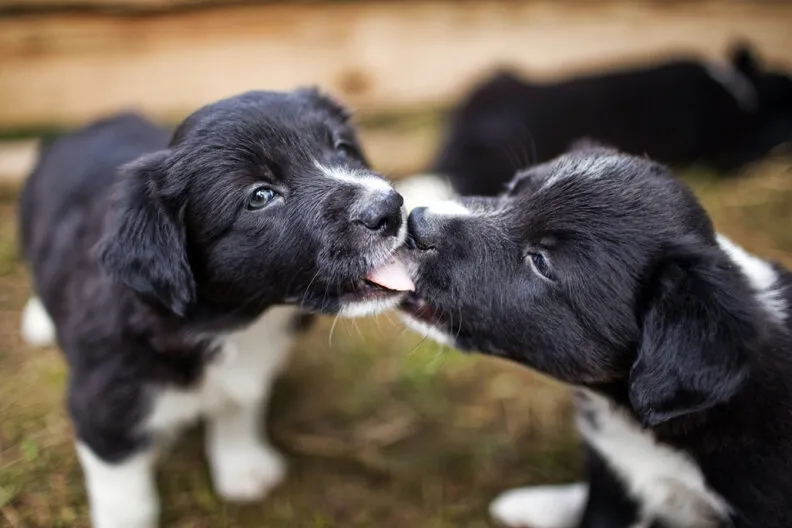 Puppies
Understanding the MDR1 gene mutation is a vital aspect of canine health management. By staying informed and utilizing available resources like genetic testing and expert consultations, owners can significantly reduce the risks associated with certain medications and ensure the well-being of their beloved pets. Regular communication with your veterinarian about your dog’s MDR1 status is paramount for safe and effective veterinary care.
