
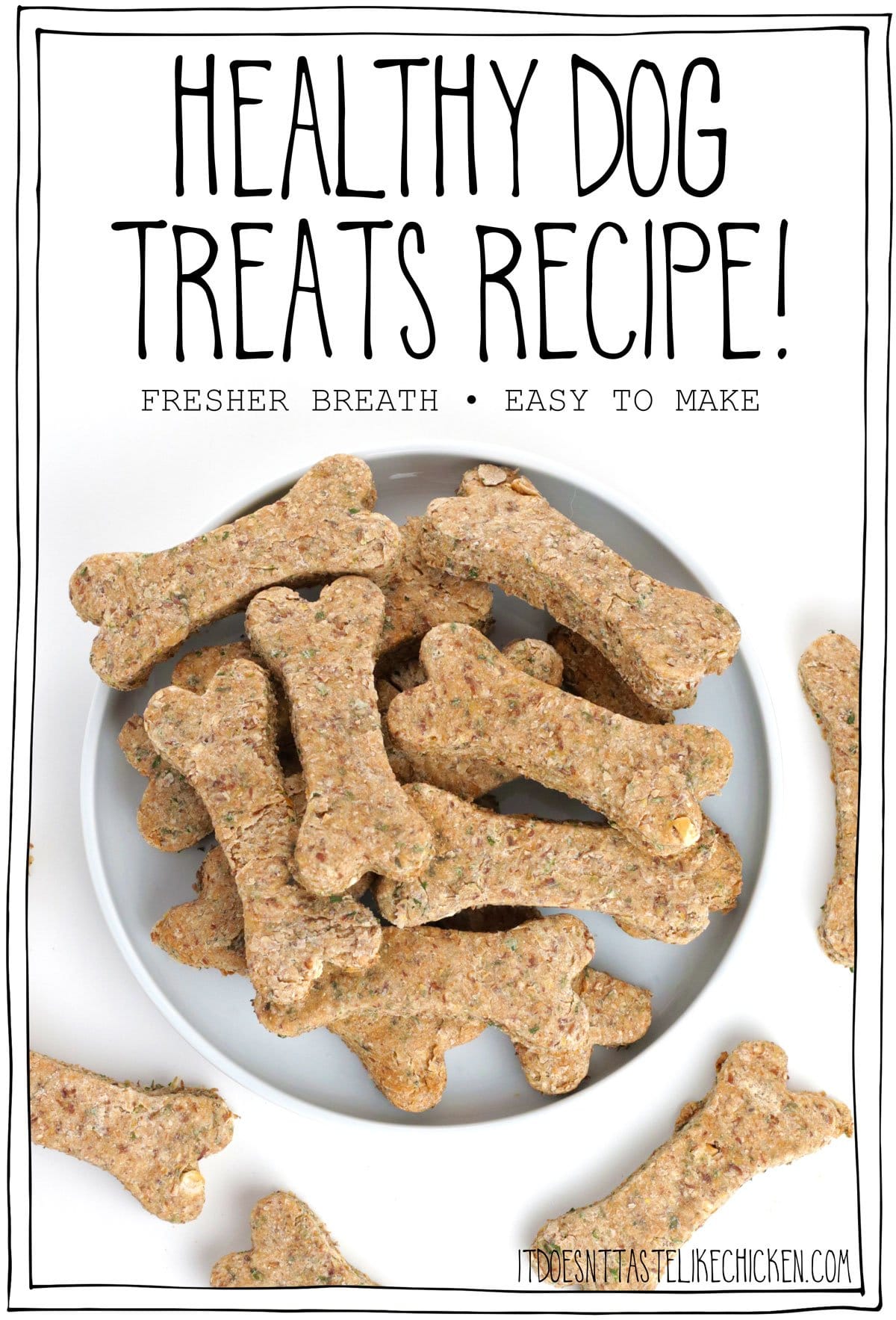
Training your dog is one of the most rewarding experiences, strengthening your bond and ensuring your furry friend is well-behaved. A crucial element in successful dog training is the use of effective and, most importantly, healthy treats. The right treats not only motivate your dog but also contribute to their overall well-being, avoiding the pitfalls of unhealthy ingredients often found in commercial dog treats. This guide will delve into what makes a dog treat “healthy” and explore some of the best options available for training your canine companion.
Understanding Healthy Dog Treats
When we talk about healthy dog treats, we’re focusing on a few key aspects: natural ingredients, appropriate nutritional content, and suitability for your dog’s specific needs.
What Constitutes a Healthy Treat?
- Natural Ingredients: Look for treats with recognizable, whole-food ingredients. This means avoiding artificial colors, flavors, preservatives, and excessive fillers like corn, wheat, or soy, especially if your dog has sensitivities.
- Limited Ingredient Diets (LID): For dogs with allergies or sensitive stomachs, LID treats are a lifesaver. They typically contain a single protein source and a single carbohydrate source, making it easier to identify and avoid allergens.
- Appropriate Calorie Count: Training often involves giving multiple treats. It’s vital that these treats are low in calories to prevent weight gain. A good rule of thumb is that training treats should not make up more than 10% of your dog’s daily caloric intake.
- Nutritional Value: While treats are supplemental, some can offer added nutritional benefits. Ingredients like lean proteins, fruits, and vegetables can provide vitamins and minerals.
Why Avoid Unhealthy Treats?
- Weight Gain: High-calorie, low-nutrient treats can quickly lead to obesity, which is linked to numerous health problems like joint issues, diabetes, and heart disease.
- Allergies and Sensitivities: Artificial ingredients, common fillers, and certain protein sources can trigger allergic reactions, leading to skin irritation, digestive upset, and other discomforts for your dog.
- Digestive Issues: Poor-quality ingredients can be hard for dogs to digest, resulting in gas, diarrhea, or constipation.
- Dental Problems: Some treats are overly hard or sticky, which can contribute to dental issues or even tooth fractures.
The Best Healthy Dog Treats for Training
Finding the perfect treat involves considering your dog’s preferences, any dietary restrictions, and the training scenario. Here are some top choices that are widely regarded as healthy and effective for training purposes.
1. Single-Ingredient Freeze-Dried Treats
Freeze-dried treats are a fantastic option because they retain most of the original nutrients of the food they are made from. They are typically made from a single protein source, such as chicken, beef, salmon, or liver.
Pros:
- Extremely high-value for dogs.
- All-natural, with no additives.
- Excellent for dogs with allergies.
- Lightweight and easy to carry.
Cons:
- Can be more expensive than other options.
- Some dogs might find them too dry if not rehydrated slightly.
Example: Consider breaking larger freeze-dried liver pieces into smaller, manageable sizes for training.
2. Small, Soft, All-Natural Training Bites
Many brands offer small, soft treats specifically designed for training. These are usually made with a base of meat or poultry, combined with vegetables or fruits. The soft texture makes them easy for dogs to chew quickly, which is ideal for fast-paced training sessions.
Pros:
- Highly palatable and motivating.
- Easy to digest.
- Come in various flavors to suit different preferences.
- Often grain-free and contain limited ingredients.
Cons:
- Can be higher in moisture, so they might not last as long if not stored properly.
- Check ingredient lists carefully for added sugars or artificial preservatives.
Example: Look for brands that use real meat as the first ingredient and avoid by-products. Many options are available for best training treats for dogs with sensitive stomachs, which are great for all dogs.
3. Dehydrated or Baked Sweet Potato Chews
Sweet potatoes are a nutritional powerhouse for dogs, rich in vitamins A and C, fiber, and antioxidants. Dehydrated or baked sweet potato chews are a great plant-based option.
Pros:
- Highly nutritious and good for digestion.
- Naturally sweet, making them appealing to dogs.
- Good for dental health as they are slightly chewy.
Cons:
- May not be suitable for dogs on a very low-carbohydrate diet.
- Ensure they are plain baked or dehydrated, with no added spices or oils.
4. DIY Homemade Treats
Making your own dog treats offers the ultimate control over ingredients. You can tailor them to your dog’s specific dietary needs and preferences. Simple recipes often involve a base of whole wheat flour (or oat flour for gluten-free), eggs, and a protein source like cooked chicken or peanut butter (xylitol-free, of course).
Pros:
- Complete control over ingredients.
- Cost-effective in the long run.
- Can be customized for allergies or picky eaters.
Cons:
- Requires time and effort to prepare.
- Shelf life is generally shorter than commercial treats, so they need to be stored properly (refrigerated or frozen).
Recipe Idea: Peanut Butter & Oat Bites
- 1 cup oat flour (or blended rolled oats)
- 1/2 cup natural, xylitol-free peanut butter
- 1/4 cup unsweetened applesauce
- 1 egg
Mix ingredients to form a dough, roll out, cut into small shapes, and bake at 350°F (175°C) for 15-20 minutes until firm. Let cool completely before serving.
Tips for Using Treats Effectively in Training
Beyond choosing the right treat, how you use them significantly impacts your training success.
1. Keep Them Small
Training treats should be pea-sized or even smaller. You’re giving many of them during a session, so you don’t want your dog to get full quickly or consume excessive calories. Small treats mean more repetitions and more learning. This is similar to best healthy dog training treats, where size is paramount for repeated use.
2. Use High-Value Treats for Difficult Tasks
Not all treats are created equal in your dog’s eyes. Reserve the most delicious, high-value treats (like freeze-dried liver or tiny pieces of cooked chicken) for challenging commands or when training in a distracting environment. For simple, known commands, lower-value treats are perfectly fine.
3. Timing is Everything
Deliver the treat immediately after your dog performs the desired behavior. This is crucial for your dog to associate the treat with the action. If you wait even a few seconds, they might associate it with something else they did. Using a clicker alongside treats can help mark the exact moment of correct behavior.
4. Phase Out Treats Gradually
As your dog becomes proficient with a command, you can start to fade the treats. This doesn’t mean stopping entirely, but rather moving towards an intermittent reinforcement schedule – rewarding them with a treat only sometimes, or alternating with praise and petting. This prevents them from becoming dependent on treats for every action. However, for complex tasks, maintaining some treat reinforcement is often beneficial. For instance, when learning advanced skills like how to train deer tracking dogs, consistent rewards are key.
5. Consider a Treat Pouch
A treat pouch is invaluable for keeping training treats easily accessible during sessions. It prevents you from digging into bags or pockets, ensuring timely rewards and keeping your training momentum going.
Addressing Common Training Challenges with Treats
- Distracted Dog: If your dog is easily distracted, use higher-value treats and a quieter training environment. Gradually increase the level of distraction as your dog improves. This applies to all forms of training, including gun dog puppy training.
- Lack of Motivation: If your dog seems uninterested, try different types of treats or ensure they are hungry before training. Sometimes, a brief pause in feeding can increase motivation.
- Gastrointestinal Upset: If you suspect a treat is causing issues, stop giving it immediately and consult your veterinarian. Keep a log of what you’re feeding and when symptoms appear.
The Bond Beyond the Treat
While treats are powerful training tools, remember that praise, affection, and play are equally important. A happy, healthy dog is one who is trained with positive reinforcement, a balanced diet, and a loving relationship with their owner. The journey of training and understanding your dog is a lifelong story, and healthy treats are simply one chapter in fostering that incredible connection.
Choosing the right healthy dog treats for training is an investment in your dog’s health and happiness. By prioritizing natural ingredients and appropriate portions, you can make training a positive and beneficial experience for both of you.
