
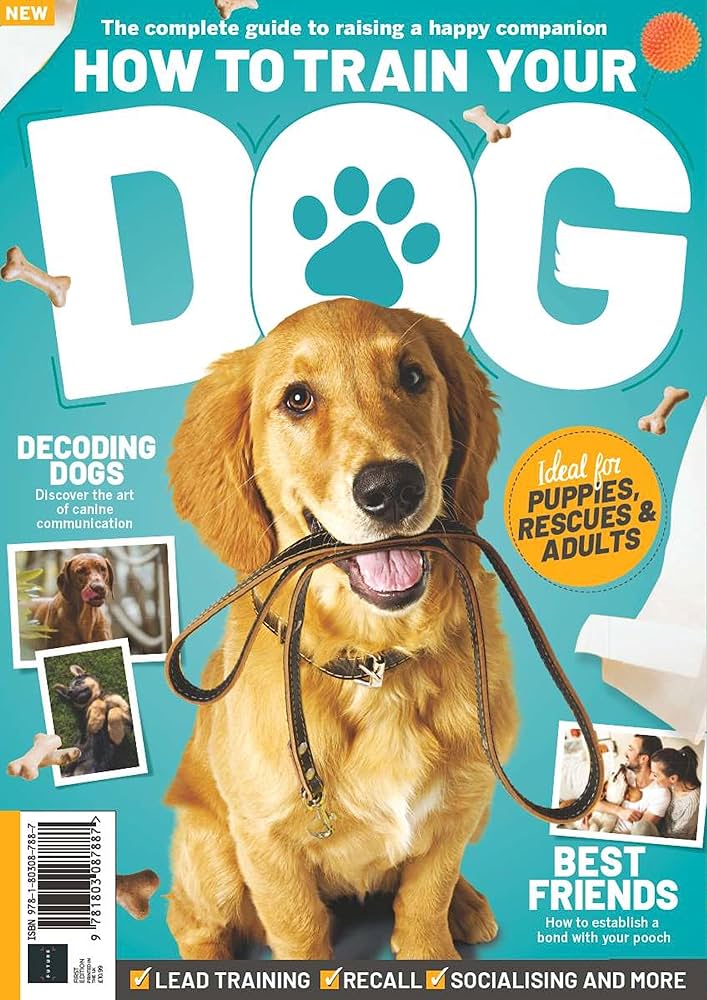
The bond between humans and dogs is ancient, evolving from working partnerships to cherished family members. Dogs are often called “man’s best friend” for a reason – their unwavering loyalty, affection, and ability to understand us on a deep level. But this incredible companionship doesn’t just happen; it’s nurtured through understanding, care, and, crucially, effective training. This guide delves into the world of Best Friend Companion Dog Training, exploring how to build a strong, harmonious relationship with your canine pal, ensuring they are not just a pet, but a true, well-behaved companion.
Understanding the Canine Mind: The Foundation of Companionship
Before diving into specific training techniques, it’s essential to grasp the core principles of canine behavior and learning. Dogs, much like humans, thrive on consistency, clear communication, and positive reinforcement. They are social creatures who look to their human families for guidance and security.
- Social Hierarchy and Leadership: While the concept of a strict “alpha” hierarchy has been debated and refined, it’s undeniable that dogs look for a leader within their family unit. This leadership isn’t about dominance, but about providing structure, setting boundaries, and ensuring safety. A confident, consistent leader helps a dog feel secure, reducing anxiety and behavioral issues.
- Communication: Dogs communicate through body language, vocalizations, and scent. Learning to read your dog’s signals – tail wags, ear positions, posture, growls – is paramount. Conversely, ensuring your commands are clear, consistent, and delivered with appropriate tone is key to effective communication.
- Learning Styles: Dogs learn through association and consequence. Positive reinforcement, such as treats, praise, and affection, for desired behaviors is far more effective and humane than punishment-based methods. Punishment can create fear, anxiety, and aggression, damaging the trust essential for a best friend bond.
Essential Companion Dog Training Pillars
Building a companion dog involves more than just teaching a few tricks. It’s about shaping a well-rounded individual who can navigate the world confidently and politely. Here are the core pillars of companion dog training:
1. Socialization: Building a Confident Canine Citizen
Socialization is the process of exposing your puppy to a wide variety of sights, sounds, people, and other animals in a positive and controlled manner. This critical period, typically between 3 and 16 weeks of age, lays the groundwork for a confident, well-adjusted adult dog.
- Early Exposure: Introduce your puppy to different environments (parks, quiet streets, car rides), surfaces (grass, pavement, gravel), and everyday noises (vacuum cleaners, doorbells, traffic).
- People Power: Ensure your puppy meets a diverse range of people – different ages, genders, ethnicities, and appearances. Supervised interactions are key.
- Canine Connections: Arrange playdates with vaccinated, well-behaved adult dogs and other puppies. Puppy classes are excellent for controlled socialization.
- Gradual Introduction: Never force your puppy into a situation that overwhelms them. If they show signs of fear, retreat, and try again later with a less intense version. Positive experiences are paramount. A well-socialized dog is more likely to be a relaxed and friendly companion in various situations. For those in the Ann Arbor area looking to enhance their dog’s social skills, consider exploring options like the ann arbor dog training club.
2. Basic Obedience: The Language of Cooperation
Basic obedience commands form the foundation of communication and control, essential for safety and a harmonious relationship. These commands also build a dog’s confidence and focus.
- “Sit”: A fundamental command that teaches impulse control.
- “Stay”: Crucial for safety, teaching your dog to remain in a place until released.
- “Come” (Recall): Arguably the most important command for safety. A reliable recall can save your dog’s life. Practice this in a safe, enclosed area first.
- “Down”: A relaxed position that helps dogs settle.
- “Leave It”: Teaches your dog to ignore tempting items, preventing them from ingesting something harmful.
- “Heel” or “Loose-Leash Walking”: Essential for enjoyable walks. Teaching your dog to walk politely beside you without pulling is a key aspect of companion dog training. Techniques similar to those found at dog training maryville tn can be very effective here.
Training Tips for Basic Obedience:
- Keep sessions short and fun: Aim for 5-10 minute sessions multiple times a day.
- Use high-value rewards: Small, tasty treats, enthusiastic praise, or a favorite toy work wonders.
- Be consistent: Everyone in the household should use the same commands and hand signals.
- Practice in different environments: Once your dog masters a command in a quiet room, gradually introduce distractions and new locations.
3. House Training: Creating a Clean and Respectful Home
House training is a critical step in integrating your dog into your home. Patience, consistency, and positive reinforcement are key.
- Frequent Potty Breaks: Especially for puppies, take them out frequently – upon waking, after eating, after playing, and before bedtime.
- Designated Potty Spot: Take your dog to the same spot each time to help them associate it with elimination.
- Reward Success: Lavish praise and offer a high-value treat immediately after they eliminate in the correct spot.
- Accidents Happen: Don’t punish your dog for accidents. Clean them up thoroughly with an enzymatic cleaner to eliminate odors that might attract them back to the same spot. If you catch them in the act, interrupt gently and take them outside.
4. Crate Training: A Safe Haven
Crate training can be an invaluable tool for house training, providing your dog with a secure den-like space, and managing their behavior when unsupervised.
- Positive Association: Make the crate a positive place by feeding meals inside, offering special toys, and never using it as punishment.
- Gradual Introduction: Start with short periods, gradually increasing the time your dog spends in the crate.
- Comfort is Key: Ensure the crate is the right size – large enough for your dog to stand up, turn around, and lie down comfortably, but not so large that they can use one end as a bathroom.
5. Addressing Common Behavioral Challenges
Even well-trained companion dogs can exhibit challenges. Understanding the root cause and employing appropriate training strategies is vital.
- Jumping: Teach an alternative behavior, like “sit,” when greeting people. Ask guests to ignore the dog until all four paws are on the floor.
- Barking: Identify the trigger for barking (boredom, attention-seeking, alarm). Address the cause, whether it’s providing more exercise, teaching a “quiet” command, or managing environmental triggers. For specialized needs, resources like truckee meadows dog training club might offer insights.
- Chewing: Provide appropriate chew toys and redirect chewing behavior away from forbidden items. Ensure your dog is getting enough mental and physical stimulation. For specific tools, understanding options like a dog training collar with vibration might be relevant, but should always be used with expert guidance and as part of a broader positive training plan.
Advanced Companion Training: Deepening the Bond
Once the basics are solid, you can explore more advanced training to further enhance your dog’s skills and your connection.
Trick Training: Fun and Mental Stimulation
Teaching tricks is not just for entertainment; it’s a fantastic way to boost your dog’s confidence, improve their focus, and strengthen your communication. Tricks like “shake paws,” “roll over,” “play dead,” or even more complex sequences can be incredibly rewarding.
Agility and Canine Sports
For energetic breeds, activities like agility, flyball, or scent work provide excellent outlets for physical and mental energy, channeling their natural instincts into productive and fun activities.
Therapy Dog Training
Some dogs possess a naturally calm and empathetic temperament, making them ideal candidates for therapy dog work. This involves advanced obedience, desensitization to various stimuli, and a deep understanding of human emotional cues. Finding reputable training, such as best dog training denver, can be crucial for this path.
The Role of Nutrition and Health in Training
A well-trained companion dog is often a healthy dog. Proper nutrition and regular veterinary care are fundamental.
- Balanced Diet: Choose a high-quality dog food appropriate for your dog’s age, breed, and activity level. A healthy diet directly impacts energy levels, coat quality, and overall well-being, all of which influence trainability.
- Regular Vet Check-ups: Ensure your dog is up-to-date on vaccinations and parasite prevention. Address any health concerns promptly, as pain or discomfort can manifest as behavioral issues.
- Mental Stimulation: Beyond physical exercise, mental stimulation is crucial. Puzzle toys, training sessions, and interactive games prevent boredom and keep your dog’s mind sharp.
Conclusion: A Lifelong Journey of Friendship
Training your dog to be a best friend companion is a continuous journey, not a destination. It requires patience, consistency, love, and a commitment to understanding your dog’s needs. By focusing on positive reinforcement, clear communication, and socialization, you build a foundation of trust and respect that deepens the incredible bond you share. Remember, every training session, every walk, and every shared moment contributes to the beautiful story of your companionship. Embrace the process, celebrate the small victories, and enjoy the unparalleled joy of having a truly devoted best friend by your side.
