
Embarking on a hiking adventure with your canine companion can be one of the most rewarding experiences for any dog owner. The crisp air, the scenic vistas, and the joyful barks echoing through the trees create lasting memories. However, the serenity of nature can quickly be disrupted by poorly behaved dogs, impacting not only the experience of other hikers but also the delicate balance of the wilderness itself. This guide is dedicated to helping you train your dog to be a responsible trail buddy, embodying the spirit of “Leave No Trace” and ensuring that your outdoor excursions are enjoyable for everyone. By focusing on key training principles, you can transform your dog into a well-mannered adventurer who leaves behind only pawprints.
1. The Importance of the Leash
The leash is your most crucial tool for minimizing your dog’s impact on the trail. While the temptation to let your dog roam free, especially if they exhibit good off-leash behavior at home, is understandable, it’s essential to recognize the benefits of keeping them leashed. A standard 6-foot nylon leash provides consistent control, keeping your dog on the designated path and away from sensitive vegetation and wildlife. Retractable leashes, on the other hand, can be unpredictable and even dangerous, offering less control and posing a risk if your dog decides to chase after a small critter. For dogs that tend to pull, consider using a front-hook harness, which makes pulling anatomically awkward, or a head halter for more persistent pullers. Remember, a well-behaved dog on a leash is a responsible trail companion.
2. Mastering the “Come” Command
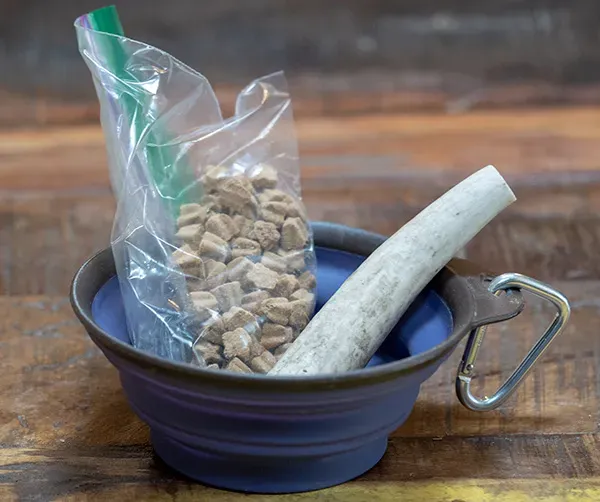
A reliable recall is paramount, especially on trails where off-leash hiking is permitted. This command can be a lifesaver, ensuring your dog returns to your side when called. The key to a strong recall lies in positive reinforcement. Pair the word “COME” with extremely high-value treats—think bacon, steak, or cheese—to create a strong, positive association. Start training in a distraction-free environment, gradually increasing the distance. A fun game to practice recall is the “recall game” with a partner, where you take turns calling the dog back and forth, rewarding them lavishly each time. Consistency is crucial: reward your dog every single time they come when called, especially in the early stages. Always carry high-value, lightweight treats like freeze-dried meats on your hikes to reinforce this vital command amidst distractions.
3. Managing Barking on the Trail
Barking is a natural dog behavior, but excessive barking can disturb wildlife and fellow hikers. There are two common scenarios where dogs tend to bark on trails: when encountering other people or dogs, and after periods of rest.
When another hiker approaches, your dog might bark out of excitement, fear, or anxiety. Redirect this behavior by getting your dog’s attention and rewarding them with treats for focusing on you. You can continue walking while rewarding them, or ask them to sit off to the side of the trail. If the other dog is off-leash and approaching, it’s best to let them have a brief, controlled interaction and then move on.
For dogs that bark after resting, especially when someone new appears, it’s advisable to keep them on a leash when you stop. Provide a long-lasting chew item, such as a bully stick or an elk antler, to keep them happily engaged and quiet. If your dog exhibits persistent “leash reactivity,” consider seeking professional training to address the underlying causes and learn effective redirection techniques. The goal is not to scold your dog but to teach them more appropriate responses.
 Dog-LNT.jpg
4. Pack It In, Pack It Out (and Have Your Dog Help!)
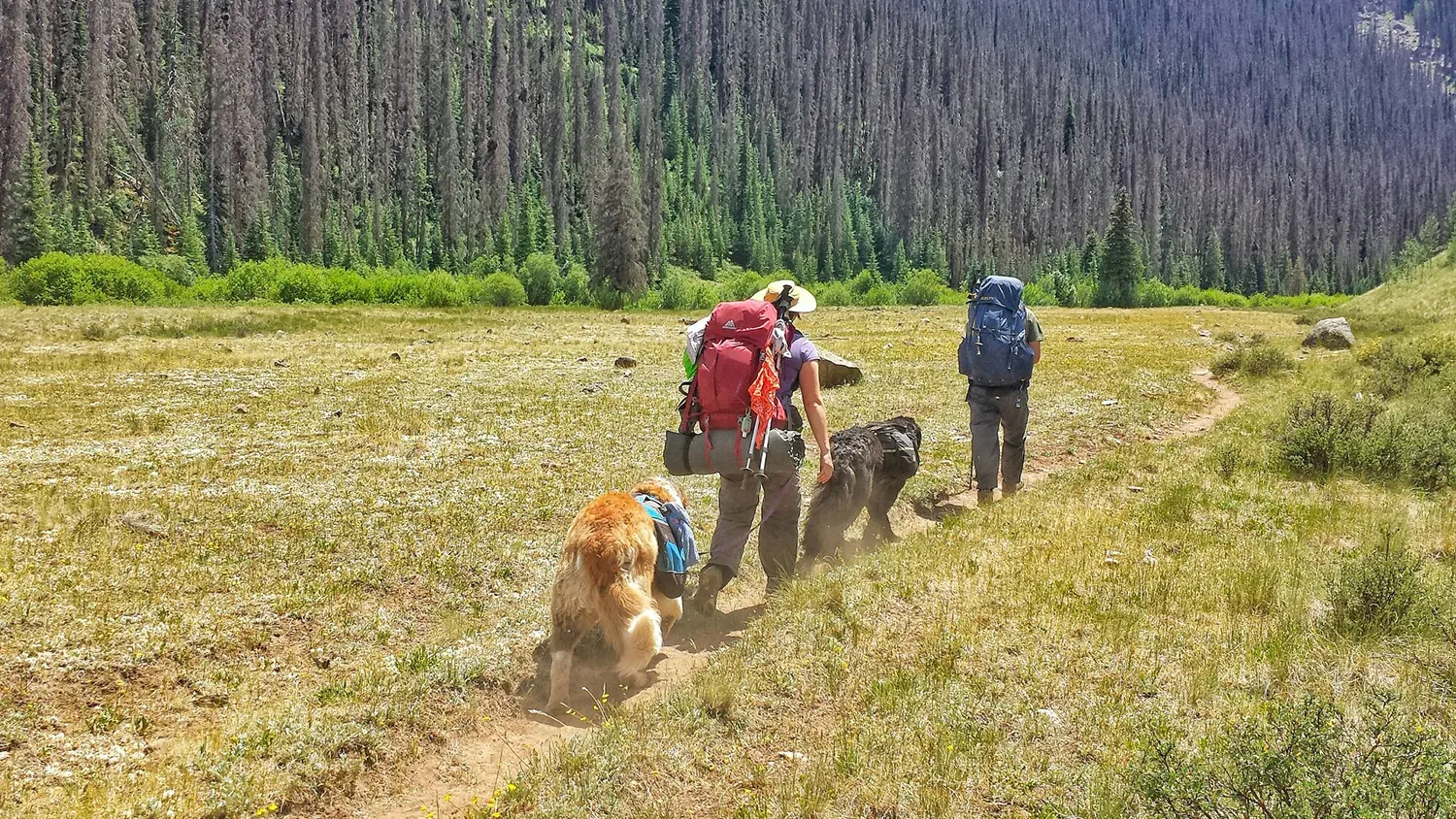
Training your dog to wear a pack can be a practical way for them to carry their own supplies. Before hitting the trail, gradually acclimate your dog to wearing a pack. Start by putting an empty pack on during mealtimes, associating it with a positive experience. Gradually introduce it on short walks, slowly adding weight. Dogs can typically carry 15-20% of their body weight. This not only gives your dog a “job” but also lightens your load, allowing them to carry essentials like a collapsible water bowl, poop bags, and first-aid supplies. It’s also the perfect solution for carrying out used poop bags, ensuring you truly leave no trace.
 waterbowl-treats
When Trail Training Proves Challenging
Remember that every dog is an individual, and breed characteristics can influence training. If you encounter difficulties, keep these points in mind:
- Practice in Low-Distraction Environments: A dog that doesn’t respond to commands at home is unlikely to do so on a busy trail. Consistent practice in familiar settings is key.
- Focus on What to Do: Instead of solely on what not to do, teach your dog the desired behaviors. Use high-value rewards as positive reinforcement—food is a motivator, not a bribe.
- Seek Professional Guidance: If you’re struggling, a qualified dog trainer specializing in positive reinforcement can offer tailored advice and hands-on assistance.
Dog training requires patience and consistency. By applying these principles and dedicating time to practice, you can foster a well-behaved trail companion who enhances, rather than detracts from, the outdoor experience for everyone. Happy trails!
