
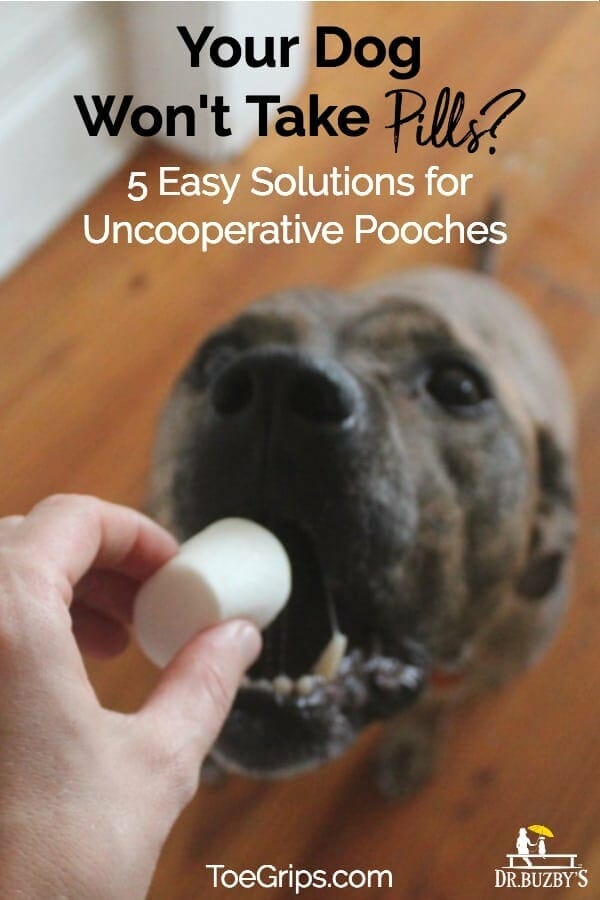
Administering medication to your dog can be a challenge, especially if your canine companion is a master at making pills disappear. As a veterinarian with over 25 years of experience, I’ve discovered that using the most enticing foods to hide dog pills is often the most effective strategy. But which foods are both safe and palatable for your furry friend? This guide lists 11 veterinarian-recommended foods for disguising dog medications, along with their pros, cons, and helpful tips.
It’s crucial to collaborate with your veterinarian to determine what your dog enjoys and what won’t negatively affect their existing health conditions. Not every food listed here is suitable for every dog.
11 Best Foods to Hide Dog Pills In
1. Pill Pockets
Many pet owners inquire about specialized treats for concealing pills, and the good news is they exist! Brands like Greenies Pill Pockets® offer a soft, pliable treat with a pre-made hole perfect for inserting medication. You can often fit multiple pills, depending on their size, and the treat’s design allows you to squeeze the opening shut, securely enclosing the pill.
- Pros: Pills are unlikely to fall out due to the secure closure. A wide variety of flavors, such as chicken, peanut butter, and cheese, appeal to most dogs. They are available in sizes for both capsules and tablets.
2. Peanut Butter
A popular human food choice for hiding pills, peanut butter’s sticky consistency makes it difficult for dogs to spit out the medication, often sticking to the roof of their mouth. Its strong flavor can effectively mask the taste of many medicines, and most dogs find it delicious.
- Important Considerations: Always check the label for xylitol, a toxic artificial sweetener found in some sugar-free varieties. Peanut butter is high in fat, making it unsuitable for dogs prone to pancreatitis. It can also be high in sodium, posing a risk for dogs with heart or kidney disease. Consult your vet if you’re unsure about a specific brand.
3. Marshmallows
Similar to peanut butter, marshmallows are a favored option for concealing pills due to their sticky, gooey texture.
- Pros: Their low-fat content makes them a safer choice for dogs at risk of pancreatitis. Mini marshmallows are often sufficient for hiding pills, and larger sizes are available if needed.
- Cautions: Marshmallows are high in sugar and may not be ideal for diabetic dogs. Always avoid sugar-free versions, as they may contain toxic xylitol.
4. Turkey or Chicken Breast
Plain cooked turkey (not deli slices), a cube of cooked chicken breast, or a small meatball made from ground turkey or chicken can effectively encourage dogs to take their medication.
- Pros: The strong scent and flavor are appealing to dogs, often masking the pill. These are leaner meat options compared to others like ham or roast beef, reducing the risk of pancreatitis.
- Caveats: Avoid deli meats due to their high sodium content, especially for long-term use or for dogs with heart or kidney issues. If your dog has a history of pancreatitis, opt for a different food. Never use raw meats due to the risk of foodborne illness.
5. Hot Dogs
Hot dogs are another meaty option that many owners use. Their consistency makes hiding pills easy, and most dogs are drawn to their taste and smell.
- Precautions: Cut hot dogs into small pieces and avoid whole discs, which can be a choking hazard. Do not use hot dogs for long-term daily medication. Their high sodium and preservative content makes them unsuitable for dogs with chronic diseases. They are also not recommended for dogs prone to pancreatitis.
6. Liverwurst
Liverwurst, also known as braunschweiger, is a favored meat option due to its strong aroma that effectively disguises pills. Its moldable texture helps keep the medication contained.
- Considerations: While some liverwurst contains onions, which are toxic to dogs, the small quantity typically used is unlikely to cause harm. However, for ultimate safety, choose a product without onions or other spices. Liverwurst is richer than some other meat options, so it may not be ideal for dogs prone to pancreatitis.
7. Plain Yogurt or Plain Greek Yogurt
Plain yogurt can be a good option, especially for mixing liquid medications if approved by your vet. It may offer nutritional benefits due to its probiotic content and is generally safer for dogs at risk of pancreatitis compared to richer options.
- Important Notes: Use only plain or plain Greek yogurt. Flavored yogurts are less appealing to dogs, and sugar-free versions might contain xylitol. Some dogs may detect the pill in yogurt since it’s not as sticky and they might eat it slowly. Avoid yogurt if your dog is taking antibiotics, as dairy can interfere with their effectiveness, or if your dog is lactose intolerant.
8. Bananas
Bananas are a sweet fruit that can help mask a pill’s taste and smell. However, like yogurt, dogs may be able to detect and avoid the pill within the banana.
9. Bread
Small pieces of bread can be an easy way to hide pills. You can shape the bread around the pill or add peanut butter for extra security.
- Cautions: Using bread regularly can lead to weight gain, so it’s not ideal for overweight dogs or those with diabetes. Never give your dog bread dough, raisin bread (raisins are toxic), or chocolate chip bread (chocolate is toxic). Stick to plain white or brown bread or buns.
10. Canned Dog Food
For dogs accustomed to dry kibble, canned dog food can be an exciting and effective way to administer medication. If your dog’s regular kibble has a canned formula, that’s ideal. Otherwise, a small amount of a different canned food is usually well-tolerated.
- Benefits: Canned dog food is specifically formulated for dogs and is generally safe. You can often find canned versions of prescription diets, ensuring your dog receives their specific nutritional needs while taking medication.
11. Your Dog’s Normal Diet
For some dogs highly motivated by their regular food, hiding a pill in the middle of their kibble can be the simplest method.
- Limitations: This method doesn’t work for all dogs, as many will separate the pill from their food. Some dogs may initially fall for the trick but learn to associate food with medication, potentially leading to refusal to eat. This option is best for dogs who are not picky eaters and are very food-driven.
What About Cheese, Cream Cheese, or Ice Cream?
While tempting, it’s generally best to avoid these rich foods for hiding medications. They carry a higher risk of triggering pancreatitis, which can be life-threatening. Additionally, dogs with lactose intolerance may experience digestive upset. Antibiotics should not be given with calcium-rich dairy products, as calcium can reduce their effectiveness.
Precautions for Giving Pills in Food
Before you choose a food to hide your dog’s pills, keep these essential tips in mind:
1. Consult Your Veterinarian
Always check with your vet before using any food to administer medication. Certain foods are contraindicated for dogs with specific health conditions (e.g., fatty foods for pancreatitis, low-sodium diets for heart or kidney disease). If your dog is on a hypoallergenic diet, be mindful of potential allergens in common hiding foods. Your vet can also advise on safe options for food-allergic dogs and confirm whether calcium-rich foods can be given with antibiotics.
2. Check Medication Label for Food Interaction
Read the medication label carefully. Some medications should not be given with food or require a specific time interval before or after meals. If this is the case, you’ll need an alternative method for administering the medication.
3. Do Not Crush or Open Pills Unless Directed
Unless specifically instructed by your veterinarian, avoid crushing tablets or opening capsules. Doing so can alter the medication’s effectiveness or, in some cases, pose a health risk to you.
4. Explore Other Medication Methods
If your dog consistently refuses pills hidden in food, or has learned to detect them, explore alternative methods. Your vet might suggest compounding the medication into a liquid form that can be syringed into your dog’s mouth or other treatment options. You can also find additional tips for reluctant pill-takers in my article on tips for dogs who won’t take pills.
5. Follow Medication Directions Carefully
Always refer to the directions on the medication label, even if your dog has taken the medication before. Your vet may have adjusted the instructions based on your dog’s current condition. Incorrect dosage or frequency can have serious consequences.
6. Ensure Food Pieces are Small
To maximize the chances of your dog swallowing the pill whole, make the food pieces small. This reduces the likelihood of them chewing the food and accidentally biting into the pill. Smaller pieces are more likely to be swallowed in a single gulp.
You Can Do It!
Giving your dog medication can seem daunting, but with the right approach, it’s manageable. It may take some trial and error to find the perfect food your dog accepts. Once you and your dog establish a routine, it typically becomes easier. If you continue to struggle despite trying various foods and tricks, don’t hesitate to reach out to your veterinarian. They are your best resource for finding a successful solution for your dog’s medication needs.
Which food do you find most effective for hiding your dog’s pills? Share your go-to method in the comments below!
