
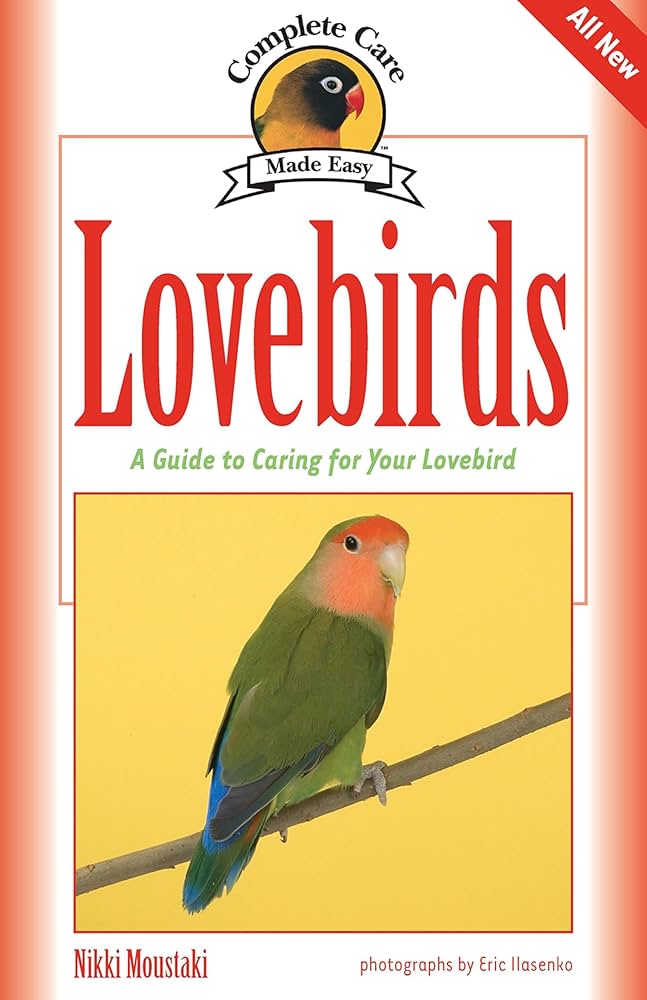
Ensuring your Lovebird receives a balanced and nutritious diet is paramount to their overall health and longevity. While readily available in pet stores, seeds alone are insufficient and can lead to various health issues. This guide explores the natural diet of Lovebirds and provides expert recommendations for a thriving avian companion.
Understanding Your Lovebird’s Nutritional Needs
Lovebirds, like all birds, require a precise balance of carbohydrates, proteins, fats, vitamins, minerals, and water. A poorly managed diet is a leading cause of common health problems in pet birds. The goal is not merely to keep your Lovebird alive but to help them flourish. Consult with your veterinarian to create the most suitable diet plan for your specific bird.
What Lovebirds Eat in the Wild
In their natural habitat, Lovebirds forage for a diverse range of grasses and plants. They are particularly susceptible to obesity and iodine deficiencies, making a varied and balanced captive diet crucial.
Formulating Your Lovebird’s Diet
The Role of Seeds
While Lovebirds do consume seeds, relying solely on commercial seed mixes can be detrimental. These mixes often contain only a few types of seeds, are high in fat, and lack essential nutrients. Birds tend to selectively eat their favorite seeds, like millet, further exacerbating nutritional imbalances. “Honey sticks” and other seed-based treats also contribute to malnutrition. To encourage a more varied seed intake, offer a smaller quantity of a high-quality, diverse seed mix.
Feeding Guideline: Offer approximately 1.5 to 2 level teaspoons of seed per bird, per day, in a shallow dish. If housing multiple Lovebirds, provide individual dishes to ensure fairer access to food. Leftover seeds may indicate an excessive portion size. Remember, seeds should only constitute a small portion of their diet.
The Superior Choice: Formulated or Pelleted Diets
Pellets, crumbles, and hand-feeding mashes are scientifically formulated to provide complete nutrition for birds. These diets are ideal, especially for hand-raised chicks. Converting seed-eating birds to a pelleted diet requires patience. Begin by offering pellets in a separate dish while gradually reducing the seed portions. Some owners find success mixing a small amount of pellets with seeds. This transition can take weeks or months, and close monitoring is essential. Never completely remove seeds until you are certain your bird is consuming the formulated food, along with fruits and vegetables. Consult your veterinarian if you encounter difficulties during this conversion process.
Incorporating Fruits and Vegetables
Wholesome human foods, such as fruits, vegetables, and greens, should constitute about 20-25% of your Lovebird’s diet. Opt for nutrient-rich options and avoid pale vegetables with high water content like iceberg lettuce, as they offer minimal nutritional value. Avocado is potentially toxic and should be avoided.
Always wash fruits and vegetables thoroughly to remove any chemical residues. Cut them into manageable pieces suitable for your bird’s size. Offer these in a separate dish, and like feeding a small child, offer a wide variety daily and remain persistent.
The Importance of Fresh Water
Constant access to fresh, clean water is vital. Water dishes must be cleaned daily, paying special attention to tube or gravity water dispensers.
“People Food” and Your Lovebird
Adhere to the general rule of offering wholesome foods that are safe for human consumption. In moderation, some Lovebirds may enjoy small amounts of lean meat, cheese, or cooked eggs. Avoid “junk food” and alcoholic beverages.
Life Stage Nutritional Adjustments
Young, stressed, injured, egg-laying, or nesting birds may have unique dietary needs. Consult your veterinarian for specific recommendations during these critical periods.
Vitamin-Mineral Supplementation
If your bird consumes a well-balanced diet primarily consisting of pellets (75-80%), additional supplements may not be necessary. However, specific nutrients like calcium are crucial during egg-laying. Your veterinarian can assess your bird’s diet and recommend appropriate supplements. Powdered supplements mixed with moist food are generally more stable and effective than those sprinkled on dry seeds.
Gravel and Grit: A Matter of Debate
While wild birds consume grit to aid digestion, its necessity in captivity, especially with formulated diets, is debated. Offering a small amount in a separate dish allows the bird to self-regulate intake. Never place grit at the bottom of the cage, as it can become contaminated. Avoid gravel containing charcoal, as it can interfere with nutrient absorption. If you observe excessive or irregular grit consumption, consult your veterinarian immediately.
Essential Feeding Tips for Lovebirds
- Monitor Food Intake: Regularly check how much each bird eats daily.
- Freshness is Key: Provide fresh water and food daily.
- Variety Matters: Offer a diverse range of fruits and vegetables.
- Hygiene: Clean all food and water dishes daily.
- Persistence: Do not be discouraged if your bird initially rejects a new food item; keep trying!
Suggested Food Items:
| Apple | Cherries (pit removed) | Pear |
|---|---|---|
| Apricots | Chinese vegetables | Peas |
| Asparagus | (e.g., bok choy) | Peppers |
| Banana | Coconut | Pineapple |
| Beans (cooked) | Corn | Plum |
| Beet | Cucumber | Pomegranate |
| Blueberry | Dandelion leaves | Potato |
| Broccoli | Endive | Pumpkin |
| Brussel Sprouts | Fig | Rappini |
| Cabbage | Grapes | Raspberry |
| Cantaloupe | Grapefruit | Rice (brown) |
| Carrot | Kale | Romaine lettuce |
| Carrot tops | Kiwi | Spinach |
| Nectarines | Melons | Sprouted seeds |
| Orange | Mango | Squash |
| Papaya | Nectarines | Strawberry |
| Parsnip | Orange | Sweet potato |
| Peaches | Papaya | Tomato |
| Parsnip | Zucchini | |
| Peaches |
