
Losing teeth is a common occurrence in cats, and while it might seem alarming, many felines adapt remarkably well and can live full, happy lives without them. Understanding the causes of tooth loss and how to adjust your cat’s diet and care can ensure their continued well-being. This guide will explore why cats lose teeth and provide practical advice for feeding and caring for your toothless companion.
Understanding Tooth Loss in Cats
Adult cats typically start with 30 permanent teeth, including incisors, canines, premolars, and molars. However, various factors can lead to tooth loss. Dental diseases are primary culprits, with periodontal disease and tooth resorption being the most prevalent. Periodontal disease progresses through stages, starting with plaque and calculus buildup, leading to gingivitis (reddened gums), and eventually, painful tooth loss if untreated. Early intervention through professional dental cleanings and consistent at-home oral care can significantly impact long-term oral health.
Tooth resorption is another common issue where the tooth structure begins to break down, exposing sensitive inner tissues. While a universal cause hasn’t been identified, genetics may play a role. Regular dental check-ups are crucial for early detection and management.
Feline chronic gingivostomatitis, often referred to as stomatitis, involves severe oral inflammation, frequently affecting the back of the mouth. This condition is believed to be an aberrant immune response, and treatment often includes full mouth extraction and medical management to ensure a comfortable mouth. Trauma, such as fractured canine teeth (fangs), can also lead to tooth loss. Even small fractures can allow bacteria to enter the tooth, potentially requiring extraction. If caught early, treatments like odontoplasty, sealant therapy, or root canal therapy may be options.
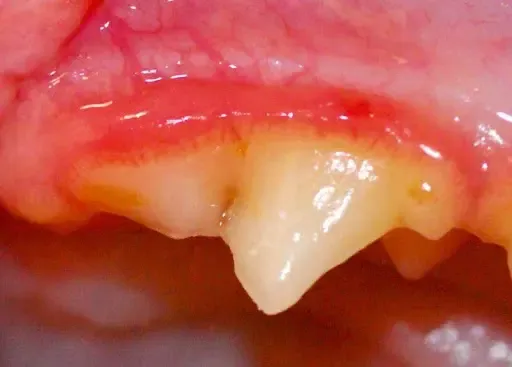 *Gingivitis, a common precursor to more severe dental issues.*
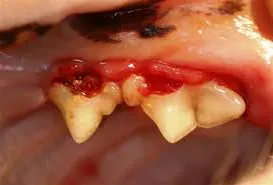 *Tooth resorption can cause significant pain and tooth loss.*
How Toothless Cats Eat and Thrive
The good news is that once painful, diseased teeth are removed, cats often experience a significant improvement in comfort and eating habits. Cats’ teeth are primarily used for grasping and shearing food, rather than the extensive chewing and grinding humans do. Many cats naturally swallow their food with minimal chewing. Their tongues are adept at maneuvering food to the back of their mouths for swallowing. Therefore, the absence of teeth does not significantly impede a cat’s ability to eat.
Adapting Your Cat’s Diet
Many cats adjust seamlessly to their usual dry kibble, even without teeth. However, several feeding strategies can make mealtime easier and more enjoyable for toothless felines. Softening kibble by adding warm water or low-sodium chicken broth and letting it soak for a few minutes is an excellent option. Canned food is also a popular choice.
It’s important to note that canned food has a higher water content and is less calorie-dense per volume compared to dry food. If your cat needs a calorie boost, you can mix crumbled kibble with canned food. Offering a variety of foods and treats will help you discover your cat’s preferences. When selecting treats, opt for smaller sizes that are easy to swallow, as your cat won’t be chewing them. Exploring options like hills cat treats can provide enjoyable, bite-sized options.
A Fulfilling Life Beyond Teeth
Aside from potential dietary adjustments and slightly slower eating speeds, a cat without teeth can lead a completely normal and happy life. In fact, with improved oral health and freedom from pain and infection, many toothless cats thrive. If you suspect your feline companion is experiencing dental pain or you want to learn more about caring for a cat with no teeth, please consult with a veterinarian. For specialized care, contacting a veterinary dental professional, such as those at Montana Pet Dentistry and Oral Surgery, can provide expert guidance and treatment options. Remember to explore resources for tiki cat raw food if you are considering alternative dietary options, ensuring they are appropriate for a cat with dental challenges. Understanding specific health needs, like managing a diet for hyperthyroidism in cats, is also crucial for their overall health.
Images used under creative commons license – commercial use (12.04.2021) Pexels
