
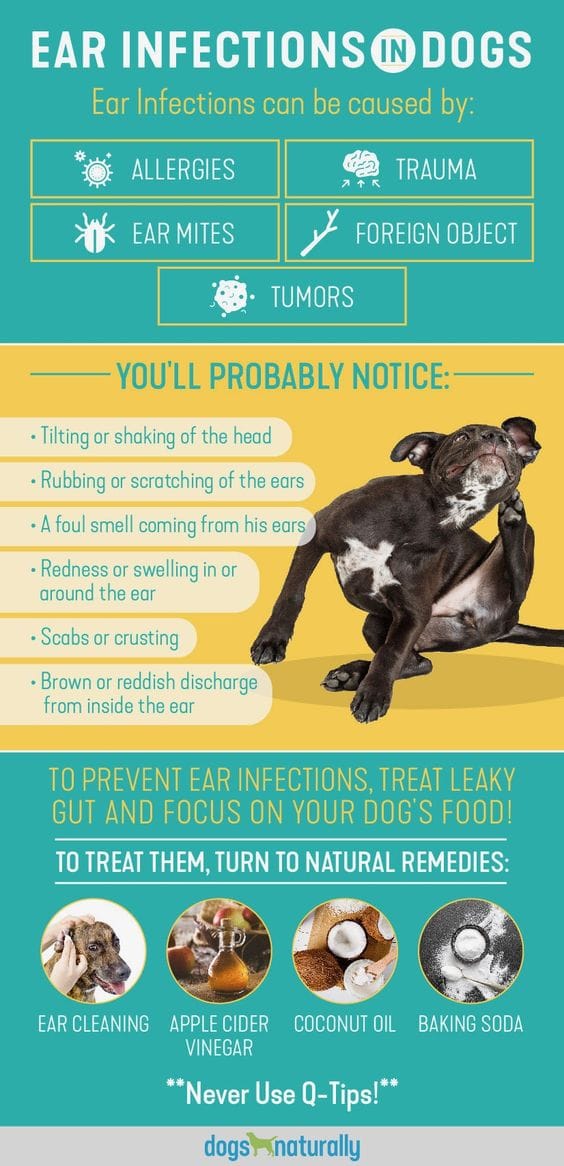
Ear infections in dogs are a common and uncomfortable ailment, often characterized by itching, odor, and discharge. Dogs’ unique L-shaped ear canals are prone to trapping moisture and debris, creating an ideal breeding ground for bacteria and yeast. While many ear infections require veterinary attention, mild cases of otitis externa, the most common type affecting the outer ear, can often be managed at home. Understanding the symptoms, causes, and preventative measures is key to keeping your canine companion’s ears healthy.
Symptoms of a Dog Ear Infection
Recognizing the signs of an ear infection is the first step in addressing the issue. Key indicators include:
- Pus or dark, waxy discharge from the ears.
- Visible inflammation, swelling, or redness within the ear canal.
- Crusty scabs or lesions around the ear.
- Whimpering or other vocalizations indicating pain.
- Excessive head shaking or scratching at the ears and face.
- A foul odor emanating from the ears.
- Apparent hearing impairment.
- Loss of balance, particularly in severe or advanced cases.
Types and Causes of Dog Ear Infections
There are three main types of ear infections in dogs:
- Otitis externa: This infection affects the outer ear canal and is the most prevalent. It’s often caused by allergies, ear mites, trapped moisture, or excessive wax buildup. Promptly treating otitis externa can prevent it from progressing to more serious internal infections.
- Otitis media: This occurs when the middle ear, located behind the eardrum, becomes infected, frequently as a consequence of untreated otitis externa.
- Otitis interna: This is a rare but serious infection that invades the inner ear, potentially leading to permanent hearing loss and balance issues if not addressed by a veterinarian.
Common culprits behind ear infections include ear mites, allergies, foreign bodies like grass awns, issues with skin and gland production, and immune-mediated skin diseases. In some cases, ear cancer can also be a factor. Dogs with pre-existing ear abnormalities are more susceptible to bacterial and yeast infections, skin ulceration, and irritation from medications. Chronic ear problems can lead to the accumulation of debris and pathogens, setting the stage for recurrent infections.
Managing and Treating Ear Infections at Home
For cases of otitis externa, several home care strategies can be employed:
Employing the “Cone of Shame”
An Elizabethan collar, or “cone,” is crucial for preventing your dog from scratching their irritated ears. Excessive scratching can worsen inflammation, create hot spots, and lead to further complications. While dogs may not enjoy wearing them, cones are essential for protecting the ears during the healing process. If a traditional plastic cone is causing distress, discuss alternatives like inflatable or soft fabric collars with your veterinarian.
Over-the-Counter (OTC) Solutions
Certain over-the-counter products can provide relief. Antihistamines like diphenhydramine (Benadryl) may help reduce inflammation and itching if allergies are the underlying cause. However, it is crucial to consult your veterinarian for appropriate dosage based on your dog’s weight and health status. Hydrocortisone-based treatments can also combat itching, swelling, and redness. For a comprehensive approach, consider tailored ear care solutions such as Vetericyn’s Triple-Action Ear Treatment, which combines hydrocortisone for inflammation, enzymes to break down wax and debris, and a proprietary blend to support the ear’s natural defenses. Always consult your vet before administering any medication.
Preventing Future Ear Infections
Proactive ear care is vital for long-term ear health and can significantly reduce the incidence of infections.
Maintain Dry Ears
Moisture is a primary enemy of healthy dog ears, especially given their L-shaped structure which traps water. Breeds with long, floppy ears are particularly susceptible. To prevent moisture buildup:
- Thoroughly dry your dog’s ears after baths or swimming.
- Consider placing cotton balls loosely in your dog’s ears before bathing to prevent water from entering (remember to remove them immediately afterward).
Keep Ears Clean
Regular cleaning is your first line of defense against pathogens and debris. Aim to clean your dog’s ears once a month, or more frequently if they have floppy ears or a history of infections. Use a veterinarian-approved, non-irritating ear cleaner like Vetericyn Plus Antimicrobial Ear Rinse for routine cleaning. If you are unsure about the cleaning process, numerous online tutorials and videos demonstrate proper techniques.
Support Overall Health
A strong immune system plays a significant role in preventing infections. Ensure your dog is on a nourishing diet, gets regular exercise, and consider a high-quality supplement like Vetericyn ALL-IN to support overall wellness. Always discuss any new supplements or dietary changes with your veterinarian.
When to Seek Veterinary Care
While home care is effective for mild otitis externa, certain situations warrant professional veterinary attention:
- If symptoms do not improve within a few days of home treatment.
- If your dog exhibits signs of a chronic or worsening infection, beyond minor itching or redness.
- If your dog is in severe pain and cannot tolerate ear examination or treatment.
Your veterinarian can diagnose the specific type of infection and recommend the most effective treatment plan, especially for otitis media and otitis interna.
At Vetericyn, we are dedicated to helping pets live their healthiest lives. Our range of ear care products, including the Triple-Action Ear Treatment and Antimicrobial Ear Rinse, is designed to support ear health and provide relief from common discomforts. Explore our complete line of dog care products to ensure your furry friend stays happy and healthy.
