
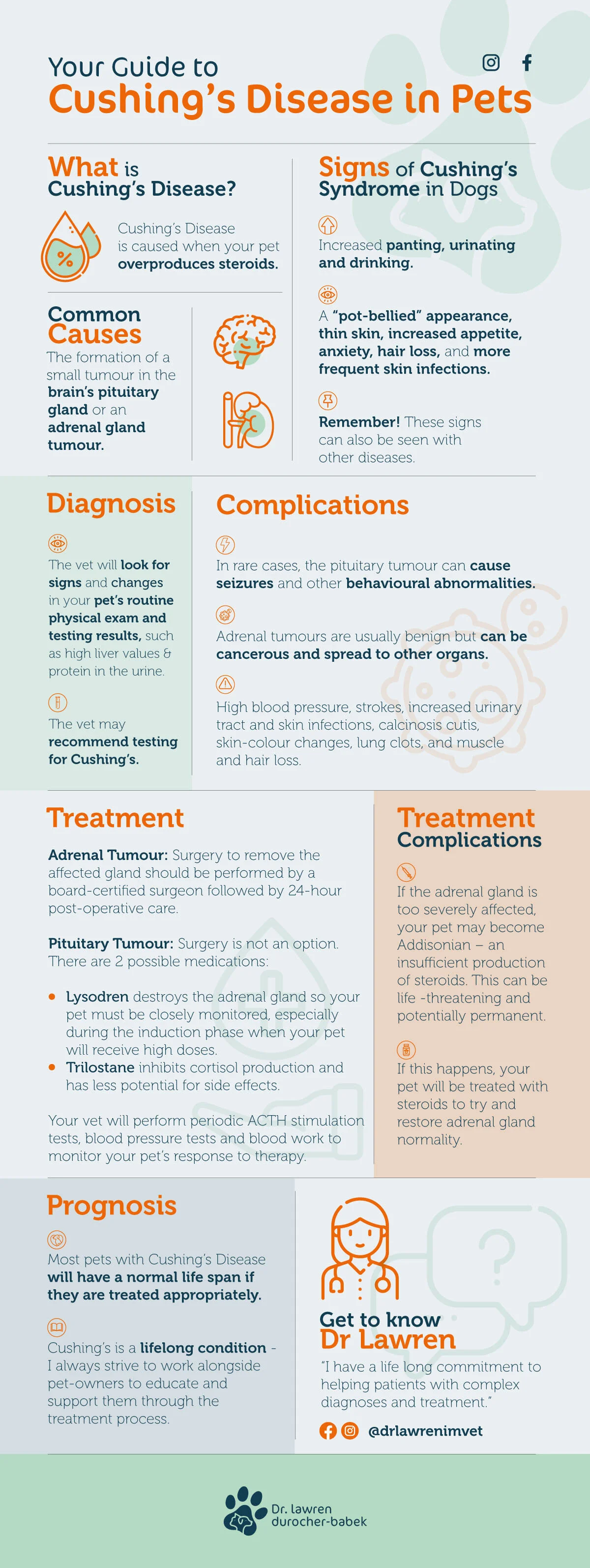
Cushing’s disease in dogs occurs when their bodies produce an excessive amount of cortisol, a crucial steroid hormone. This hormonal imbalance can lead to a range of health issues, including frequent infections, skin problems, a noticeably distended abdomen, and increased thirst, hunger, and urination. While diagnosing and managing this condition can be challenging, it is controllable. Beyond traditional medical or surgical interventions, dietary adjustments play a significant role in supporting your dog’s well-being throughout their treatment journey.
Treatment Pathways for Cushing’s Disease Types
The specific treatment plan recommended by your veterinarian will depend on whether your dog is diagnosed with pituitary or adrenal Cushing’s disease.
Adrenal Cushing’s Disease
Adrenal tumors, a less common cause of Cushing’s disease, can often be treated surgically through an abdominal procedure. If the tumor is successfully removed and has not metasten, this form of the disease can potentially be cured. Medications are frequently employed to manage the condition before surgery or as an alternative when surgery is not feasible.
Pituitary Cushing’s Disease
Pituitary tumors account for the majority of Cushing’s disease cases in dogs, estimated at 80-85%. Due to the location and nature of these tumors, surgical removal is typically not an option. Consequently, most dogs with pituitary Cushing’s disease require lifelong medication, such as mitotane or trilostane, to manage their condition.
Nutritional Guidance for Dogs with Cushing’s Disease
Regardless of the type of Cushing’s disease and its treatment method, diet remains a critical component of your dog’s care. Nutritional therapy, when properly implemented, can enhance overall health and help mitigate specific symptoms associated with the disease. It’s important to note that a one-size-fits-all diet does not exist for all dogs with Cushing’s disease; however, certain general dietary characteristics are beneficial. Always consult your veterinarian to establish the most suitable diet for your individual dog.
Formulated for Adult Dogs
The dog food should align with the Association of American Feed Control Officials (AAFCO) guidelines for adult maintenance. Opting for a food specifically formulated for adults, rather than one for “all life stages,” is generally advisable. Adult formulas tend to be less calorie-dense than those designed for puppies, which can assist dogs with Cushing’s disease in maintaining a healthy weight.
Moderate Fiber and Lower Fat Content
Many dogs affected by Cushing’s disease experience excess body fat. To help address this, a diet with a fat content below 12% on a dry matter (DM) basis and moderate crude fiber (8-17% DM) is often recommended. However, this dietary approach may not be suitable for dogs with Cushing’s disease who are underweight.
To determine the dry matter value of a nutrient, follow these calculations:
- Calculate Dry Matter Percentage: 100% – % moisture listed on the package = % dry matter (DM%)
- Calculate Nutrient’s Dry Matter Value: (Nutrient % listed on label ÷ DM%) x 100
For instance, if a food label indicates 10% moisture and 9% fat:
- DM% = 100% – 10% = 90%
- Fat DM value = (9% ÷ 90%) x 100 = 10%
A food with these characteristics can help manage weight and support digestive health.
Highly Digestible Protein Sources
The protein included in the diet should be easily digestible. Excellent sources include egg whites, muscle meats like chicken, beef, and lamb, and organ meats. These ingredients provide essential amino acids without placing undue stress on the digestive system.
Low Sodium Content
If your dog has developed hypertension, a common comorbidity with Cushing’s disease, your veterinarian will likely advise avoiding foods high in sodium. A low-sodium diet is crucial for maintaining healthy blood pressure levels and reducing cardiovascular strain.
Food Recommendations for Canine Cushing’s Disease
For many dogs diagnosed with Cushing’s disease, particularly those who are overweight, a high-quality adult dog food formulated to manage weight can be an appropriate choice. It is always best to discuss specific product recommendations with your veterinarian, as they can assess your dog’s individual needs and health status. If your dog requires weight management, choosing a food specifically designed for weight control can be beneficial. Many brands offer formulas that are lower in calories and fat while still providing balanced nutrition.
Supplementation for Dogs with Cushing’s Disease
Generally, if your dog is being fed a nutritionally complete and balanced dog food, additional nutritional supplements are not necessary for managing Cushing’s disease. However, if your dog has concurrent health issues, your veterinarian might suggest specific supplements. For example, a dog suffering from both Cushing’s disease and arthritis could benefit from a joint supplement containing glucosamine and chondroitin sulfate, which are known to support joint health. Always seek veterinary guidance before administering any supplements.
Additional Care Tips for Dogs with Cushing’s Disease
Caring for a dog with Cushing’s disease requires meticulous attention to detail and adherence to veterinary recommendations.
- Medication and Follow-Up: Strictly follow your veterinarian’s instructions regarding medication schedules, dietary changes, and all recommended follow-up appointments. Consistent care is vital for managing the condition effectively.
- Water Access: Never restrict a dog’s water intake. Dogs with Cushing’s disease often experience increased thirst, and constant access to fresh, clean water is essential. While regulated by medication, their drinking habits should normalize, reducing excessive thirst.
- Weight Management: If your veterinarian has advised weight loss, commit to a structured program to achieve and maintain a healthy weight. Do not hesitate to ask your veterinarian for assistance and guidance on safe and effective weight loss strategies.
The treatment of Cushing’s disease can be complex, and your veterinarian serves as your most valuable resource. By working closely with your vet, you can navigate the treatment process effectively and ensure your beloved companion lives the healthiest life possible.
