
When it comes to selecting a canine companion for protection, the choice of breed is paramount. Not all dogs are inherently suited for guarding, and even among those that are, different breeds possess unique temperaments, physical attributes, and training needs. The “best” protection dog is one that aligns with your lifestyle, experience, and specific security requirements. This guide delves into the top breeds renowned for their protective instincts, trainability, and unwavering loyalty, helping you make an informed decision for your family’s safety.
Understanding Protection Dog Training
Before exploring specific breeds, it’s crucial to understand what defines a “protection dog.” This isn’t about aggression for aggression’s sake. A well-trained protection dog is a confident, stable, and alert animal that can distinguish between a genuine threat and a benign situation. Training focuses on obedience, controlled deterrence, and, if necessary, a decisive response to a credible threat. This requires a significant investment of time, consistent training, and a deep understanding of canine behavior.
“A protection dog is not a weapon; it’s a highly trained partner whose instincts are honed and controlled through expert guidance and a strong bond with its handler.”
Key Traits of a Protection Dog:
- Loyalty and Devotion: Unwavering commitment to their family.
- Alertness and Vigilance: Aware of their surroundings and quick to notice anomalies.
- Courage and Confidence: Capable of standing their ground when necessary.
- Trainability and Intelligence: Eager to learn and respond to commands.
- Stable Temperament: Not prone to unwarranted aggression or nervousness.
- Strong Protective Instincts: A natural inclination to safeguard their territory and loved ones.
Top Breeds for Protection Training
Several breeds consistently rank high for their suitability as protection dogs, each bringing a distinct set of characteristics to the table.
German Shepherd
The German Shepherd is arguably one of the most versatile and popular breeds for protection work, law enforcement, and military roles. Their intelligence, agility, and fearless nature make them exceptionally trainable. They possess a strong natural guarding instinct, are highly alert, and form deep bonds with their families. Their confidence and willingness to please make them receptive to rigorous training.
- Pros: Highly intelligent, versatile, strong protective drive, excellent obedience, good with family when socialized.
- Cons: Requires significant exercise and mental stimulation, can be prone to certain health issues if not from reputable breeders.
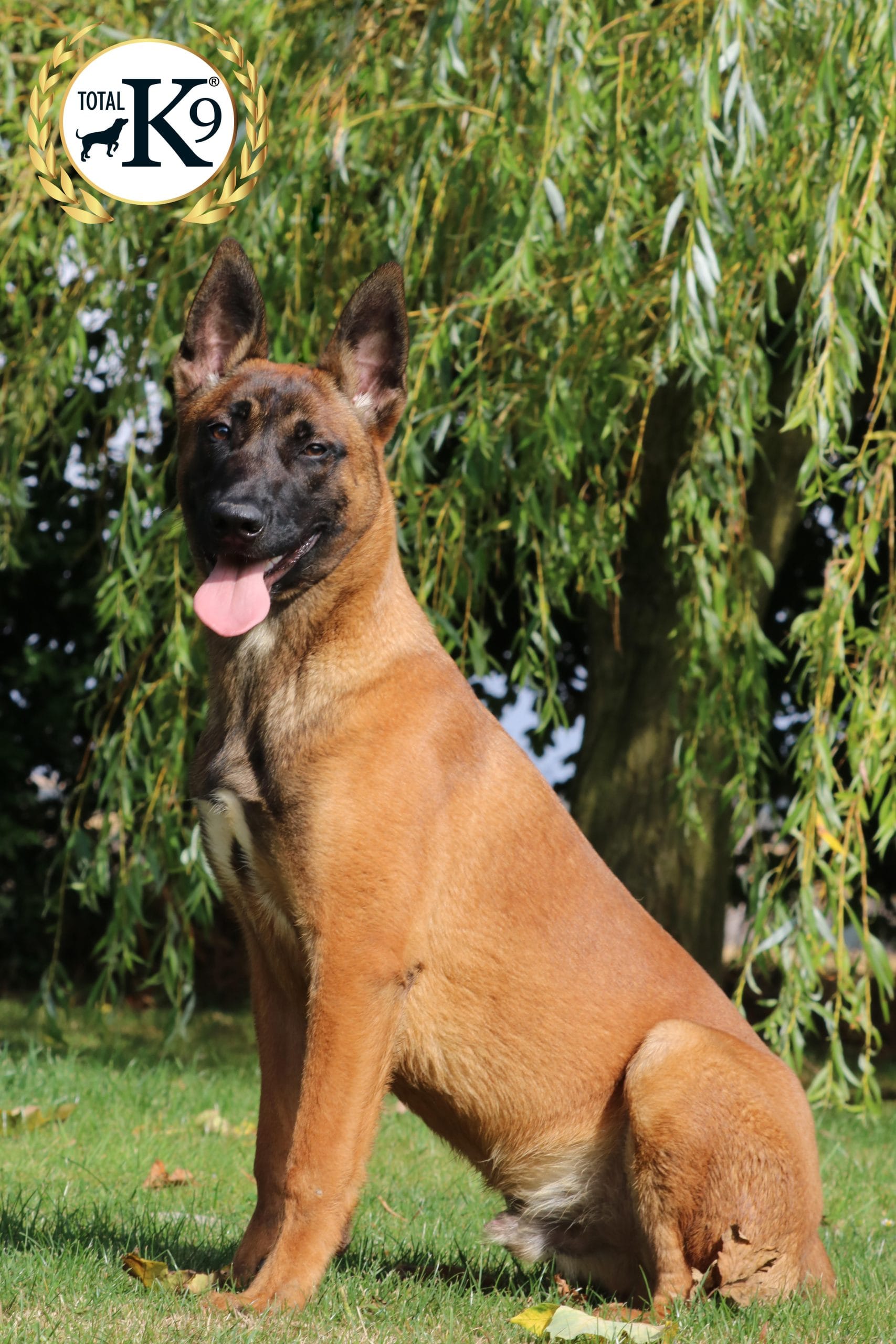
Belgian Malinois
Often confused with the German Shepherd, the Belgian Malinois is known for its intense drive, athleticism, and unwavering focus. They are highly intelligent, energetic, and excel in demanding protection roles. Their work ethic is phenomenal, making them a top choice for professional handlers. However, their high energy levels and intense needs mean they are best suited for experienced owners who can provide consistent training and ample activity.
- Pros: Extremely high drive and energy, intelligent, agile, superb work ethic, very loyal.
- Cons: Very demanding, requires extensive socialization and training, not ideal for novice owners, can become destructive if bored or under-exercised.
Doberman Pinscher
Dobermans are sleek, powerful, and exceptionally alert dogs. They are known for their loyalty, courage, and keen sense of awareness. Bred as guard dogs, they possess a natural protective instinct and are highly intelligent, making them responsive to training. Their imposing presence alone can be a significant deterrent.
- Pros: Highly intelligent, loyal, courageous, naturally protective, good deterrent presence.
- Cons: Requires consistent socialization to prevent over-protectiveness, can be sensitive, needs regular exercise.
Rottweiler
Rottweilers are robust, powerful dogs with a calm, confident demeanor and a strong protective instinct. When properly socialized and trained, they are devoted companions and fearless guardians. Their natural guarding abilities, combined with their intelligence and strength, make them formidable protectors.
- Pros: Powerful, confident, naturally protective, loyal, intelligent, good with family when socialized.
- Cons: Requires early and consistent socialization, can be strong-willed, needs firm but fair training, potential for health issues.
Giant Schnauzer
The Giant Schnauzer is a commanding presence with a strong protective nature. They are intelligent, energetic, and known for their loyalty and alertness. Their original purpose was to guard and herd, giving them a natural inclination to protect their territory and family. They require consistent training and socialization to channel their protective instincts appropriately.
- Pros: Alert, intelligent, strong protective instinct, loyal, energetic.
- Cons: Can be stubborn, requires consistent training and socialization, needs regular grooming and exercise.
Factors Beyond Breed: Training and Socialization
While breed is a significant factor, it’s not the only determinant of a successful protection dog. The quality of training and the dog’s socialization are equally, if not more, critical.
Importance of Professional Training
Protection training is a specialized field. Engaging a reputable professional trainer is highly recommended. They can assess a dog’s suitability, guide the training process, and ensure the dog develops appropriate responses. Look for trainers who focus on positive reinforcement and ethical practices.
Early and Ongoing Socialization
A well-socialized dog is crucial for any role, but especially for protection. Exposing puppies to a wide variety of people, places, sounds, and other animals from an early age helps them develop into confident, well-adjusted adults. This prevents fear-based aggression and ensures they can differentiate between threats and everyday stimuli. Consistent socialization throughout the dog’s life reinforces their stable temperament.
Understanding Your Lifestyle
The “best” protection dog for you depends heavily on your lifestyle. Do you live in an apartment or a large house with a yard? Are you an experienced dog owner or a novice? How much time can you dedicate to training and exercise? High-drive breeds like the Malinois require a level of commitment that might not suit everyone. German Shepherds and Dobermans can be more adaptable, but still need significant engagement.
Training Your Dog to Run with You
For those seeking a canine partner for an active lifestyle that might also incorporate a layer of security, training your dog to run with you can be a rewarding experience. This goes beyond simple companionship; it involves teaching your dog to heel, stay with you, and respond to commands while in motion. This type of training often requires specialized equipment like a hands-free leash system and can be enhanced by using a dog training vest, which can signify to the dog that it’s time to work. Understanding the nuances of in training vest for dogs can help solidify the working relationship. If you’re considering professional assistance, local options like dog training cleveland ohio or dog training southlake tx can provide valuable expertise.
Conclusion: Your Loyal Guardian Awaits
Choosing a protection dog is a significant decision that impacts your family’s safety and your daily life. Breeds like the German Shepherd, Belgian Malinois, Doberman Pinscher, Rottweiler, and Giant Schnauzer are renowned for their protective capabilities. However, success hinges not just on breed selection but on dedicated training, consistent socialization, and a deep understanding of your dog’s needs and your own capabilities. A well-trained protection dog is a testament to the bond between human and canine, offering unparalleled loyalty and security. Remember to always consider factors like dog trainer liability insurance if you engage professional training services, ensuring a safe and responsible approach to creating your ultimate canine guardian.
