
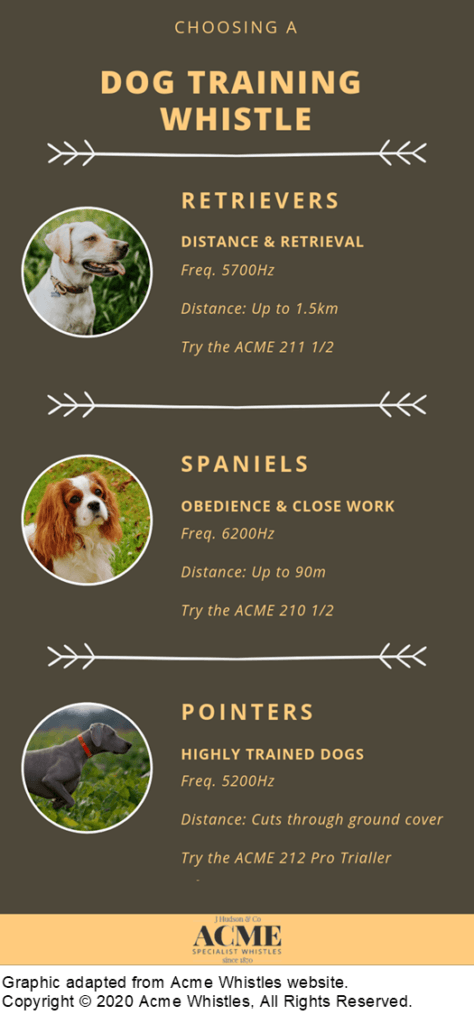
Are you looking for a way to communicate with your dog more effectively, especially from a distance? A dog training whistle might be the perfect tool for you. Unlike a verbal command, a whistle provides a consistent, clear sound that your dog can learn to associate with specific actions. This can be incredibly useful for recall training, discouraging unwanted behaviors, and building a stronger bond with your canine companion. In this guide, we’ll explore what makes a dog training whistle effective and help you find the best one for your needs.
Understanding How Dog Training Whistles Work
Dog training whistles utilize high-frequency sounds that are often inaudible or barely audible to the human ear, but are easily heard by dogs. This unique characteristic makes them ideal for training because the sound is distinct and won’t be easily mimicked by everyday noises. The core principle behind whistle training is classical conditioning. You pair the whistle’s sound with a desirable action or reward, teaching your dog to associate the specific pitch or pattern with a command.
The Science Behind the Sound
Dogs have a much wider hearing range than humans, particularly at higher frequencies. This is why a specialized dog whistle can be so effective. The sound travels further than a human voice and can cut through background noise, making it invaluable for outdoor training or when your dog is far away. Different whistles produce different frequencies, and some are adjustable, allowing you to find a pitch that your dog responds to best. It’s important to remember that a whistle is a communication tool, not a magic wand. Consistent training and positive reinforcement are key to success.
Key Features to Look For in a Dog Training Whistle
When selecting a dog training whistle, consider a few key features to ensure you get the most effective tool for your training regimen. The goal is to find a whistle that is reliable, durable, and produces a sound that your dog readily responds to.
Frequency and Adjustability
One of the most crucial aspects is the whistle’s frequency. Some whistles are designed to emit a silent, high-frequency sound, while others produce a sound audible to both dogs and humans. Adjustable whistles are highly recommended as they allow you to fine-tune the pitch to your dog’s specific hearing sensitivity. This adjustability can be a game-changer, especially if you have a dog that doesn’t respond well to a standard frequency or if you need to train multiple dogs with different sensitivities.
Durability and Material
Your training whistle will likely be used outdoors in various conditions, so durability is essential. Look for whistles made from high-quality materials like stainless steel, aluminum, or sturdy plastic. These materials can withstand drops, weather exposure, and the occasional enthusiastic canine interaction. A well-constructed whistle will last for years, providing a reliable training aid.
Ease of Use and Portability
A good training whistle should be easy to hold and operate, even when you’re in the middle of a training session. Many come with lanyards or keychains, making them convenient to carry. Consider the size and weight – you want something that won’t be a burden on long walks or training outings.
Top Dog Training Whistles on the Market
The market offers a variety of dog training whistles, each with its own set of features. Here are a few highly-regarded options that consistently receive positive feedback from dog trainers and owners alike.
Adjustable High-Frequency Whistles
These are often considered the gold standard for serious trainers. Brands like Acme Whistles and SportDOG offer adjustable models that allow you to experiment with different frequencies. This is particularly useful if you’re unsure of your dog’s optimal hearing range or if you’re training a puppy. The ability to adjust the pitch means you can also train multiple dogs without interference or accidentally calling the wrong dog.
Silent Dog Whistles
For trainers who want to avoid audible noise pollution or train in quiet environments, silent dog whistles are an excellent choice. These emit ultrasonic frequencies that dogs can hear but humans typically cannot. They are effective for maintaining training consistency without disturbing others.
Dual-Tone Whistles
Some whistles offer dual-tone capabilities, allowing you to create different sound patterns. This can be beneficial for teaching more complex commands or distinguishing between different types of cues. For instance, one tone might be for recall, and another for a ‘stay’ command.
How to Effectively Use a Dog Training Whistle
Simply owning a dog training whistle isn’t enough; effective use is paramount. Consistent, positive reinforcement is the key to success.
Introducing the Whistle
Start by associating the whistle’s sound with something your dog already loves – typically, high-value treats. In a quiet environment, blow the whistle with a short, sharp blast. Immediately follow this with a treat and praise. Repeat this process several times over short training sessions. The goal is for your dog to learn that the whistle sound predicts a reward.
Teaching Specific Commands
Once your dog consistently looks forward to the whistle sound, you can begin associating it with specific commands. For recall, start at a short distance. Blow the whistle, and when your dog turns or moves towards you, reward them enthusiastically. Gradually increase the distance and introduce other commands like ‘sit’ or ‘stay’ using distinct whistle patterns or durations. For example, a short blast might mean ‘come,’ while two short blasts could mean ‘sit.’ You can explore options like the dog training whistle app to experiment with different sounds if you don’t have a physical whistle yet.
Consistency is Key
Whistle training requires consistency. Use the whistle exclusively for the commands you’ve trained. Avoid using it for general attention or when you’re frustrated, as this can dilute its effectiveness. Always follow the whistle command with a clear, positive outcome for your dog, whether it’s a treat, praise, or a favorite toy. This reinforces the association and builds trust. If you are looking for advanced techniques, learning how to train your dog off leash can be greatly enhanced with whistle commands.
Training Dog to Come with a Whistle
Recall is one of the most critical commands, and a whistle can be incredibly effective for teaching training dog to come.
- Start Close: Begin in a distraction-free area. Get your dog’s attention, blow a short, clear whistle blast, and immediately call their name in an excited tone.
- Reward: When they come to you, shower them with praise and high-value treats. Make it the best thing that happens when they hear that whistle.
- Increase Distance: Gradually increase the distance between you and your dog. Continue to use the whistle and reward generously for a successful recall.
- Add Distractions: As your dog becomes more reliable, introduce mild distractions. Always ensure you have a high-value reward ready to encourage them to focus on you despite the distractions.
- Never Punish: If your dog doesn’t come, do not scold them when they eventually reach you. This will only create a negative association with the whistle and coming to you. Instead, try to make your recall more enticing or go back to shorter distances.
Troubleshooting Common Whistle Training Issues
Even with the best intentions, you might encounter challenges. Here’s how to address some common problems:
My dog doesn’t respond to the whistle.
- Check the frequency: Is the whistle audible to you? If it’s supposed to be silent, your dog might not be hearing it. Try a different frequency or an adjustable whistle.
- Association: Has your dog clearly associated the whistle with positive rewards? Ensure you’re using high-value treats and consistent, enthusiastic praise.
- Distractions: Are there too many distractions in the training environment? Start in a quieter place.
- Hearing Issues: In rare cases, older dogs or dogs with certain conditions might have hearing loss. Consult your veterinarian if you suspect this.
My dog only responds when I have treats.
- Fade the treats: Once the association is strong, begin to fade the treats. Start by rewarding every other recall, then every third, and so on. Mix in praise, petting, and playtime as rewards. The whistle should become a cue for attention and action, not just for treats.
I accidentally called my dog when I didn’t mean to.
- Don’t repeat: If you blow the whistle by accident, don’t repeat it. If your dog comes, reward them as usual, but try to be more mindful of not blowing it unintentionally.
The Best Dog Training Whistle: Making Your Choice
Choosing the Best Dog Training Whistle depends on your specific needs and your dog’s responsiveness. For versatility and effectiveness across different dogs and situations, an adjustable high-frequency whistle is often the top recommendation. They offer the most control and can be tailored to your dog’s unique hearing.
If you need absolute quiet or are training in close quarters, a silent dog whistle is a practical solution. Remember that even with the “silent” whistles, some dogs might react differently, so it’s always wise to test it out.
When considering options like the best dog training vest, remember that equipment is only part of the equation. The most crucial elements are your consistency, patience, and positive reinforcement methods. Avoid tools like dog shock training collars as they can create fear and anxiety, undermining the trust you’re trying to build.
Frequently Asked Questions About Dog Training Whistles
Can any dog learn to respond to a whistle?
Yes, most dogs can learn to respond to a whistle with consistent training. Their natural hearing sensitivity makes them well-suited for this type of communication.
How long does it take to train a dog with a whistle?
This varies greatly depending on the dog, the trainer’s consistency, and the complexity of the command. Basic recall can take a few weeks of regular practice, while more advanced commands may take longer.
Are dog whistles harmful to dogs?
High-quality dog whistles are not harmful when used correctly. They operate within frequencies dogs can hear and are used as a communication tool, not a punishment device. Avoid excessively loud or prolonged blasts.
Can I use the same whistle for multiple dogs?
Yes, you can use the same whistle, but ensure each dog is trained individually on their specific commands or patterns. Adjustable whistles are particularly useful here, allowing you to fine-tune frequencies if dogs have different hearing sensitivities.
Conclusion: Elevate Your Dog Training
A dog training whistle is a powerful tool that can significantly enhance your communication with your canine friend. By understanding how they work, choosing the right whistle, and applying consistent, positive training methods, you can unlock a new level of understanding and control. Whether you’re working on basic obedience or advanced training, a well-chosen whistle can be your secret weapon for a well-behaved and happy dog. Happy training!
