
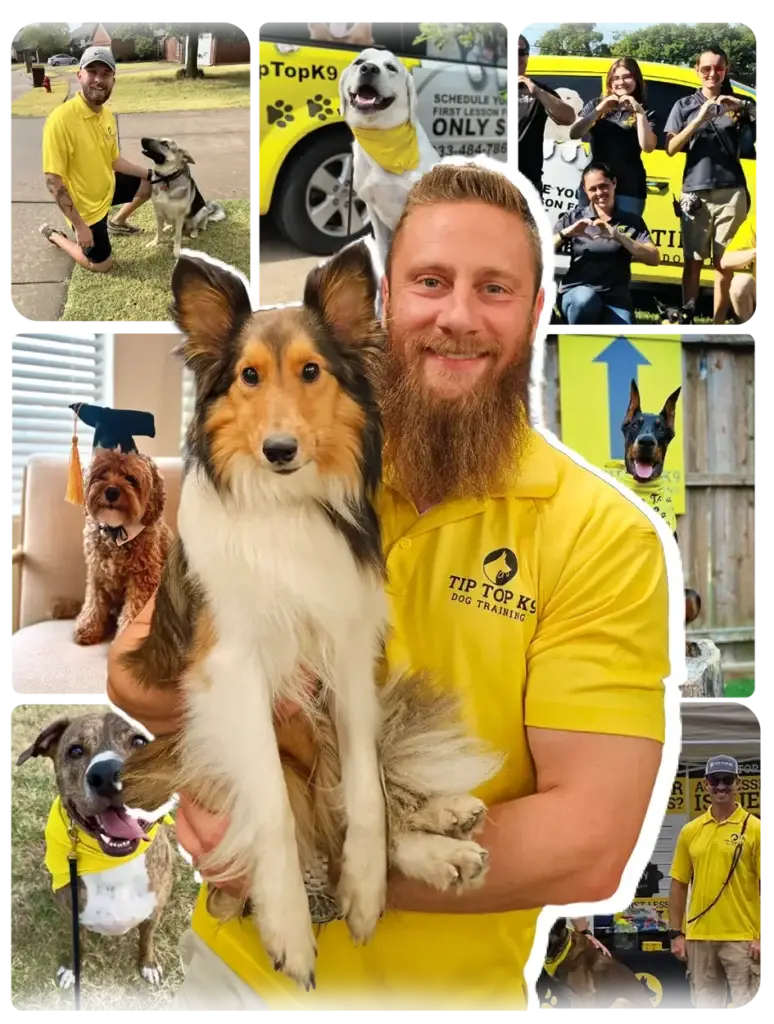
Bringing a new dog into your life is an incredibly rewarding experience, but it also comes with responsibilities. One of the most crucial aspects of responsible dog ownership is training. Whether you’re welcoming a playful puppy or a mature rescue, professional guidance can make all the difference in building a well-behaved companion. If you’re in the Dallas, Texas area and searching for the best dog training, you’re in luck! Dallas boasts a vibrant community of skilled trainers and facilities dedicated to helping you and your furry friend forge a strong, positive bond. This guide will help you navigate the options and find the ideal fit for your needs.
Why Invest in Professional Dog Training in Dallas?
While many owners attempt to train their dogs using online resources or sheer willpower, professional training offers distinct advantages. Certified trainers possess a deep understanding of canine behavior, learning theory, and effective, humane training techniques. They can identify and address specific behavioral issues, from basic leash manners to more complex challenges like separation anxiety or aggression. Moreover, a good trainer can equip you with the skills and confidence to continue the training process at home, fostering a deeper connection with your dog. In a bustling city like Dallas, with its diverse dog-loving population and numerous dog parks, a well-trained dog is not only a pleasure to own but also a responsible member of the community.
Understanding Different Training Philosophies
Before diving into specific trainers, it’s helpful to understand the different training philosophies you might encounter. The most widely recommended and effective approach today is positive reinforcement training.
Positive Reinforcement: This method focuses on rewarding desired behaviors with treats, praise, or toys. It builds trust and makes training a fun, engaging experience for both dog and owner. Trainers using this approach avoid harsh corrections, understanding that they can create fear and anxiety in dogs.
Balanced Training: Some trainers use a combination of positive reinforcement and “corrections” (e.g., leash pops, physical guidance). While some proponents argue this offers a broader toolkit, it’s essential to ensure corrections are used humanely and judiciously, without causing distress. Always inquire about a trainer’s specific methods and be comfortable with their approach.
Other Methods: You may also encounter methods that rely heavily on dominance theory or aversive tools. It’s generally advisable to steer clear of trainers who promote outdated or harsh techniques, as they can be detrimental to your dog’s well-being and your relationship.
Key Factors When Choosing a Dog Trainer in Dallas
With so many options available, how do you choose the best dog training classes Dallas has to offer? Consider these factors:
Trainer Qualifications and Experience
- Certifications: Look for trainers certified by reputable organizations such as the Certification Council for Professional Dog Trainers (CCPDT), the Karen Pryor Academy (KPA), or the Victoria Stilwell Academy (VSA). These certifications indicate a commitment to ongoing education and ethical standards.
- Experience: How long have they been training? Do they have experience with your dog’s breed or specific behavioral issues?
- Reputation: Read online reviews on platforms like Google, Yelp, and specialized dog training directories. Look for consistent positive feedback regarding the trainer’s effectiveness, communication style, and the well-being of the dogs they train.
Training Methods and Philosophy
As discussed, ensure the trainer’s philosophy aligns with yours. A trainer who prioritizes positive, force-free methods is generally the safest bet for building a trusting relationship with your dog. Don’t hesitate to ask them to explain their techniques in detail.
Services Offered
Dog training facilities in Dallas offer a wide range of services:
- Puppy Socialization Classes: Crucial for young dogs to learn appropriate social skills with other pups and people.
- Basic Obedience: Covers fundamental commands like sit, stay, come, and loose-leash walking.
- Advanced Obedience: For dogs who have mastered the basics and are ready for more complex tasks.
- Behavior Modification: For addressing specific issues like reactivity, anxiety, or resource guarding.
- Private Lessons: One-on-one sessions tailored to your dog’s unique needs and your schedule. These are often ideal for addressing specific behavioral problems.
- Board and Train Programs: Your dog stays with the trainer for a set period to receive intensive training. This can be effective but requires careful selection of the facility.
- Specialty Classes: Agility, nose work, trick training, and more, offering fun ways to engage your dog mentally and physically.
Facility Environment
If you’re considering group classes or a board-and-train program, visit the facility if possible. Is it clean, safe, and well-organized? Are the dogs (and clients) happy and engaged? A positive and stimulating environment is key to successful training.
Top Dog Training Options in the Dallas Area
Dallas and its surrounding suburbs offer a plethora of excellent training options. While this is not exhaustive, here are a few highly regarded places that often come up when searching for “dog training Grapevine TX” or broader Dallas services:
The Canine Scholar: Known for its positive reinforcement methods and comprehensive approach to behavior and obedience. They offer a variety of classes and private consultations.
Doggydoption of Texas: While primarily a rescue, they often partner with trainers or offer their own programs focused on helping adopted dogs integrate into their new homes. This can be a great option if you’ve recently adopted.
Various Independent Trainers: Many highly skilled, independent trainers operate throughout the Dallas-Fort Worth metroplex. These individuals often specialize in specific areas like puppy training, behavior modification, or specific sports like agility. Searching for trainers who emphasize positive reinforcement and have strong client testimonials is a good starting point.
What to Expect in a Training Session
A typical training session, whether private or group, will involve:
- Assessment: The trainer will often start by observing your dog’s behavior and discussing your goals and concerns.
- Instruction: They will demonstrate specific techniques and exercises.
- Practice: You’ll have the opportunity to practice with your dog under the trainer’s guidance.
- Homework: You’ll receive assignments to practice at home between sessions to reinforce learning.
- Q&A: Ample time will be dedicated to answering your questions.
Making the Most of Your Training Journey
Choosing the right trainer is only half the battle. Your commitment and consistency are paramount to success.
- Be Patient: Every dog learns at its own pace. Celebrate small victories and don’t get discouraged by setbacks.
- Be Consistent: Use the cues and methods your trainer teaches you consistently. Inconsistency can confuse your dog.
- Practice Regularly: Short, frequent training sessions (5-10 minutes, several times a day) are often more effective than one long session.
- Advocate for Your Dog: If something doesn’t feel right, or if your dog seems overly stressed, speak to your trainer. A good professional will listen and adjust.
- Have Fun! Training should strengthen your bond with your dog. Keep sessions positive and rewarding for both of you.
Investing in professional dog training in Dallas is an investment in a happier, healthier relationship with your canine companion. By carefully considering your options and committing to the process, you’ll be well on your way to enjoying a well-behaved dog who brings even more joy into your life.
