
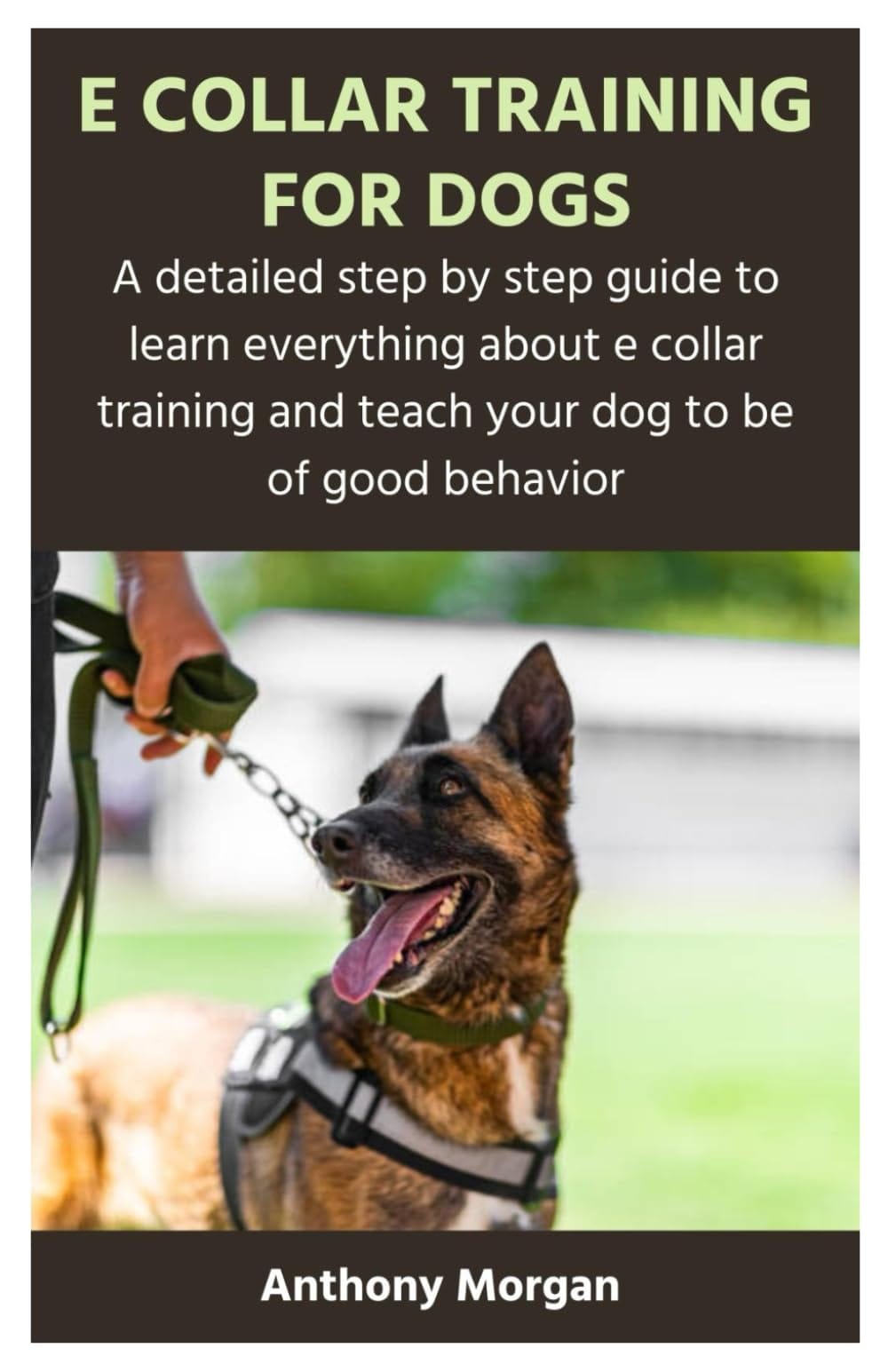
Finding the right tools to communicate effectively with your dog is a cornerstone of successful training. Among the myriad of options available, the Best Dog Training Collars stand out as a popular but often misunderstood category of training aids. When used correctly, these collars can be incredibly effective for reinforcing commands, correcting unwanted behaviors, and ensuring your dog’s safety. However, the sheer variety can be overwhelming, leaving many owners wondering where to even begin.
This guide is here to demystify the world of training collars. We’ll explore the different types available, discuss how to choose the right one for your specific needs, and emphasize the importance of humane and positive training methods. The goal isn’t to rely on a tool but to use it as a bridge to better communication and a stronger bond with your furry best friend. Similar to how you might select specific 2 dog training collars for different training scenarios, understanding the nuances of each type is key to success.
What Are Dog Training Collars and How Do They Work?
At its core, a dog training collar is a device used to send a signal to a dog to discourage negative behaviors or reinforce positive ones. These signals, or stimulations, can range from a simple sound to a vibration or a static pulse. It’s crucial to view these collars not as a punishment device but as a communication tool that gets your dog’s attention, redirecting their focus back to you and the command at hand.
The effectiveness of any training collar is directly tied to the principles of operant conditioning. The stimulation should be paired with a verbal command, so the dog learns to associate the command with the desired action to avoid the unpleasant sensation. Consistency, timing, and positive reinforcement (like treats and praise) are essential components of this process.
Understanding the Different Types of Training Collars
The market is filled with various types of collars, each designed for different temperaments and training goals. Understanding their functions is the first step in making an informed decision.
Electronic Collars (E-Collars)
Often referred to as “shock collars,” modern e-collars are sophisticated devices that offer a range of stimulation levels, including tone, vibration, and static correction. The idea is to use the lowest possible level of static that gets your dog’s attention, not to cause pain. They are most effective for off-leash training at a distance, such as recall or specific hunting commands. Many professional trainers use them for precise, immediate feedback when voice commands aren’t practical. When considering the best dog training collar for hunting, features like range and durability become paramount.
Vibration Collars
For owners who are uncomfortable with static stimulation, vibration collars offer a great alternative. These collars use a buzzing sensation, similar to a silent phone alert, to interrupt a dog’s behavior. They are excellent for sensitive dogs and can be very effective for teaching basic obedience and curbing nuisance barking. The vibration is harmless and serves as a clear, tactile cue to redirect the dog’s focus.
Ultrasonic and Spray Collars
Ultrasonic collars emit a high-pitched sound that is annoying to dogs but inaudible to most humans. Spray collars release a small, harmless puff of citronella or unscented spray near the dog’s nose. Both types work by creating an unpleasant but harmless interruption to behaviors like excessive barking. Their effectiveness can vary, as some dogs may become desensitized to the stimulus over time.
How to Choose the Best Dog Training Collar
Selecting the right collar involves more than just picking one off the shelf. It requires a thoughtful assessment of your dog’s unique personality and your training objectives.
Consider Your Dog’s Size and Temperament
A timid, 10-pound terrier will have vastly different needs than a bold, 90-pound Labrador. The collar’s weight, size, and the intensity of its stimulation must be appropriate for your dog. A collar that’s too strong can create fear and anxiety, while one that’s too weak will be ineffective. For larger, more stubborn breeds, you’ll want to look for the best dog training collar for large dogs which offers a wider range of correction levels and a durable build.
Define Your Training Goals
What specific behaviors are you trying to address? If your primary issue is your dog pulling on the leash, you might explore specialized dog training collars for walking that are designed to discourage lunging. For off-leash reliability in a large field, an e-collar with a long-range remote is ideal. For nuisance barking in an apartment, a vibration or spray collar might be the perfect solution. Clearly identifying your goals will narrow down your options significantly.
Key Features to Look For
- Adjustable Intensity Levels: This is non-negotiable. You must be able to control the stimulation and find the lowest possible level that works for your dog.
- Range: Consider how far your dog will be from you during training. Basic obedience in the backyard requires less range than hiking or field work.
- Waterproofing: If your dog loves to swim or you live in a rainy climate, a waterproof or water-resistant collar and remote are essential.
- Battery Life: Look for models with rechargeable, long-lasting batteries to ensure the collar is always ready when you need it.
- Safety Features: Some collars have an automatic shut-off feature to prevent over-correction or a lock to prevent accidental stimulation.
As renowned canine behaviorist Dr. Evelyn Reed states, “A training collar is a line of communication, not a remote control. The goal is to use it so effectively that, eventually, you don’t need it at all. It builds the foundation for your voice to become the most powerful tool you have.”
The Golden Rules of Using a Training Collar Safely
Using a training collar requires responsibility and a commitment to your dog’s well-being. Misuse can lead to fear, anxiety, and a breakdown of the trust between you and your pet.
1. Read the Manual Thoroughly
Every collar is different. Before you even put it on your dog, read the manufacturer’s instructions from front to back. Understand how to operate the remote, change the settings, and properly fit the collar.
2. Ensure a Proper Fit
The collar must be snug enough for the contact points to touch the skin, but not so tight that it causes chafing or discomfort. You should be able to fit two fingers between the collar strap and your dog’s neck. Never leave a training collar on for more than 8-10 hours a day to prevent skin irritation.
3. Start with the Lowest Setting
Always begin training at the lowest possible stimulation level (tone or vibration first). Watch your dog for a subtle reaction, like an ear twitch or a turn of the head. That’s all the response you need. Using a level that is too high will only frighten and confuse your dog.
4. Pair Stimulation with a Command
The stimulation should never come out of the blue. Give a verbal command (“Come,” “Leave it”) first. If the dog does not respond, apply the brief stimulation while repeating the command. The moment they comply, release the stimulation and offer enthusiastic praise or a treat. This teaches them how to “turn off” the sensation by performing the correct action. If you’re ready to explore your options, you can buy dog training collars from reputable retailers who can offer guidance.
Frequently Asked Questions (FAQ)
Are dog training collars humane?
When used correctly and responsibly, modern training collars are considered humane by many leading trainers. The key is to use the lowest effective stimulation level and pair it with positive reinforcement. They are communication tools, not punishment devices.
At what age can I start using a training collar on my puppy?
Most experts recommend waiting until a puppy is at least 6 months old. They should have a solid foundation of basic obedience commands learned through positive reinforcement before a training collar is introduced as a tool for refinement and off-leash work.
Can a training collar make my dog aggressive?
Misuse of a training collar, especially using a high setting as punishment, can lead to fear, anxiety, and redirected aggression. This is why it is critical to follow a proper introduction and training protocol, ideally under the guidance of a professional.
How long does it take to see results with a training collar?
This varies greatly depending on the dog’s temperament, the specific behavior, and the consistency of the training. Some dogs learn very quickly, while others may take several weeks. The goal is gradual progress, not instant fixes.
Do I need to use the training collar forever?
The ultimate goal is to fade out the use of the collar. Once your dog reliably responds to your verbal commands in various environments, the collar is no longer necessary for that skill. It becomes a tool for teaching, not a permanent accessory.
Conclusion: A Tool for a Stronger Bond
Choosing the best dog training collars is a journey of understanding your dog and your shared goals. These tools are not a shortcut to a well-behaved dog but a means to enhance communication, build reliability, and strengthen your bond. By focusing on humane practices, consistency, and positive reinforcement, a training collar can help you and your dog understand each other better than ever before. It paves the way for more freedom, more adventures, and a more harmonious life together, built on a foundation of clear communication and mutual trust.
