
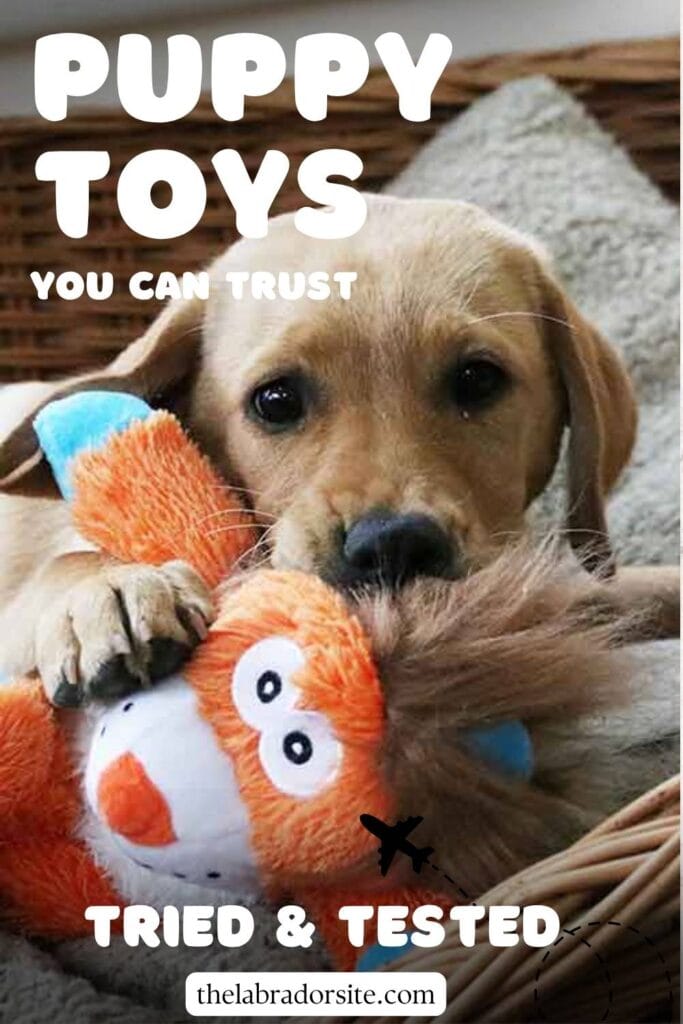
Welcoming a puppy into your home is an exciting time, but it also comes with the challenge of managing their natural chewing behaviors, especially during the teething phases. Around three weeks of age, puppies begin to teether, and this process continues as their milk teeth fall out and are replaced by permanent ones by six to seven months. To help alleviate their discomfort and redirect their chewing instincts away from your furniture and hands, providing the right toys is crucial. This guide, drawing on insights from veterinary professionals, will help you select the best chew toys for your teething puppy.
Toys to Approach with Caution
Veterinary dental experts generally advise against allowing puppies to chew on very hard objects. This includes items made of nylon, bones, and antlers, as these can potentially damage delicate puppy teeth and gums. A good rule of thumb is to avoid toys that are rigid and do not bend. Additionally, it’s wise to steer clear of toys that resemble household items you don’t want your puppy to chew, such as shoes, to prevent confusion.
When choosing toys, be mindful of features that could pose a risk:
- Long strings and ribbons: These can be a choking hazard or cause internal blockages if swallowed.
- Squeakers: While fun, the small parts can be easily removed and ingested.
- Foam stuffing: This can be messy and also a choking hazard.
- Sharp angles or corners: These can injure a puppy’s mouth.
It is also vital to ensure that any toy is larger than your puppy’s mouth to minimize the risk of them swallowing it whole.
Selecting Safe and Soothing Chew Toys
While no toy can be guaranteed 100% safe, as dogs will chew on almost anything, choosing the right type of toy can significantly mitigate risks. Your veterinarian can offer recommendations tailored to your puppy’s specific breed and size. Regardless of the toy chosen, continuous supervision is essential. Regularly inspect toys for signs of wear and tear, and discard any that appear damaged or past their prime.
Chewing is a natural and necessary behavior for puppies. It helps to soothe their aching gums and teaches them the difference between appropriate chew items and household objects.
Rope Toys: A Classic Choice
When opting for rope toys, prioritize those made from high-quality, durable rope. Lower-quality ropes can unravel, and your puppy may ingest the fibers, leading to potential digestive issues. Investing in top-quality products ensures both safety and longevity.
Durable Rubber Toys: The Teething Favorite
Durable rubber toys are a popular choice for teething puppies. The ideal consistency is firm but with a slight give. You can test this by pressing your fingernail into the toy; if you can leave an indent, it likely has the right flexibility.
Frozen Delights and Teething Treats
Toys designed to be frozen can provide significant relief for sore gums. Many such toys can be filled with treats and then frozen. Additionally, specially formulated teething treats are available for puppies. For a budget-friendly option, consider tying a wet washcloth into a knot and freezing it, or offering ice cubes (though consult your vet before giving ice cubes).
Some highly-rated toys for teething puppies include:
- KONG Puppy Toy
- Nylabone Puppy Chew
- Apasiri Chew for Aggressive Chewers
- Nylabone Puppy Starter Kit
- Benebone Wishbone
- CHIWAVA Standing Stick Animal Chews
- Benebone Zaggler
- Nylabone Chill & Chew Puppy
- Petstages Mini Bone Tug
- ZHEBU Dog Chew
- Nylabone Wishbone Chew
Beyond Toys: Additional Dental Care
Introducing your puppy to a toothbrush and dog-specific toothpaste early on is highly beneficial. This not only promotes good dental hygiene, preventing common ailments like gum disease, but also helps you safely retrieve objects from their mouth if necessary. Always use brushes and toothpaste formulated for dogs, and seek a demonstration from your vet on the proper brushing technique. Introduce this routine gradually, allowing your puppy to explore the toothbrush and toothpaste with curiosity before attempting to brush.
Will Chewing Ever Stop?
While the intensity of chewing behaviors often lessens around 18 months of age, most dogs continue to chew throughout their lives as a normal way to explore their environment and express themselves. If chewing becomes excessive or aggressive, it is advisable to consult your veterinarian for behavioral guidance.
Expert Advice for Your Puppy’s Chewing Needs
Selecting the right toys for your teething puppy, with consideration for their breed and size, is essential for their well-being and your peace of mind. Your attentive supervision during playtime is paramount to ensuring their safety. Always discard worn-out toys to prevent your puppy from ingesting small pieces, which can lead to serious health issues and costly veterinary care.
If you have further questions or need personalized recommendations for the best puppy teething toys, please don’t hesitate to consult our veterinarians at your puppy’s next examination. You can schedule an appointment by calling our animal hospital at (732) 671-3110.
