
For many prospective pet parents, the dream of sharing a home with a loving canine companion is often overshadowed by the reality of pet allergies. Symptoms like sneezing, itchy eyes, and skin rashes can turn what should be a joyful experience into a constant struggle. While no dog is truly 100% “hypoallergenic” or entirely free of allergens, many breeds are known for producing less dander and shedding significantly less hair, making them excellent choices for individuals with sensitivities or those simply seeking a cleaner home environment.
This guide from Dog Care Story delves into the world of low-shedding and less allergenic dog breeds, exploring what makes them suitable for homes where allergies are a concern and providing an in-depth look at some of the best dogs to have that don’t shed. We’ll also equip you with practical tips for managing pet allergies, ensuring that you can enjoy the boundless love and companionship a dog brings without the unwelcome allergic reactions.
Understanding Non-Shedding and Hypoallergenic Dogs
The terms “non-shedding” and “hypoallergenic” are often used interchangeably, but it’s important to understand the nuance. Dogs don’t cause allergies directly through their hair; rather, allergens are found in their dander (flakes of dead skin), saliva, and urine. These microscopic particles contain proteins that can trigger an immune response in sensitive individuals.
Dogs with coats that shed less frequently tend to release fewer of these allergen-carrying hairs and dander into the environment. This is why low-shedding breeds are often referred to as “hypoallergenic” – they simply reduce the amount of allergens circulating in your home, making them a better fit for people with mild to moderate allergies. However, it’s crucial to remember that even a non-shedding dog still produces dander, saliva, and urine, so complete freedom from allergens is not possible. For those looking for smaller companions that fit this description, exploring dogs that dont shed and are small can offer a great starting point.
The secret to a “hypoallergenic” coat often lies in its texture: many of these breeds have hair that grows continuously, much like human hair, rather than having a growth cycle that includes a heavy shedding phase. This unique coat type traps loose hair and dander within its strands, preventing it from spreading around the house. Regular grooming then becomes essential to remove these trapped allergens and maintain the coat’s health.
Top Dog Breeds That Don’t Shed
The diversity among non-shedding breeds is remarkable, offering options in various sizes, temperaments, and activity levels. Whether you live in an apartment or a spacious house, are seeking a playful companion or a calm lap dog, there’s likely a low-shedding breed that fits your lifestyle.
Small Dogs That Don’t Shed
Small non-shedding breeds are often perfect for apartment living or families seeking a compact companion.
1. Poodle (Toy & Miniature)
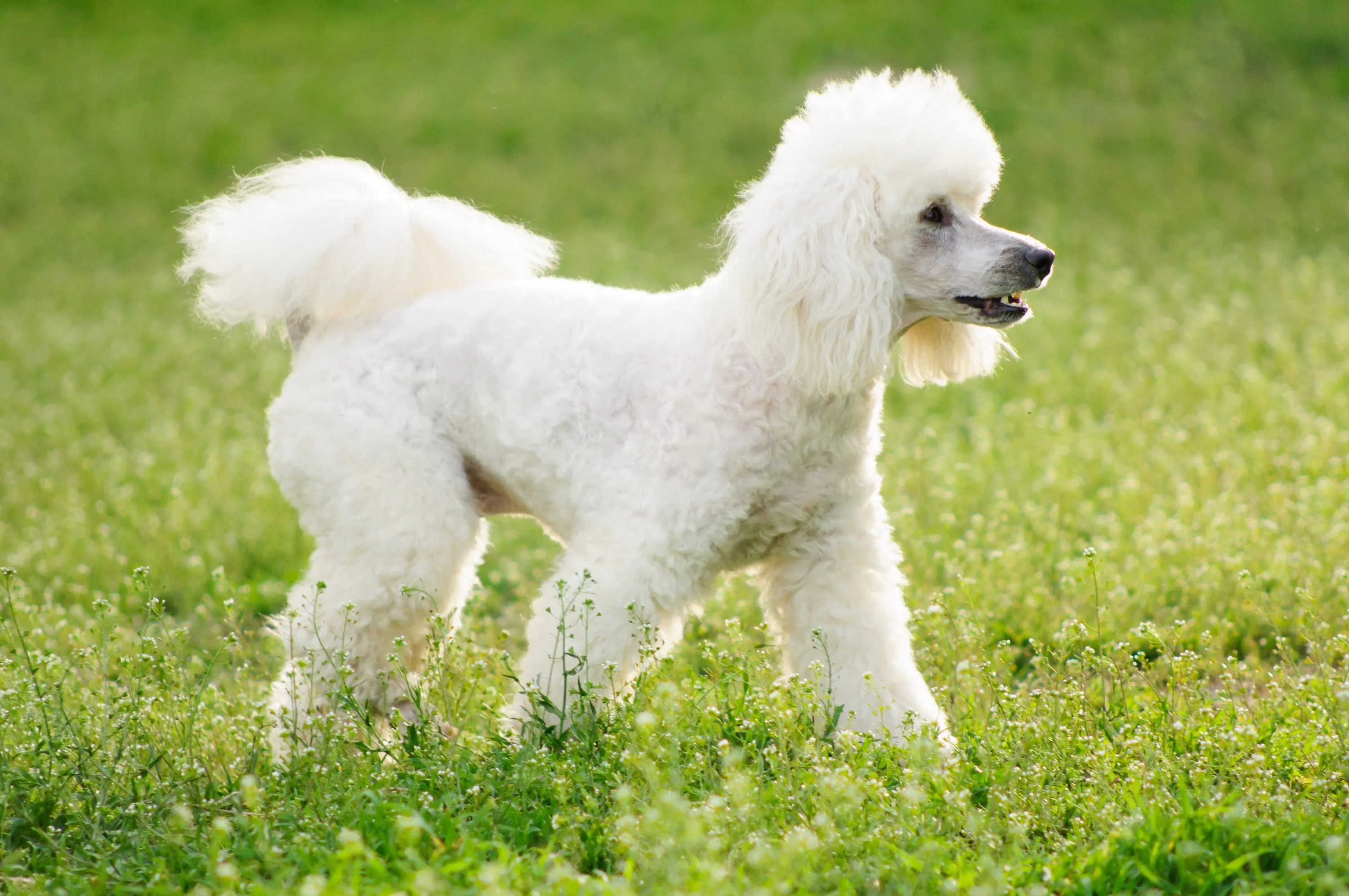 Miniature Poodle walking through green grassThe Toy and Miniature Poodles are renowned for their highly intelligent minds and virtually non-shedding curly coats. Originally bred for hunting, these smaller versions retain the Poodle’s active and alert nature. Their distinctive curls require consistent grooming to prevent matting, making regular brushing and professional trims essential. Poodles are highly trainable and make wonderful, affectionate family members.
2. Yorkshire Terrier
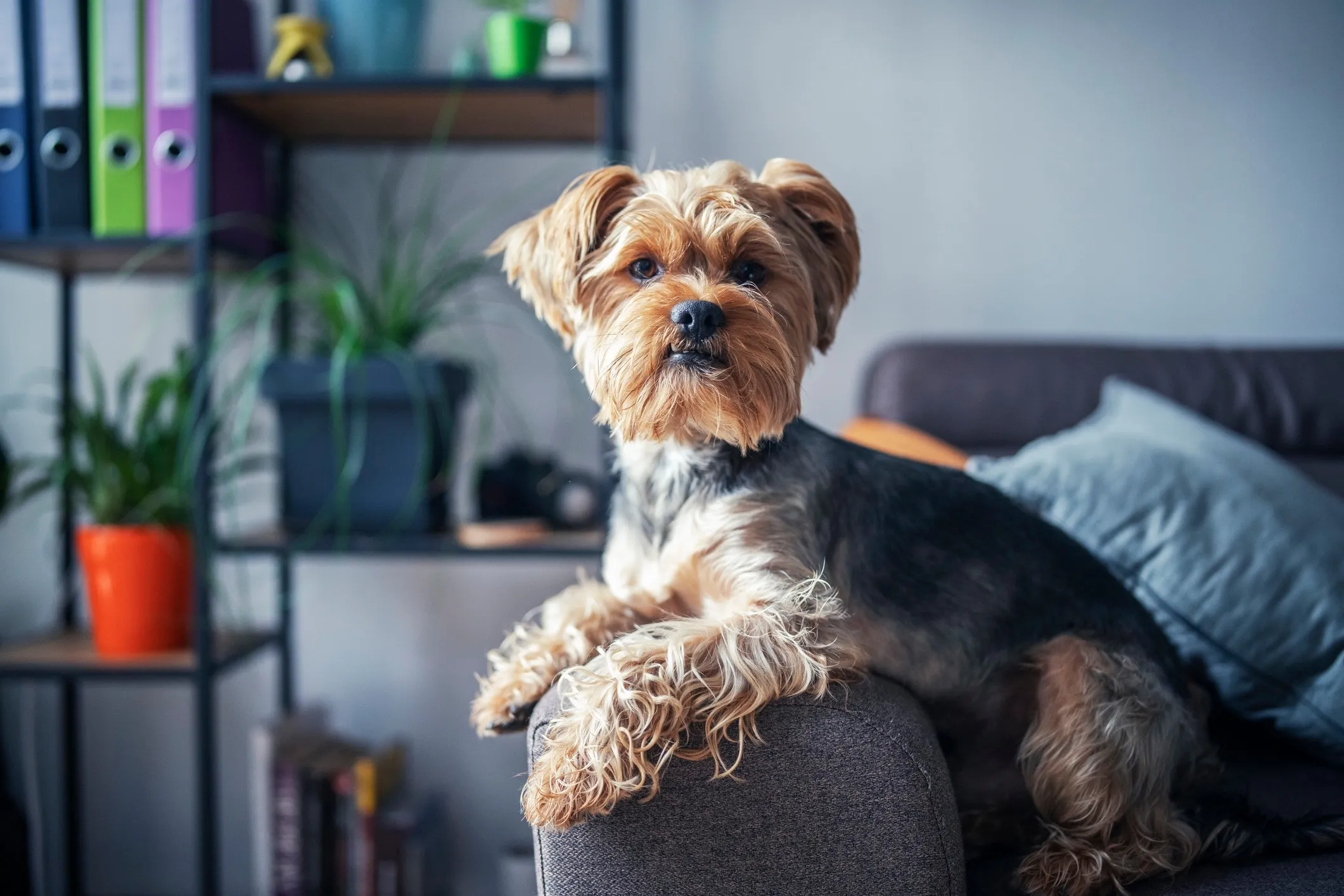 Blue and tan Yorkie lounging on an armchairYorkies are charismatic little dogs known for their luxurious, silky coats that resemble human hair and shed minimally. Despite their petite size, they possess a spirited and confident personality. Yorkshire Terriers adapt well to various living situations, including urban apartments, provided they receive ample attention and daily exercise. Regular brushing is key to keeping their long coats tangle-free.
3. Shih Tzu
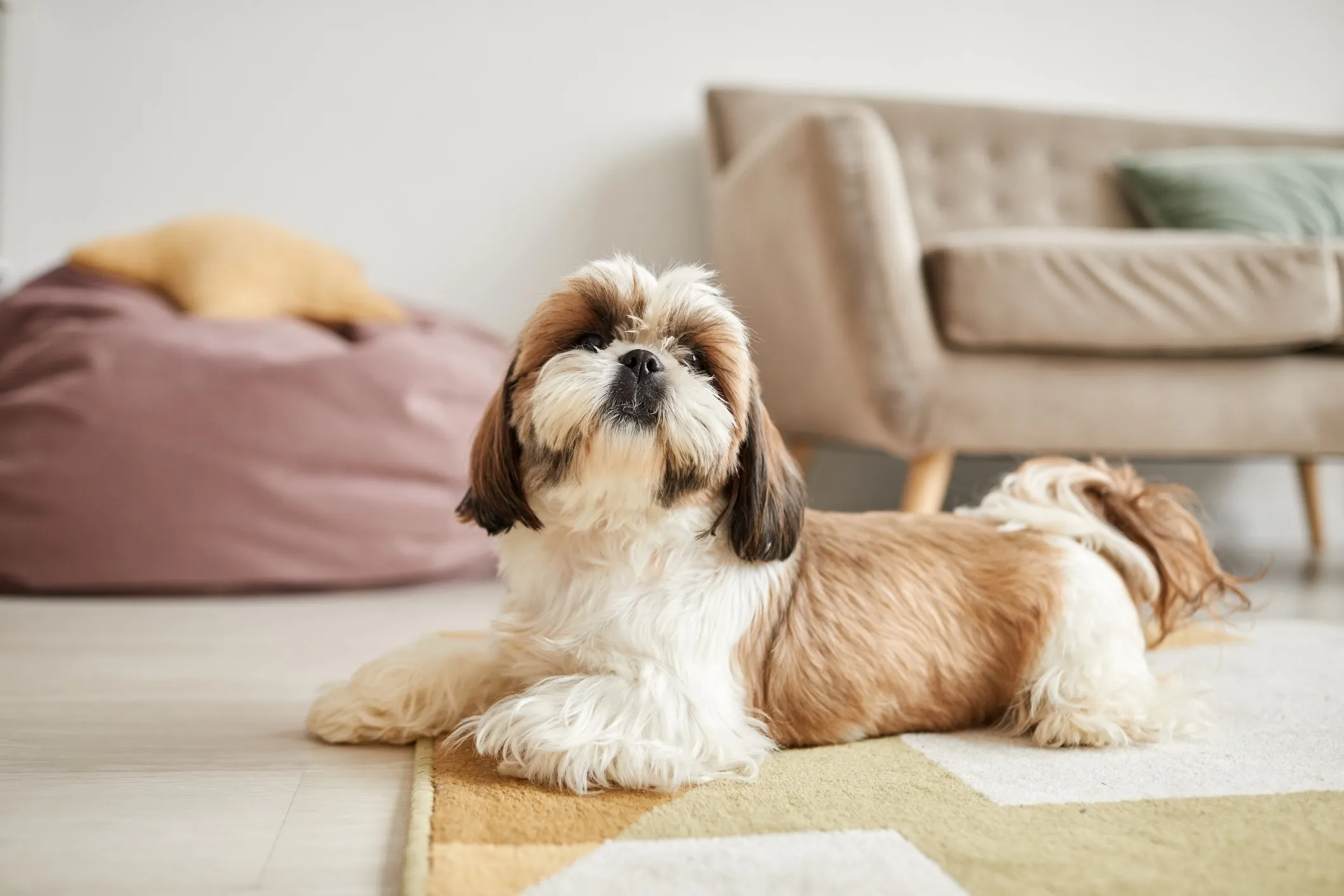 Brown and white Shih Tzu lying on a living room floorAn ancient companion breed from Tibetan monasteries, the Shih Tzu boasts a thick, flowing double coat that sheds very little. They are cherished for their friendly and outgoing temperament, making them ideal lap dogs. Due to their brachycephalic (flat) face, Shih Tzus can be prone to respiratory issues and overheating, so care must be taken in hot weather. Daily brushing and regular grooming are necessary to manage their beautiful coat.
4. Miniature Schnauzer
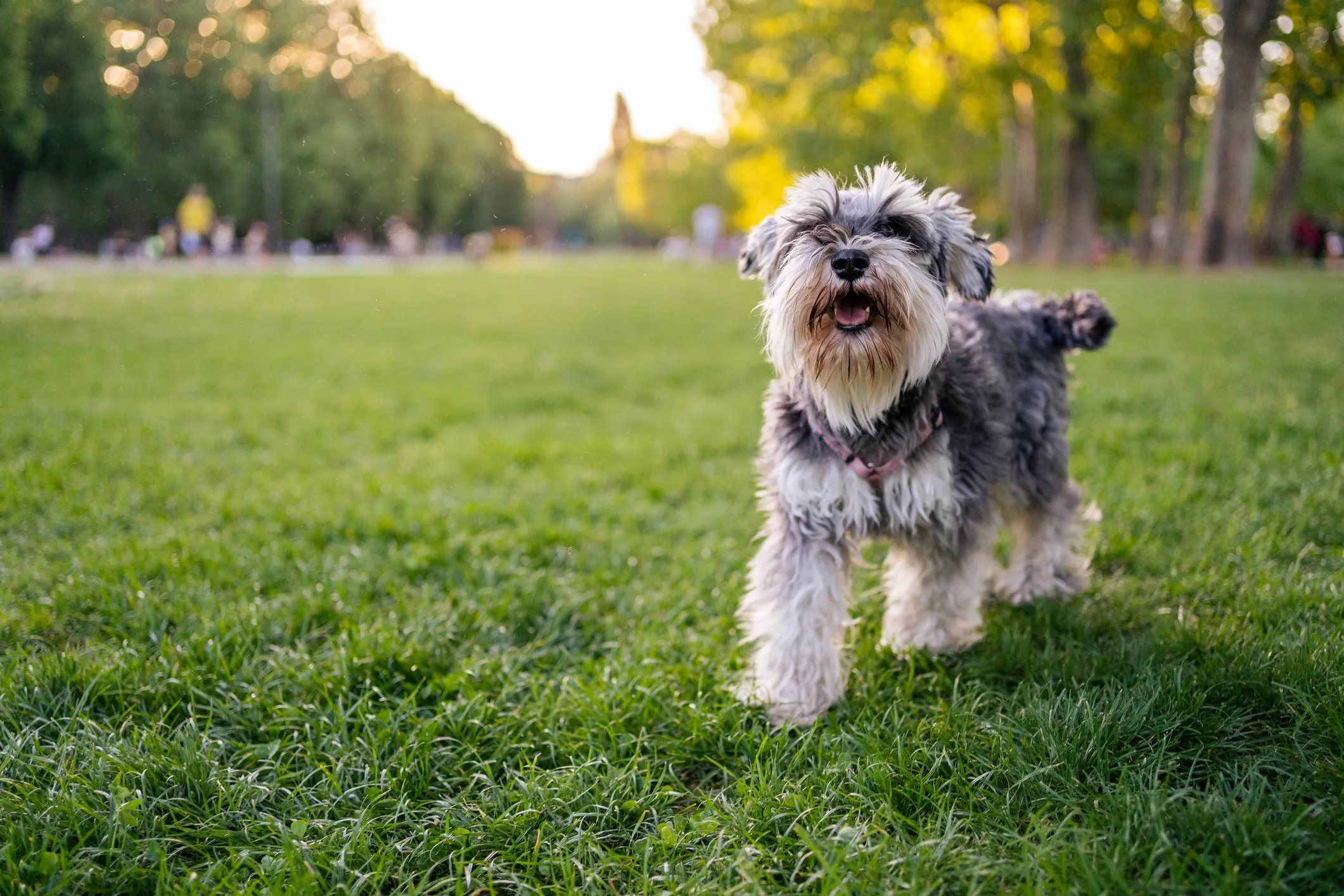 Salt and pepper Miniature Schnauzer wearing a pink harness in a parkThe Miniature Schnauzer is the smallest of the three Schnauzer varieties, recognized by its distinctive wiry coat, bushy eyebrows, and beard. These intelligent and sturdy dogs are low-shedding and fit well into many homes, from city apartments to suburban houses. They require daily exercise and regular hand-stripping or clipping to maintain their coat and characteristic appearance.
5. Bichon Frise
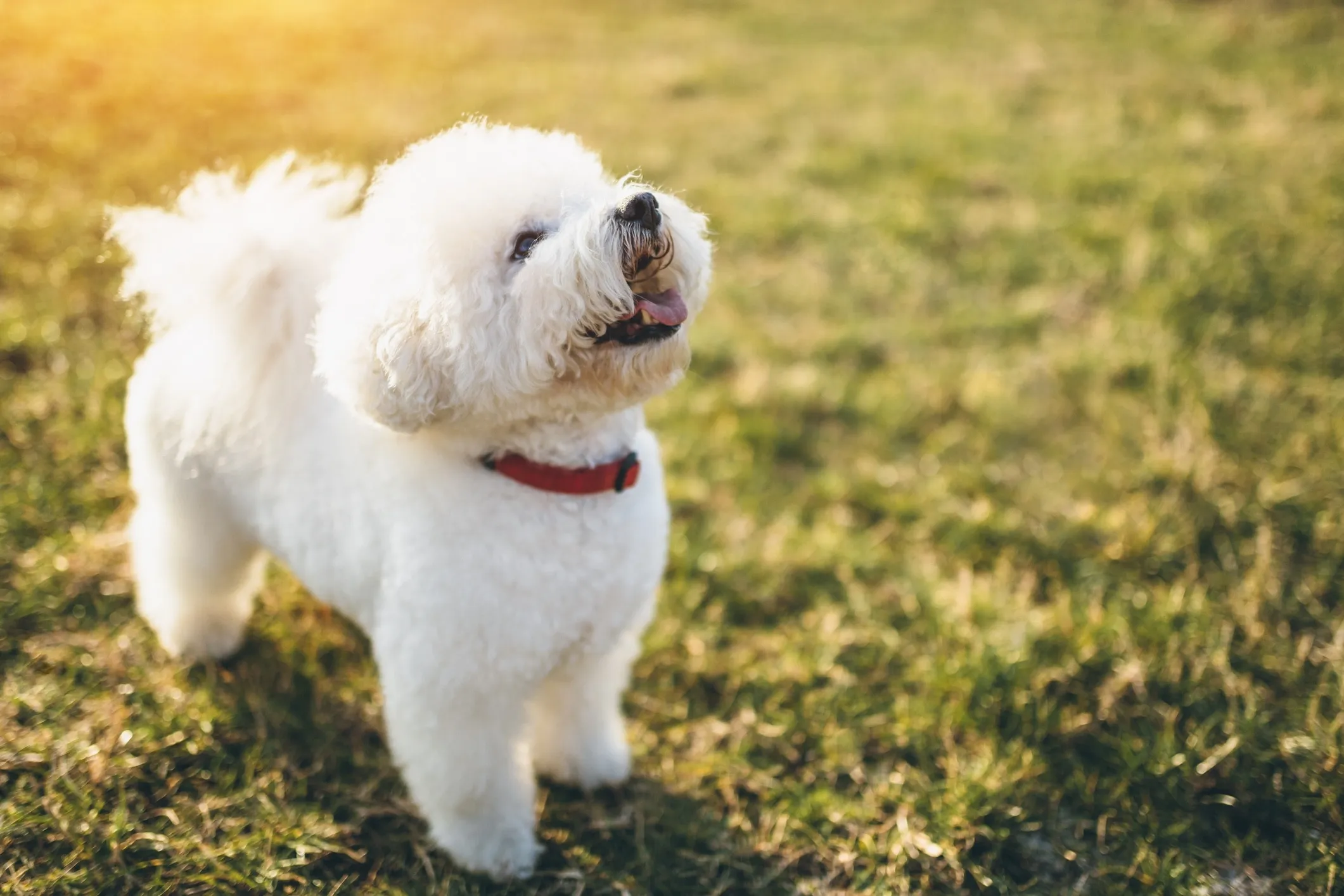 White Bichon Frise dog looking up in the grassWith their playful disposition and cloud-like curly white coats, Bichon Frise dogs are affectionate and cheerful companions. Their low-shedding coat makes them popular among allergy sufferers. Bichons are highly intelligent and eager to please, responding well to positive reinforcement training. Daily brushing is crucial to prevent their soft curls from matting.
6. Chinese Crested
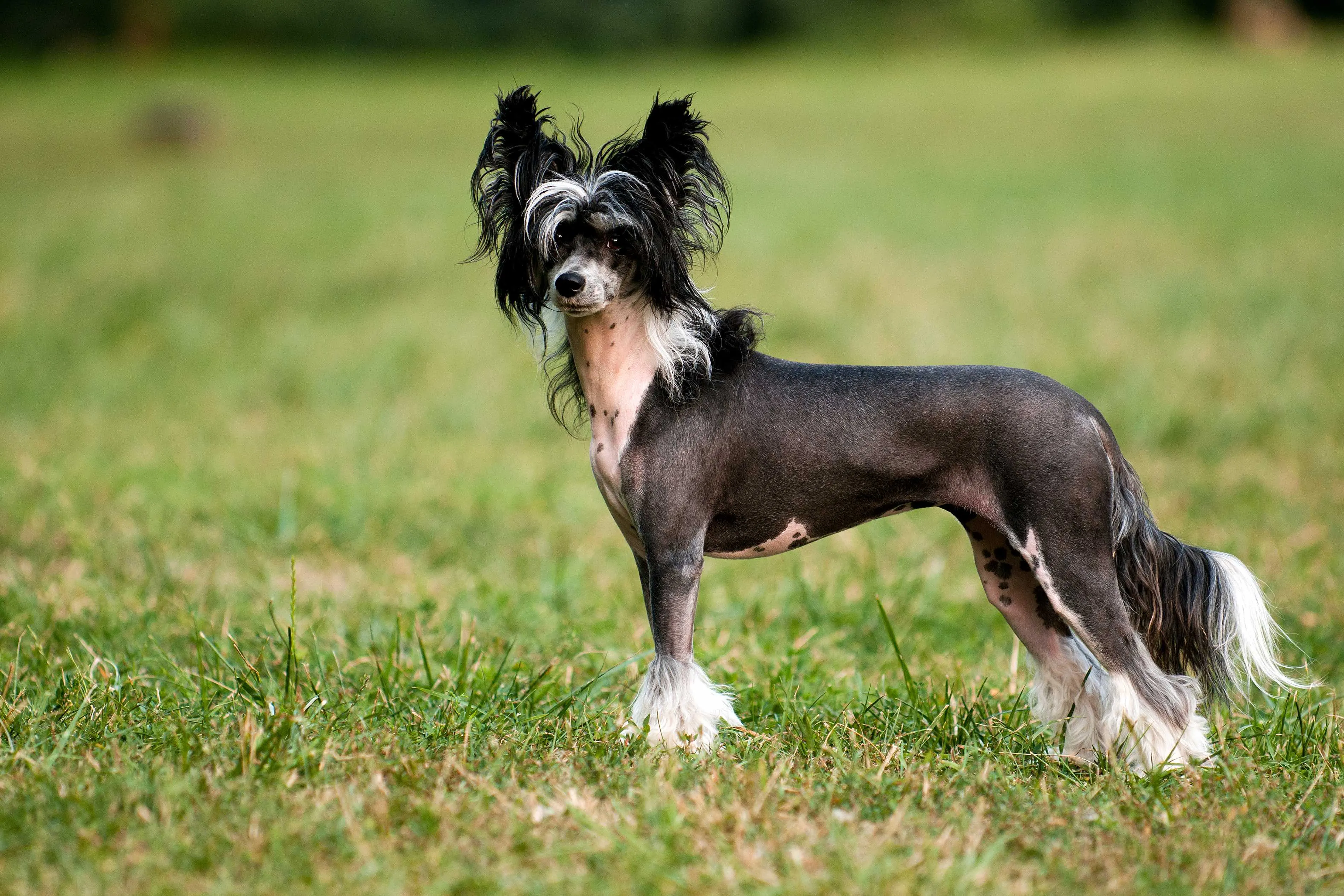 Black hairless Chinese Crested looking at the cameraThe Chinese Crested is unique, coming in two varieties: hairless (with tufts of hair on the head, tail, and paws) and powderpuff (covered in a soft, silky coat). Both are considered low-shedding. These small dogs are playful, loving, and make devoted companions. The hairless variety requires skin care to prevent sunburn and dryness, while the powderpuff needs regular brushing.
7. Affenpinscher
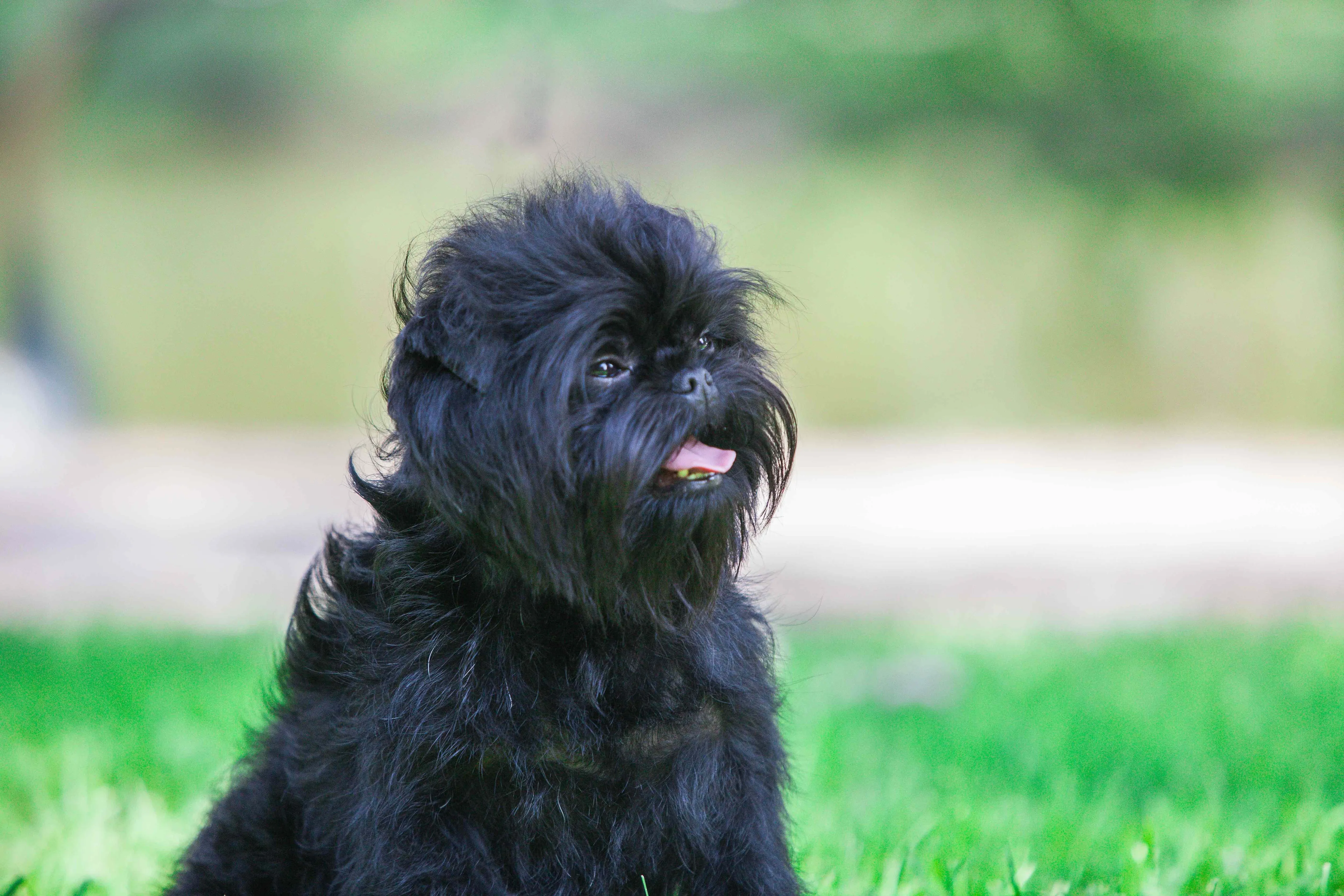 Black Affenpinscher dog close-upOften described as “monkey-like,” Affenpinschers are small dogs with a dense, wiry coat that sheds minimally. They are curious, courageous, and full of personality. Despite their low shedding, their coat demands regular attention, including brushing and occasional hand-stripping to maintain its texture and appearance.
8. Bolognese
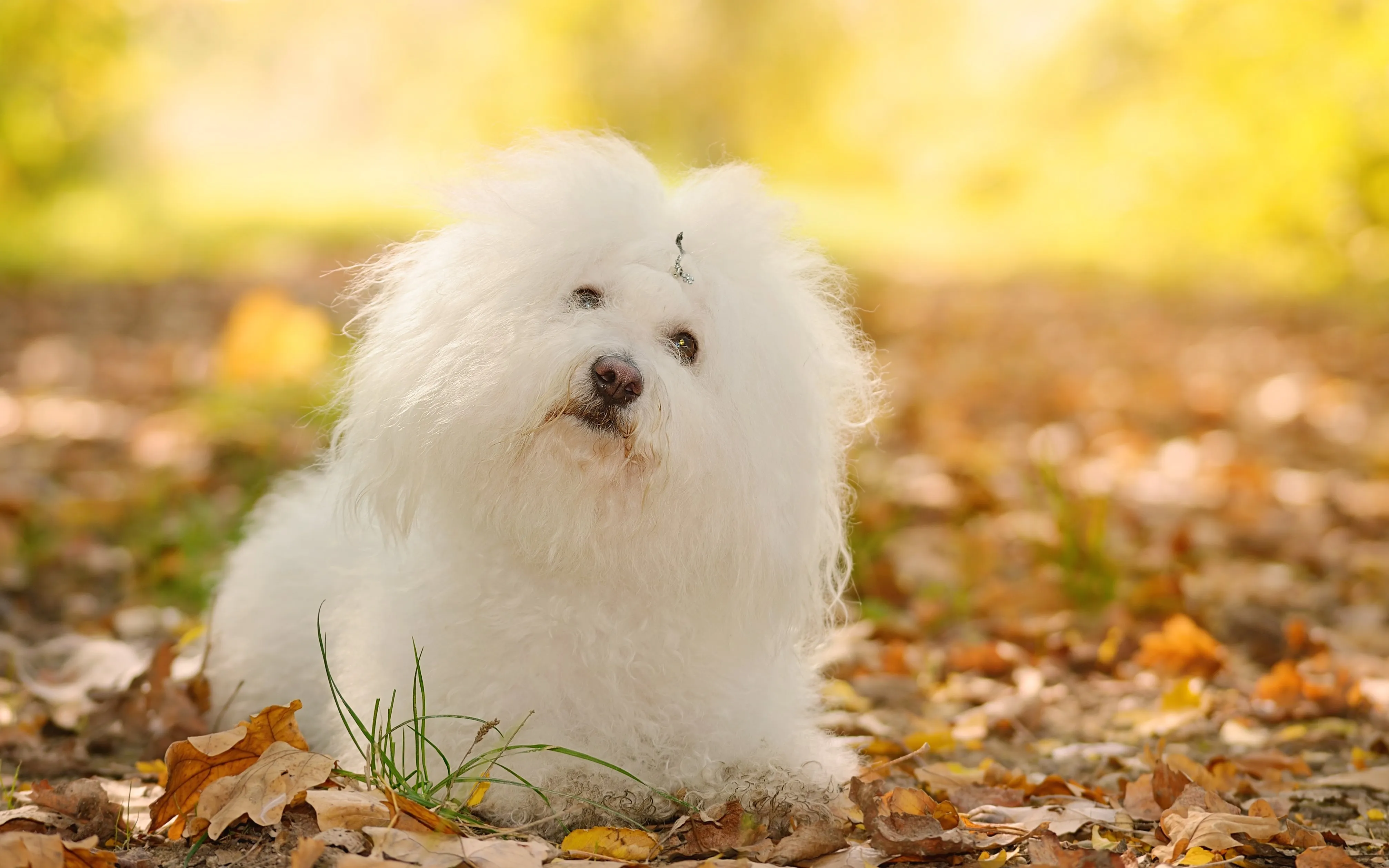 White Bolognese dog sitting in an autumn forestOriginating from Italy, the Bolognese is a cute, easygoing dog with a long, fluffy white coat that sheds very little. They are known for getting along well with children and other pets, making them adaptable to various family situations. While their coat has a characteristic messy look, it requires daily brushing to prevent mats and tangles.
9. Maltese
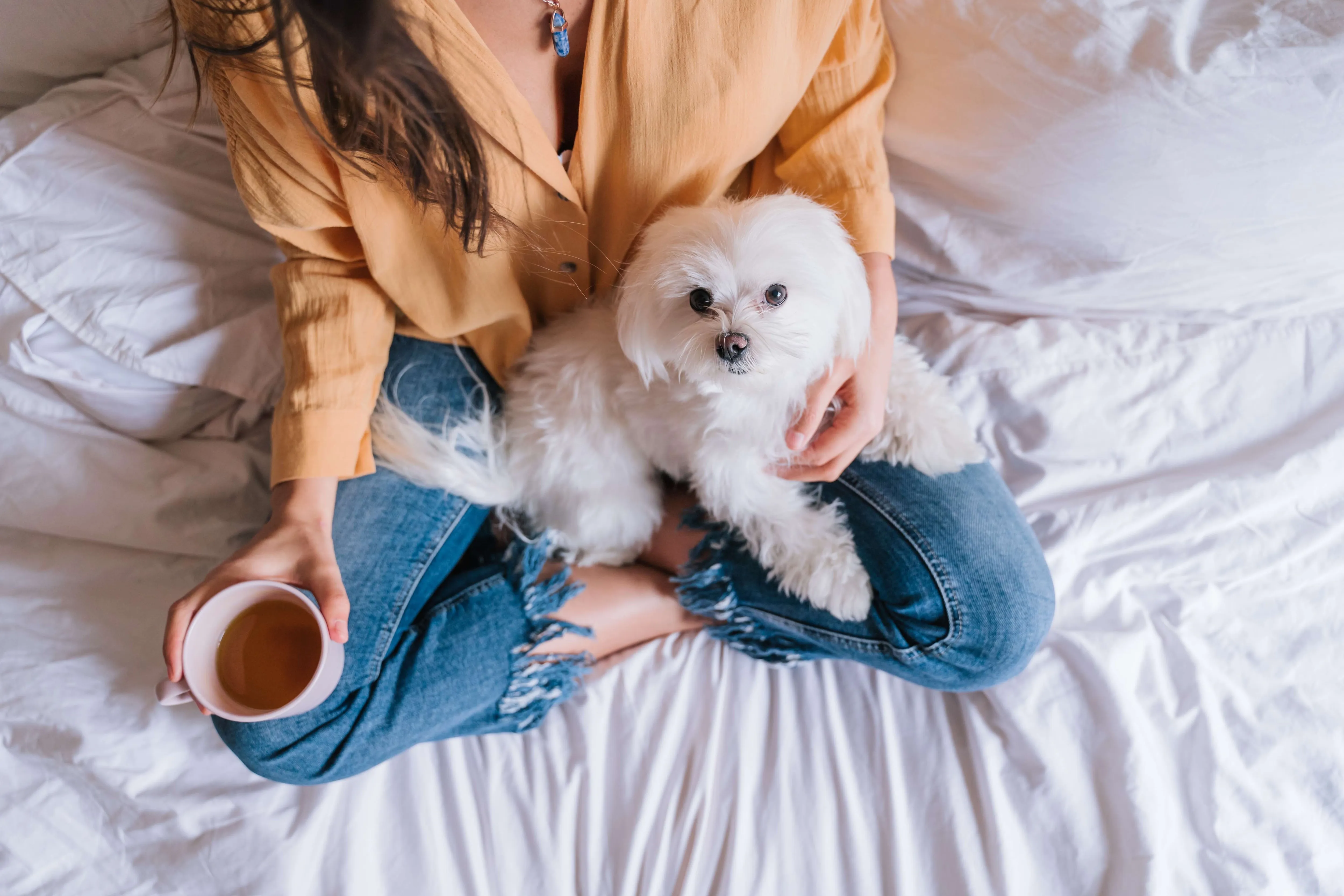 Woman holding a white Maltese dog on a bedThe Maltese is a small, elegant dog celebrated for its long, silky white coat that barely sheds. They are affectionate, gentle, and playful companions. Maintaining their luxurious coat requires significant grooming dedication, including daily brushing to prevent matting. Many owners opt for a shorter “puppy cut” to simplify care.
10. Coton de Tulear
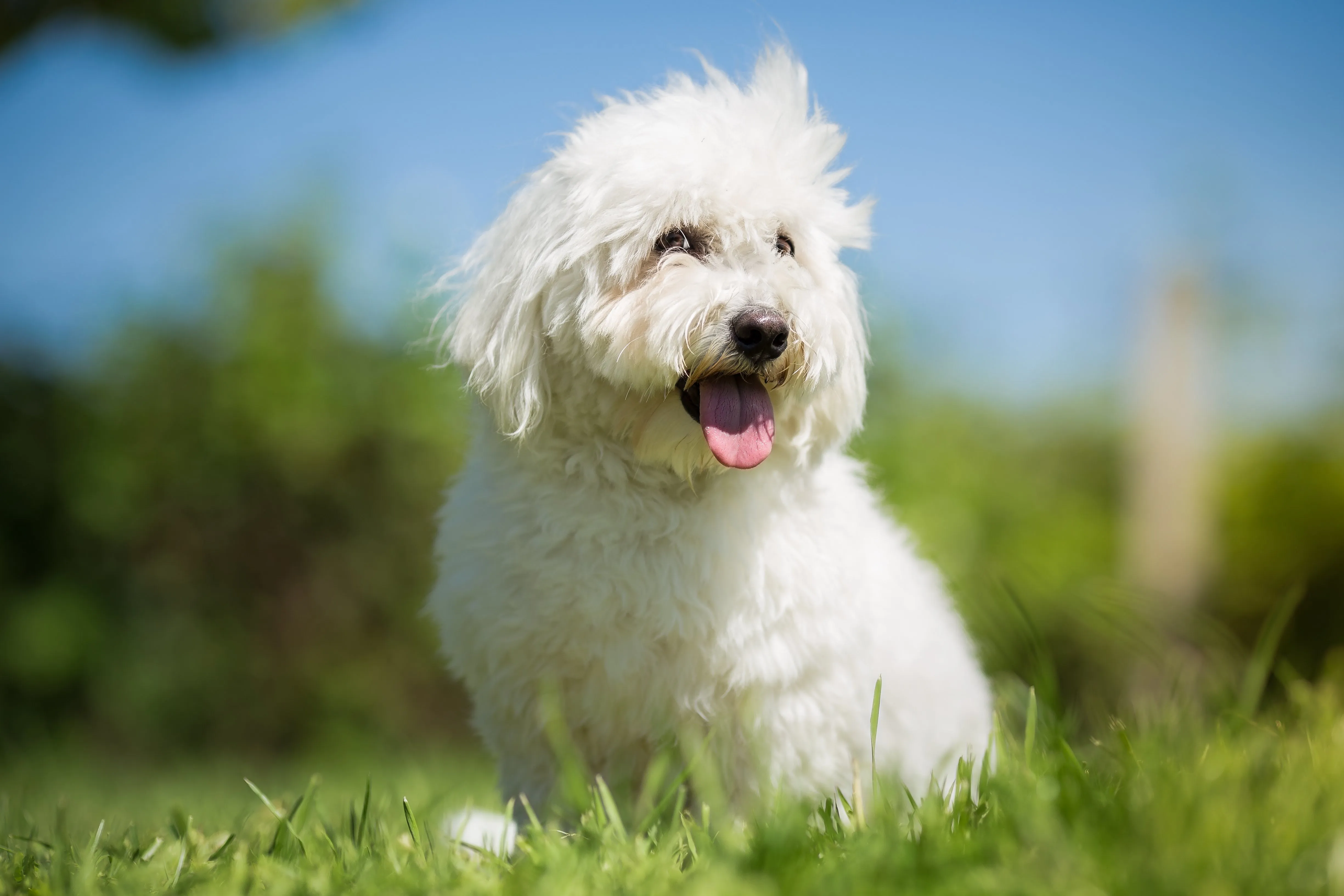 White Coton de Tulear sitting in grass with hair blowing in the windHailing from Madagascar, the Coton de Tulear is a charming small breed with a soft, cotton-like coat that is low-shedding. These dogs are known for their playful, intelligent, and easygoing nature, often getting along splendidly with children and other pets. Regular brushing is essential to keep their distinctive coat free of tangles.
11. Bedlington Terrier
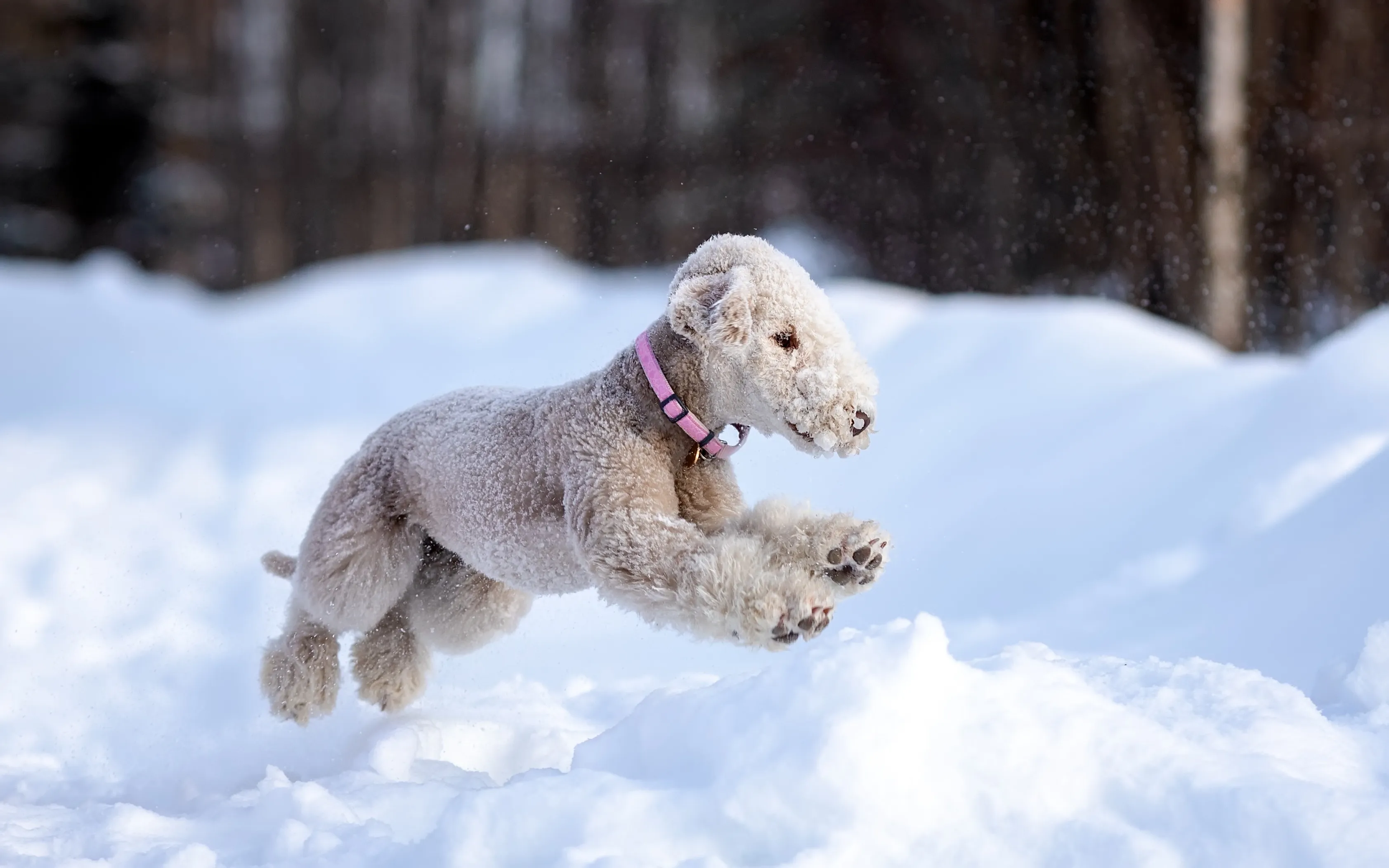 White Bedlington Terrier running through snowOften likened to a lamb due to their unique appearance, the Bedlington Terrier possesses a crisp, curly, low-shedding coat. They are loyal, affectionate, and energetic companions that thrive on human interaction. This breed requires regular grooming to maintain its distinctive look, including trimming and occasional stripping.
12. Xoloitzcuintli (Toy & Miniature)
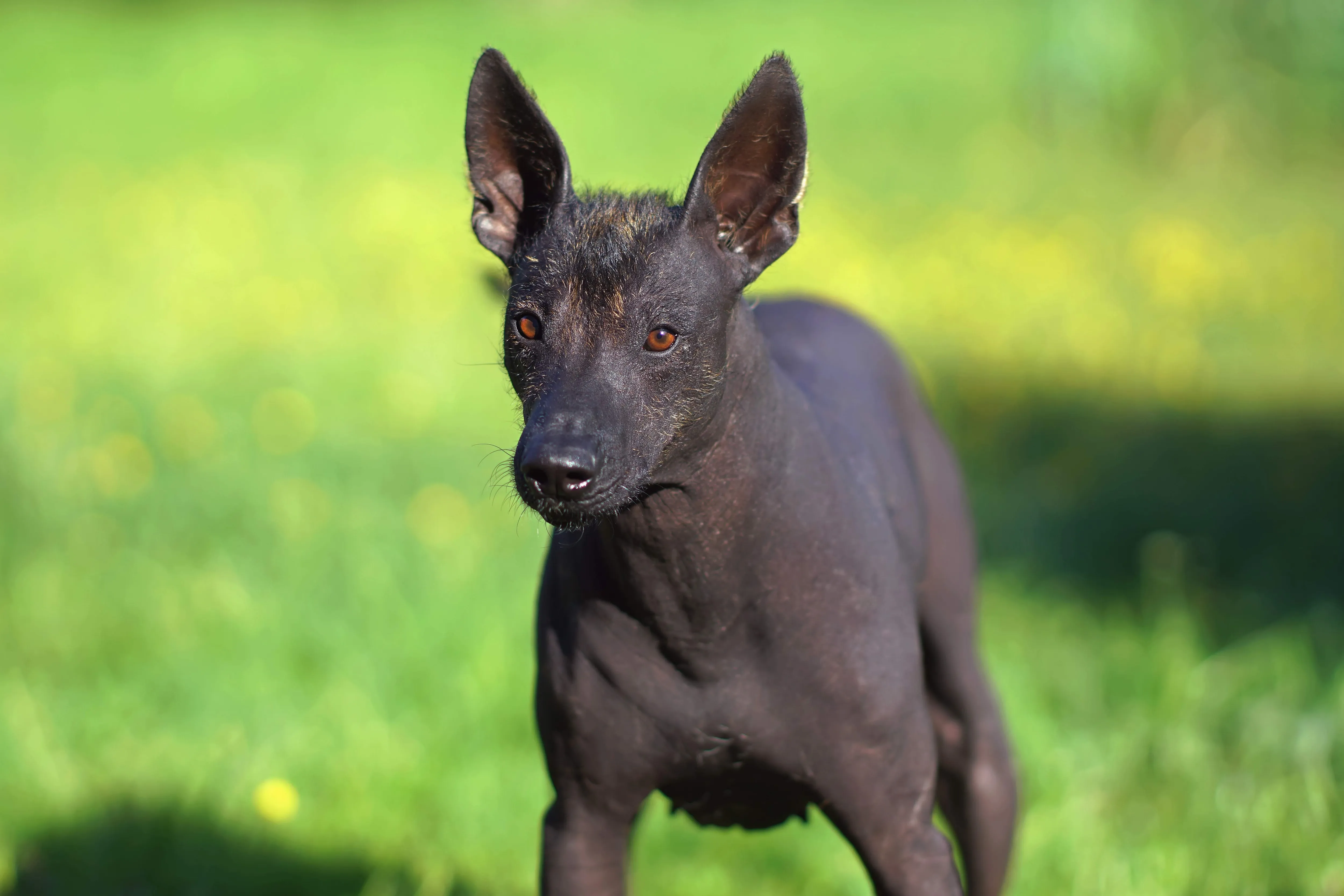 Black Mexican Hairless dog standing in grassAlso known as the Mexican Hairless Dog, the Xoloitzcuintli is an ancient and rare breed available in three sizes, including toy and miniature. They can be hairless or possess a very short, sparse coat, making both varieties low-shedding. Xolos are calm, loyal, and watchful, requiring minimal grooming for their hairless skin and occasional brushing for the coated variety.
13. Peruvian Inca Orchid (Small & Medium)
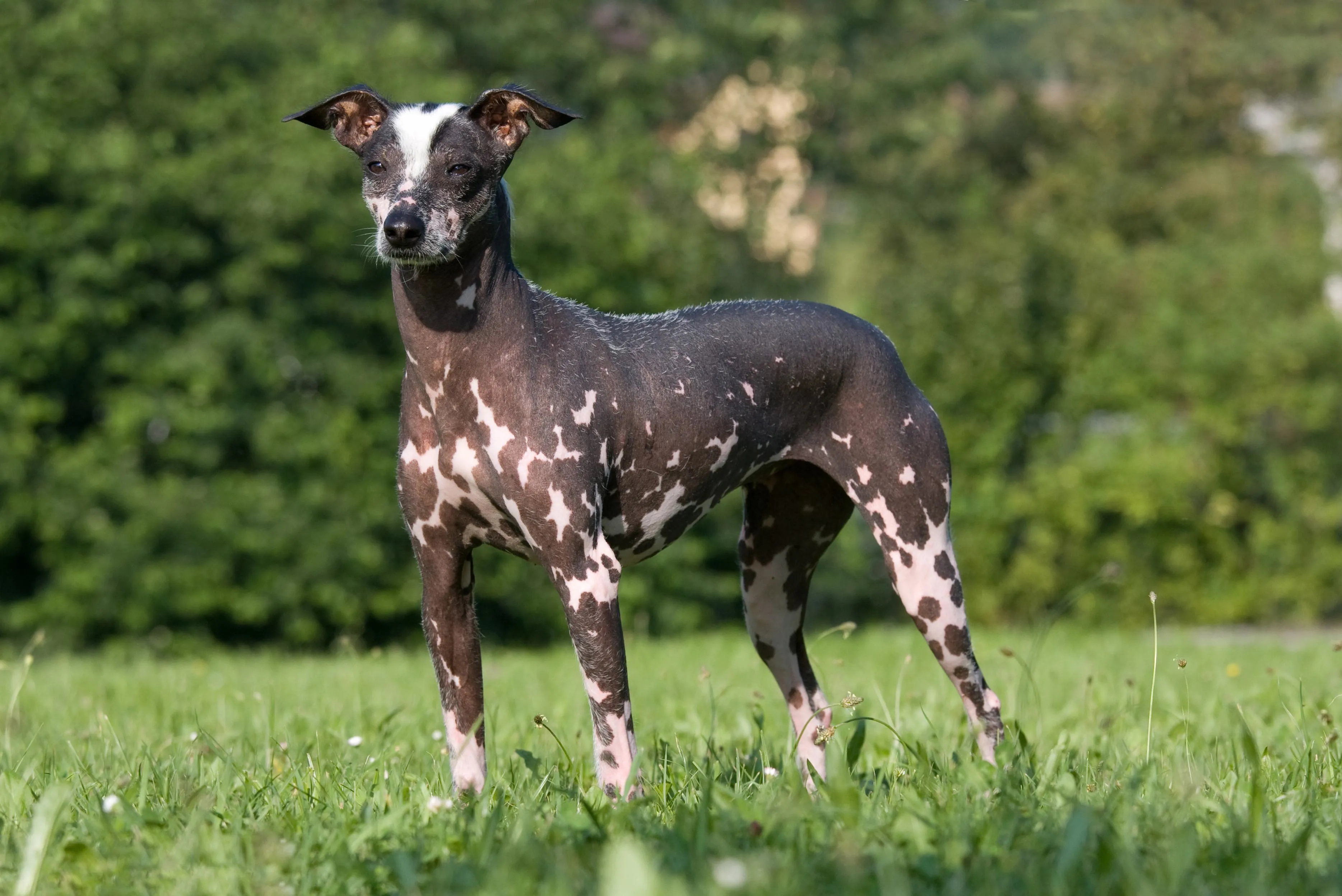 Peruvian Inca Orchid dogThese rare, ancient dogs are native to Peru and are primarily hairless, which naturally makes them hypoallergenic. They come in small, medium, and large sizes. Peruvian Inca Orchids are elegant, alert, and affectionate with their families, though they can be reserved with strangers. Their skin requires protection from sun and cold.
14. Malshi
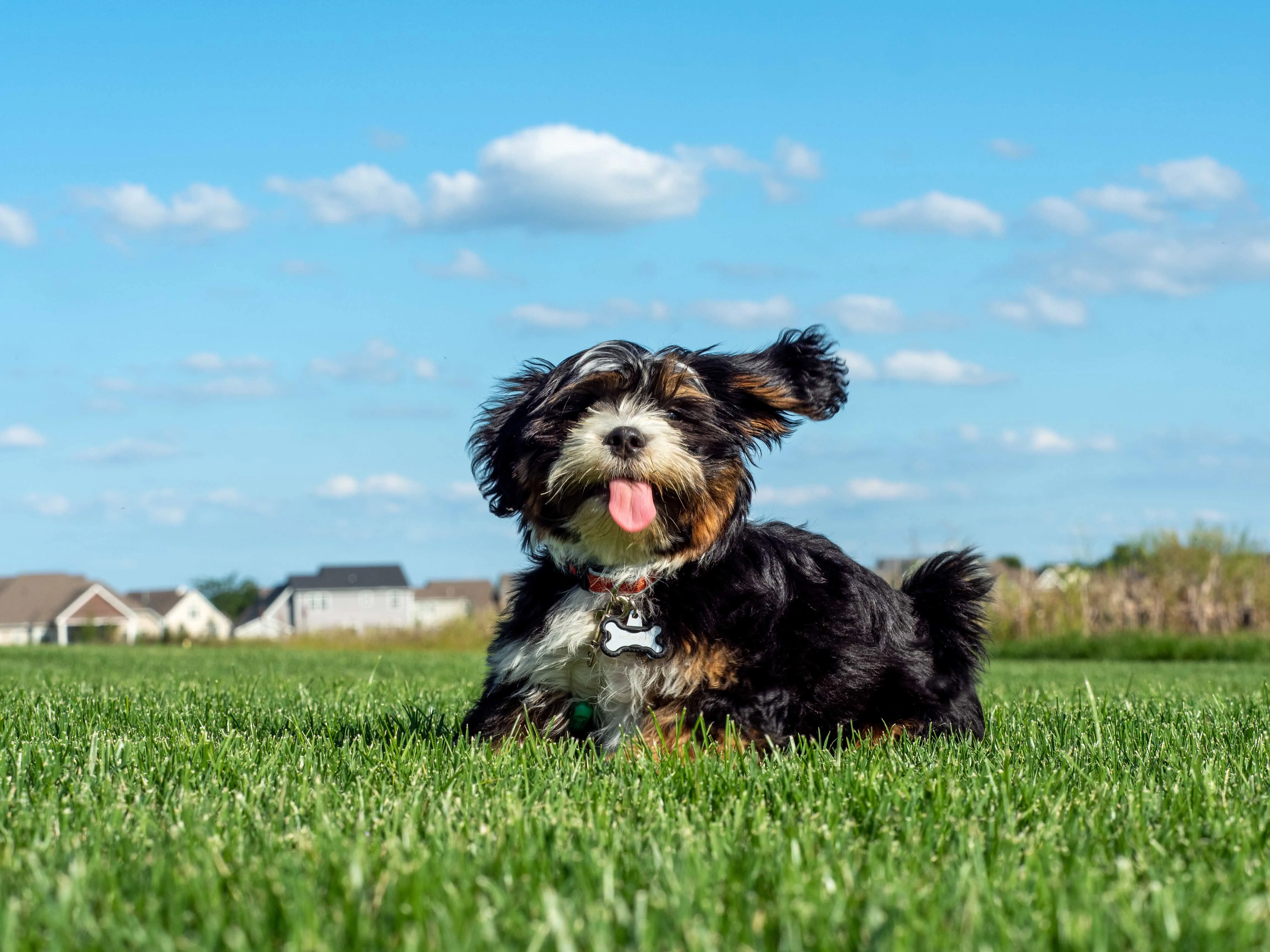 Tricolor Malshi dog in green grassA delightful cross between a Maltese and a Shih Tzu, the Malshi combines the best traits of both low-shedding parent breeds. They are small, happy, and thrive on close companionship, making them ideal lap dogs. Their fluffy coat requires regular grooming to prevent matting and maintain its soft texture.
15. Shorkie
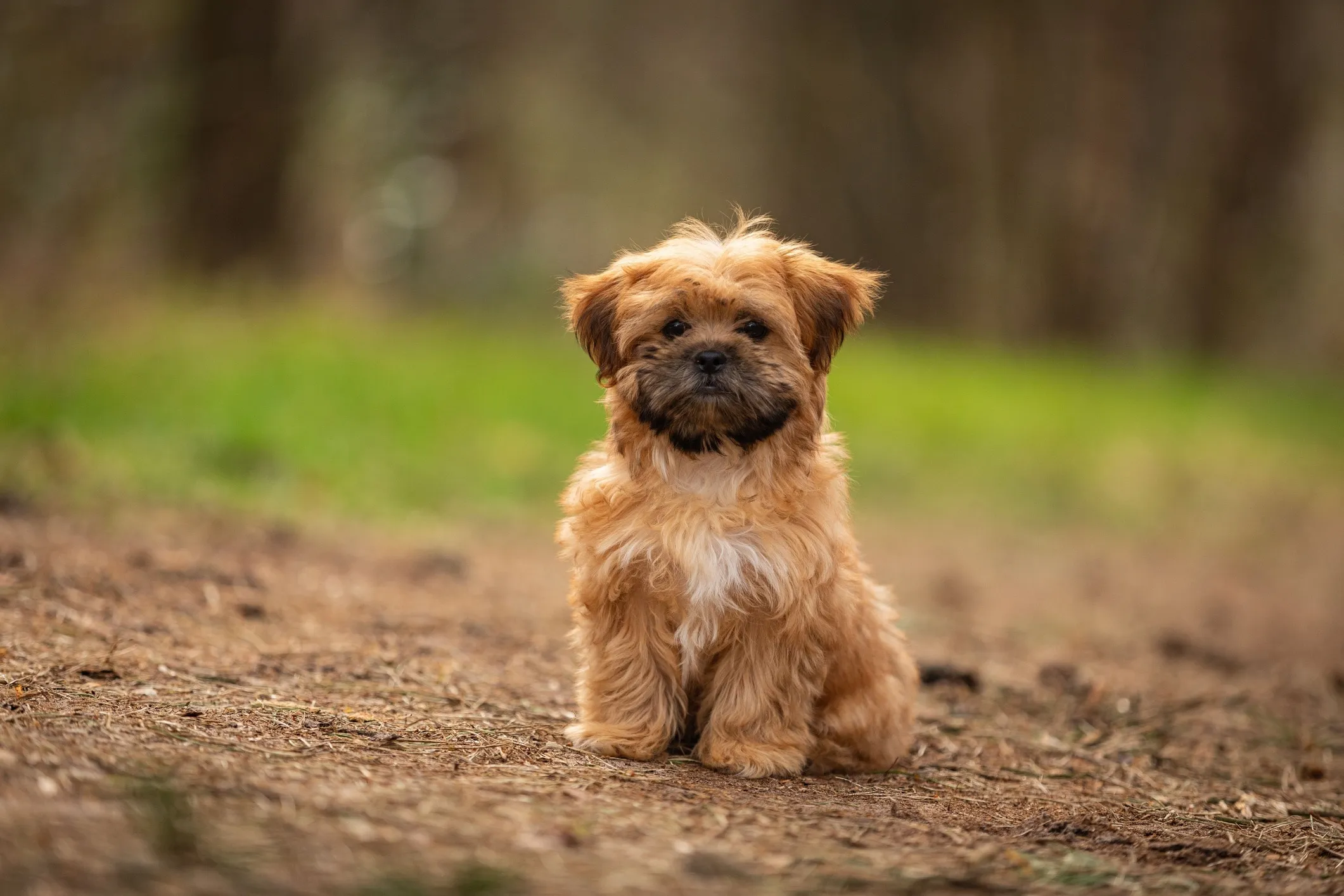 Tan and black Shih Tzu and Yorkie mix sitting on a hiking trailThe Shorkie is a charming mixed breed, combining the low-shedding qualities of the Shih Tzu and Yorkshire Terrier. These small dogs are playful, affectionate, and generally friendly, adapting well to family life. Like their parent breeds, Shorkies require a dedicated grooming routine to keep their coats healthy and tangle-free.
16. Shih-Poo
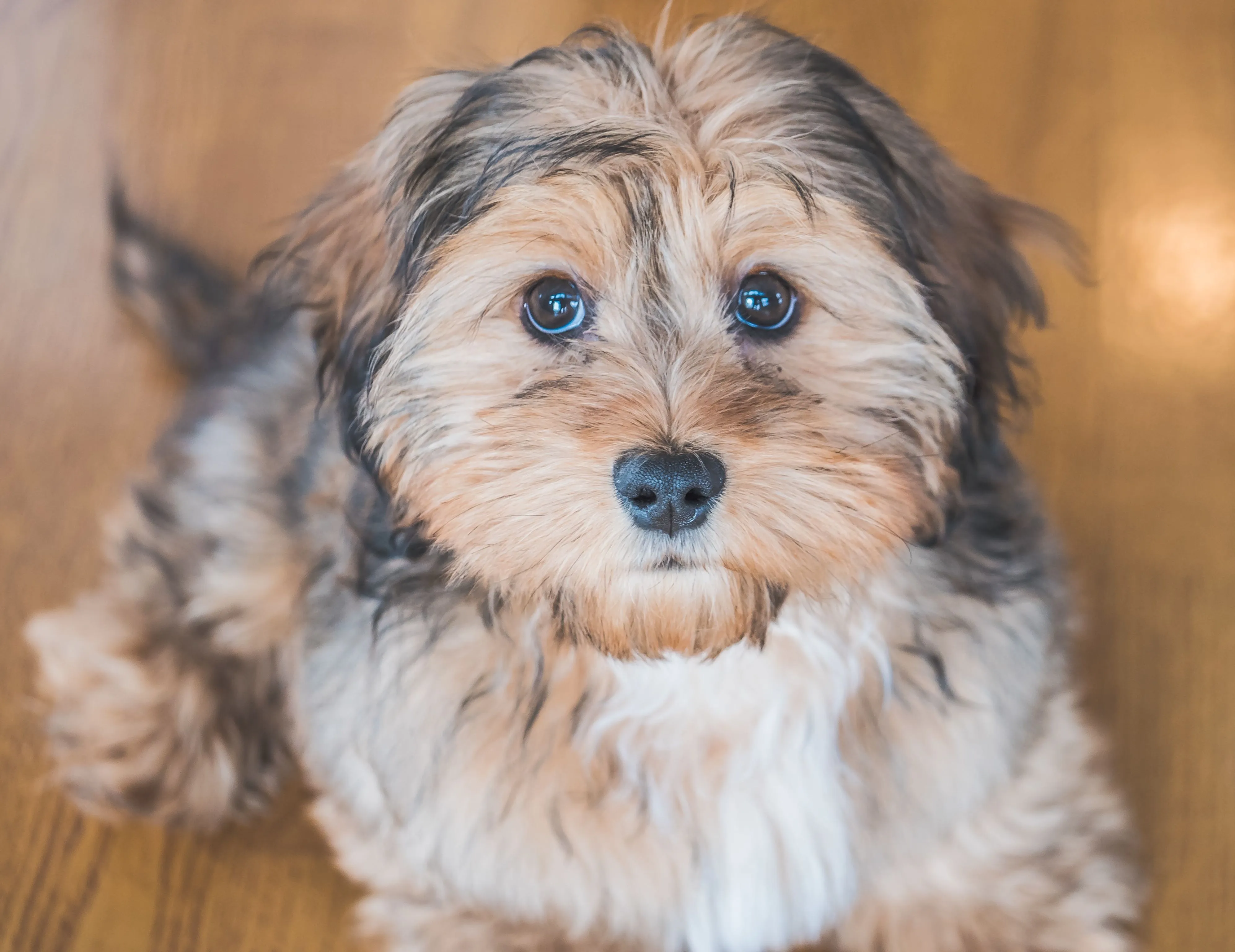 Tan and black Shih-Poo dog close-upA cross between a Shih Tzu and a Poodle (often a Toy Poodle), the Shih-Poo is a small mixed breed known for its low-shedding coat and adaptable nature. These pups can thrive in nearly any living situation, provided they receive about 30 minutes of daily exercise and regular brushing to maintain their soft, wavy or curly coat.
Medium-Sized Dogs That Don’t Shed
For those who prefer a dog with a bit more presence than a toy breed but not quite a giant, several medium-sized non-shedding options exist.
1. Poodle (Standard)
Miniature Poodle walking through green grassThe Standard Poodle is the largest of the Poodle varieties, exuding elegance and intelligence. Their signature curly coat is non-shedding and ideal for allergy sufferers. Originally bred for hunting, Standard Poodles are highly active and require regular exercise and mental stimulation. Their coat demands consistent grooming to prevent matting, including professional clipping.
2. Standard Schnauzer
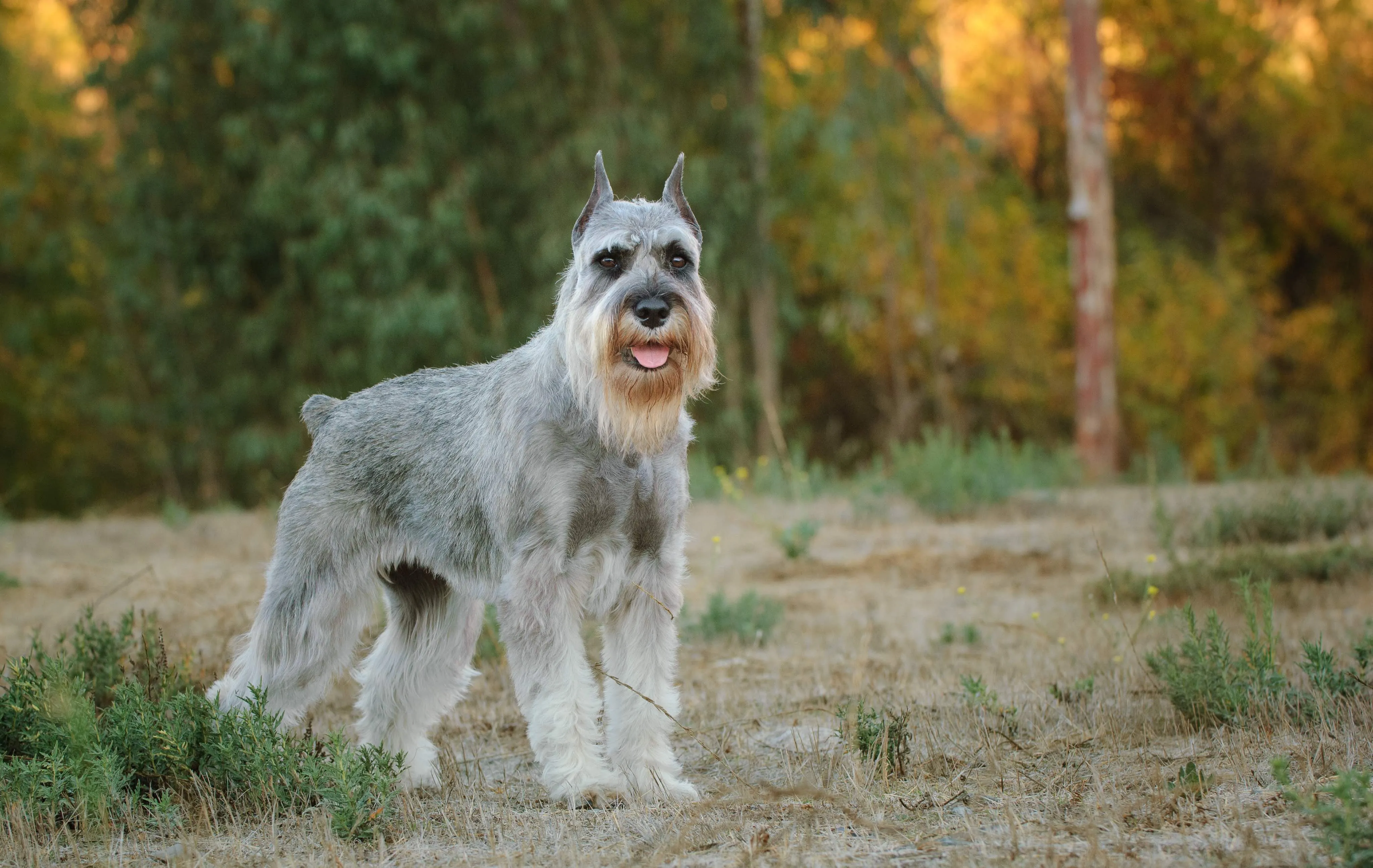 Gray Standard Schnauzer standing in a fieldThe Standard Schnauzer shares the same desirable low-shedding qualities as its Miniature counterpart, but in a more robust package. These active and intelligent dogs thrive on long walks, games of fetch, and engaging puzzle toys. Their wiry coat requires regular brushing and professional grooming to maintain its distinct appearance.
3. Portuguese Water Dog
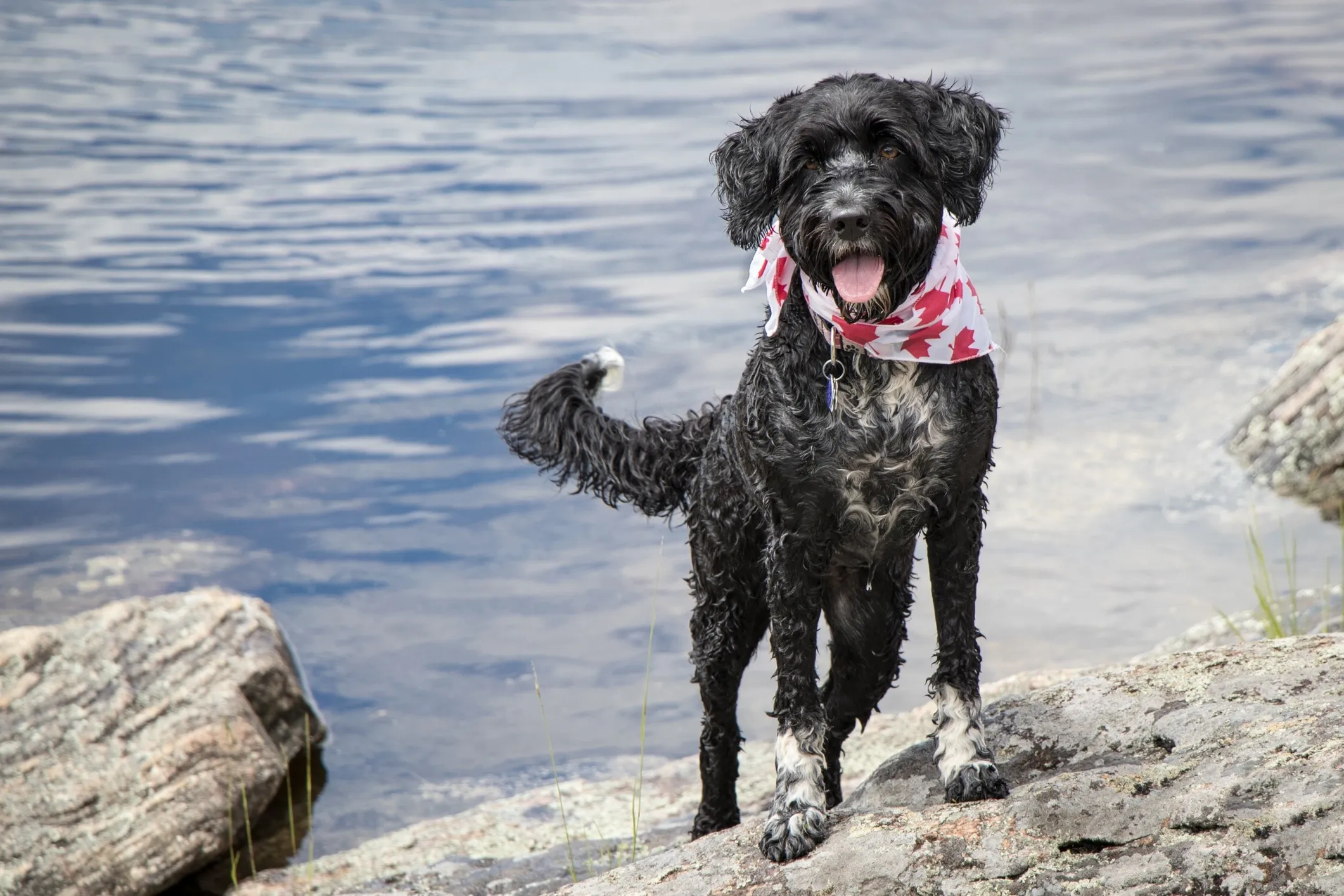 Black and white Portuguese Water Dog wearing a red maple leaf bandana in front of waterOriginally bred to assist fishermen, the Portuguese Water Dog is a robust, medium-sized breed with a thick, curly coat that sheds minimally. These intelligent, highly trainable, and friendly dogs are high-energy pups that need plenty of regular exercise, especially swimming, which they adore. Their unique coat requires frequent grooming to stay healthy.
4. Irish Water Spaniel
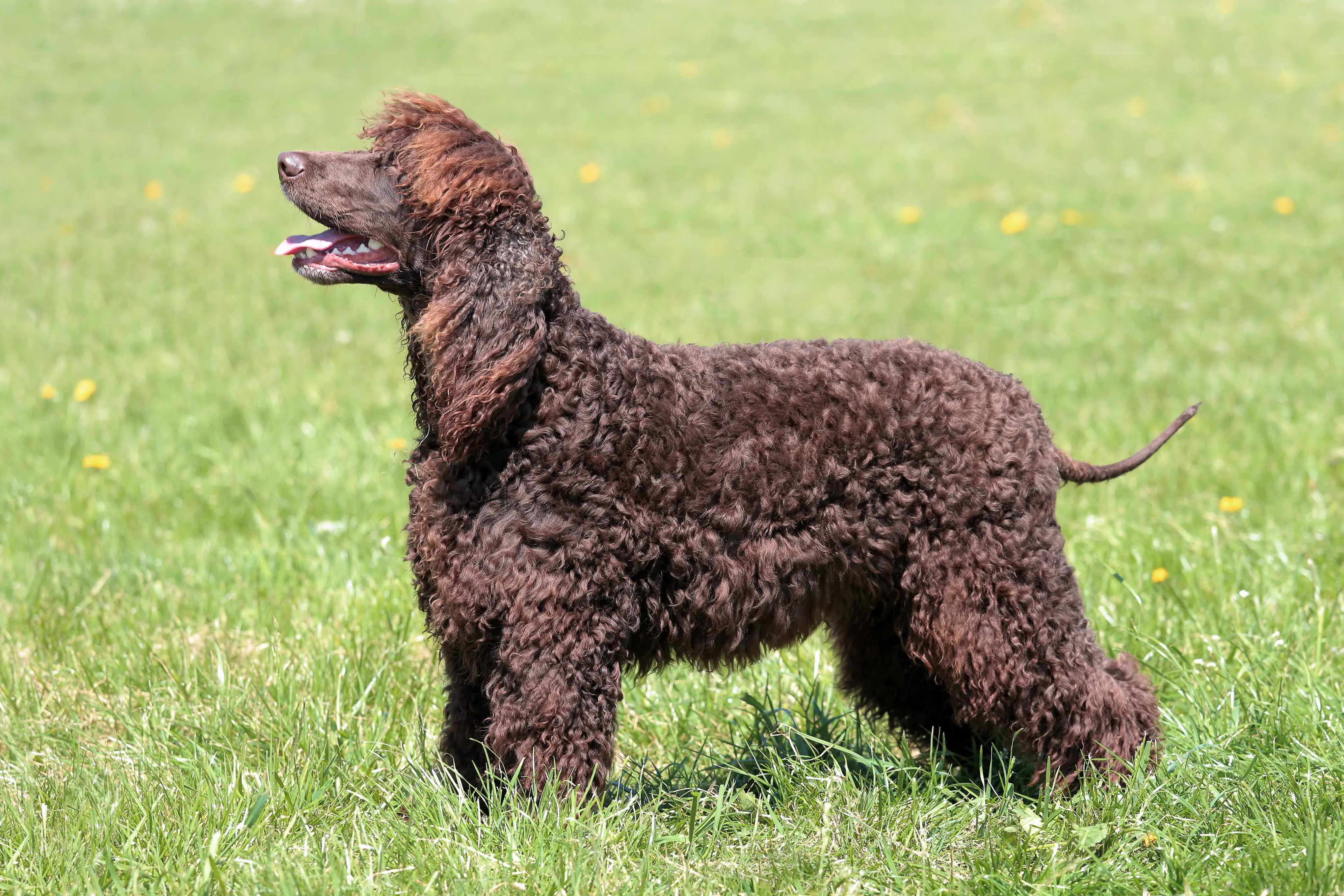 Brown Irish Water Spaniel profileAs their name suggests, Irish Water Spaniels are water-loving dogs known for their distinctive liver-colored, thick, curly coats that shed very little. They are friendly, highly intelligent, and possess a high energy level, making regular exercise crucial for their well-being. Their coat needs consistent grooming to prevent matting.
5. Soft Coated Wheaten Terrier
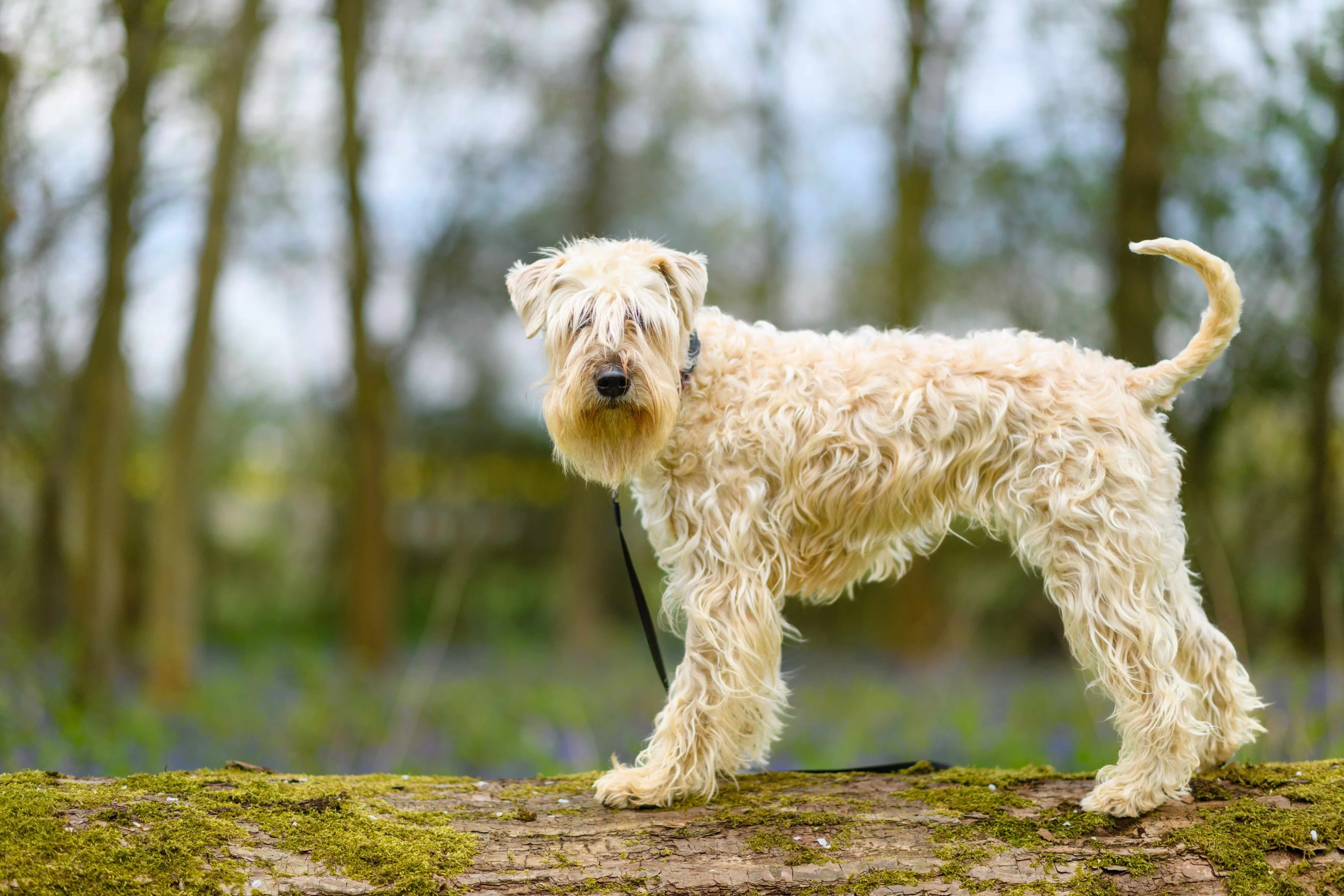 Soft Coated Wheaten Terrier dog on a logThis medium-sized Irish breed is famous for its silky, soft coat that feels incredibly gentle to the touch and sheds minimally. Wheatens are joyful, high-energy dogs that maintain their vivacious spirit throughout their lives. They require ample exercise and mental stimulation, along with regular grooming, to prevent their soft coat from matting.
6. Lagotto Romagnolo
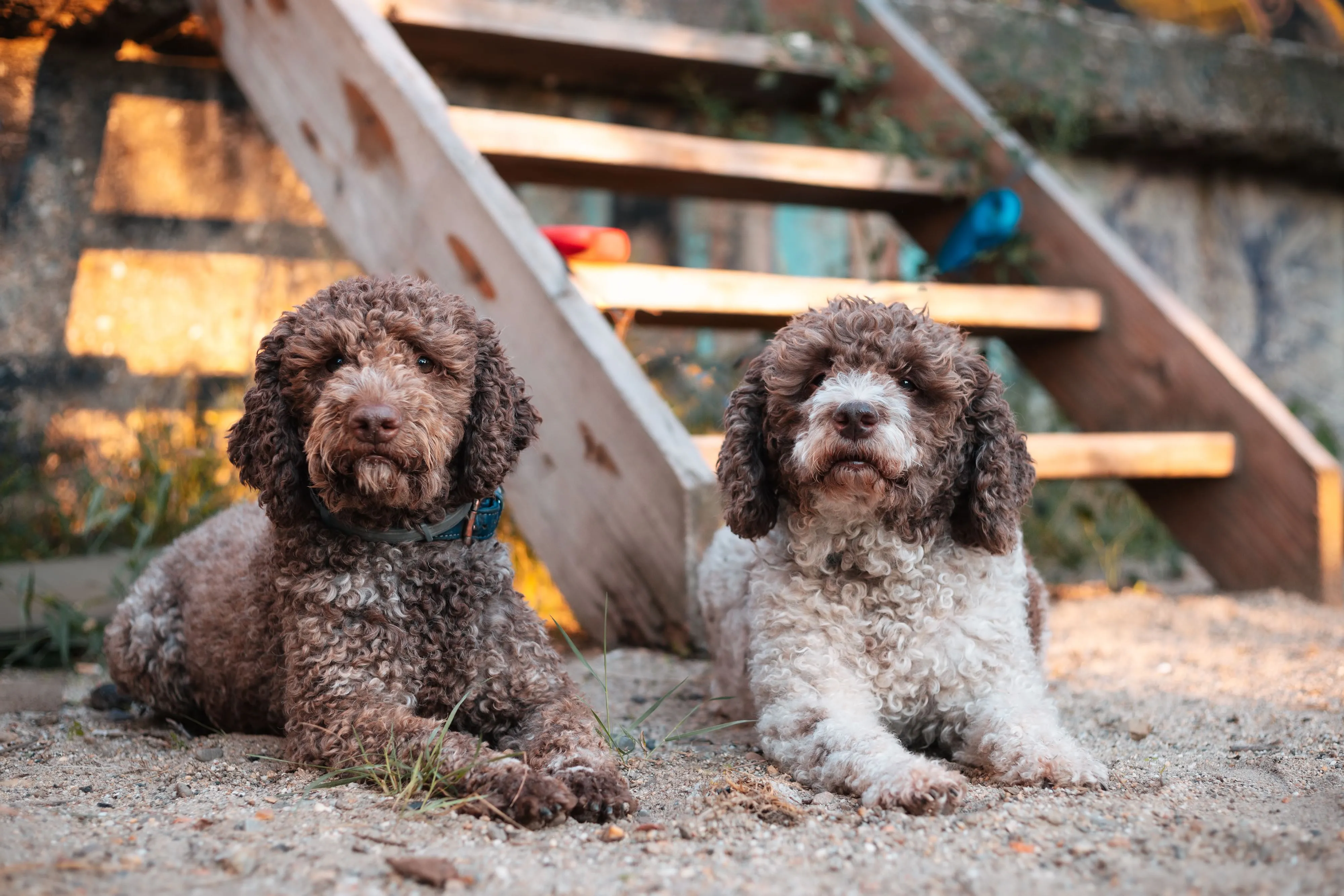 Two Lagotto Romagnolo dogs lying in dirt staring at the cameraOriginally bred as water retrievers, Lagotto Romagnolo dogs possess a curly, woolly coat that protects them from cold water and sheds very little. While less common, these intelligent and keen dogs are generally good with children and other pets, making them excellent family dogs. Their unique coat requires specialized grooming to prevent matting.
7. Aussiedoodle
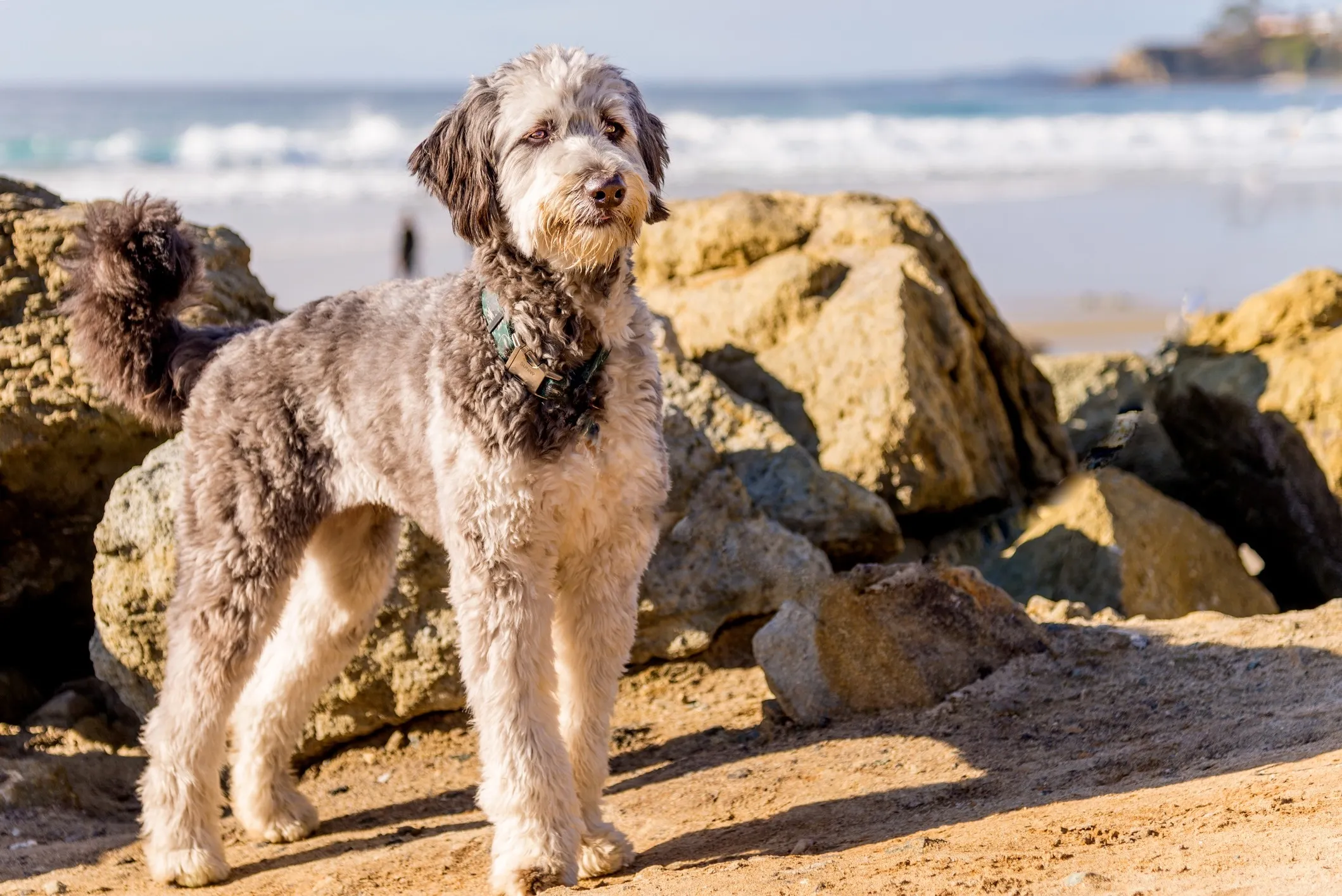 Standard Aussiedoodle dog standing on a beachAn Aussiedoodle is a cross between an Australian Shepherd and a Standard or Miniature Poodle, resulting in a very smart and energetic, low-shedding dog. Both parent breeds contribute to their high intelligence and need for activity. Without sufficient exercise and mental stimulation, such as with enrichment toys, they can become destructive. For those interested in dog breeds with shepherd in the name, the Aussiedoodle is a prime example of a Poodle mix retaining desirable traits.
8. Schnoodle
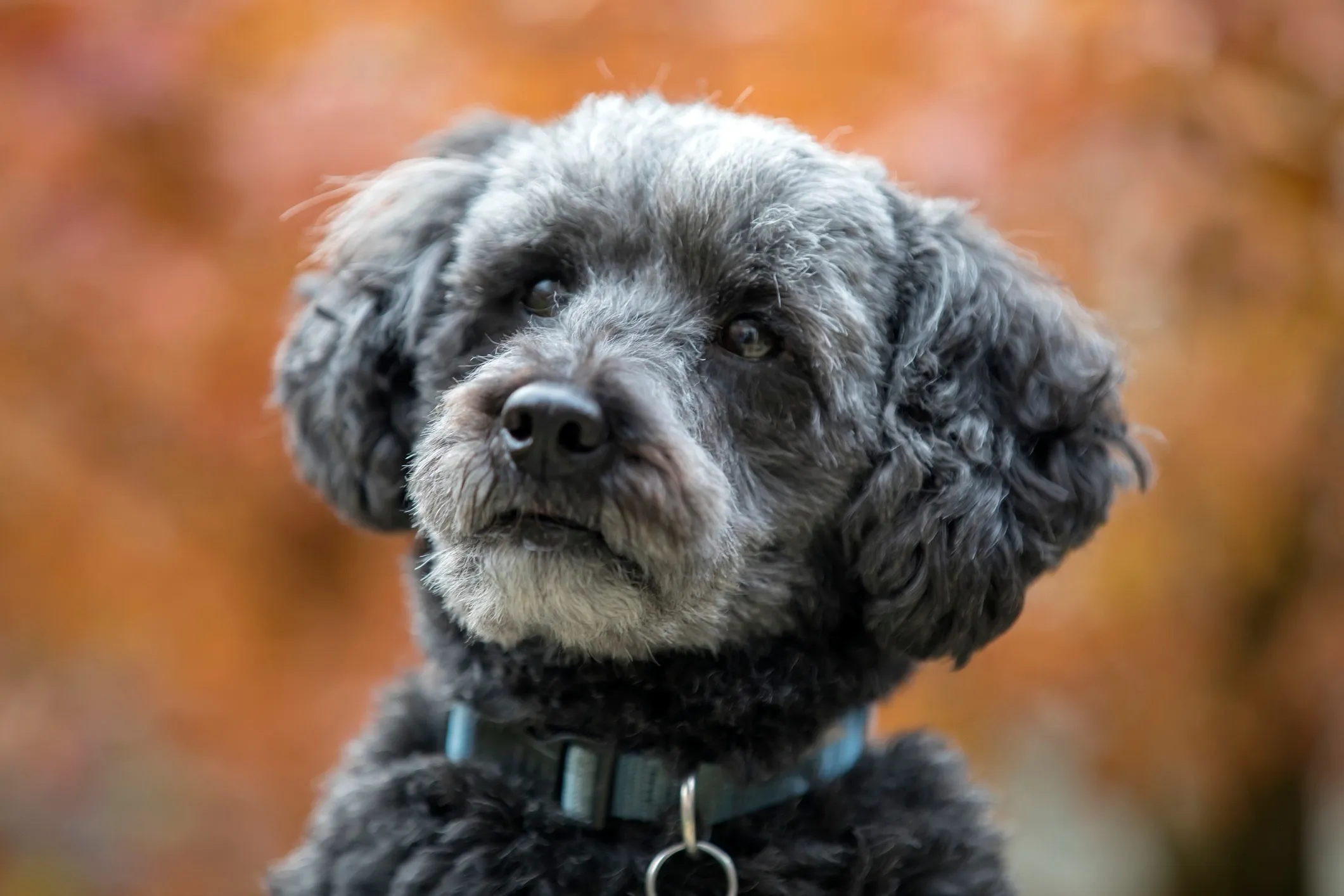 Gray Schnoodle close-upThe Schnoodle is a hybrid combining two low-shedding breeds: the Schnauzer and the Poodle. Their coat can be curly or wavy, inheriting traits from either parent, but it consistently remains low-shedding. These intelligent and playful dogs make excellent companions, often fitting well into active families.
9. Whoodle
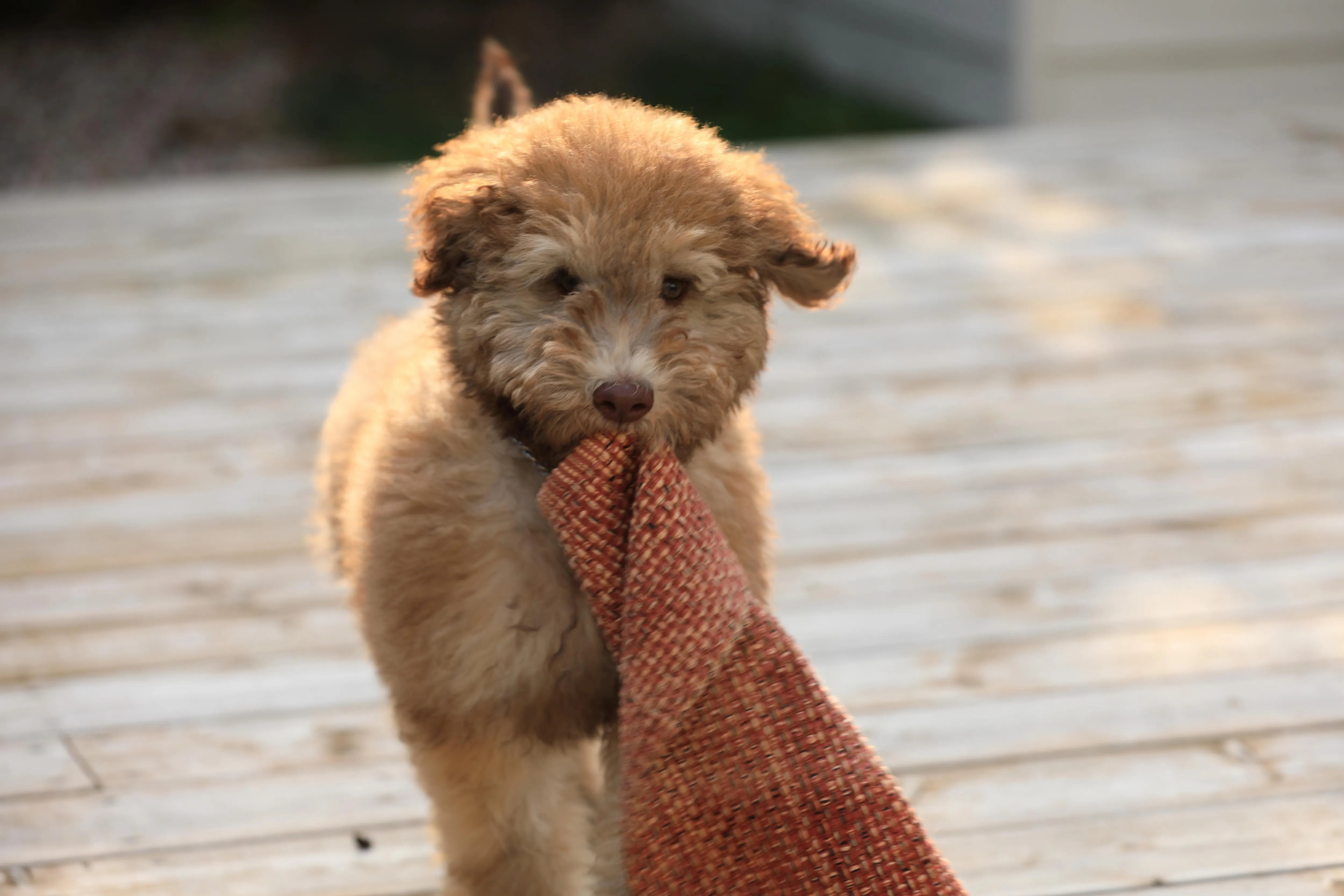 Tan Whoodle puppy dragging a washclothA Whoodle is the result of crossing a Soft Coated Wheaten Terrier with a Poodle, creating a friendly, intelligent, and affectionate dog that sheds very little. They inherit a joyful spirit and smart mind from both parent breeds, making them highly trainable. Like other Poodle mixes, their coat requires regular grooming.
Large Dogs That Don’t Shed
For those who desire a larger companion but still need a low-shedding option, these breeds offer size and presence without excessive hair. For a full list of robust, large dogs that fit the bill, consider checking out our guide on hypoallergenic big dogs that don t shed.
1. Giant Schnauzer
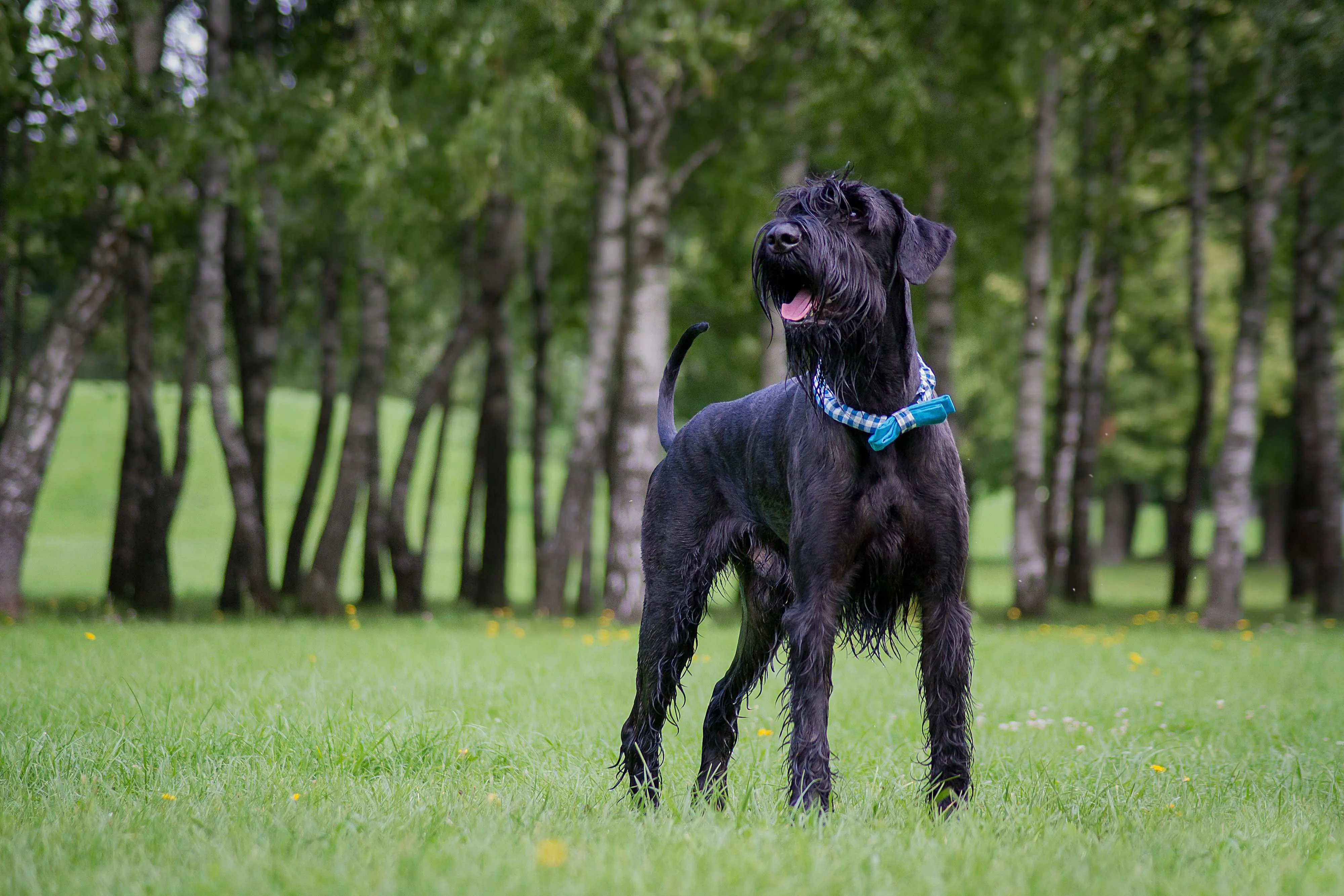 Black wet Giant Schnauzer wearing a blue bow collar standing in a parkThe largest of the Schnauzer breeds, Giant Schnauzers can stand over 27 inches tall and weigh up to 85 pounds. They are powerful, intelligent, and highly active dogs with a wiry, low-shedding coat. Giant Schnauzers require extensive exercise, including long walks, runs, and engaging games, to keep them happy and well-behaved.
2. Afghan Hound
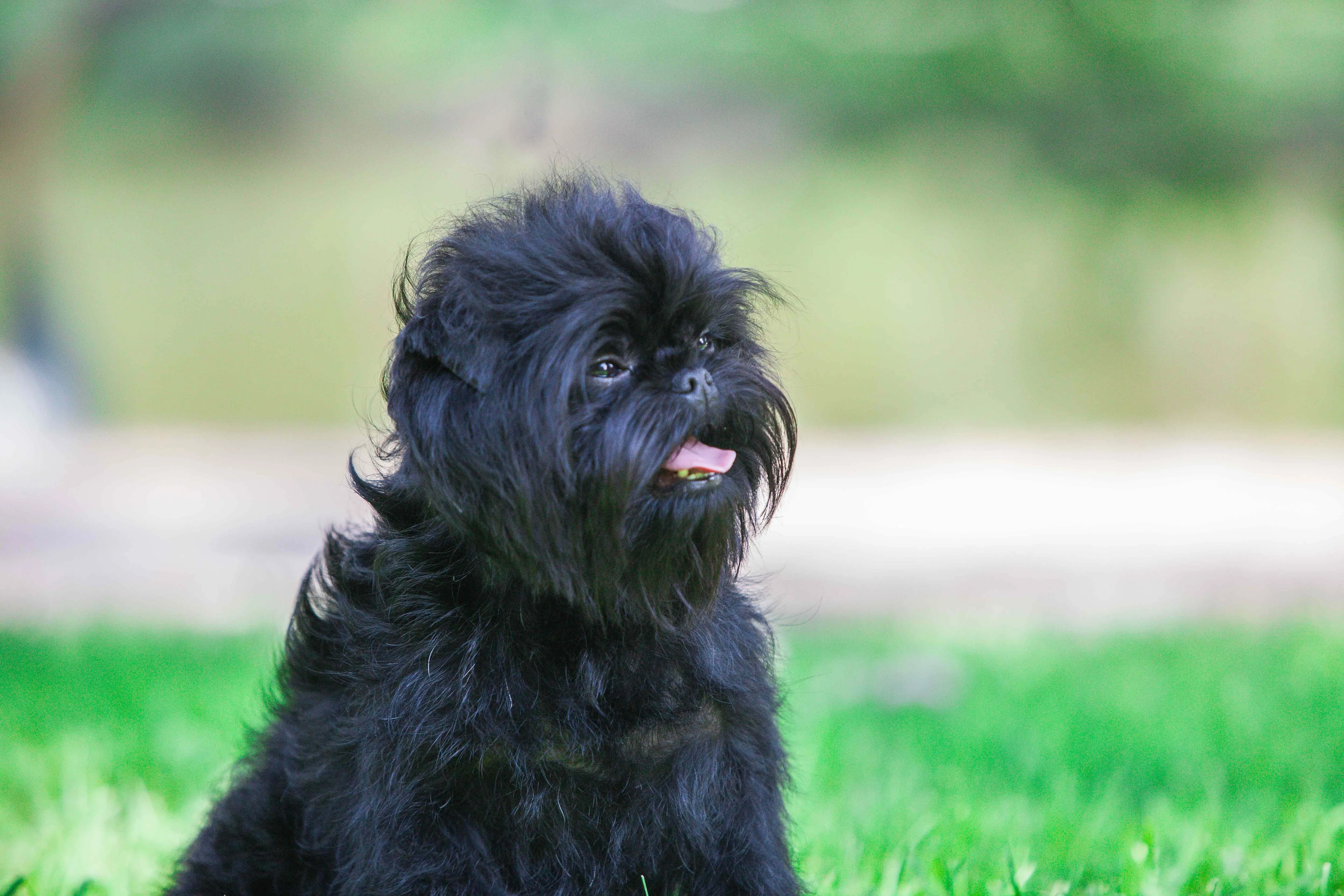 Gray and tan Afghan Hound looking at the cameraKnown for their majestic appearance, the Afghan Hound possesses a long, flowing, silky coat that, despite its length, sheds surprisingly little compared to many breeds. These elegant sighthounds are built for speed and require significant exercise. While loving with their families, they can be aloof with strangers, making early socialization important. Their coat demands extensive daily grooming.
3. Barbet
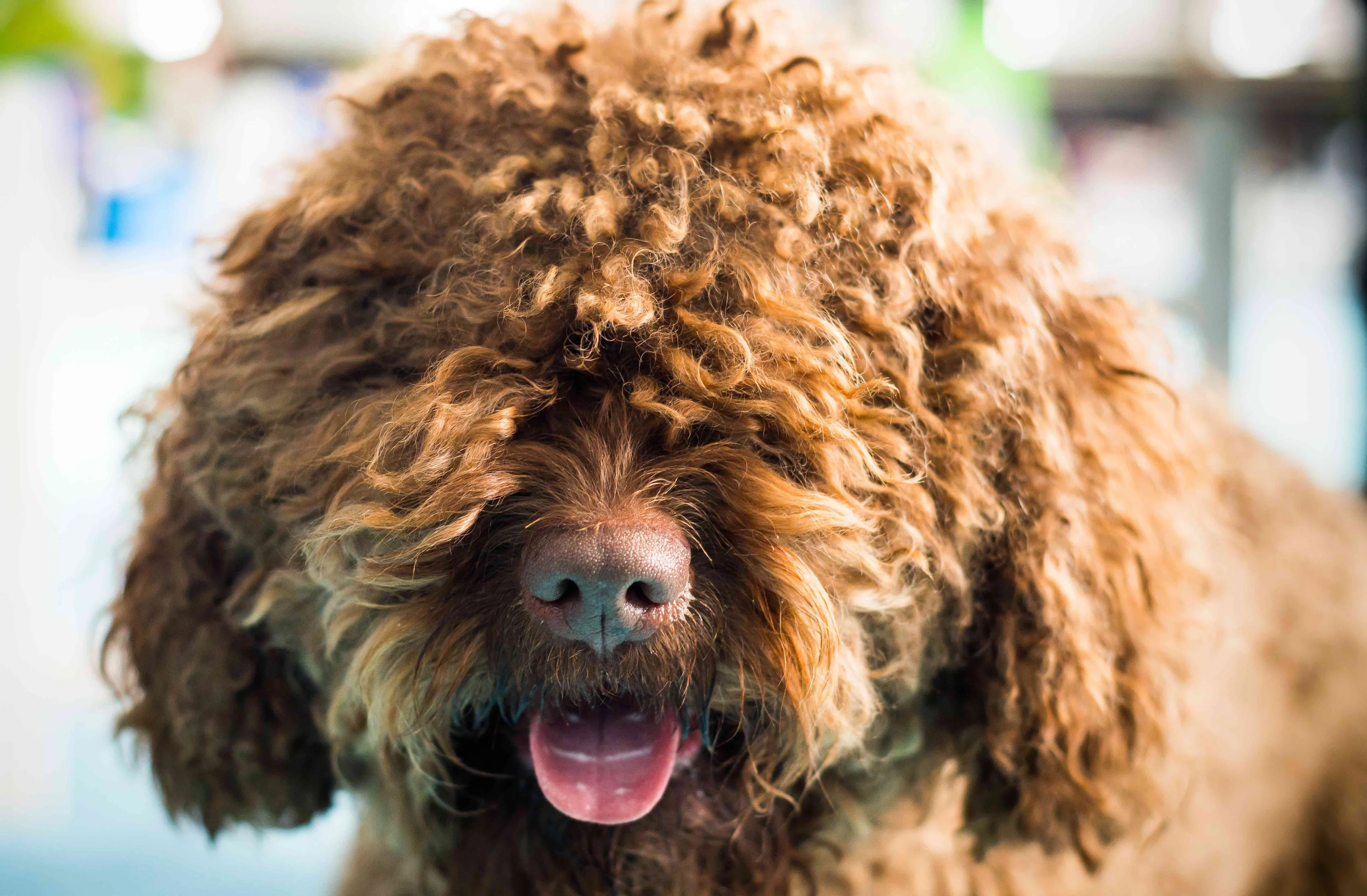 Close-up of a curly red Barbet dog faceThe Barbet, pronounced “bar-bay,” is a cheerful, shaggy dog with a dense, woolly coat that sheds minimally. Their name comes from the French word “barbe,” meaning beard, referring to their characteristic hairy chin. These big, water-loving dogs need regular brushing, especially after swimming, to maintain their protective coat.
4. Bernedoodle
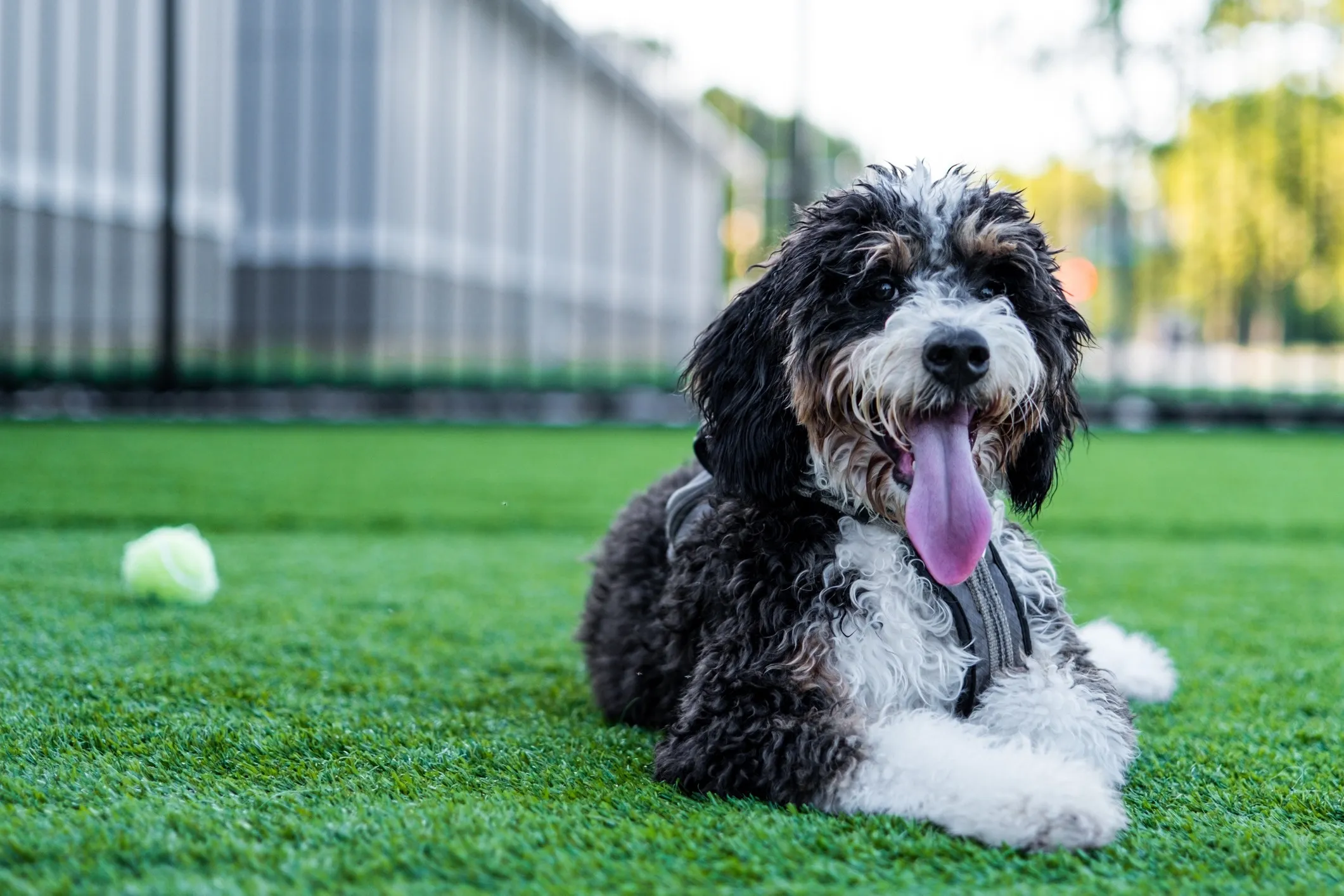 Large Bernedoodle dog lying in grass with his tongue outA crossbreed of the Bernese Mountain Dog and the Poodle, Bernedoodles are large, affectionate dogs with a low-shedding coat. Their gentle demeanor and friendly nature make them popular choices for families with children and other pets. Bernedoodles are active dogs and require plenty of exercise to thrive.
5. Xoloitzcuintli (Standard)
Black Mexican Hairless dog standing in grassThe Standard Xoloitzcuintli offers the same low-shedding benefits as its smaller counterparts, but in a larger, more imposing size. These intelligent and calm dogs form strong bonds with their families and are excellent watchdogs. Their hairless skin or short coat requires specific care to protect it from environmental elements.
6. Peruvian Inca Orchid (Large)
Peruvian Inca Orchid dogThe large variety of the Peruvian Inca Orchid is a striking, mostly hairless dog known for its athleticism and loyalty. Like all hairless breeds, they are a good choice for allergy sufferers due to minimal dander. They are swift and require regular exercise, while their skin needs protection from the sun and cold.
Considerations When Choosing a Non-Shedding Dog
Beyond just the shedding factor, selecting the best dog to have requires a holistic approach. Consider the following aspects to ensure a happy match between you and your new companion:
Temperament and Family Suitability
The ideal dog should fit seamlessly into your household. Research the typical temperament of different breeds. Some non-shedding dogs, like the Bichon Frise or Maltese, are known for their playful and affectionate nature, making them excellent companions for children and other pets. Other breeds, such as the Portuguese Water Dog, are incredibly intelligent and eager to please, thriving in active family environments. If you’re looking for companions that are particularly good with children and other pets, our detailed article on dogs that dont shed and are good family dogs provides valuable insights.
Activity Level
Even if a dog doesn’t shed, their energy needs vary greatly. Breeds like the Standard Poodle, Portuguese Water Dog, and Giant Schnauzer are highly energetic and require significant daily exercise to prevent boredom and destructive behaviors. On the other hand, smaller breeds like the Shih Tzu or Bolognese might be content with shorter walks and indoor play. If you’re an active individual seeking a canine partner for outdoor adventures, consider athletic dog breeds that don t shed to find a suitable match.
Grooming Needs
While low-shedding dogs reduce allergens, they often come with more intensive grooming requirements. Their continuously growing coats need regular brushing to prevent matting and tangles, and many require professional clipping or hand-stripping every few weeks. Neglecting grooming can lead to painful mats and skin issues. Be prepared for the time commitment and potential cost of professional grooming or learn to groom your dog at home.
Size and Living Environment
A dog’s size should align with your living space. Small breeds are often perfect for apartments, while larger breeds thrive in homes with yards. Consider how much space your dog will need to comfortably move, play, and rest.
Health Considerations Specific to Breeds
Research common health issues associated with specific breeds. For example, brachycephalic breeds like the Shih Tzu can have breathing difficulties, while larger breeds might be prone to hip or elbow dysplasia. A healthy dog ensures a happier, longer companionship.
Costs
Beyond the initial purchase or adoption fee, consider ongoing expenses such as food, vet care, and especially grooming for non-shedding breeds. Professional grooming can be a significant recurring cost.
Living with a Non-Shedding Dog: Beyond the Breed
Even with the “best dog to have that doesn’t shed,” managing allergies involves more than just selecting the right breed. Here are crucial tips for creating an allergen-friendly home environment:
Regular Grooming Schedule
This is paramount for low-shedding breeds. Daily or every-other-day brushing is often required to remove loose hair and dander trapped in their coats. Regular bathing, every 4-6 weeks, with a gentle, hypoallergenic shampoo, can further reduce allergens. Some specialized dander-reducing shampoos or wipes can also be beneficial. Many low-shedding dogs also need professional trims every 6-8 weeks to maintain their coat’s health and prevent matting.
Maintaining a Clean Home Environment
Even the most “hypoallergenic” dog will leave some allergens behind.
- Vacuum frequently: Use a vacuum cleaner with a HEPA filter to capture microscopic dander.
- Dust regularly: Wipe down surfaces with a damp cloth to pick up settled allergens.
- Wash bedding: Routinely wash pet beds, blankets, and your own bedding in hot water.
- Air purification: Consider using air purifiers with HEPA filters in main living areas and bedrooms to reduce airborne allergens.
- Designated “allergen-free” zones: Keep your dog out of certain rooms, like bedrooms, to provide a sanctuary from allergens.
- Clean pet accessories: Regularly clean toys, food bowls, and crates.
Consulting with Your Doctor/Allergist
If you have severe allergies, it’s essential to consult with your healthcare provider before bringing any dog home. They can offer advice on allergy management strategies, which may include medications, nasal sprays, or immunotherapy (allergy shots). Understanding your allergy triggers and severity will help you make an informed decision and prepare adequately. Avoiding direct contact with your dog’s saliva and urine, which also contain allergens, is also important.
Bringing a low-shedding dog into your life can significantly enhance your quality of life, allowing you to experience the unparalleled joy of pet ownership without constant allergic reactions. With careful consideration of the breed, a commitment to regular grooming, and diligent home maintenance, you can create a harmonious environment for both you and your furry companion.
References
- American Kennel Club. (n.d.). Dog Breeds. Retrieved from https://www.akc.org/dog-breeds/
- National Institute of Environmental Health Sciences. (n.d.). Pet Allergens. Retrieved from https://www.niehs.nih.gov/health/topics/agents/allergens/pets/index.cfm
- The Affenpinscher Club of America. (n.d.). Grooming Your Affen. Retrieved from https://www.affenpinscher.org/images/pdfs/grooming_your_Affen.pdf
- The Barbet Club of America. (n.d.). Barbet History. Retrieved from https://www.barbetclubofamerica.com/barbet
- PetMD. (n.d.). Dog Breeds. Retrieved from https://www.petmd.com/dog/breeds
- Zittritsch, N. (n.d.). Hypoallergenic Dogs. PetMD. (Original article for reference)
