
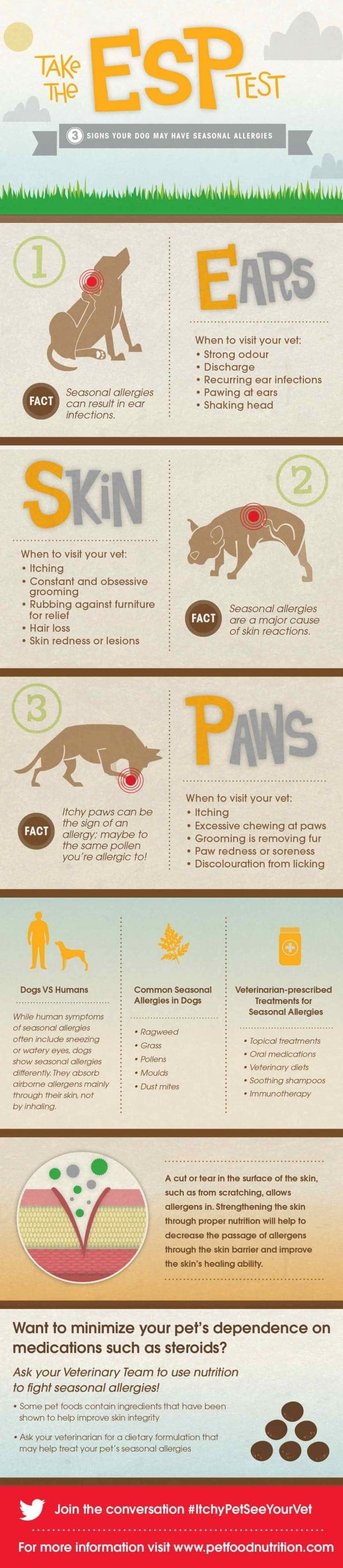
As pet parents, we want our furry companions to live healthy and comfortable lives. However, just like humans, dogs can suffer from seasonal allergies, often triggered by environmental factors such as pollen from trees and grass. These allergies can manifest in various ways, from persistent itching in specific areas like the paws to generalized discomfort all over their body. Recurring ear and skin infections are also common symptoms that can significantly impact a dog’s quality of life. While seasonal allergies cannot be entirely cured, they can be effectively managed to ensure your dog remains comfortable. Treatments can range from anti-itch medications to therapies addressing secondary infections and even allergy shots, with the guidance of a veterinarian.
Key Takeaways
Dogs with seasonal allergies often react to common environmental allergens including pollen, molds, yeasts, and dust mites. The tell-tale signs of these allergies typically involve excessive licking, scratching, chewing, and can lead to skin and ear infections, as well as noticeable head shaking. While a cure is not possible, seasonal allergies in dogs can be managed by identifying the specific seasons that trigger your dog’s symptoms and commencing treatment proactively before each allergy season begins. The treatment approach often includes anti-itch medications, specific treatments for skin and ear infections, regular ear cleaning, topical therapies, and desensitizing allergy shots.
Can Dogs Experience Seasonal Allergies?
Yes, dogs are susceptible to seasonal allergies. If your dog exhibits allergy symptoms predominantly during particular times of the year, such as spring or fall, it strongly suggests a seasonal allergy rather than a year-round condition. This indicates that your dog is reacting to specific allergens present in the environment only during certain periods. Unlike year-round environmental allergies or food allergies, seasonal allergies are characterized by symptom onset tied to specific times of the year, dependent on the dog’s sensitivities and the prevalence of those allergens. While spring (March-May) and fall (September-November) are common periods for these allergies, the exact timing can be influenced by weather patterns and geographical location.
What Triggers Seasonal Allergies in Dogs?
A dog suffering from seasonal allergies possesses an immune system that is over-reactive to certain environmental allergens. When the concentration of these allergens increases, the dog’s immune system is activated, leading to an allergic response and the manifestation of symptoms. Common environmental allergens that frequently trigger seasonal allergies in dogs include tree pollen, weed pollen, various molds and yeasts, as well as dust mites and storage mites.
Symptoms of Seasonal Allergies in Dogs
The specific symptoms can vary from one dog to another, but commonly observed signs include:
- Excessive Licking: Leading to saliva staining of the fur, particularly in areas of intense itching.
- Chewing or Gnawing: Dogs may compulsively chew at their skin.
- Scratching: A primary indicator of itchiness.
- Hair Loss: Resulting from persistent scratching and chewing.
- Skin Redness: Indicating inflammation.
- Crusts and Moist Skin: Signs of irritation and potential infection.
- Skin Discoloration: Darkening of the skin (hyperpigmentation) or thickening (lichenification), often described as “elephant skin.”
- Unpleasant Odors: A noticeable smell emanating from the skin or ears.
- Pawing at Face: Dogs may paw at their ears, eyes, or face due to irritation.
- Watery Eyes: Similar to human hay fever symptoms.
The most frequently affected areas on a dog’s body include the paws (especially between the toes), limbs, mouth, ears, abdomen, groin, armpits, tail, and the area around the eyes.
Diagnosing Seasonal Allergies in Dogs
Diagnosing seasonal allergies in dogs typically involves a combination of:
- Physical Examination: A thorough check-up by a veterinarian.
- Symptom Assessment: Evaluating the specific signs your dog is exhibiting.
- Medical History: Noting a pattern of recurring symptoms and infections during the same seasons annually.
It is crucial to rule out other skin conditions that can present similar symptoms, such as skin mites, flea infestations, or food allergies, to accurately diagnose canine seasonal allergies.
Treatment for Seasonal Allergies in Dogs
Since seasonal allergies are a chronic condition, there is no definitive cure. However, various treatments and management strategies can significantly improve your dog’s comfort levels.
Anti-Itch Medications
These medications are prescribed to provide immediate relief from itching and to manage itch during flare-ups. Medications like Zenrelia, available for dogs over 12 months, work by quickly blocking itch signals to the brain. Other effective options include Apoquel, Cytopoint, and prednisone. Controlling the itch is paramount, as it reduces the risk of secondary skin infections and keeps your dog comfortable. Typically, anti-itch medication is administered preventatively before the allergy season begins and continued for a month after the season ends, based on the dog’s historical pattern. If itching persists, a recovery cone may be necessary to prevent self-trauma from licking and chewing.
Medications for Ear Infections
Ear infections are a common complication of seasonal allergies. Medications such as Mometamax, Posatex, and Tresaderm are frequently prescribed to treat bacterial and/or yeast infections in a dog’s ears. A follow-up appointment with your veterinarian is essential after treatment to ensure the infection has fully resolved.
Oral Medications for Skin Infections
When skin infections spread to multiple body areas, oral medications are often required. Antibiotics like clindamycin and cephalexin are used to combat bacterial skin infections, while anti-fungal medications such as ketoconazole are prescribed for fungal infections, including yeast infections.
Immunotherapy
Immunotherapy involves allergy shots or oral drops formulated based on the results of allergy blood tests. The primary goal of immunotherapy is to gradually desensitize the dog to the environmental allergens that trigger their symptoms. This treatment is typically administered long-term at a maintenance dosage. To identify specific environmental allergens, a blood test can be conducted by your veterinarian, utilizing tests like Heska’s Allercept or Nextmune’s Pet Allergy Xplorer. Additionally, a veterinary dermatologist may perform intradermal testing, which involves injecting small amounts of various allergens into the dog’s skin to observe for reactions. It’s important to understand that these testing methods are not diagnostic on their own but are instrumental in creating a personalized immunotherapy plan for a dog already diagnosed with seasonal allergies.
Home Remedies for Seasonal Allergies in Dogs
While home remedies can offer some relief, it is crucial to consult with your veterinarian before implementing any. They can provide recommendations tailored to your dog’s specific condition. Home remedies may include:
- Topical Therapy: Various topical treatments, including anti-bacterial and anti-fungal ointments, shampoos, conditioners, mousses, sprays, and wipes, can help soothe the skin and manage infections. Your veterinarian can guide you on the most appropriate options based on your dog’s symptoms and skin condition.
Managing Seasonal Allergies in Dogs
The chronic and non-curative nature of seasonal allergies can be challenging for both dogs and their owners. Limiting exposure to allergens like pollen can be difficult, as it can easily be tracked indoors. Fortunately, proactive management can significantly improve a dog’s quality of life. This involves recognizing the specific seasons that trigger symptoms and initiating treatment before the onset of each allergy season. Wiping your dog’s paws after they come inside can also be beneficial. Lifelong management is typically required unless the dog can be relocated to an environment free of the offending allergen.
It’s essential to consistently monitor your pet for key symptoms throughout the year, including itchiness (scratching, licking, gnawing, chewing), head shaking, pawing at ears or eyes, any skin lesions (redness, crusts, thickening, or dark pigmentation), and unusual odors from the skin or ears. Prompt veterinary attention is crucial if any of these symptoms appear, as allergic skin conditions can deteriorate rapidly if left uncontrolled. A combination of prescribed therapies and timely veterinary care represents the most effective approach to managing a dog’s seasonal allergies.
Dog Seasonal Allergies FAQs
How are seasonal allergies treated in dogs?
Treatment for seasonal allergies in dogs often involves a combination of anti-itch medications, topical treatments, and immunotherapy, as recommended by a veterinarian.
What is the most effective approach for dogs with skin allergies?
A multimodal approach, combining various therapies, is generally the most effective for dogs with skin allergies. The goals include strengthening the skin barrier, managing itchiness, and preventing secondary infections. Finding the optimal combination may require some trial and error, as each dog responds differently.
