
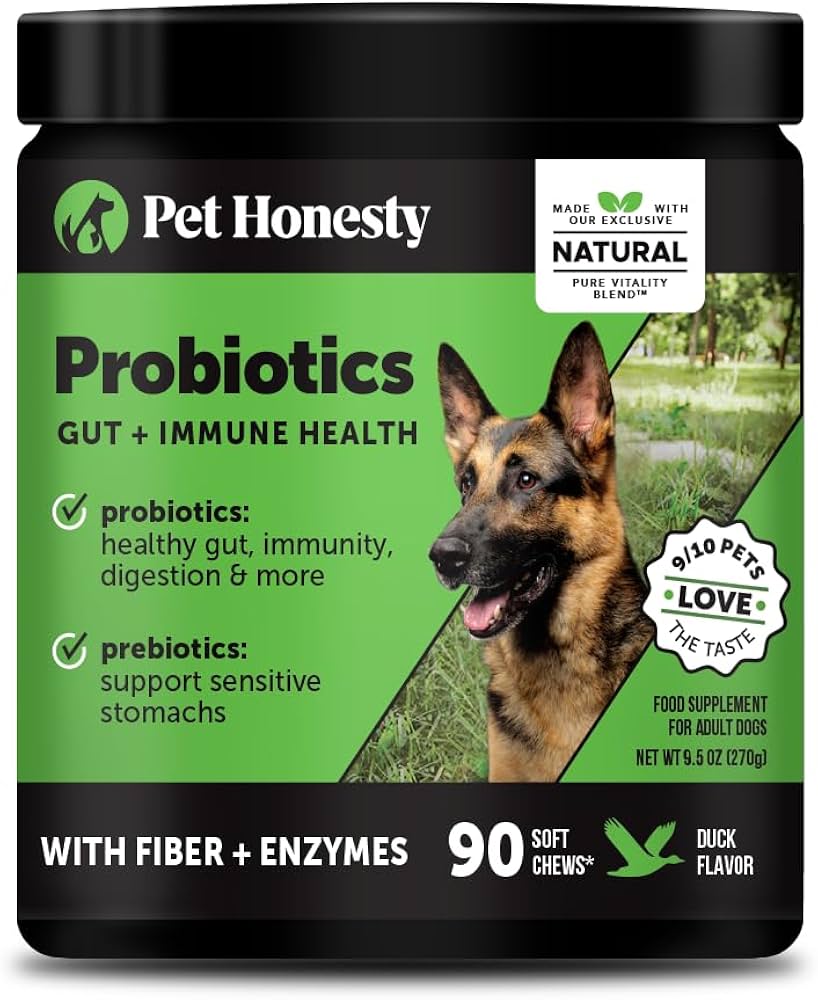
Probiotics, often referred to as “friendly” bacteria, are gaining significant recognition for their profound impact on canine health. While once believed to outnumber human cells ten to one, recent research suggests a more balanced ratio of bacteria to cells in the human body. Nevertheless, the sheer volume of bacteria, particularly in the gut, plays a critical role in overall well-being. Probiotics offer a wealth of benefits, from enhancing digestion and bolstering the immune system to potentially reducing the risk of various diseases.
This comprehensive guide, crafted with insights from veterinary professionals, aims to demystify the world of dog probiotics and empower pet parents to make informed choices. We delve into what probiotics are, when they are most beneficial, and how to select the highest quality options for your canine companion.
What Are Probiotics for Dogs?
Probiotics are live beneficial bacteria and yeasts that, when administered in adequate amounts, confer a health benefit on the host. In dogs, these supplements are designed to support a healthy balance of microorganisms within the gut. This delicate equilibrium is crucial, as disruptions—often caused by illness, stress, or dietary changes—can lead to gastrointestinal problems such as diarrhea, gas, and even halitosis.
It’s important to distinguish probiotics from prebiotics and postbiotics. Prebiotics are non-digestible fibers that serve as fuel for beneficial bacteria, while postbiotics are the health-promoting compounds produced by probiotics during the fermentation of prebiotics. Probiotics for dogs on antibiotics are particularly valuable for restoring this microbial balance.
Probiotics can be administered in various forms, including chews, liquids, powders, and capsules. However, heat and humidity can significantly degrade the viability of these microorganisms. For this reason, dry powder forms are often preferred for their stability.
When Should You Give Probiotics to Your Dog?
While probiotics can be beneficial for generally healthy dogs, they are especially advantageous in specific circumstances:
- Digestive Upset: Probiotics are widely recognized for their efficacy in managing diarrhea and other gastrointestinal issues, including inflammatory bowel disease. Research supports their use in cases of antibiotic-associated diarrhea (AAD), helping to re-establish a healthy gut flora.
- Dental Health: Certain probiotic strains have shown promise in reducing dental plaque and improving overall oral hygiene.
- During Pregnancy: Studies suggest that supplementing pregnant dogs with probiotics and prebiotics can enhance the quality of colostrum, providing crucial antibodies for newborn puppies.
- Dietary Changes: Introducing probiotics can help dogs adjust to new food formulations, minimizing digestive upset.
- Aging Dogs: As dogs age, their gut microbiome can change, making probiotic supplementation beneficial for maintaining digestive health.
- Medication Use: Certain medications, especially antibiotics, can disrupt the gut flora, making probiotics a valuable adjunct therapy.
- Parasitic Infections: Probiotics may play a role in supporting gut health during the treatment of parasitic infections.
How to Choose the Best Probiotics for Your Dog
Navigating the market for the best probiotic for your dog can be daunting. Here are key factors to consider:
- Health Target: Identify your dog’s specific health concerns. Consult with a veterinarian to determine the most suitable probiotic for their needs.
- Scientific Evidence: Prioritize probiotics with well-documented research supporting the efficacy of their specific strains. The more studies backing a particular strain, the more likely it is to be effective.
- Beneficial Strains: Look for probiotics containing strains proven for specific health concerns. For general digestive health, Enterococcus faecium, Saccharomyces cerevisiae boulardii, and Bifidobacterium species are commonly recommended. Strains like Lactobacillus and Bacillus subtilis offer additional benefits, with Bacillus often providing superior stability.
- Veterinary Expertise: Brands developed or endorsed by veterinarians often adhere to higher quality standards.
- Formulation: While capsules, chews, and liquids are available, powders often offer superior stability and more precise dosing.
- Potency (CFU Count): Colony-Forming Units (CFU) indicate the number of viable microorganisms. Lower CFUs may suffice for general health, while higher CFUs are often recommended for more severe conditions. Remember that optimal dosages vary by strain.
- Customer Reviews: Real-world experiences can offer valuable insights, though individual results may vary.
Benefits of Probiotics for Dogs
The advantages of incorporating probiotics into your dog’s diet are multifaceted:
Improved Digestion and Nutrient Absorption
Probiotics optimize the gut environment, supporting the production of digestive enzymes and enhancing the breakdown and absorption of nutrients. Strains like Saccharomyces boulardii have demonstrated effectiveness in managing various enteropathies. Supplementation with Bifidobacterium animalis AHC7 has been shown to reduce the duration of diarrhea, and probiotics may also lessen the reliance on antibiotics.
Reduction in Allergies and Skin Conditions
Probiotics can influence the immune system, potentially reducing allergic reactions by promoting regulatory T-cells and preventing allergens from entering the bloodstream. Studies on canine atopic dermatitis (CAD) suggest that strains like Lactobacillus sakei probio-65 and Bifidobacterium longum can significantly improve skin lesions and reduce disease severity.
Weight Management Support
Research indicates a link between gut bacteria composition and body weight. Certain probiotic strains, such as Enterococcus faecium IDCC 2102 and Bifidobacterium lactis IDCC 4301, have shown efficacy in reducing body weight, lipid accumulation, and inflammation in obese canines.
Renal Support
While research is ongoing, some studies in human patients suggest that probiotic supplementation may help mitigate renal injuries. This points to a potential, though not yet fully established, benefit for dogs with kidney issues.
Enhanced Immune System Function
A balanced gut microbiome, fostered by probiotics, is intrinsically linked to a robust immune system. By reducing the prevalence of harmful bacteria, probiotics help prevent chronic inflammation and infections. Studies have shown that probiotic supplementation can increase feed intake, promote weight gain, and positively alter gut microbial structure, particularly in elderly dogs, leading to improved overall health and immune response.
Anxiety Alleviation
There’s a growing understanding of the gut-brain axis, suggesting that gut health can influence behavior. For dogs experiencing anxiety-related gastrointestinal issues, probiotics may help rebalance the gut microbiome, potentially alleviating these symptoms.
Precautions and Considerations
Probiotics are generally safe for dogs, but a few precautions are necessary:
- Possible Side Effects: While uncommon, some dogs may experience temporary digestive upset like gas, bloating, or diarrhea when first starting probiotics. Gradual introduction and monitoring are key. Allergic reactions, though rare, can manifest as itching or hives.
- High-Quality Products: Opt for probiotics formulated by veterinary professionals, supported by scientific research, and manufactured in reputable facilities. Look for third-party testing to ensure product purity and potency.
- Veterinary Consultation: Always consult your veterinarian before introducing any new supplement, including probiotics, to ensure it’s appropriate for your dog’s specific health needs and to discuss optimal dosage and strain selection.
Top Probiotics for Dogs in 2026
Based on current research and veterinary recommendations, here are some of the top probiotic options for dogs:
Best Overall Probiotic: Synbiotic GB-01® – Gut Balance
This synbiotic formula combines probiotics (Enterococcus faecium NCIMB 10415) with prebiotics (FOS and acacia gum) for comprehensive microbiome support. It’s backed by extensive clinical trials involving shelter dogs and is known for its efficacy in improving stool consistency and reducing diarrhea. Its simple formulation makes it suitable for dogs with sensitivities. Get $10 Off!
Best Probiotic with Clay: Pro-Kolin Advanced for Dogs by Protexin
This supplement features a blend of probiotics, prebiotics (FOS and acacia gum), soothing fibers like pectin, and a dual-source binding agent. It aims to soothe the gut lining and absorb excess water, making it beneficial for dogs experiencing digestive distress.
Best Maintenance Probiotic: Animal Biome GI Relief
A unique blend of phages (PreForPro), prebiotics (FOS), and probiotics (S. boulardii), this product is recommended for daily use in healthy dogs to maintain gut health. It is also cited for its potential to reduce diarrhea associated with antibiotics, C. difficile, or E. coli.
Best Probiotic for Kidney Support: Azodyl
Specifically formulated for dogs with kidney issues, Azodyl contains bacterial strains—Streptococcus thermophilus, Lactobacillus acidophilus, and Bifidobacterium longum—that help manage uremic toxins. Its acid-resistant capsules ensure the probiotics reach the colon effectively.
Conclusion
Probiotics represent a powerful tool in promoting and maintaining your dog’s overall health, particularly their gastrointestinal well-being. From improving digestion and nutrient absorption to potentially alleviating allergies and supporting immune function, the benefits are substantial. By consulting with your veterinarian and carefully selecting high-quality, research-backed probiotic supplements, you can significantly contribute to your dog’s long-term health and happiness.
What positive changes have you observed in your dog since introducing probiotics? Share your experiences in the comments below!
FAQ
What are the benefits of probiotics for dogs?
Probiotics support gut health by maintaining a balanced digestive system, reducing diarrhea, improving stool quality, enhancing nutrient absorption, and strengthening immune function.
Can I give human probiotics to my dog?
It’s not recommended, as human probiotics are formulated for human digestive systems. Dogs require species-specific strains like Enterococcus faecium NCIMB 10415, found in veterinary-formulated supplements.
Are probiotics safe for dogs with sensitive stomachs?
Yes, when the right strains are chosen, probiotics can be very beneficial for sensitive stomachs, helping to reduce gas, bloating, and irregular stools.
How do I know if a probiotic is working for my dog?
Look for improvements in stool quality, reduced gas and bloating, a better appetite, increased energy levels, and overall well-being. Consistency and tracking changes over several weeks are key to assessing effectiveness.
