
Potty training a dog is a cornerstone of responsible pet ownership, laying the foundation for a harmonious life together. It requires patience, consistency, and understanding your dog’s needs. Whether you’re welcoming a new puppy or an older rescue dog, mastering effective potty training techniques is crucial. This comprehensive guide delves into the Best Dog Potty Training methods, products, and tips to ensure success for both you and your canine companion.
Understanding the Basics of Dog Potty Training
Before diving into specific methods, it’s essential to grasp the fundamental principles of potty training. Dogs are naturally clean animals and generally avoid soiling their living space. Your goal is to help them understand where it is appropriate to relieve themselves. This involves establishing a routine, recognizing your dog’s signals, and reinforcing desired behaviors. Consistency is key; every member of the household should be on the same page with the training approach.
Why is Potty Training So Important?
Beyond basic hygiene, successful potty training significantly strengthens the bond between you and your dog. It reduces stress for everyone involved, preventing accidents that can lead to damage in your home and frustration for the owner. A well-potty-trained dog is a more confident dog, and a more confident dog is a happier companion. It’s a vital step in integrating your pet into your daily life and building a trusting relationship.
Recognizing Your Dog’s Signals
Dogs communicate their need to go potty through various signals. These can include:
- Whining or barking at the door
- Restlessness or pacing
- Circling
- Sniffing the ground intently
- Suddenly stopping play or other activities
Learning to recognize these cues is paramount. The sooner you can identify your dog’s needs, the quicker you can guide them to the appropriate potty spot and prevent accidents indoors. Early intervention is far more effective than cleaning up after the fact.
Top Dog Potty Training Methods
Several effective methods can be employed for dog potty training, each with its own advantages. The best approach often depends on your dog’s age, breed, personality, and your living situation.
Crate Training
Crate training utilizes a dog’s natural instinct to keep their den clean. When used correctly, a crate becomes a safe haven for your dog, and they will resist soiling it.
- Introduce the Crate: Make the crate a positive space with comfortable bedding and toys. Feed your dog meals inside the crate with the door open.
- Establish a Routine: Take your dog out to their designated potty area immediately after waking up, after meals, after playtime, and before bedtime.
- Supervise Closely: When your dog is not in the crate, supervise them constantly. If you can’t supervise, the crate is the safest option.
- Praise and Reward: When your dog successfully potties outside, offer enthusiastic praise and a high-value treat.
Schedule-Based Training
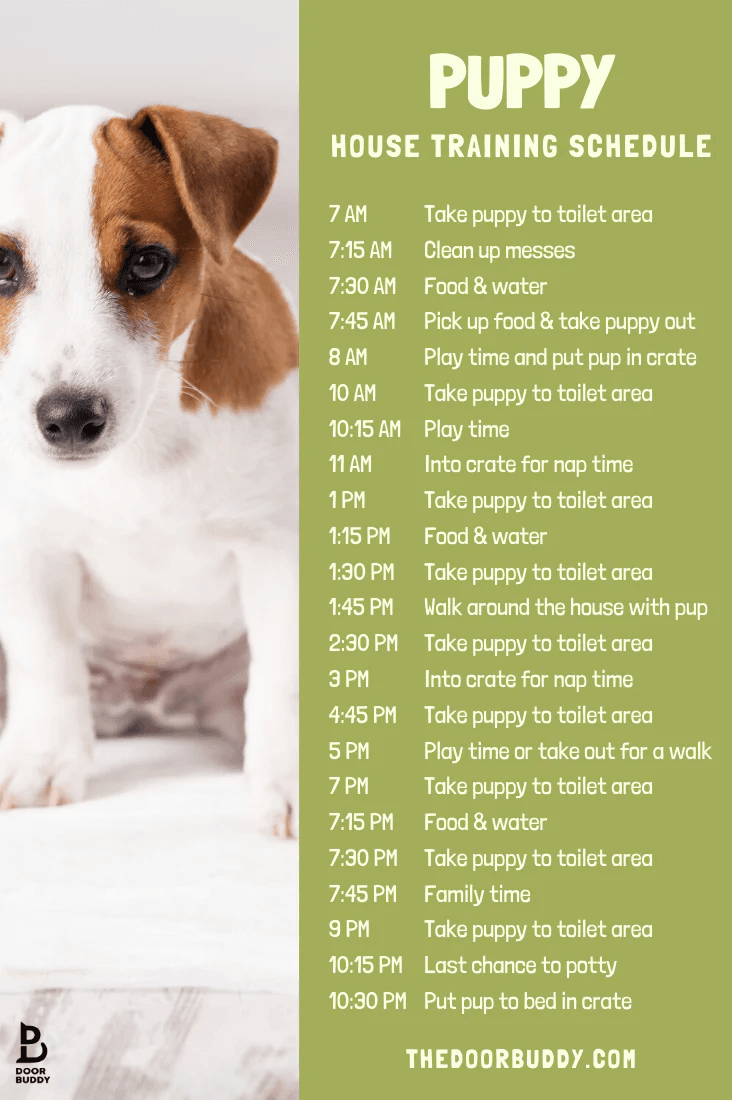
This method relies heavily on establishing a strict schedule for potty breaks. It’s particularly effective for puppies and older dogs with less control.
- Puppies (under 6 months): Require frequent trips outside, often every 1-2 hours initially.
- Adult Dogs: May need to go out every 4-6 hours, depending on their habits and bladder control.
The key is to be proactive. Take your dog out before they signal they need to go. Gradually increase the time between breaks as your dog demonstrates consistent success.
Indoor Potty Solutions: The Best Dog Potty Training Aids
For owners living in apartments, those with mobility issues, or when facing extreme weather, indoor potty solutions are invaluable. These options provide a designated space for your dog to relieve themselves inside.
1. Potty Pads (Puppy Pee Pads)
Potty pads are absorbent mats, often infused with attractants, that mimic the texture of grass. They are a popular choice for initial house training.
Pros:
- Convenient for small spaces or bad weather.
- Easy to clean up.
- Can help bridge the gap between initial training and outdoor success.
Cons:
- Dogs may develop a habit of going indoors, making the transition to outdoor potty training more challenging (see puppy pad training vs outside).
- Some dogs may chew or shred the pads.
Tips for using potty pads:
- Place them in a designated, easily accessible area.
- Start with multiple pads and gradually reduce the number as your dog learns.
- Clean up accidents immediately.
- Always follow up with outdoor potty breaks.
2. Dog Litter Boxes
Similar to those used for cats, dog litter boxes offer a contained indoor potty solution. They can range from simple plastic pans to elaborate systems with artificial turf.
Pros:
- Provides a consistent indoor spot.
- Can be easier to clean than dealing with scattered pads.
- Some systems are designed to be more appealing to dogs.
Cons:
- Requires training the dog to use a specific confined area.
- Can take up significant space.
- May not be suitable for larger breeds.
Tips for dog litter box training:
- Choose a box size appropriate for your dog.
- Use the right litter material (e.g., artificial grass, pellets).
- Introduce the box gradually, similar to crate training.
- Always reward successful use. You can find more details on dog litter box training tips.
3. Artificial Grass Patches / Dog Grass Patch
These are durable, washable patches of artificial turf that can be placed indoors or on balconies. They offer a more realistic “outdoor” feel than traditional pads.
Pros:
- Feels more natural for dogs who prefer grass.
- Durable and reusable.
- Good for balconies or small yards.
Cons:
- Can be more expensive upfront.
- Requires regular cleaning to prevent odor.
Essential Products for Potty Training Success
Having the right tools can make a significant difference in your potty training journey. Here are some of the best dog potty training products:
1. High-Quality Potty Pads
When choosing pads, look for those with excellent absorbency, odor control, and a non-slip backing. Some pads also include an attractant scent to help guide your dog. For example, best dog potty training pads often feature multiple layers for maximum protection.
2. Potty Training Sprays (Attractant & Cleaner)
- Attractant Sprays: These contain pheromones or scents that encourage dogs to urinate in a specific spot. Use them on your chosen potty spot (pad, grass patch, or outdoor area) to guide your dog.
- Odor Eliminator Sprays: Accidents are inevitable. Enzymatic cleaners are essential for breaking down urine molecules and eliminating odors completely, preventing your dog from returning to the same spot.
3. Poop Bags and Dispensers
For outdoor potty training, always be prepared to clean up after your dog. High-quality, durable poop bags are a must. Consider a dispenser that attaches to your leash for convenience.
4. Crate and Training Gates
A comfortable crate is essential for crate training. Baby gates or pet gates can be used to restrict your dog’s access to certain areas of the house, helping you manage supervision.
Potty Training Older Dogs and Rescues
Potty training an older dog or a rescue can present unique challenges. These dogs may have:
- Pre-existing habits from previous environments.
- Medical conditions affecting bladder or bowel control.
- Anxiety or fear due to past experiences.
Key strategies for older dogs:
- Patience is Paramount: Understand that it may take longer.
- Vet Check-up: Rule out any underlying medical issues.
- Establish a Routine: Stick to a predictable schedule for potty breaks.
- Positive Reinforcement: Focus on rewarding successes. Avoid punishment, which can create fear and anxiety.
- Consider their history: If the dog comes from a shelter, they might already have some understanding of house training, but their specific signals or needs might differ. Understanding what does house trained dog mean can provide a baseline.
Troubleshooting Common Potty Training Problems
Even with the best intentions, you might encounter hurdles. Here are solutions to common issues:
1. Accidents Indoors
- Prevention: Increase supervision, shorten time between potty breaks, and ensure you’re recognizing signals.
- Cleanup: Use an enzymatic cleaner immediately. Don’t scold your dog after the fact, as they won’t associate the punishment with the past accident. If you catch them in the act, calmly interrupt and take them outside.
2. Dog Relieves Themselves Immediately After Coming Inside
This often means your dog wasn’t given enough time outside to fully empty their bladder or bowels. Stay outside with them for a few extra minutes, even if they seem finished.
3. Dog Urinating or Defecating in Crate
This can indicate:
- The crate is too large, allowing them space to soil one end and sleep in the other.
- They are being left in the crate for too long.
- A medical issue.
- Anxiety.
Re-evaluate crate size, duration, and consult your vet.
4. Marking Behavior
Intact male dogs, and sometimes females, may mark their territory indoors. Neutering or spaying can help reduce this. Thoroughly clean marked areas and use deterrents if necessary.
Frequently Asked Questions (FAQ)
Q1: How long does it typically take to potty train a puppy?
A1: Potty training duration varies greatly, but many puppies achieve basic house training within 4-6 months. Consistency and patience are key throughout the process.
Q2: What’s the best way to potty train a puppy if I work full-time?
A2: This is challenging but manageable. Arrange for a dog walker or pet sitter to take your puppy out during the day. Utilize a crate when you can’t supervise, and stick to a strict schedule when you are home. Consider daycare if feasible.
Q3: Can I still potty train an adult dog?
A3: Absolutely! Adult dogs are capable of learning new behaviors. It may take more time and a different approach than training a puppy, but it’s definitely possible with consistency and positive reinforcement.
Q4: My dog poops right after we come back inside. What should I do?
A4: Ensure your dog is given ample time to finish their business outdoors. Stay with them and encourage them to go. If it persists, consider a slightly longer outdoor potty break, or seek advice from a trainer.
Q5: What if my dog is afraid to go potty outside?
A5: This can stem from fear of the environment, weather, or past negative experiences. Try creating a safe and positive potty area outdoors, use attractant sprays, and gradually accustom them to the outdoors. Ensure a positive association by offering treats and praise immediately after they go.
Q6: Should I punish my dog for accidents?
A6: No. Punishment is ineffective and can create fear and anxiety, hindering the training process. If you catch your dog in the act, calmly interrupt and take them outside. If you discover an accident later, simply clean it up thoroughly without scolding.
Conclusion: The Rewarding Journey of Potty Training
Potty training your dog is a journey that requires dedication, understanding, and a lot of positive reinforcement. By implementing consistent routines, recognizing your dog’s signals, and utilizing the best dog potty training methods and products available, you can successfully guide your canine companion to achieve house-training mastery. Remember that every dog learns at their own pace. Celebrate the successes, learn from the setbacks, and enjoy the deepening bond that comes with a well-trained and happy dog. For more specific training advice, explore resources like dog training jacksonville nc for localized expert tips.
