
Are you looking for a furry companion that’s eager to learn and ready to please? The journey of dog ownership is incredibly rewarding, and choosing the right breed for training can make all the difference. Whether you’re a first-time owner or an experienced handler, understanding which breeds excel in obedience, agility, or even complex tasks is key. Let’s dive into what makes a dog a great candidate for training and explore some of the top contenders.
Understanding Trainability in Dogs
When we talk about a dog being “trainable,” we’re looking at a combination of factors. It’s not just about intelligence; it’s also about their willingness to work with you, their energy levels, their focus, and their inherent desire to please their human companions. Some breeds were specifically developed for tasks that required them to think, follow commands, and work closely with people, making them naturally predisposed to training.
Key Traits of a Trainable Dog:
- Intelligence: The ability to learn and understand commands quickly.
- Eagerness to Please: A strong desire to make their owner happy, which motivates them during training.
- Focus: The capacity to concentrate on training tasks without getting easily distracted.
- Energy Levels: Appropriate energy for the type of training you intend to do. Some dogs need vigorous activity, while others are content with shorter sessions.
- Temperament: A stable, confident, and friendly disposition generally makes training smoother.
Top Dog Breeds for Training
While many dogs can be trained with patience and consistency, some breeds consistently stand out for their trainability. These breeds often excel in various dog sports, service roles, and as devoted family pets.
1. Border Collie
Often hailed as the most intelligent dog breed, Border Collies are workhorses with an unparalleled drive to learn. Originally bred for herding sheep, they possess incredible focus, agility, and problem-solving skills. They thrive on having a job to do and excel in activities like agility, obedience trials, and flyball. If you’re looking for a canine partner that can learn complex commands and perform demanding tasks, the Border Collie is an exceptional choice. However, their high intelligence and energy mean they require significant mental and physical stimulation to prevent boredom and potential behavioral issues.
2. Poodle (Standard, Miniature, Toy)
Don’t let their often-pampered show-dog image fool you; Poodles are exceptionally intelligent and highly trainable dogs. They are consistently ranked among the smartest breeds, possessing a remarkable ability to learn and retain commands. Poodles are not only adept at obedience but also excel in various dog sports. Their hypoallergenic coat is another bonus for many owners. Whether you choose a Standard, Miniature, or Toy Poodle, you’re getting a versatile and eager-to-please companion. Their intelligence means they need regular mental challenges, so engaging them with puzzle toys or new training exercises is crucial.
3. German Shepherd
Renowned for their loyalty, courage, and intelligence, German Shepherds are a top choice for police work, military service, and as family protectors. Their trainability is exceptional, making them capable of mastering a wide range of tasks, from guarding and detection to search and rescue. German Shepherds are eager to learn and respond well to consistent, firm training methods. Their protective nature, combined with their intelligence, makes them highly effective working dogs and devoted companions, provided they receive proper socialization and training from an early age.
4. Golden Retriever
Golden Retrievers are beloved for their friendly, devoted, and eager-to-please nature, making them one of the most popular family dogs. Their intelligence and innate desire to work with humans translate into excellent trainability. Goldens excel in obedience, retrieving, and as service and therapy dogs due to their gentle temperaments and intelligence. They are enthusiastic learners who respond well to positive reinforcement. Their joyful disposition and patient attitude make them wonderful companions for families and individuals alike.
5. Labrador Retriever
Similar to their Golden cousins, Labrador Retrievers are consistently ranked as one of the most popular breeds worldwide, thanks in large part to their incredible trainability and amiable personalities. Labs are intelligent, outgoing, and eager to please, making them a joy to train. They excel in various roles, including as guide dogs, search and rescue dogs, and devoted family pets. Their love for activity and retrieving makes training sessions engaging and fun. Their robust energy levels mean they need regular exercise to stay happy and well-behaved.
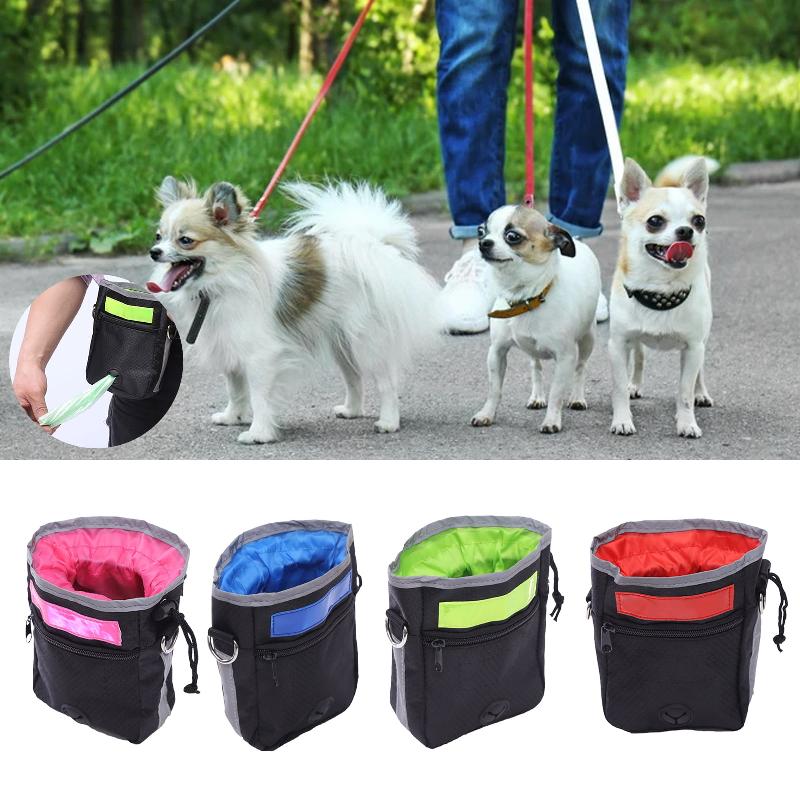 Happy Labrador Retriever with a training pouch. The dog’s tail is wagging, and its expression shows eagerness to learn and receive a reward.]
6. Doberman Pinscher
Doberman Pinschers are known for their intelligence, alertness, and loyalty. They are highly trainable dogs that can excel in obedience, protection work, and as active family companions. With consistent training and early socialization, Dobermans form strong bonds with their families and are responsive to commands. Their sleek appearance and confident demeanor make them striking companions, but their intelligence and energy require an owner committed to providing them with ample exercise and mental challenges. Exploring [best dog training method] can be particularly beneficial for this breed.
7. Australian Shepherd
Australian Shepherds are intelligent, energetic herding dogs that are incredibly versatile and trainable. They possess a strong work ethic and a desire to learn, making them excel in dog sports like agility, herding trials, and obedience. Aussies are loyal companions that thrive on an active lifestyle and need owners who can provide them with consistent mental and physical stimulation. Their intelligence means they can also become bored and find their own (sometimes mischievous) entertainment if not properly engaged.
Beyond Breed: The Importance of Training Methods
While breed plays a significant role in trainability, the methods you use are equally crucial. Positive reinforcement, which involves rewarding desired behaviors with treats, praise, or toys, is widely considered the most effective and humane approach. Consistency, patience, and understanding your dog’s individual personality are key to successful training, regardless of their breed. If you’re looking for structured guidance, consider exploring [best dog training courses] or [top dog training nj] to find professional help.
Frequently Asked Questions
Q: Which dog breed is the easiest to train?
A: Breeds like Golden Retrievers, Labrador Retrievers, and Poodles are generally considered very easy to train due to their intelligence and eagerness to please.
Q: Can intelligent dogs be difficult to train?
A: While highly intelligent dogs learn quickly, they can also become bored easily if not sufficiently challenged. This can sometimes lead to “training challenges” if their intelligence isn’t channeled positively.
Q: What is the best age to start training a dog?
A: Training can and should begin as soon as you bring your puppy home, typically around 8 weeks old. Early socialization and basic obedience are vital.
Q: How important is socialization for a trainable dog?
A: Extremely important. Socialization helps dogs become well-adjusted and confident, which makes them more receptive to training and better behaved in various situations.
Conclusion: Your Training Journey Awaits
Choosing a dog breed known for its trainability sets you up for a more enjoyable and rewarding experience. Breeds like the Border Collie, Poodle, German Shepherd, Golden Retriever, and Labrador Retriever offer exceptional potential for learning and companionship. Remember that consistent training, positive reinforcement, and a deep understanding of your dog’s needs are paramount. With the right partner and the right approach, you’ll build a strong bond and embark on a wonderful journey of discovery with your well-trained canine companion.
