
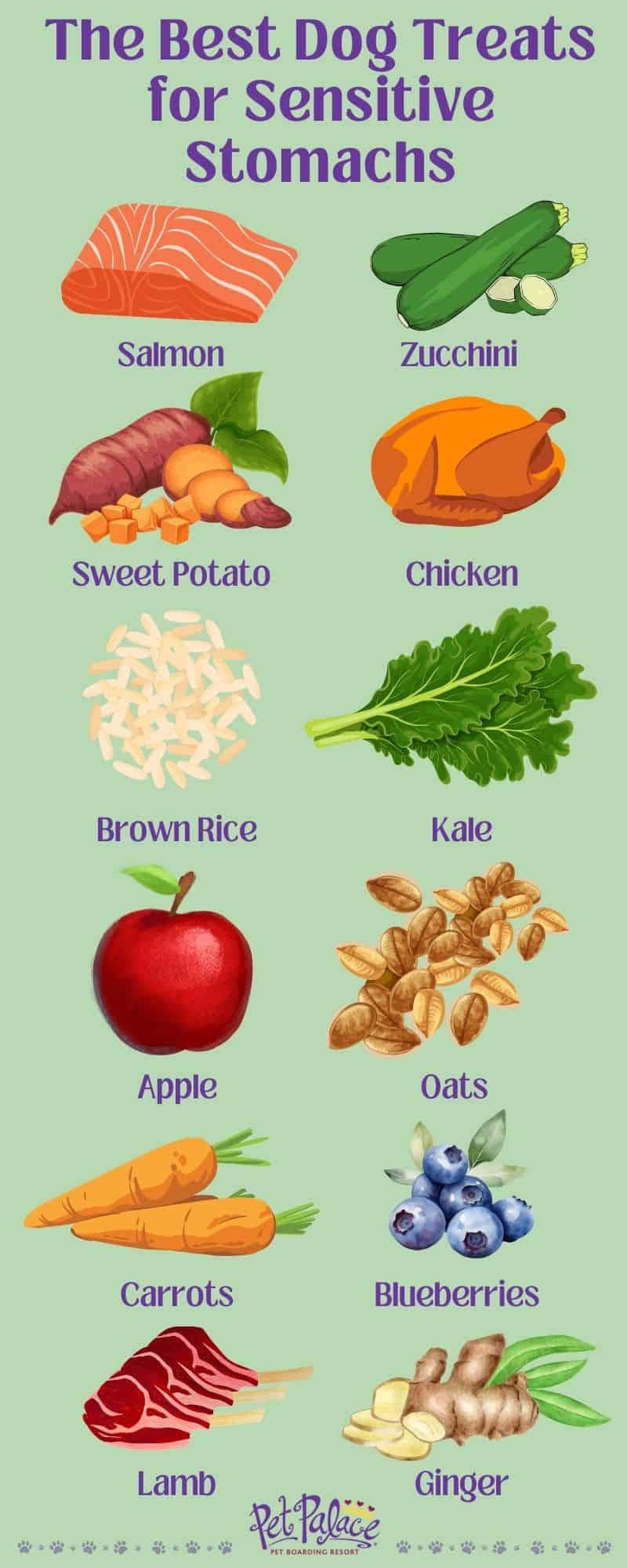
A sensitive stomach in dogs can be a distressing issue for both pets and their owners. While the term often refers to mild intestinal upset, it can sometimes signal more serious underlying health problems. Before exploring dietary changes, it’s crucial to consult with your veterinarian to accurately diagnose the cause of your dog’s digestive issues. This initial step can save you time and money in the long run by ensuring you address the root cause, whether it’s a dietary intolerance or a more significant medical condition. Your vet may request a stool sample to test for parasites or other issues, helping to pinpoint the exact problem. Making an appointment with your vet to discuss symptoms such as vomiting, diarrhea, soft stools, or excessive gas is the first and most important step in helping your furry friend feel better.
Potential Causes of Sensitive Stomachs in Dogs
Beyond serious conditions like stomach cancer, several factors can contribute to a dog’s sensitive stomach. Food sensitivities and allergies are common culprits, with some dogs reacting poorly to specific protein sources like chicken or beef. Nutritional imbalances can also play a role; a diet lacking essential fiber, vitamins, or minerals, or conversely, one that is excessively high in fat, can lead to digestive upset. It’s also important to consider external factors. If your dog has a habit of scavenging through trash, consuming excessive treats, or eating table scraps, these non-food items could be the primary cause of their upset stomach.
Recognizing the Signs of a Sensitive Stomach
“Sensitive stomach” is a general term used to describe mild gastrointestinal distress in dogs. Common symptoms include:
- Occasional vomiting
- Loose stools
- Increased flatulence
Your dog might exhibit one, some, or all of these symptoms. It is critical to contact your veterinarian immediately if any symptoms are severe. Vomiting and diarrhea can indicate serious illnesses, and even persistent gas can be a sign of an underlying condition requiring prompt veterinary attention.
Implementing an Elimination Diet
If your veterinarian rules out serious medical conditions, a diet-related cause for your dog’s sensitive stomach is a strong possibility. An elimination diet, conducted in consultation with your vet, can help identify trigger foods. The process involves temporarily removing all food items from your dog’s diet except their prescribed dog food. This means strictly no table scraps, treats, or any other extras. You must also ensure your dog cannot access hidden food sources like trash, recycling bins, or even a cat litter box. If your dog’s symptoms improve after a few days of this strict regimen, and you are confident they haven’t ingested anything else, then the dog food itself is likely the issue.
Identifying Upsetting Dog Food Ingredients
Commercial dog foods are designed to be complete and balanced, containing a mix of proteins, fats, grains, vitamins, minerals, and sometimes fruits and vegetables. However, certain components can trigger sensitivities in some dogs:
Key Food-Related Triggers:
- Protein Source: Some dogs struggle to digest certain proteins. If your dog’s current food uses chicken, for instance, your vet might suggest a trial with food featuring beef, lamb, or fish as the primary protein. Remember to avoid all other food sources during this trial to ensure accurate results.
- Fiber Source: Increased fiber can benefit some dogs. Ingredients like beet pulp, inulin, and psyllium are excellent fiber sources that promote good fecal quality without negatively impacting nutrient absorption. Discuss with your vet whether adding fiber or switching to a high-fiber dog food is appropriate.
- Fat Content: Diets high in fat are more challenging for dogs to digest. Check the ingredient list of your dog’s current food; if fats and oils appear within the first four ingredients, the food may be too high in fat. Your vet can help you compare formulas and select a food with a lower fat content, often indicated on the “Guaranteed Analysis” section of the label.
- Vitamins and Minerals: Dog foods meeting AAFCO standards are formulated to provide adequate essential nutrients. However, if you feed a specialty diet (raw or home-cooked) or a food not balanced for your dog’s life stage, they could develop a nutrient imbalance. Ensure your dog receives all necessary nutrients by consulting your veterinarian and adjusting their diet as needed.
- Quality of Ingredients: Assessing ingredient quality can be challenging as labels don’t specify grade. Factors like brand reputation, price, published research, and veterinarian recommendations can help guide your decision. Look for brands that conduct feeding trials or employ board-certified veterinary nutritionists on staff.
Selecting a High-Quality Dog Food for Sensitive Digestion
Navigating the vast array of dog food options can be overwhelming, with many opinions available online. The most reliable approach is to start with your veterinarian. They can help rule out serious health conditions and recommend suitable food brands or problematic ingredients to avoid.
Beyond your vet’s advice, conduct thorough research using reputable sources like articles and journals written by veterinarians and board-certified veterinary nutritionists. Be critical of marketing claims; if a diet sounds too good to be true, it likely requires scientific backing.
Recommended Commercial Dog Foods
For convenience and effectiveness, commercial dog food formulas are often the best choice for dogs with sensitive stomachs. Popular and well-regarded options include Purina Pro Plan Sensitive Skin & Stomach and Royal Canin Digestive Care.
Key Considerations for Commercial Diets:
- “Complete and Balanced” Statement: Ensure the food label indicates it is “complete and balanced,” meaning it provides all necessary nutrients for dogs. This helps prevent deficiencies that can cause digestive upset.
- Label Analysis: Carefully review the ingredient list, paying attention to protein and fiber sources, and fat content. Confirm that the food is appropriate for your dog’s life stage. Always consult your veterinarian regarding any pet food recalls.
Finding the ideal food may require patience and trying several options. When switching foods, a gradual transition over approximately 10 days is crucial to avoid further upsetting your dog’s stomach or causing them to reject the new food.
Transitioning Your Dog to a New Food
The transition process should be gradual. Start by mixing about 80-90% of the old food with 10-20% of the new food for the first meal. Slowly increase the proportion of the new food over the 10-day period. Your veterinarian can provide personalized recommendations for the best transition strategy.
Homemade Diet Options
Occasionally, a bland homemade meal of cooked chicken and boiled rice can help settle an upset stomach. For dogs with persistent sensitive stomachs, homemade diets can be a viable long-term solution, provided they are nutritionally complete and balanced. Collaborating with your veterinarian or a veterinary nutritionist is essential to ensure all nutritional needs are met. Resources like balance IT, developed by a veterinary nutritionist, can be invaluable tools.
Veterinary Prescription Diets
In cases where commercial or homemade diets fail to resolve digestive issues, your veterinarian may prescribe a specialized prescription dog food diet. Just as human digestive sensitivities vary, so do those in dogs. Finding the right diet requires time, patience, and consistent collaboration with your vet. Don’t be discouraged if the first few attempts aren’t successful; with persistence, you can find a diet that significantly improves your dog’s well-being.
