
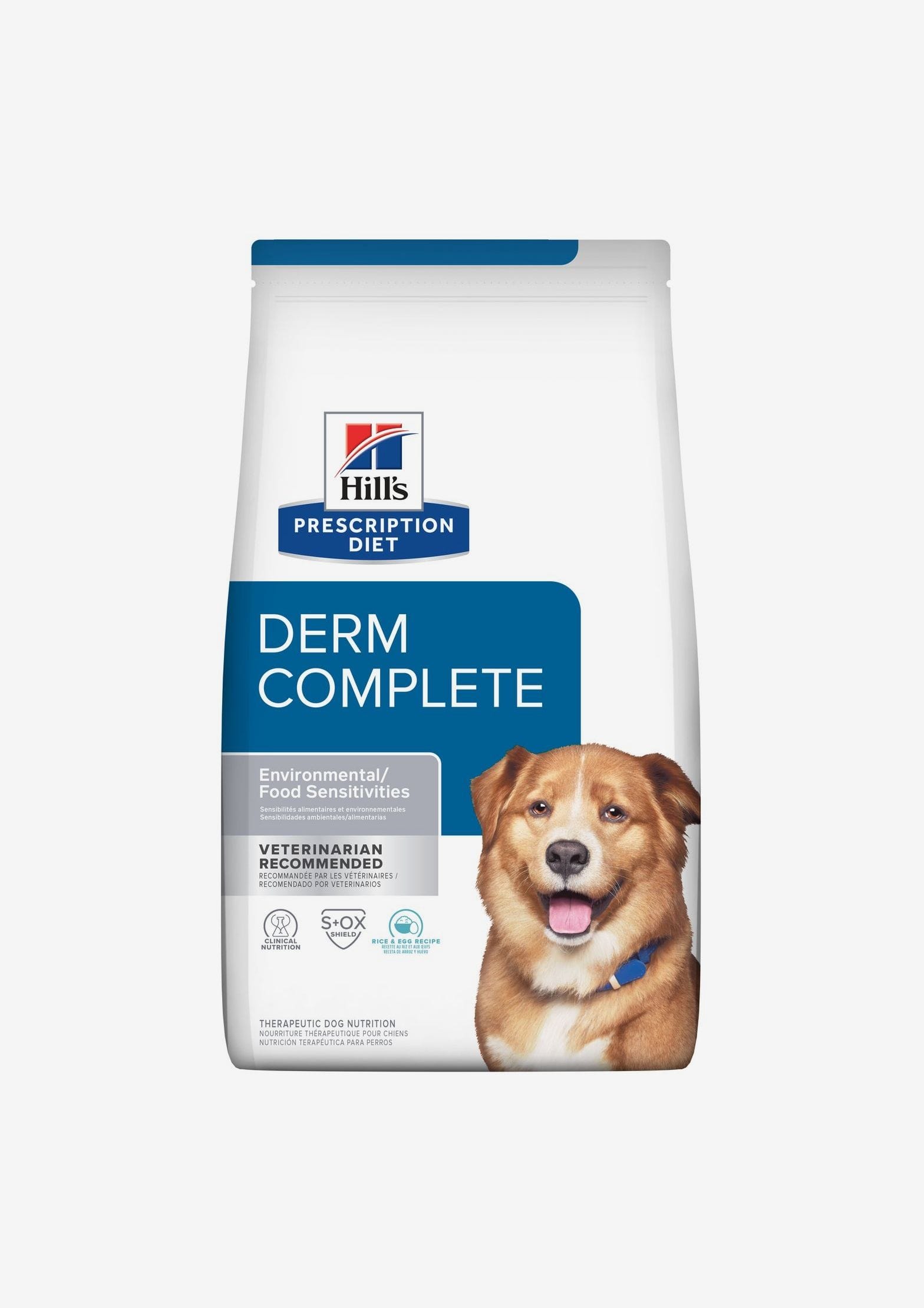
Choosing the right food for your canine companion is paramount to ensuring their overall health and happiness. With a myriad of options available, navigating the world of dog food can be overwhelming for pet owners. This guide, drawing on expert advice from the PDSA, aims to demystify the selection process and help you identify the best dog food brand for your breed, age, and specific needs.
Understanding Complete Dog Food
The cornerstone of a healthy canine diet is a “complete” commercial dog food. According to PDSA Vet, Catherine Burke, these foods are formulated to contain all the essential nutrients, vitamins, and minerals your dog requires for optimal health. Complete dog foods come in various forms, including wet food, dry biscuits (kibble), raw diets, and grain-free options. When selecting a product, look for the “complete” designation on the packaging. Additionally, opting for brands that are members of UK Pet Food ensures adherence to higher quality and safety standards than legally mandated.
Determining the Right Amount of Food
Feeding the correct quantity of food is as crucial as the type of food itself. It’s essential to follow the feeding guidelines provided on the packaging and, ideally, use electronic scales for accurate measurement. The recommended portion size should be based on your dog’s ideal weight, which may differ from their current weight if they are overweight or underweight. Remember to account for treats; if you offer them regularly, you must reduce their main food intake accordingly. Overfeeding can lead to weight gain, significantly increasing the risk of serious diseases and chronic health issues.
Dry vs. Wet Food: Which is Better?
Both dry and wet complete dog foods can offer complete nutrition. However, dry food is often more cost-effective per serving compared to wet food. Kibble typically requires a smaller daily amount and is generally easier to store and feed, as it remains fresh longer after opening. Furthermore, the abrasive nature of dry biscuits can contribute to dental hygiene by helping to prevent plaque buildup on your dog’s teeth.
The Role of Treats in a Dog’s Diet
Occasional healthy treats are permissible, but excessive treat consumption can lead to obesity. It’s important to remember that treats are classified as “complementary” foods, meaning they do not provide the balanced nutrition of a “complete” diet. If you choose to give your dog treats, they should not exceed 10% of their daily caloric intake. To maintain nutritional balance, reduce their regular food portion by 10% to compensate for the treats.
Top Dog Food Brands to Consider
When it comes to selecting the best dog food brand, several factors come into play, including your dog’s specific breed, age, and any existing health conditions. Consulting with your veterinarian can provide personalized recommendations. However, based on expert advice and general quality indicators, focusing on brands that prioritize high-quality ingredients and adhere to recognized nutritional standards is key. Look for brands that clearly state “complete” on their packaging and are members of reputable industry organizations like UK Pet Food.
For owners seeking specific dietary solutions, exploring options such as Purina Pro Plan Salmon and Rice reviews can be beneficial, especially if your dog has sensitivities or a preference for fish-based proteins. Similarly, understanding the nutritional profiles of brands like 4Health Untamed dog food reviews or 4Health large breed puppy food reviews can help tailor choices for different life stages and breed sizes.
In conclusion, ensuring your dog receives the best nutrition involves understanding the principles of a complete diet, managing portion sizes carefully, and making informed choices about the types of food and treats you offer. By prioritizing quality and consulting expert recommendations, you can confidently select a dog food brand that supports your furry friend’s lifelong health and well-being.
