
Great Danes, often called the “Apollo of Dogs” and “gentle giants,” are renowned for their impressive size, noble appearance, and affectionate nature. Originating in Germany as boar hunters and estate guardians, these magnificent dogs possess a unique set of nutritional requirements that directly impact their health and longevity. Selecting the Best Dog Food For Great Danes is not merely about providing sustenance; it’s about supporting their rapid growth, managing potential health issues, and ensuring a vibrant, happy life. From their towering height to their predisposition to certain medical conditions, a Great Dane’s diet plays a pivotal role in their overall well-being. This guide delves into the essential aspects of Great Dane nutrition, helping pet parents make informed choices to keep their beloved companions thriving.
Understanding the Unique Nutritional Needs of Great Danes
Great Danes are among the tallest and heaviest dog breeds, with adult males reaching 28-32 inches in height and weighing between 110-175 pounds. This immense growth occurs at an astonishing rate during puppyhood, equivalent to a child’s growth over 14 years in just one year. Such rapid development necessitates a carefully formulated diet to prevent common skeletal and other health problems. The average Great Dane lifespan is shorter than many other breeds, typically 7 to 10 years, making proper nutrition even more critical for maximizing their quality of life.
Growth and Skeletal Development
The rapid growth phase of Great Dane puppies is particularly delicate. Overfeeding or feeding a diet too high in calcium and phosphorus can accelerate growth unnaturally, leading to developmental orthopedic diseases like hip and elbow dysplasia, osteochondritis, and growing pains. Therefore, Great Dane puppies require a high-quality large-breed puppy food designed to promote slow, steady growth rather than rapid weight gain. These diets are carefully balanced in macronutrients and micronutrients, specifically controlling calcium and phosphorus levels.
Joint Health Support
Given their massive size and weight, Great Danes put immense stress on their joints throughout their lives. As they age, or even from puppyhood, they can be prone to conditions like hip dysplasia and elbow dysplasia. The best dog food for Great Danes will often include ingredients that support joint health, such as glucosamine and chondroitin. While many large-breed adult formulas incorporate these, some owners may also choose to add joint supplements, always in consultation with their veterinarian.
Gastrointestinal Sensitivity: Preventing Bloat (GDV)
One of the most serious and life-threatening conditions affecting Great Danes is Gastric Dilatation Volvulus (GDV), commonly known as bloat. This occurs when the stomach fills with gas and twists, cutting off blood supply. Great Danes are particularly susceptible due to their deep-chested anatomy. While the exact cause isn’t fully understood, feeding practices are strongly implicated. To minimize the risk of GDV, it is crucial to:
- Feed multiple smaller meals: Instead of one large meal, feed two or more smaller meals per day.
- Use a slow feeder: These bowls are designed to prevent rapid eating by making dogs work for their food.
- Avoid exercise before and after meals: Allow at least one to two hours of rest around meal times.
- Do not use elevated food bowls: Contrary to previous beliefs, elevated bowls are now thought to increase the risk of GDV.
Key Nutritional Components for Great Danes
When selecting the best dog food for Great Danes, consider these essential components:
- High-Quality Protein: Protein is vital for muscle development and maintenance. Look for formulas with high-quality animal protein sources like chicken, beef, lamb, or fish as the first few ingredients.
- Moderate Fat Content: Fats provide concentrated energy and essential fatty acids for skin, coat, and overall health. A moderate fat content supports energy needs without promoting excessive weight gain, which can exacerbate joint problems.
- Balanced Calcium and Phosphorus: As mentioned, this is critical for large-breed puppies to ensure controlled bone growth. For adults, maintaining a proper balance prevents mineral imbalances.
- Complex Carbohydrates: Sources like brown rice, oats, barley, and sweet potatoes provide sustained energy and fiber for digestive health.
- Omega-3 Fatty Acids: EPA and DHA, found in fish oil, are excellent for joint health, skin, coat, and cognitive function.
- Antioxidants: Vitamins E and C, along with other antioxidants, support a strong immune system.
- Glucosamine and Chondroitin: These are crucial for cartilage health and joint lubrication, helping to mitigate the impact of their large size.
Navigating Specific Health Concerns Through Diet
Several health issues commonly affect Great Danes, and diet plays a significant role in their management and prevention.
Bloat and Gastric Dilatation Volvulus (GDV)
Beyond feeding practices, the type of food may also influence bloat risk. While not definitively proven, some studies suggest that diets with certain ingredients or particle sizes could be a factor. Opting for consistent, high-quality, large-breed specific kibble and avoiding sudden changes in diet can be beneficial. Remember that home-cooked meals, while potentially offering variety, need careful formulation to be nutritionally complete and balanced, as improperly balanced diets can lead to other health issues. For pet parents considering diverse food options, understanding safe choices and what foods to avoid is crucial. For example, knowing what people food should dogs not eat can prevent accidental ingestion of harmful substances that might trigger digestive upset or worse.
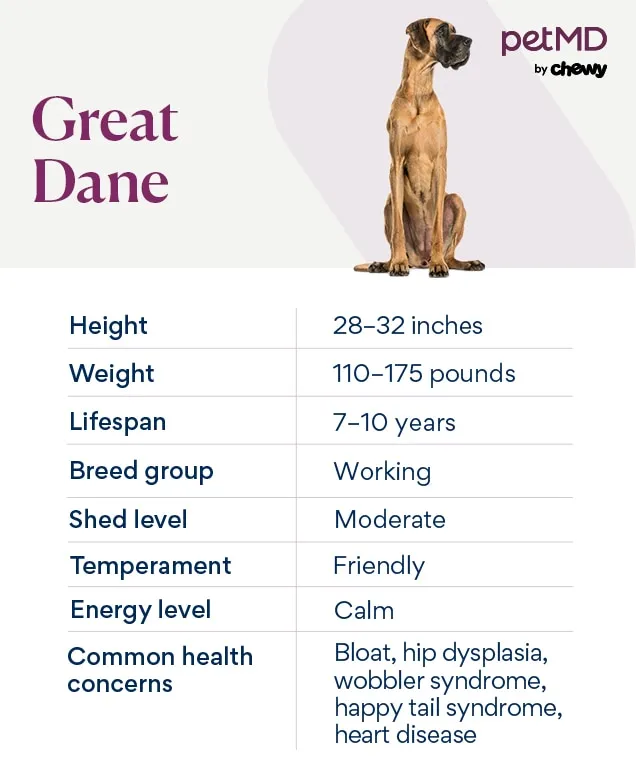 Chart depicting a Great Dane's average weight, height, and lifespan, highlighting their impressive size and relatively shorter life expectancy.
Hip Dysplasia and Wobbler Syndrome
These orthopedic and neurological conditions, respectively, are exacerbated by uncontrolled growth and poor nutrition in puppies. Feeding a specialized large-breed puppy food until 18 months of age is paramount. These diets help moderate growth and lessen the risk. Additionally, keeping your Great Dane at a healthy weight throughout their life reduces stress on joints, which is vital for managing hip dysplasia and preventing the onset or worsening of arthritis.
Dilated Cardiomyopathy (DCM)
Great Danes are prone to Dilated Cardiomyopathy (DCM), a progressive heart disease where the heart muscle weakens. While genetics are a primary factor, nutrition can also play a significant role. Recent concerns have linked “grain-free” or exotic ingredient diets (often containing legumes like peas, lentils, and potatoes as primary ingredients) to an increased incidence of DCM in some breeds. The FDA has been investigating this potential link. Therefore, when choosing the best dog food for Great Danes, it’s generally recommended to select a diet from a reputable brand that adheres to AAFCO (Association of American Feed Control Officials) guidelines and has a long history of feeding trials, typically one containing traditional grains unless a veterinarian specifically advises a grain-free diet for medical reasons.
Degenerative Myelopathy
This spinal condition causes progressive weakness and paralysis, particularly in senior Great Danes. While not directly caused by diet, maintaining a healthy weight through appropriate feeding is one of the best preventive measures. Obesity significantly increases the risk of back and joint issues in older dogs. Owners should be mindful of portion control and the calorie content of treats. For dogs with specific conditions like diabetes, knowing what vegetables can a diabetic dog eat can be helpful for managing their health alongside a vet-prescribed diet.
Feeding Guidelines and Best Practices
Establishing a consistent feeding routine is crucial for Great Danes.
- Puppies (up to 18 months): 3-4 small meals daily of large-breed puppy food.
- Adults: 2 or more meals daily of high-quality large-breed adult food.
- Portion Control: Always follow the feeding guidelines on the dog food bag, adjusting as needed based on your dog’s activity level, metabolism, and body condition score. Regular veterinary check-ups can help confirm you are feeding an appropriate amount.
- Treats: Treats should make up no more than 10% of your dog’s daily caloric intake to prevent overfeeding and maintain a balanced diet. Consider healthy, low-calorie options. For dogs with dental issues or no teeth, seeking out soft treats for dogs with no teeth recipes can be a thoughtful way to provide enjoyment without discomfort.
- Water: Always provide access to fresh, clean water.
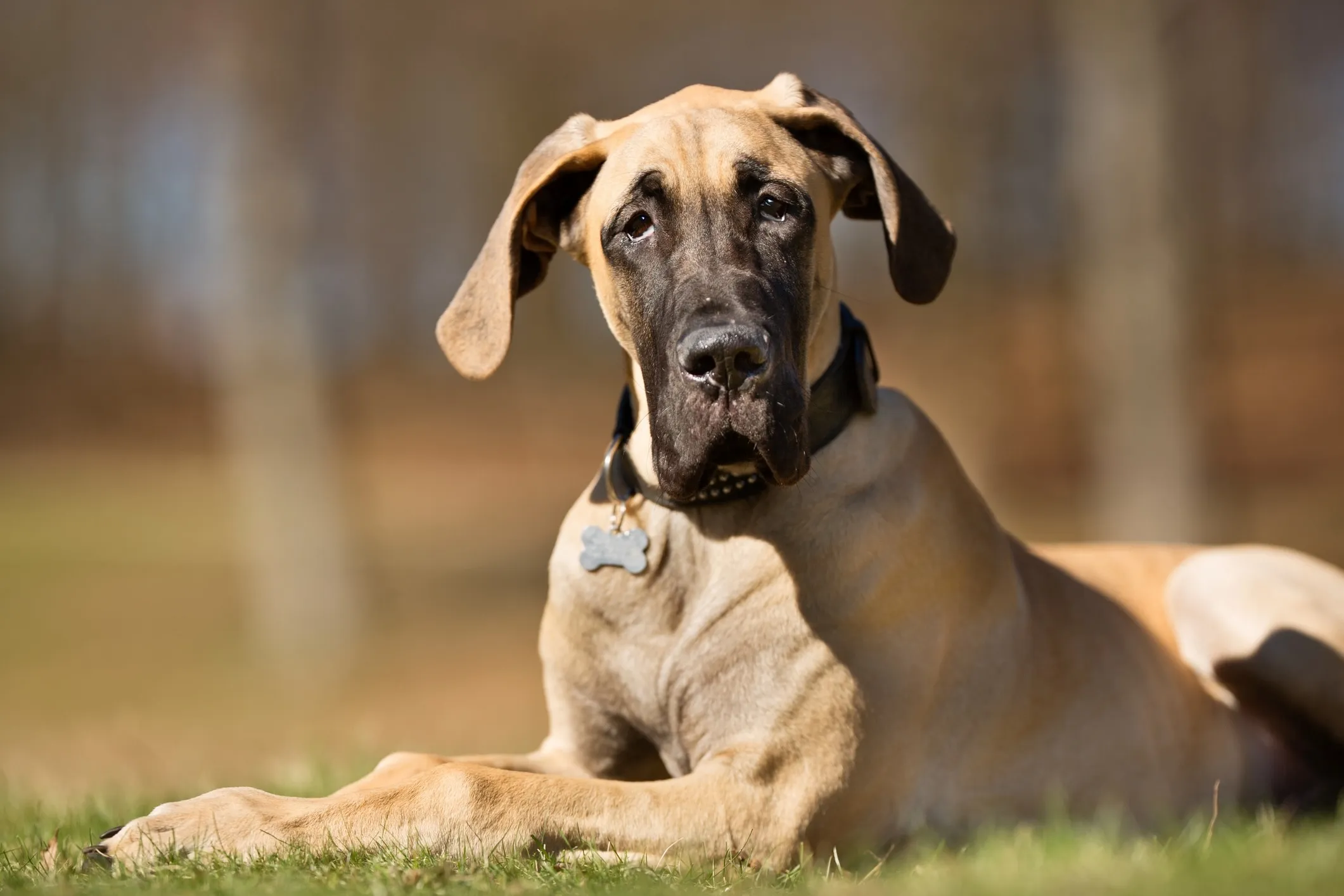 A young fawn-colored Great Dane lies in the grass, looking alertly at the camera with its head tilted.
Supplements for Great Danes
While a complete and balanced diet should provide all necessary nutrients, certain supplements can be beneficial for Great Danes, always under veterinary guidance.
- Joint Supplements: Glucosamine, chondroitin, and MSM can help support joint health and potentially slow degeneration of hips, knees, and elbows. Brands like Nutramax® Dasuquin® are popular choices.
- Omega-3 Fatty Acids: Fish oil supplements provide EPA and DHA, which have anti-inflammatory properties beneficial for joints, skin, and coat.
- Probiotics: These can support digestive health, particularly for dogs with sensitive stomachs.
It is critical to consult your veterinarian before adding any supplements to your Great Dane’s diet. Not all supplements are created equal, and your vet can recommend products with scientific backing and appropriate dosages.
The Role of Diet in Behavior and Training
A well-nourished Great Dane is more likely to be a well-behaved and trainable dog. Nutritional deficiencies or imbalances can sometimes manifest as behavioral issues, such as lethargy, hyperactivity, or anxiety. The energy provided by a quality diet supports their physical activity needs, which, in turn, helps manage their temperament. Early socialization and positive reinforcement training are crucial for these intelligent giants, and a healthy diet provides the foundation for their cognitive and physical development, making them more receptive to learning.
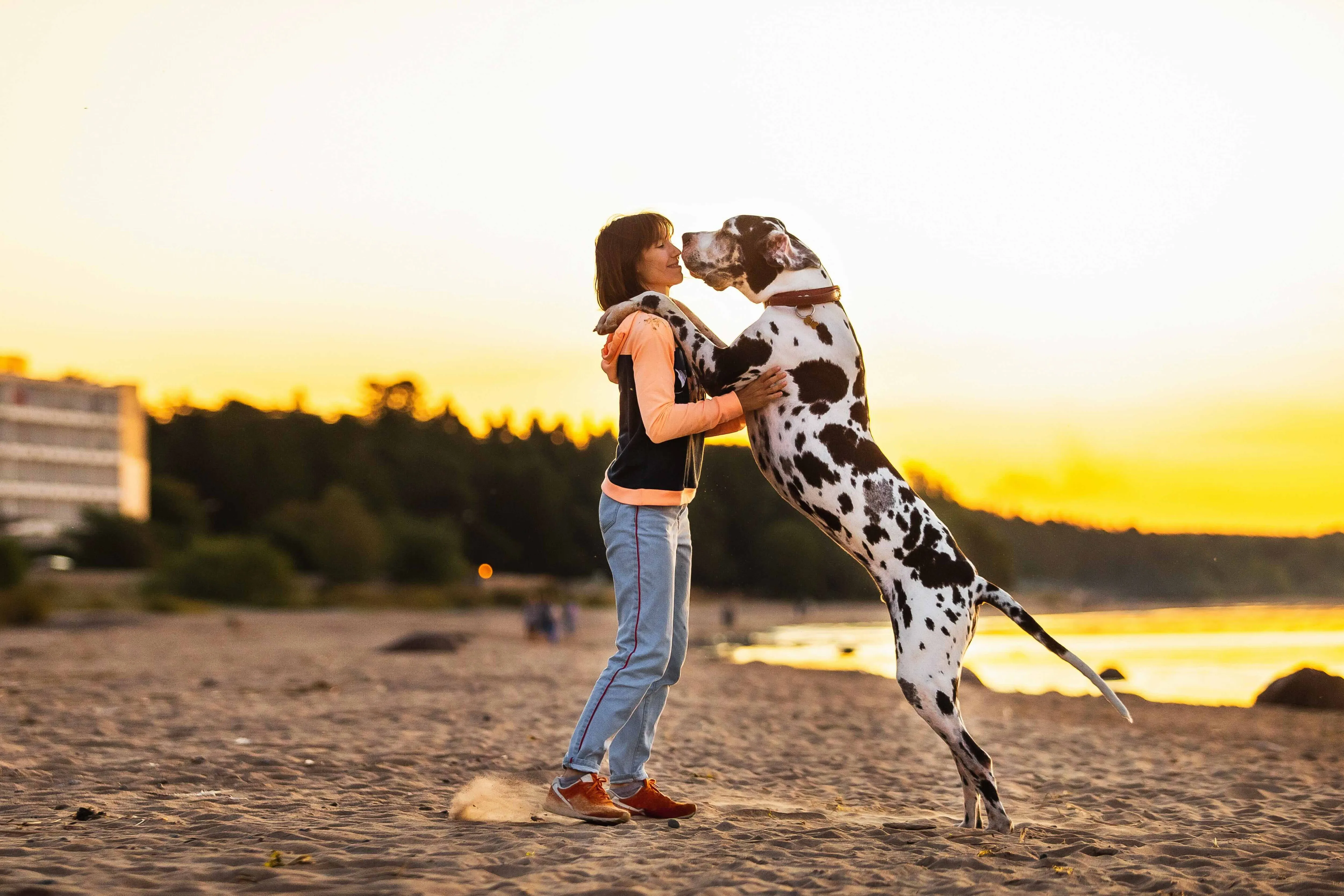 A tall black and white Great Dane standing on a beach, playfully placing its front paws on a woman.
Grooming and Overall Care Considerations
While diet is central, it’s part of a holistic approach to Great Dane care. Regular grooming, although low-maintenance for their short coats, helps monitor skin health. Their size also means greater expenses across the board, from food portions to medication dosages. For those exploring alternative feeding philosophies, information about Dr Karen Becker dog food recipes can offer insights into home-prepared options, though professional veterinary consultation is always advised for such specialized diets. Similarly, if considering options like raw food, resources like oc raw dog food near me might be sought, but understanding the risks and proper handling is paramount.
Conclusion
Choosing the best dog food for Great Danes is a cornerstone of responsible pet ownership for these magnificent dogs. Their unique physiology, rapid growth rate, and predisposition to certain health conditions demand a diet specifically formulated for large and giant breeds. By focusing on high-quality ingredients, controlled growth formulas for puppies, appropriate feeding practices to prevent bloat, and awareness of conditions like DCM, pet parents can significantly impact their Great Dane’s health, happiness, and longevity. Always partner with your veterinarian to tailor dietary choices and supplement regimens, ensuring your gentle giant receives the optimal nutrition they need to thrive.
