
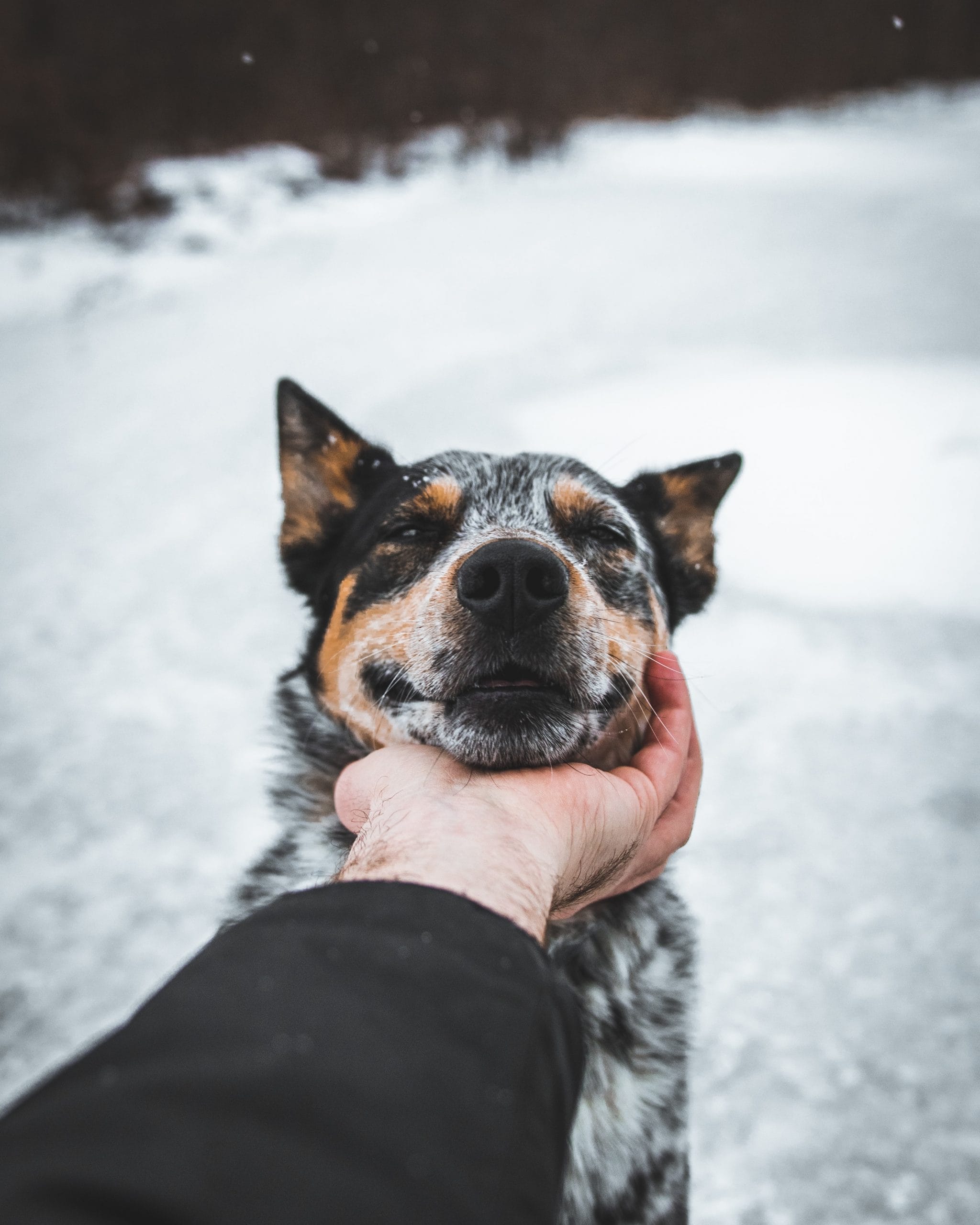
Choosing the right canine companion for a farm or ranch setting, especially when horses are present, requires careful consideration. Horse enthusiasts often share their love for animals, with dogs being a prominent part of their lives alongside horses and cats. This guide explores dog breeds that are well-suited for environments with horses, focusing on temperament, working abilities, and practical considerations for owners.
Herding Breeds: Natural Companions for Equine Environments
Traditionally, breeds from the herding group have been popular choices for ranches and horse farms. Dogs such as Australian Shepherds, Australian Cattle Dogs (Heelers), Welsh Corgis, Border Collies, and Shetland Sheepdogs possess innate awareness of livestock and instinctively know how to avoid injury around horses. Their intelligence, eagerness to please, and loyal nature make them excellent working partners. They are known to stay close to their owners and horses, generally not chasing wildlife as readily as hunting breeds might.
However, some herding breeds can be overly protective, which may not be ideal in commercial stables or homes with frequent visitors. For instance, Australian Cattle Dogs, bred to “nip” heels, require diligent training to prevent them from heeling horses or people. Border Collies, with their high energy levels, need consistent work and exercise to prevent them from creating their own, potentially disruptive, jobs. Welsh Corgis, known for their amiable nature, are generally good with children but can still exhibit a tendency to nip heels and chase.
Guard Dogs: Protection for Remote Properties
For those living in remote rural areas, a dog that also serves as a guard animal can be a valuable asset. Breeds like Doberman Pinschers, German Shepherds, Rottweilers, Mastiffs, Malinois, and Rhodesian Ridgebacks are often chosen for their protective instincts. These dogs can alert owners to the presence of strangers, predators, and problems with livestock. Larger breeds are less susceptible to attacks from predators like coyotes. It is crucial for owners of these powerful breeds to be consistent and capable trainers. While they can learn to coexist with horses, they may not be naturally inclined to do so and require training to avoid interfering with the horses. A drawback of larger guard breeds is their difficulty in traveling and their potential discomfort in public settings due to their protective nature.
Livestock Protection Dogs: Guardians of the Herd
When properties house various types of livestock, including sheep, goats, cattle, chickens, and horses, specialized livestock protection dogs can be invaluable. Breeds such as Great Pyrenees, Anatolian Shepherds, and Bernese Mountain Dogs are specifically bred to protect animals from predators like coyotes, cougars, and bears. Crossbreeding these dogs with herding breeds can result in multi-purpose canines adept at both herding and protection. Challenges with these large breeds include difficulties in transportation and demanding grooming needs.
Breeds for Travelers and Social Settings
Horse owners who frequently attend shows, expos, or clinics often prefer smaller, more manageable breeds. Dogs that fit easily into vehicles, remain clean, and possess a laid-back temperament are ideal. Corgis, Jack Russell Terriers, Fox Terriers, Whippets, and smaller herding breeds like Miniature Australian Shepherds are popular choices among the horse-show community.
Friendly Companions for Families and Facilities
For families with children or those managing equine facilities, friendly and non-aggressive dogs are often a top priority. Standard Poodles, Labrador and Golden Retrievers, Greyhounds, Corgis, Icelandic Sheepdogs, and many mixed-breed dogs fit this description well, providing a welcoming presence.
Additional Considerations for Farm Dogs
Beyond breed-specific traits, several practical factors should influence your choice:
- Fragility: Toy breeds are generally unsuitable for environments with horses due to the risk of accidental injury. They are also more vulnerable to predators common on ranches.
- Grooming: Consider how much dirt and debris a dog’s coat might track into the house. Short-haired breeds like Whippets and Jack Russell Terriers can be more practical for indoor living. Dogs with thick undercoats, such as Australian Cattle Dogs or Corgis, may require more frequent cleaning.
- Liability Insurance: Some insurance companies may charge higher premiums for breeds perceived as aggressive, such as Pit Bulls, German Shepherds, and Rottweilers.
- Rodent Control: Certain breeds, like Jack Russell Terriers and Rat Terriers, are known for their effectiveness in controlling rodent populations.
- Barking: Excessive barking can distress horses and their owners. Quieter breeds are generally preferred in a farm or ranch setting.
Ultimately, the equestrian lifestyle often leads individuals towards specific types of dogs. However, personal preferences vary widely, much like opinions on horse breeds. The most critical factor is to thoroughly consider how any chosen dog will interact with horses and other people on the property. All dogs require proper training and socialization, but some breeds may present greater training challenges. Responsible ownership involves being thoughtful about a dog’s impact on the farm environment and ensuring the safety of the dog, horses, and other individuals.
