
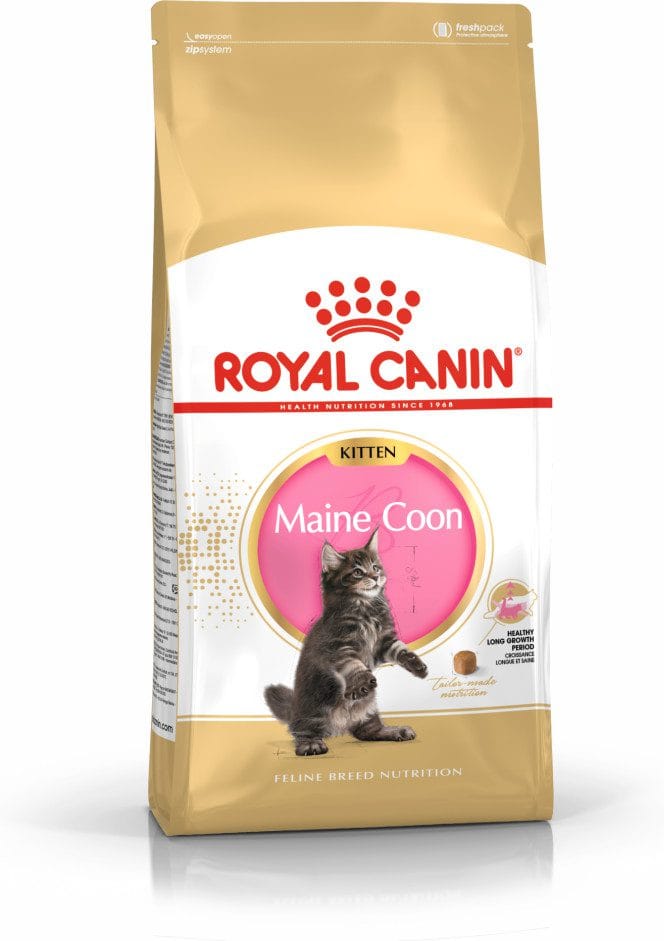
Choosing the right food for your Maine Coon is a question many owners ponder, and for good reason. You want your majestic feline to not just survive, but truly thrive. However, the world of cat food is filled with conflicting advice, from passionate advocates of raw diets to believers in premium kibble and exclusive wet food. Navigating these options can be overwhelming. This article aims to cut through the noise, offering a straightforward breakdown based on personal experience as a Maine Coon breeder. It will guide you in making an informed decision for your beloved companion.
Doing Your Own Research Before Choosing a Cat Food
Before delving into specific food types and brands, it’s crucial to understand that I am not a veterinarian or a pet nutritionist. My insights come from years of experience as a Maine Coon breeder who has experimented with various diets. The most important advice I can offer is to conduct your own thorough research. Resources like catfooddb.com offer comprehensive reviews of numerous cat food brands, serving as an excellent starting point for any cat owner.
When evaluating food options, pay close attention to the ingredients list. The first few ingredients should ideally be real meat. Avoid fillers such as corn, wheat, and soy, as cats are obligate carnivores. Consider your budget and the convenience of preparation, as some diets can be both expensive and time-consuming. Ultimately, the best food is one that supports your cat’s overall health and digestion, allowing them to thrive.
The Raw Diet for Cats: A Breeder’s Experience
At one point, I fully embraced the raw diet for my cats. The logic seemed sound: feeding Maine Coons, natural hunters, a raw, species-appropriate diet should be ideal. However, the reality of meal preparation proved to be a significant challenge. I found that preparing raw meals for multiple cats was incredibly time-consuming, requiring a substantial amount of freezer space. Furthermore, the process was messy, and handling raw meat, particularly organs like liver, was personally unappealing. The presence of bones, even though natural for cats, also caused me significant anxiety. While I respect those who successfully maintain a raw diet, the considerable mess and hassle led me to conclude that it wasn’t a sustainable option for my lifestyle.
Dry Cat Food (Kibble): The Mixed Results
Following my decision to move away from raw feeding, I turned to high-quality dry food, or kibble. Kibble offers convenience and lacks the strong odors associated with raw food. However, the quality and suitability of kibble can vary significantly.
My initial experience with Taste of the Wild – Rocky Mountain, a grain-free option, was disappointing. Despite being grain-free, it resulted in extremely foul-smelling stools and frequent vomiting in my cats. After a year, it was clear this diet was not agreeing with them.
Another popular choice, Blue Buffalo Wilderness, also grain-free, was recommended by another breeder. However, upon researching the brand, I discovered a history of recalls due to contamination and reports of pets becoming ill. This led to a loss of trust, prompting me to seek alternative options once more.
The Final Choice: What My Maine Coons Eat Now
After trying various brands, a realization struck me. My 14.5-year-old Himalayan cat had thrived for his entire life on Purina Pro Plan. Inspired by this, I decided to transition my Maine Coons to Purina products. For over three years, a combination of Purina One Tender Selects and Evanger’s Limited Ingredient has been their staple diet. The positive changes have been remarkable: their coats are shinier and healthier, they exhibit abundant energy and playfulness, and digestive issues like vomiting have ceased. They genuinely enjoy the taste of this food. This balanced approach of both dry and wet food has proven successful, and I have no intention of changing their diet again. It’s an affordable, accessible, and effective solution that allows my cats to thrive.
What Do Sassy Koonz Kittens Eat?
Kittens at Sassy Koonz are gradually introduced to solid food around 4 to 5 weeks of age. They begin with Purina One Healthy Kitten and Evanger’s Limited Ingredient canned food. By the time they leave for their new homes, they are accustomed to consuming both wet and dry food, ensuring a smooth transition for their new owners and the continuation of their established nutrition plan.
How Much Should a Maine Coon Eat?
Maine Coons, being large cats, naturally consume more food than the average feline. For kittens, free-feeding kibble and offering canned food once or twice daily is recommended to support their rapid growth. Adult Maine Coons generally require about 20 calories per pound of body weight daily. Growing kittens should be allowed to eat as much as they desire to meet their increased caloric needs for development.
Final Thoughts: The Best Food for YOUR Maine Coon
Ultimately, the ideal diet for your Maine Coon is a personalized choice that balances your cat’s needs with your lifestyle. Prioritize high-quality food with real animal protein as the primary ingredient. Continuously monitor your cat’s health, energy levels, and digestive function. Be discerning and look beyond marketing claims by carefully reading ingredient lists. If your cat is healthy and happy on their current diet, there’s no need to feel pressured by others to change it. It’s important to remember that your cat’s well-being is paramount, and you have the autonomy to make the best feeding decisions for them. Whether you opt for raw, kibble, wet food, or a combination, the primary goal is to ensure your Maine Coon remains healthy and content. A high-protein diet is a fundamental aspect of Maine Coon Essentials.
What do you feed your Maine Coon? Share your experiences in the comments below!
