
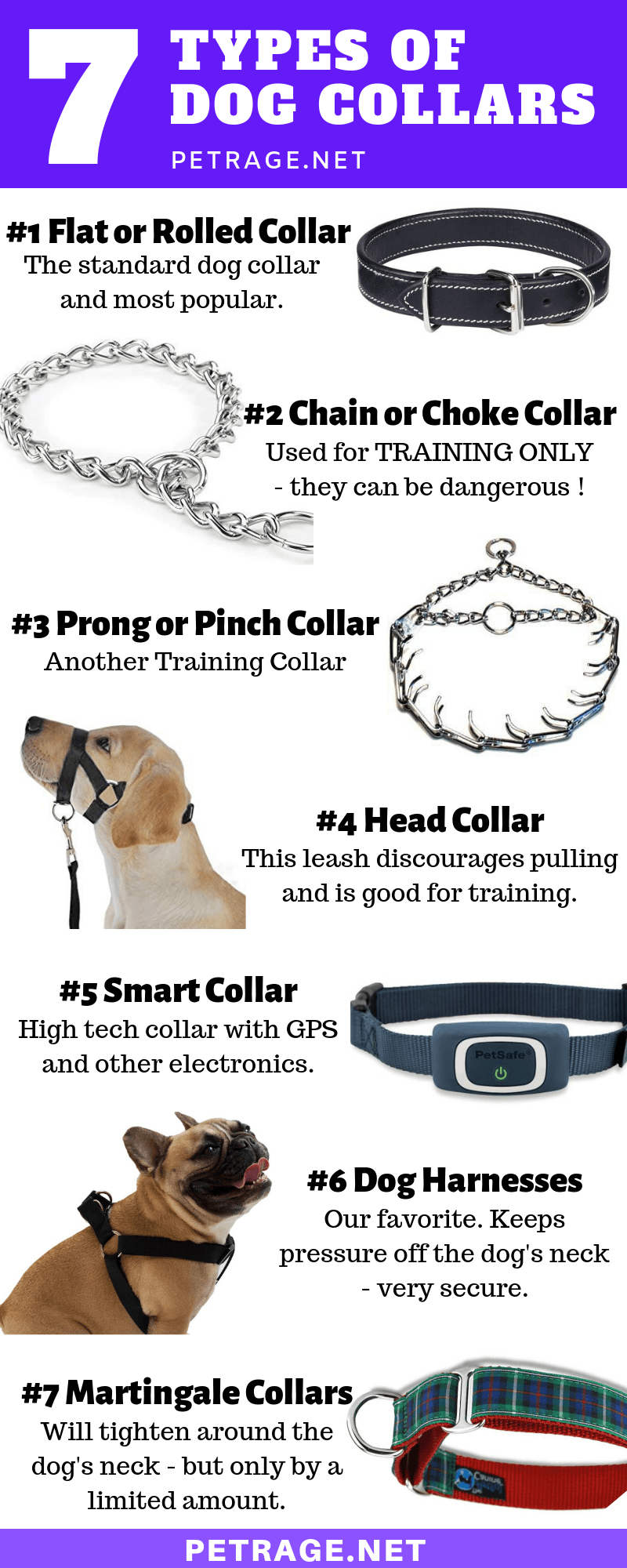
Training your dog is a rewarding journey that strengthens your bond and ensures a well-behaved companion. One of the most effective tools in a trainer’s arsenal is a high-quality training collar. But with so many options available, choosing the best collar for training dogs can feel overwhelming. This guide dives deep into what makes a training collar effective, explores different types, and helps you select the perfect one for your furry friend. Whether you’re dealing with basic obedience, tackling specific behavioral issues, or simply want to refine your dog’s manners, the right collar can make all the difference.
Understanding the Purpose of Training Collars
Training collars are not about punishment; they are communication tools designed to help your dog understand boundaries and respond to your commands more effectively. They work by delivering a specific sensation – be it a vibration, a sound, or a mild static correction – that interrupts an unwanted behavior or signals a command. The key is to use them humanely and consistently, paired with positive reinforcement, to guide your dog toward desired actions. The goal is to create clear communication, not to cause distress. When used correctly, these collars can significantly reduce the time and effort needed for training, making the process more efficient and less frustrating for both you and your dog.
How Training Collars Aid Communication
- Clear Signals: Collars provide a distinct signal that a dog can associate with a command or a correction. This clarity is crucial for dogs still learning the rules.
- Remote Guidance: Many training collars allow you to issue commands or corrections remotely, which is invaluable when working at a distance or when a quick intervention is needed.
- Consistency: They help maintain consistency in training, ensuring your dog receives the same feedback every time they exhibit a particular behavior.
Types of Training Collars Explained
The market offers a variety of training collars, each with its unique features and best use cases. Understanding these differences is the first step to finding the best training collar for dogs.
1. Remote E-Collars (Electronic Training Collars)
These are perhaps the most well-known type. They consist of a transmitter (handheld remote) and a receiver worn on the dog’s collar. You can send a signal from the transmitter to the receiver to deliver a correction.
- Features: Often include multiple levels of static correction, vibration, and tone options. Many models are waterproof and rechargeable. Range can vary significantly, from a few hundred yards to over a mile.
- Best For: Dogs with strong prey drives, stubborn temperaments, or those needing training at a distance. They are highly effective for advanced obedience and off-leash training.
- Considerations: Require careful introduction and proper usage to avoid negative associations. It’s essential to find the lowest effective level for your dog.
2. GPS Training Collars
These collars combine GPS tracking with training capabilities. They are excellent for monitoring your dog’s location while also providing training functionalities.
- Features: Real-time GPS tracking, geofencing alerts (notifying you if your dog leaves a designated area), and often include remote e-collar functions.
- Best For: Owners of escape artists, dogs that tend to wander, or those who frequently hike or explore in large, open areas. They offer peace of mind along with training control.
- Considerations: Can be more expensive than standard e-collars. Battery life for GPS tracking is a significant factor.
3. Bark Collars (Anti-Bark Collars)
Designed specifically to deter excessive barking, these collars activate when they detect barking.
- Features: Typically activate via vibration or sound. Some models offer a mild static correction as a last resort. They are designed to correct nuisance barking without interfering with necessary barks (like warnings).
- Best For: Dogs that bark excessively at passersby, other animals, or out of boredom or anxiety.
- Considerations: Some dogs may try to bark through the correction. It’s crucial to ensure the collar is properly fitted and activated by the dog’s own bark, not external sounds.
4. GPS and Training Collars (All-in-One Solutions)
These advanced devices integrate GPS tracking with comprehensive training features, offering a complete package for serious trainers and owners.
- Features: Combine the functionality of remote e-collars with sophisticated GPS tracking, activity monitoring, and often smartphone app integration for easy control and data review.
- Best For: Owners who need both robust training tools and reliable tracking for dogs that are highly active, prone to escaping, or used in situations requiring precise location data alongside training control.
- Considerations: These are typically the most feature-rich and consequently the most expensive option. They require a good understanding of their various functions to be used effectively.
Key Features to Look For in a Training Collar
When searching for the best training collars for dogs, consider these critical features:
- Adjustable Correction Levels: This is paramount. You need to be able to find the lowest effective level for your dog. A collar with a wide range of levels, from mild vibration to low-level static, is ideal.
- Waterproof and Durable: Dogs get wet, they roll in things, and they can be rough. A waterproof and robust collar will withstand the elements and your dog’s activities.
- Rechargeable Battery: Constantly replacing batteries can be a hassle and an added expense. Rechargeable collars are more convenient and often more eco-friendly.
- Range: Consider where and how you’ll be training. If you need to train at a distance, look for collars with a longer effective range.
- Ergonomic Remote/App: The transmitter or app should be comfortable to hold and easy to operate, especially during intense training sessions. Intuitive controls are a lifesaver.
- Safety Features: Look for automatic shut-off features on e-collars to prevent over-correction. A gentle stimulation mode is also a plus.
Choosing the Right Collar for Your Dog: Factors to Consider
Selecting the best dog training collar for large dogs or a smaller companion depends on several factors unique to your pet and your training goals.
1. Dog’s Size and Breed
- Large, Stubborn Breeds: May require collars with a wider range of correction levels and potentially higher maximum outputs. A robust collar construction is also important.
- Small Breeds/Sensitive Dogs: Need collars with very low correction levels and gentle vibration options. Look for lightweight designs that won’t overwhelm a small dog.
- Thick Coat: Dogs with very thick coats might require contact points that are long enough to penetrate the fur and make good contact with the skin.
2. Temperament and Trainability
- Confident, Strong-Willed Dogs: Might respond better to clear, consistent signals from an e-collar.
- Shy or Anxious Dogs: Should be introduced to training collars very gradually, starting with vibration or tone, and using the lowest possible static correction only if absolutely necessary. Positive reinforcement should be the primary training method.
- Distractible Dogs: Collars with a good range are essential for maintaining focus in distracting environments.
3. Training Goals
- Basic Obedience: A standard remote e-collar or even a high-quality bark collar might suffice.
- Advanced Obedience/Off-Leash Training: Requires a collar with reliable range and adjustable correction levels.
- E-Collar Training for Specific Behaviors: May benefit from collars with GPS tracking for monitoring and intervention in outdoor environments.
How to Introduce Your Dog to a Training Collar
Proper introduction is crucial for successful and humane training.
- Familiarization: Let your dog wear the collar for short periods without activating it. Associate it with positive experiences like treats, praise, and playtime.
- Start with Lowest Settings: Begin with vibration or tone modes. If using static correction, start at the absolute lowest level and only increase it if your dog doesn’t respond.
- Pair with Commands: When you issue a command (e.g., “come”), if your dog hesitates, use a gentle tap on the remote (vibration or low correction) simultaneously with your verbal command. Reward immediately when they respond correctly.
- Consistency is Key: Use the collar consistently during training sessions. Avoid using it for punishment or when you’re angry.
- Gradual Progression: As your dog understands the signals, you can gradually phase out the physical prompts, relying more on verbal commands.
- Never Punish with the Collar: The collar should be a communication tool, not a device for punishment. Negative experiences can create fear and distrust.
Frequently Asked Questions About Training Collars
What is the safest type of training collar?
The safest training collar is one that is used humanely, with appropriate levels of stimulation, and introduced properly. Remote e-collars, when used correctly by knowledgeable owners, are considered safe and effective tools. Bark collars that use vibration or tone are also very safe options for managing nuisance barking. Always prioritize a collar with adjustable levels and a reliable brand.
Can training collars harm my dog?
When misused, training collars can cause physical discomfort or psychological distress. Over-correction, using the wrong level of stimulation, or not introducing the collar properly can lead to fear, anxiety, aggression, or learned helplessness. However, when used as intended – with low, effective levels and as part of a broader positive reinforcement strategy – they are generally considered safe. Always consult with a professional trainer if you have concerns.
Are shock collars bad?
The term “shock collar” often evokes a negative image. Modern electronic training collars use static stimulation, which is more akin to a static shock from a carpet than a painful electric shock. Reputable collars offer a wide range of low-level static corrections that are designed to get a dog’s attention without causing pain. Many trainers advocate for their responsible use as a communication tool.
How long should my dog wear a training collar?
Your dog should not wear a training collar continuously. It should be used during training sessions or when specific behavioral management is needed. For remote e-collars, remove it after the training session. For bark collars, they are typically worn for set periods or when nuisance barking is a problem. Continuous wear, especially of e-collars, can lead to skin irritation, dependency, or over-correction.
Can I use a training collar on a puppy?
It’s generally recommended to wait until a puppy is at least six months old before introducing a training collar, and even then, only if necessary and under the guidance of a professional trainer. Puppies are still developing, and their physical and psychological needs are different from adult dogs. Basic obedience training using positive reinforcement methods is usually sufficient for young puppies. For specific behavioral issues, consulting a vet or a certified professional trainer is the best course of action.
Conclusion: Finding the Best Training Collar for Your Canine Story
Choosing the best training collar for dogs is a significant decision that impacts your training success and your dog’s well-being. By understanding the different types of collars, evaluating key features, and considering your dog’s individual needs, you can select a tool that facilitates clear communication and strengthens your bond. Remember, a training collar is just one part of the training process. It should always be used in conjunction with positive reinforcement, patience, and a deep understanding of your dog’s behavior. With the right approach, you can help your canine companion become the best-behaved friend they can be.
Looking for more insights into canine companionship? Explore our guides on best training shock collar for dogs and pet training collars for dogs to further enhance your training journey. For those with larger breeds, discover the best dog training collar for large dogs and the best training collars for dogs that offer robust performance.
