
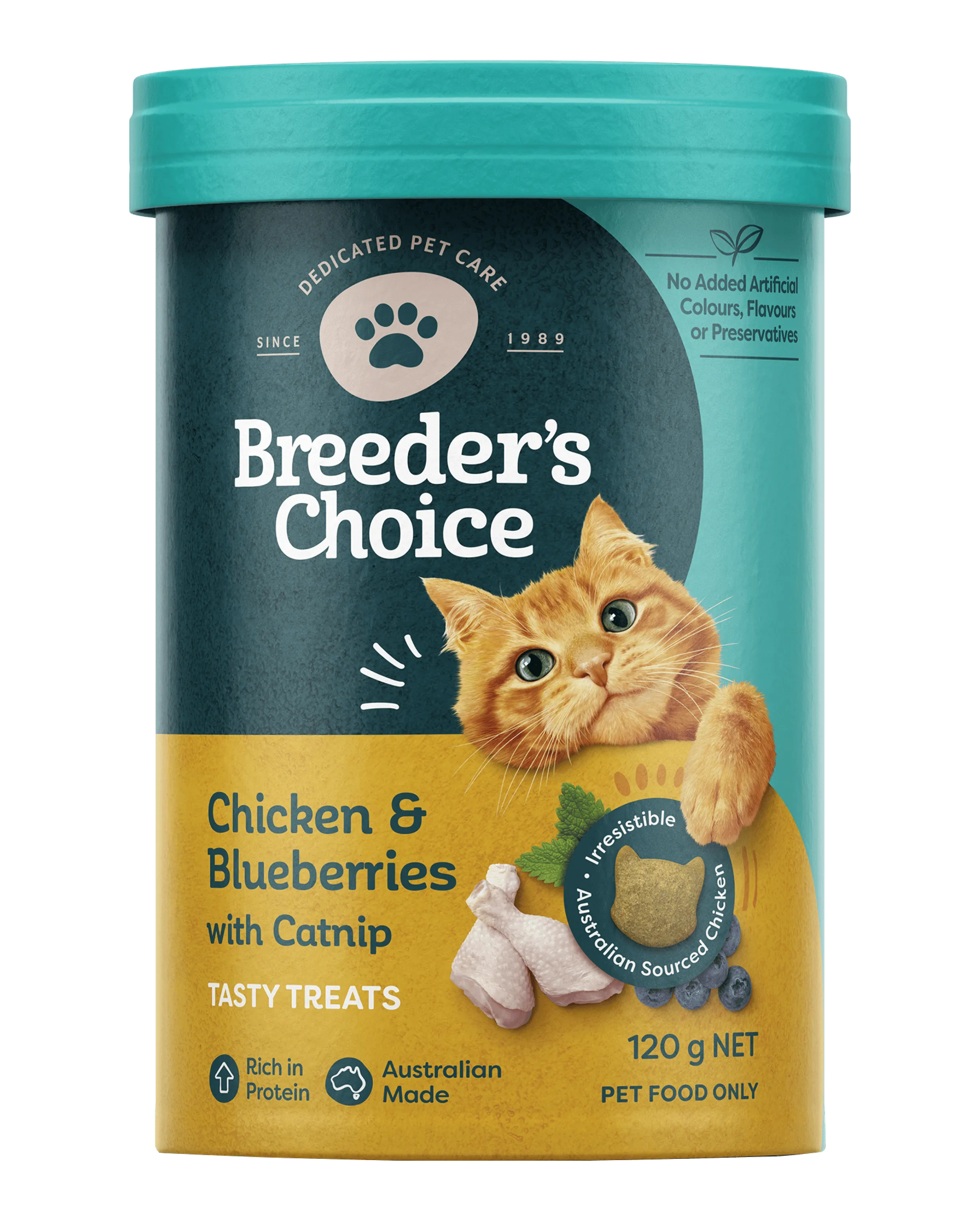
Training your cat can be a rewarding experience, strengthening your bond and helping them learn good behavior. One of the most effective tools in your training arsenal is the right treat. But with so many options, how do you choose the Best Cat Treats For Training? It’s all about finding those small, irresistible morsels that will keep your kitty motivated and focused. Let’s dive into what makes a great training treat and explore some top contenders.
Why Specific Treats Matter for Cat Training
Cats are famously independent, and unlike dogs, their motivation for training often hinges on high-value rewards. Kibble might be a staple, but it rarely sparks the same level of enthusiasm needed for learning new tricks or modifying behavior. Training treats need to be:
- Highly Palatable: They should have a strong scent and delicious taste that your cat can’t resist.
- Small and Soft: Easy to chew and swallow quickly, so training sessions aren’t interrupted by lengthy chewing. Small size also prevents overfeeding and keeps the calorie count manageable.
- Nutritious (in moderation): While they are treats, opting for those with some nutritional benefit is always a plus. Look for options with real meat as a primary ingredient.
- Low Calorie: Training sessions can involve many repetitions, so treats should be low in calories to avoid weight gain.
Think of training treats as powerful motivators. They are the currency you use to communicate to your cat, “Yes, you did that correctly! Here’s a reward.” This positive reinforcement is crucial for effective and humane cat training.
Top Picks for the Best Cat Treats for Training
When selecting treats, consider your cat’s individual preferences. Some cats go wild for fishy flavors, while others prefer poultry. Here are some highly-rated options that often prove successful:
1. Freeze-Dried Raw Treats
These treats are essentially small pieces of raw meat that have been freeze-dried. This process locks in nutrients and flavor without the need for artificial preservatives.
- Why they work: Cats are obligate carnivores, and the intense, natural flavor of raw meat is incredibly appealing. They are often single-ingredient, making them a great choice for cats with sensitivities.
- Examples: Brands like PureBites, Freeze-Dried Naturals, and VetriScience offer excellent single-ingredient freeze-dried options (e.g., chicken, salmon, beef).
- Training Tip: You can break larger pieces into even smaller bits for puppies or very small cats.
2. Small, Soft Training Bites
Many brands offer specifically formulated “training bites” or “soft treats.” These are designed to be pliable, easy to break, and highly palatable.
- Why they work: Their soft texture makes them quick to consume, and they often come in a variety of appealing flavors like chicken, tuna, or salmon. Many are also formulated with added vitamins and minerals.
- Examples: Temptations, Blue Buffalo Cat Treats, Wellness Kittles, and Churu (lickable treats, which can be used for certain training exercises) are popular choices.
- Training Tip: For extra motivation, you can slightly warm some soft treats (check packaging for safety) to enhance their aroma.
3. Dehydrated Fish or Meat
Similar to freeze-dried, dehydrated treats offer concentrated flavor and nutrients. Dehydration is a slower process that removes moisture, preserving the natural taste and texture.
- Why they work: The intense aroma of fish (like bonito flakes or small dried fish) or meat is often irresistible to cats. They are typically low in calories and high in protein.
- Examples: Look for single-ingredient dehydrated fish like anchovies or sardines, or small dehydrated meat morsels.
- Training Tip: Be mindful of salt content in some fish treats and feed them in moderation.
4. Lickable Treats (like Churu)
While not traditional “treats” you pop into their mouth, lickable treats are fantastic for certain types of training, especially for cats who are hesitant or easily distracted.
- Why they work: The act of licking is a natural, comforting behavior for cats. The paste-like consistency and strong flavors provide a highly engaging reward.
- Examples: Inaba Churu is the most well-known brand, offering a wide array of flavors.
- Training Tip: You can put a small amount on a spoon, your finger, or even a lick mat to reward good behavior during a training session. This is particularly useful for clicker training. To understand more about clicker training, check out clicker train a cat.
How to Use Treats Effectively in Training
Simply having the best treats isn’t enough; it’s how you use them that matters.
1. High-Value Rewards Only
Reserve your best training treats for training sessions. If your cat gets these high-value treats all the time, they lose their special appeal. Use their regular food for casual rewards or general affection.
2. Keep Them Small
As mentioned, size is key. Treats should be pea-sized or even smaller. You want your cat to gobble them up quickly and eagerly, not get full after a few. This also helps manage their daily calorie intake.
3. Timing is Everything
Deliver the treat immediately after your cat performs the desired behavior. This precise timing helps them associate the action with the reward. If you wait even a few seconds, they might associate the treat with whatever they did after the correct behavior. This is where a clicker can be very useful; the click marks the exact moment of correctness, followed by the treat. For more on training cats, you might find how to train cats to use toilet informative.
4. Introduce Variety (If Needed)
If your cat seems bored with a particular treat, switch it up. Having a few different high-value options can keep them engaged and excited about training. Just ensure each new treat is also suitable for cats and offered in moderation.
5. Know Your Cat’s Preferences
Pay attention to what your cat absolutely loves. Do they go crazy for chicken? Are they obsessed with tuna? Tailor your treat choices to their individual palate. This is similar to understanding how to train cat to walk on leash; knowing your cat’s motivation is key.
6. Incorporate into Play and Interaction
Training doesn’t always have to be formal. You can use treats to encourage play, like tossing a treat for your cat to chase and catch, or using them during puzzle toys. This makes learning fun and reinforces the positive association with you. Understanding how to train cat to stop bad behaviour can also involve reward-based methods.
Considerations for Special Diets and Health Conditions
If your cat has specific health issues, such as allergies, kidney disease, or diabetes, it’s crucial to consult your veterinarian before introducing new treats.
- Allergies: Opt for single-ingredient treats or those specifically formulated for sensitive cats. Avoid common allergens like chicken, fish, or dairy if your cat shows signs of reaction.
- Diabetes/Kidney Disease: Choose treats that are low in carbohydrates, phosphorus, and sodium. Your vet can recommend appropriate options or even suggest homemade treat recipes.
- Weight Management: If your cat is overweight, treats should make up no more than 10% of their daily caloric intake. You may need to slightly reduce their regular food portion to compensate for treat calories.
For cats struggling with litter box issues, understand that while treats can help with training, they won’t solve underlying medical problems. If you’re dealing with such issues, researching cat litter box toilet training might offer some guidance, but always consult a vet first.
Conclusion: The Power of the Perfect Treat
Choosing the best cat treats for training is about understanding your cat’s motivations and using rewards strategically. Highly palatable, small, and nutrient-rich treats can transform training sessions from a chore into a fun, bonding activity. By selecting the right treats and using them effectively, you’ll be well on your way to a well-behaved and happy feline companion. Remember, consistency and positive reinforcement are key, and the perfect treat can be your most valuable ally.
