
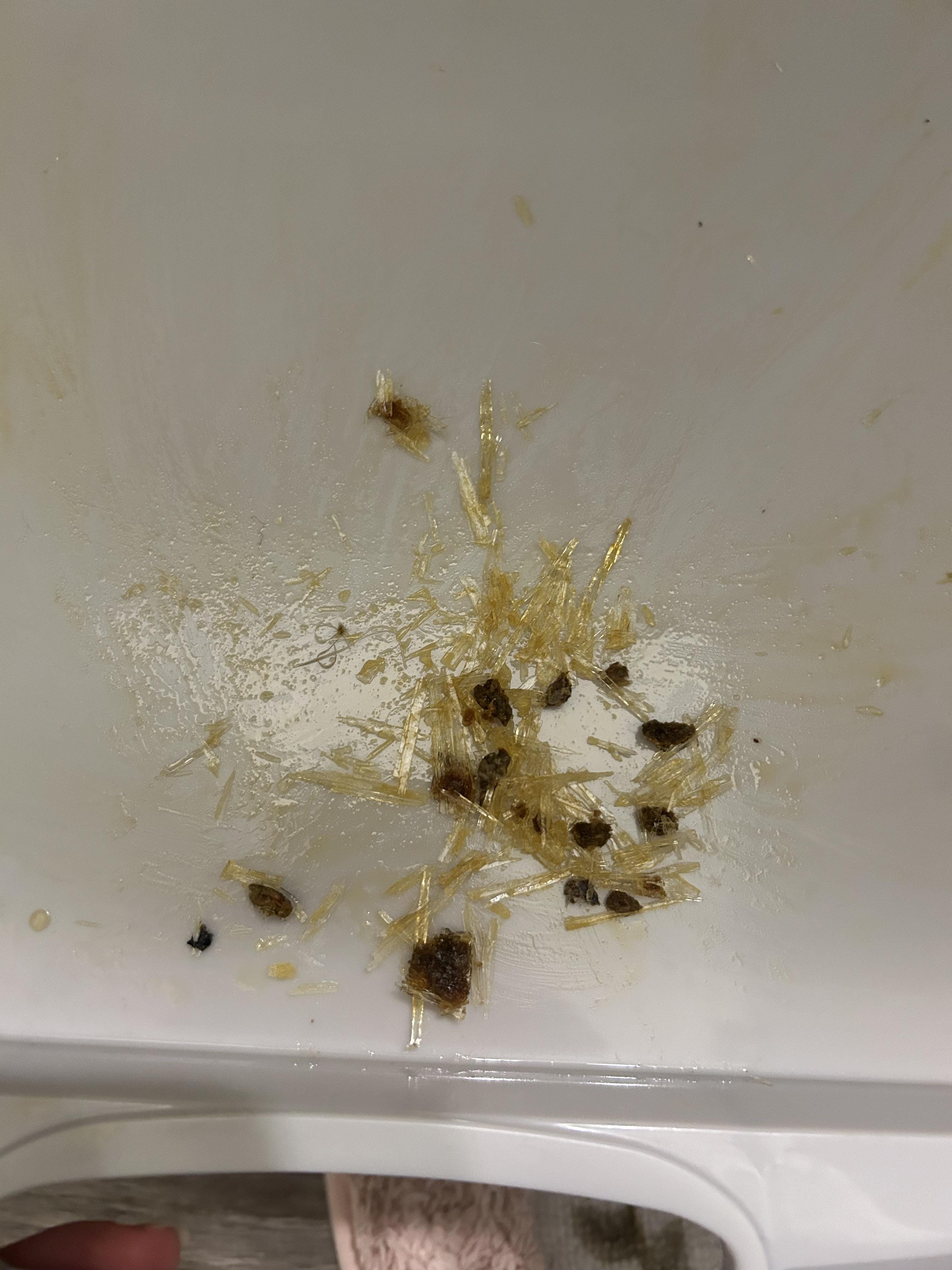
Urine crystals and bladder stones are a significant health concern for feline companions, representing solid accumulations of waste material within a cat’s urinary system. These formations, initially microscopic, can grow over time, potentially leading to serious complications. This article delves into the nature of these conditions, their causes, symptoms, diagnosis, treatment, and crucial prevention strategies, offering cat owners comprehensive insights to safeguard their pet’s urinary health.
What Are Urine Crystals and Bladder Stones?
Urine crystals and bladder stones are solid byproducts that form in a cat’s urine. When waste materials become concentrated, particularly in the bladder, they can precipitate and form these structures. This concentration is often exacerbated by insufficient water intake or a diet predominantly composed of dry food. While individual crystals are only visible under a microscope, they can aggregate, growing into stones that can vary in size, sometimes becoming as large as the bladder itself. These formations can lodge anywhere along the urinary tract, including the kidneys, ureters (tubes connecting kidneys to the bladder), the bladder itself, or the urethra (the tube leading out of the body). The presence of stones or crystals can obstruct urine flow, potentially causing kidney damage or, more critically, a complete urinary blockage, which can be life-threatening for cats.
Differentiating Crystals from Stones
Essentially, crystals are the foundational components of bladder stones. The specific type of crystal or stone that forms depends on various factors, including the acidity and concentration of the urine, genetic predispositions, dietary habits, and the presence of other underlying health conditions. It’s also common for stones to be composed of more than one type of crystal.
Common Types of Urine Crystals and Stones in Cats
Struvite Crystals and Stones
Struvite, also known as magnesium ammonium phosphate, is one of the two most prevalent types of stones found in cats. This prevalence is influenced by a combination of factors such as breed, sex, and diet. Struvite crystals and stones are particularly common in cats that consume primarily dry food, as they are linked to the magnesium ammonium phosphate content often found in pet foods (sometimes referred to as “ash”). While the diseases caused by struvite are often more severe in male cats, females are also susceptible. In some cases, these can be dissolved using a prescription diet; however, surgery may occasionally be necessary. Prevention often involves feeding an exclusively wet food diet.
Calcium Oxalate Crystals and Stones
These stones form from the combination of calcium and oxalate waste products in the urine. They are most frequently observed in middle-aged to older, neutered male cats, and specific breeds such as Persians and Himalayans. Calcium oxalate stones are generally more challenging to manage than struvites and frequently necessitate surgical removal. Following surgical extraction, management typically involves a prescription diet specifically formulated to control the levels of calcium and oxalate byproducts in the urine. As with struvite stones, a canned food diet is generally preferred over dry food.
Symptoms of Urine Crystals and Bladder Stones
Recognizing the signs of urinary distress is crucial for timely intervention. Symptoms can include:
- Straining to urinate (dysuria)
- Frequent urination in small amounts (pollakiuria)
- Blood in the urine (hematuria)
- Urinating outside the litter box
- Pain or vocalization during urination
- Lethargy and hiding
- Loss of appetite
- Vomiting
Critical Signs of a Urinary Emergency in Male Cats:
Male cats are at a higher risk for urinary blockage due to their narrower urethra. Signs of a potential emergency include:
- Repeatedly attempting to urinate with no production of urine
- Extreme distress and vocalization
- Collapse or unresponsiveness
While symptoms associated with bladder crystals and stones can be similar, those indicative of bladder stones tend to persist longer than those caused by crystals alone.
Causes of Urinary Crystals and Stones
Several factors can contribute to the development of crystals and stones in cats, including underlying health issues, breed predispositions, and age. However, for the most common types, particularly struvite crystals and stones, a diet high in dry food often plays a significant role. The exact underlying causes of calcium oxalate stones are less precisely defined, but diet remains a major contributing factor. Some cats have a lower tolerance for urine with a high saturation of calcium and/or oxalate, leading to crystal formation. Long-term management for these cats involves specialized therapeutic urinary diets, which are prescription-only and designed to reduce waste product levels below the threshold for crystal formation.
Furthermore, most cats are not natural drinkers and often suffer from chronic dehydration, which significantly contributes to the formation of both types of common crystals and stones. This highlights why wet food is a preferred dietary option.
Veterinary Diagnosis
Veterinarians employ a range of diagnostic tests to identify stones, crystals, or blockages:
- Bloodwork: Analyzed to detect underlying conditions that may predispose a cat to certain crystal or stone types, or to assess the severity of a blockage.
- Urinalysis: Evaluates the urine’s concentration, acidity, and the presence of infection or crystals.
- Imaging: X-rays or ultrasounds are used to visually confirm the presence and location of stones.
Treatment Approaches
The treatment for crystals and stones is tailored to the specific type, size, and location of the formation, as well as the cat’s overall health. Female cats can often pass small stones naturally or with the aid of a procedure called voiding urohydropropulsion. Male cats, however, face a greater risk of blockage, even with small stones, due to their narrower urethra.
Some stones, particularly struvite, can be dissolved over two to four weeks with a therapeutic urinary diet prescribed by a veterinarian. However, larger stones, or those that do not respond to diet, may require surgical removal. Most calcium oxalate stones do not dissolve with dietary therapy and necessitate surgery.
A urinary blockage is a medical emergency requiring several days of hospitalization for stabilization, with full recovery taking one to two weeks. If a stone is causing an obstruction, a veterinarian will typically insert a catheter to flush the stone back into the bladder. Subsequently, the stone must be dissolved or surgically removed to prevent recurrence.
Recovery and Management
A cat’s recovery journey from urinary crystals and bladder stones is contingent upon the type of stone and their individual health history. Diet is the cornerstone of management, with various commercial diets available to treat and prevent common types of crystals and stones. Increasing a cat’s water intake is another critical strategy, as concentrated urine is more conducive to crystal and stone formation. Feeding canned food is an effective method for boosting hydration.
Prevention Strategies
It is essential to understand that crystals and stones can recur. If your cat has a history of these issues, it is paramount to increase their water intake and adhere strictly to the specific diet recommended by your veterinarian. Never feed your cat any other foods without consulting your veterinarian first. Diluting prescription food with other diets, treats, or snacks can undermine the therapeutic benefits and lead to a recurrence. These specialized diets are carefully formulated to maintain the precise urine concentration required to prevent crystal and stone formation.
Regular follow-up urinalysis is vital for early detection of developing problems before symptoms become apparent. Ensure urine samples are fresh, as struvite crystals can form in older urine samples left at room temperature.
For cats without a history of urinary crystals or stones, feeding a high-quality, all-canned diet is the most effective preventative measure. Encouraging water consumption can also be achieved through the use of pet drinking fountains, providing running water, or by adding a small amount of tuna juice to their water to enhance its appeal.
Conclusion
Understanding and addressing urine crystals and bladder stones in cats is critical for their long-term health and well-being. By recognizing the symptoms, understanding the causes, and diligently following veterinary recommendations for diagnosis, treatment, and prevention, cat owners can significantly mitigate the risks associated with these urinary tract issues. A proactive approach, focusing on proper hydration and a veterinarian-approved diet, is the best defense against these potentially serious conditions.
