
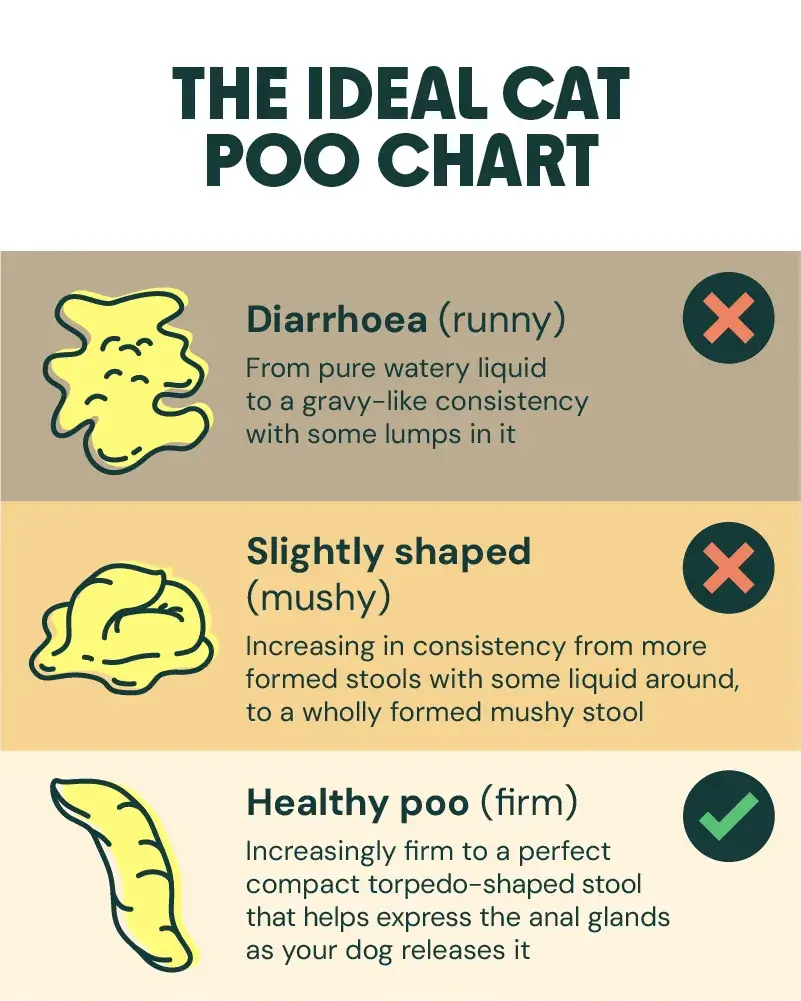
Finding diarrhea in your cat’s litter box can be concerning. Some cats may exhibit only mild diarrhea with no other noticeable changes in their behavior, while others may show additional symptoms. Fortunately, there are several home remedies that can help soothe your cat’s upset stomach. This guide will walk you through how to respond effectively when your cat develops diarrhea, offering insights into when professional veterinary care is necessary and what at-home treatments you can consider.
When to Seek Veterinary Care for Cat Diarrhea
The decision to consult a veterinarian depends on the severity of your cat’s diarrhea and their overall health condition. If your cat is experiencing mild diarrhea and shows no other concerning symptoms, you might consider trying some at-home treatments first.
However, you should contact your veterinarian immediately if your cat exhibits any of the following:
- Vomiting: Frequent or persistent vomiting accompanying diarrhea can indicate a more serious underlying issue.
- Lethargy: A significant decrease in energy or unusual tiredness is a cause for concern.
- Loss of Appetite: If your cat refuses to eat, it can quickly lead to nutritional deficiencies and dehydration.
- Blood in Stool: The presence of blood in the diarrhea, whether bright red or dark and tarry, warrants immediate veterinary attention.
- Dehydration: Signs of dehydration include sunken eyes, dry gums, and loss of skin elasticity.
- Fever: An elevated body temperature can signal an infection or inflammation.
- Severe Abdominal Pain: If your cat seems to be in distress or cries out when their abdomen is touched.
- Diarrhea lasting longer than 48 hours: If home remedies do not resolve the issue within two days, professional diagnosis is needed.
Cat Diarrhea Treatment Plan: At-Home Remedies
If your veterinarian advises that your cat is a candidate for home treatment, or if symptoms are mild, you can explore several at-home remedies. It’s important to remember that cats with diarrhea should not have their food withheld, as this can hinder their recovery and potentially lead to serious health issues like hepatic lipidosis. Instead, focus on managing their diet and hydration.
1. Adjust Your Cat’s Diet
Simplifying your cat’s diet is a crucial first step. Eliminate all treats and table scraps, and focus solely on their regular, nutritionally-complete cat food. If you recently changed your cat’s food, revert to their previous diet to see if the diarrhea subsides. Sometimes, an ingredient in a new food may not agree with your cat. Even if you’re feeding the same brand, a new batch could be contaminated, so consider purchasing a new bag or case from a different lot number.
For cats experiencing chronic adverse reactions, a hypoallergenic or low-antigen diet might be beneficial. While the best options are prescription-only and available from veterinarians, some over-the-counter diets featuring novel protein sources can also help. Always consult your vet before making significant dietary changes.
2. Managing Fiber Intake
A low-fiber (highly digestible) diet can be beneficial for cats experiencing frequent, large stools. Look for foods advertised as highly digestible or suitable for cats with sensitive stomachs. Conversely, some types of diarrhea, characterized by frequent but small stools, may respond well to fiber supplementation. Unflavored psyllium or canned pumpkin or pumpkin powder can be added to your cat’s food. Start with one to two teaspoons mixed into their meal daily.
3. Encourage Water and Electrolyte Intake
Preventing dehydration is critical for cats with diarrhea. Ensure fresh, clean water is always available, and consider offering diluted chicken or beef broth. A water fountain can also encourage increased water consumption. Switching from kibble to a wet canned diet can significantly boost fluid intake. To further increase hydration, you can temporarily mix an extra tablespoon or two of warm water into their wet food.
4. Probiotics for Gut Health
Probiotic supplements can help restore a healthy balance of bacteria in your cat’s intestinal tract, which is essential for normal digestion. Disrupted gut flora can prolong diarrhea even after the initial cause has resolved. Choose a reputable brand of probiotic specifically formulated for cats.
5. Safe Over-the-Counter Medications
While most anti-diarrheal medications should only be administered under veterinary supervision due to potential dangers for cats, kaolin-pectin supplements can often be used safely.
Monitoring Your Cat’s Condition
It is vital to monitor your cat’s progress closely. If home remedies do not yield improvement within 48 hours, or if your cat’s condition worsens or new symptoms arise, contact your veterinarian immediately.
Cat Diarrhea Treatment FAQs
Can cats have Pepto Bismol®?
No. Pepto Bismol® and Kaopectate® are not safe for cats as they contain salicylates. These ingredients can lead to serious side effects such as respiratory failure, stomach irritation or ulcers, bleeding problems, seizures, and liver damage. Always consult your veterinarian before administering any human medication to your cat.
What is the best treatment for diarrhea in kittens?
Diarrhea in kittens can stem from various causes, making treatment variable. Probiotics and fiber supplements may help to firm up stools. However, if a kitten experiences diarrhea for more than 24 hours, or if they exhibit any other symptoms, immediate veterinary examination is necessary.
Will yogurt help a cat with diarrhea?
While yogurt can be beneficial for humans, it is not recommended for cats. Yogurt does not contain the specific bacteria that cats need to support their digestive system. Instead, opt for probiotic supplements designed for felines. Additionally, the dairy and sugar content in yogurt can exacerbate an upset stomach, as cats are not well-equipped to digest human foods.
Dr. Jennifer Coates is an accomplished veterinarian with extensive experience in veterinary medicine, writing, editing, and consulting.
