
Training a bird can be an incredibly rewarding experience, strengthening the bond between you and your avian companion. Just like with dogs or cats, positive reinforcement is key, and what better way to motivate your bird than with delicious treats? But not all treats are created equal, especially when it comes to training. You need something small, highly motivating, and healthy. Let’s explore the best bird treats that will make your training sessions a resounding success.
Understanding Your Bird’s Motivation
Before diving into specific treats, it’s crucial to understand what makes your bird tick. Birds have different preferences, and what one bird finds irresistible, another might ignore. Factors influencing treat motivation include:
- Species: Different species have evolved with different dietary needs and preferences. For instance, a parrot might go wild for a piece of fruit, while a finch might be more interested in a seed.
- Individual Preferences: Even within the same species, individual birds can be picky eaters. Observe your bird’s reactions to different foods to gauge their favorites.
- Health and Diet: The primary diet of your bird should always be balanced and nutritious. Treats should be given in moderation and complement their main food source, not replace it.
The Best Bird Treats for Training
When selecting training treats, prioritize small, easily consumable items that are packed with flavor and nutrition. Here are some top contenders:
1. Fresh Fruits and Vegetables
Many birds absolutely love fresh produce. These treats are not only delicious but also provide essential vitamins and minerals.
- Examples: Small pieces of apple (seeds removed), banana, berries, melon, grapes, cooked sweet potato, peas, carrots, and leafy greens like spinach or kale.
- Benefits: Hydrating, rich in vitamins and antioxidants, natural sugars provide a quick energy boost.
- Considerations: Wash thoroughly. Remove pits and seeds from fruits like apples and cherries, as some can be toxic. Offer in moderation due to sugar content.
2. Seeds and Seed Mixes
Seeds are a natural part of many birds’ diets and are highly palatable. However, they should be offered as treats rather than a staple, as some seeds can be high in fat.
- Examples: Sunflower seeds (in moderation), safflower seeds, millet spray, thistle seeds (nyjer). For smaller birds, a good quality finch mix or canary mix can be suitable.
- Benefits: High in energy, familiar and appealing taste for many birds.
- Considerations: High fat content means they should be given sparingly. Ensure any mix is free from artificial colors or flavors. If you’re looking for how to start training a bird dog, the principles of rewarding with high-value items still apply, though the items themselves will differ.
3. Nuts
Nuts are calorie-dense and can be a powerful motivator for many birds, especially larger parrots.
- Examples: Almonds, walnuts, pecans, pistachios (unsalted and raw are best).
- Benefits: High in protein and healthy fats, very appealing to most parrots.
- Considerations: Extremely high in fat, so offer only tiny pieces as a high-value reward for exceptional behavior. Always choose unsalted and unroasted varieties.
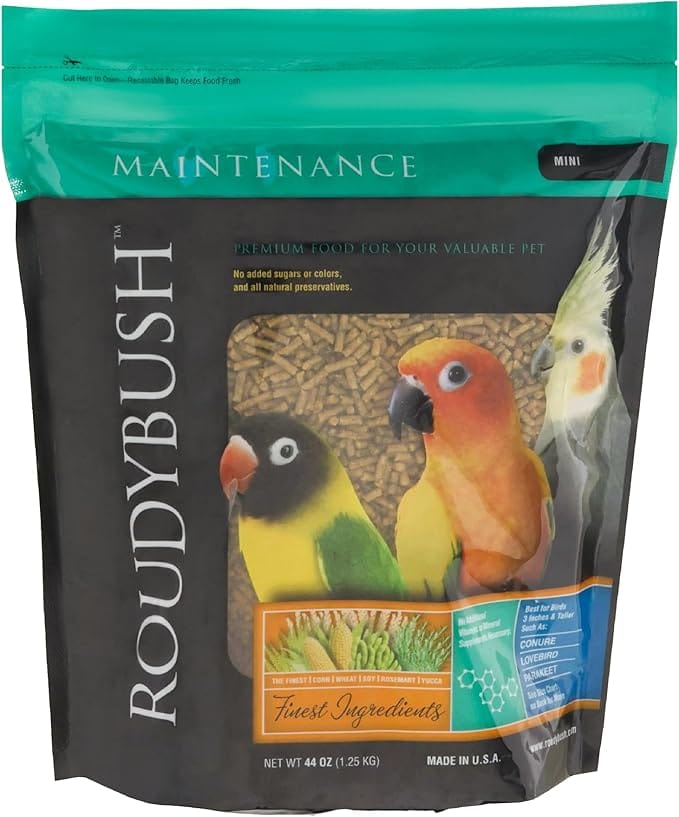
4. Commercial Bird Treats
The market offers a wide variety of commercially produced bird treats, from seed sticks to fortified biscuits.
- Examples: Vogel’s Muesli for Parrots, Harrisons Bird Foods High Potency Super Fine, Zupreem Smart Bites.
- Benefits: Often formulated with balanced nutrition, convenient, and come in various textures and flavors.
- Considerations: Read ingredient lists carefully. Avoid treats with artificial colors, flavors, and excessive sugar or salt. Choose reputable brands.
5. Cooked Grains and Legumes
For birds that enjoy a more varied diet, cooked grains and legumes can be excellent training rewards.
- Examples: Small amounts of cooked quinoa, brown rice, lentils, or chickpeas.
- Benefits: Good source of protein and complex carbohydrates, providing sustained energy.
- Considerations: Ensure they are cooked thoroughly and cooled before serving. Offer in small quantities.
How to Use Treats Effectively in Training
Simply offering treats isn’t enough; how you use them can make or break your training success.
1. Identify High-Value Treats
Determine which of the above treats your bird finds most motivating. Reserve these “high-value” treats for training sessions, especially for more challenging behaviors. This makes the reward more significant.
2. Keep Them Small
Training often involves many repetitions. Treats should be small enough for your bird to eat quickly without becoming full or distracted. Tiny seeds, small pieces of fruit, or finely chopped nuts work well.
3. Timing is Everything
Deliver the treat immediately after your bird performs the desired behavior. This precise timing helps your bird associate the action with the reward. If you wait too long, they won’t understand what they’re being rewarded for.
4. Introduce Variety (Carefully)
While consistency is important, rotating treats can keep your bird engaged and prevent them from getting bored. However, introduce new treats gradually and monitor your bird’s reaction. For instance, if you are trying free flight training for birds, having a few different high-value treats can be very beneficial.
5. Moderation is Key
Treats should supplement, not replace, your bird’s balanced diet. Overfeeding treats can lead to health problems like obesity and nutritional deficiencies. Establish a treat budget and stick to it. A good rule of thumb is that treats should not exceed 10% of your bird’s daily caloric intake.
Important Considerations for Bird Training Treats
- Safety First: Always ensure the treats you offer are safe for your specific bird species. Research any new food item before offering it. Avoid avocado, chocolate, caffeine, and alcohol, as these are toxic to birds.
- Allergies and Sensitivities: Just like humans, birds can have allergies or sensitivities to certain foods. Introduce new treats one at a time and watch for any adverse reactions.
- Hygiene: Wash your hands before preparing and offering treats. Clean any dishes or surfaces used for treats to prevent bacterial growth.
Using the right best bird treats for training can transform your training sessions from a chore into a delightful bonding activity. By understanding your bird’s preferences and offering healthy, motivating rewards, you’ll be well on your way to teaching your feathered friend new tricks and commands. Remember, patience and consistency, paired with the right treats, are your greatest allies in bird training.
