
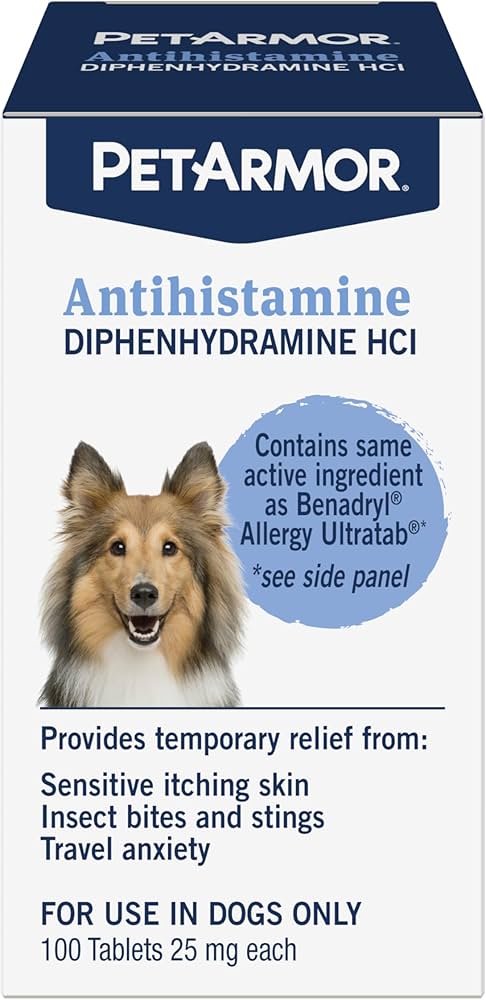
Dealing with a dog experiencing itchy skin can be distressing for both the pet and their owner. While numerous factors can contribute to skin discomfort, allergies are a common culprit. Antihistamines offer a readily accessible and often effective solution for managing itching in dogs, particularly when allergies are the underlying cause. This guide will delve into the role of antihistamines, how to use them effectively, and when to seek further veterinary care.
Antihistamines can help control itching in approximately one-quarter to one-third of dogs suffering from skin allergies. Their effectiveness is often amplified when initiated during the early stages of mild itchiness and when used in conjunction with Omega-3 Fatty Acids. These over-the-counter medications are generally inexpensive and well-tolerated, with a low incidence of side effects. However, it’s crucial to understand that not all antihistamines work equally well for every dog. A trial-and-error approach may be necessary to identify a specific antihistamine that provides relief for your individual pet. Each antihistamine should be administered for a 2-3 week trial period before concluding it’s ineffective.
Understanding Antihistamine Dosages and Types
When selecting an antihistamine for your dog, accurate dosing is paramount. Always consult your veterinarian for personalized recommendations, but general guidelines for commonly used antihistamines include:
- Cetirizine (Zyrtec): Administer ¼ to ½ mg per pound of body weight twice daily. This translates to approximately one 10mg tablet for every 30-40 pounds of dog weight.
- Loratadine (Claritin): Administer ¼ mg per pound of body weight once daily. This is equivalent to half of a 10mg tablet for every 20 pounds of dog weight.
- Clemastine (Tavist-1, Antihist-1): Administer 0.02mg per pound of body weight twice daily. For a 65lb dog, this would be one 1.34mg tablet.
- Diphenhydramine (Benadryl): Administer 1mg per pound of body weight twice daily. A 25lb dog would typically receive one 25mg tablet. This medication can cause sedation, which may be beneficial for nighttime use to aid sleep.
- Hydroxyzine: This is a prescription medication. Administer 1mg per pound of body weight twice daily. For a 25lb dog, this would be one 25mg tablet.
It is vital to be aware of potential toxins. Some liquid or rapidly dissolving tablet forms of antihistamines contain the artificial sweetener xylitol, which is highly toxic to dogs. Always read ingredient labels carefully and avoid any products containing xylitol. Never give your dog sugar-free gum, as it often contains xylitol.
The Role of Omega-3 Fatty Acids
In addition to antihistamines, Omega-3 fatty acids, particularly those derived from fish oil, can significantly reduce skin itch and inflammation in dogs. These supplements also offer broader health benefits for your pet’s overall well-being. Dosing for Omega-3 fatty acids should be based on the combined amount of EPA and DHA (eicosapentaenoic acid and docosahexaenoic acid):
- Dogs under 30 lbs: 75mg of combined EPA and DHA per pound of body weight daily.
- Dogs 31-60 lbs: 60mg of combined EPA and DHA per pound of body weight daily.
- Dogs over 60 lbs: 50mg of combined EPA and DHA per pound of body weight daily.
It is recommended to gradually increase these doses over approximately two weeks to allow your dog’s digestive system to adjust. Using a high-potency fish oil product, such as Welactin, can minimize the total volume of oil required while ensuring purity and effectiveness.
When to Seek Veterinary Intervention
While antihistamines and Omega-3 fatty acids can be very helpful, they are not always sufficient for severe skin issues. If your dog’s itching is intense or persistent, a thorough veterinary examination is essential. Your veterinarian will need to investigate potential underlying causes, such as fleas, mites, or secondary infections like bacteria or yeast. For more severe cases, stronger prescription medications like Apoquel, Cytopoint, or possibly prednisone may be necessary to provide your canine companion with relief and comfort. Early intervention and a comprehensive diagnostic approach by your veterinarian are key to effectively managing your dog’s skin allergies.
