
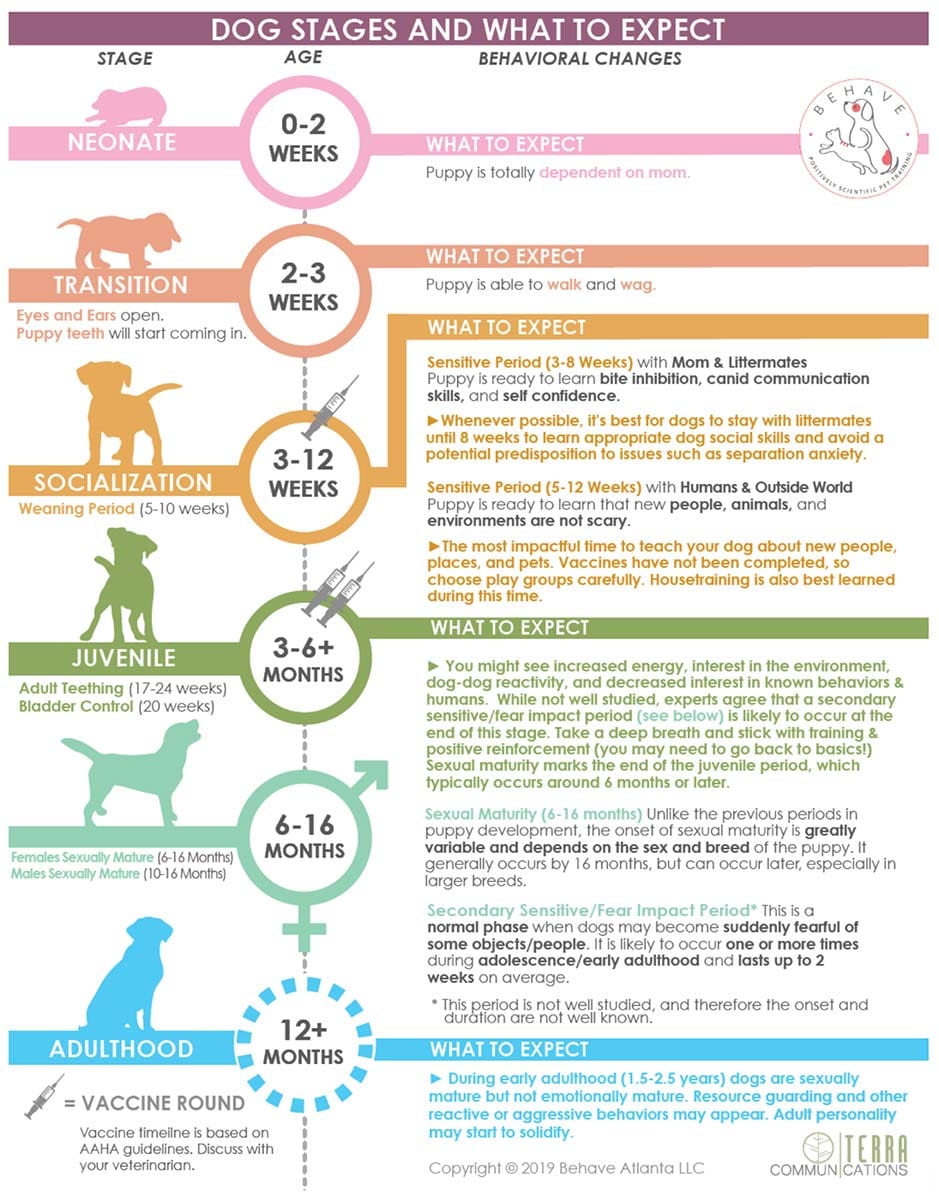
Training your canine companion is one of the most rewarding aspects of dog ownership. It strengthens your bond, ensures your dog’s safety, and makes them a more pleasant member of your household. But when is the ideal time to start? The truth is, puppyhood is a crucial window, but training is a lifelong journey. We’ll explore the optimal times to begin different types of training, from early socialization to advanced obedience, and why consistency is key throughout your dog’s life. Understanding the best age to train a dog can set both you and your furry friend up for success.
The Puppy Primer: Early Socialization and Basic Manners
The earliest stage of your dog’s life, from about 3 weeks to 16 weeks, is the most critical period for socialization. This is when puppies are most open to new experiences, people, sights, and sounds. Exposing them positively to a wide variety of stimuli during this time helps prevent fear-based behaviors and aggression later in life.
Socialization: Building a Confident Canine
During the critical socialization window, aim to introduce your puppy to:
- Various People: Different ages, appearances, and gaits.
- Other Vaccinated Dogs: Well-behaved adult dogs and puppies in a controlled environment.
- New Environments: Parks, pet-friendly stores (once fully vaccinated), and different walking routes.
- Unusual Objects and Sounds: Cautiously introduce vacuums, traffic noise, or even fireworks at a low volume to desensitize them.
It’s important that these experiences are positive. If a puppy has a negative encounter during this sensitive period, it can have lasting effects. Always ensure interactions are supervised and end on a good note. The goal is to build a foundation of confidence and curiosity, not overwhelm them.
Basic Manners: Potty Training and Housebreaking
Potty training is often the first training goal for new puppy owners. This process typically begins as soon as you bring your puppy home, around 8 weeks old. Consistency is paramount. Frequent trips outside, positive reinforcement for success, and diligent cleanup of accidents are essential.
Bite Inhibition: Learning Gentle Nips
Puppies naturally learn bite inhibition from their littermates and mother. If a puppy nips too hard, the other puppy will yelp and withdraw play. You can mimic this by yelping loudly and briefly withdrawing attention when your puppy’s teeth touch your skin. This teaches them to control the pressure of their mouth, a vital skill for preventing future biting problems. This is an ongoing process that starts from the moment they come home.
Adolescence: Refining Skills and Addressing Challenges
Canine adolescence typically begins around 6 months of age and can last up to 18-24 months, depending on the breed. This is a period similar to teenage years in humans, where your dog may test boundaries, become easily distracted, or exhibit new, sometimes challenging, behaviors.
Advanced Obedience Training
This is an excellent time to move beyond basic commands and focus on more complex training. If you’ve mastered basic obedience, consider introducing:
- Reliable Recall: Ensuring your dog comes when called, even with distractions. This is crucial for safety and can be built upon with high value treats for dog training.
- Leash Manners: Teaching your dog to walk politely beside you without pulling.
- Stay and Wait Commands: Strengthening impulse control.
Consider enrolling in intermediate or advanced obedience classes. These provide structured learning and valuable exposure to distractions in a controlled setting. The best age to train a dog for more advanced skills is when they have a solid foundation in basic commands.
Addressing Behavioral Issues
Adolescence is often when owners notice more significant behavioral issues, such as jumping, excessive barking, or resource guarding. Consistent training, clear boundaries, and understanding the underlying cause of the behavior are crucial. Professional guidance from a certified dog trainer or behaviorist may be necessary.
The Adult Dog: Lifelong Learning and Reinforcement
The idea that you “can’t teach an old dog new tricks” is a myth. Adult dogs, even senior dogs, are capable of learning new behaviors and refining existing ones. Training for adult dogs often focuses on reinforcing good habits, addressing specific issues, or teaching new skills for enrichment.
Reinforcement and Proofing
Even well-trained adult dogs benefit from ongoing reinforcement. Continue practicing commands in various environments to “proof” their behavior – ensuring they respond reliably no matter the distractions. This might involve practicing commands in busier areas or around different types of stimuli.
Introducing New Skills
Want to teach your adult dog a new trick or introduce them to a new activity like agility? It’s never too late! Start with short, positive training sessions. Break down new skills into small, manageable steps and reward progress.
Addressing Long-Standing Issues
If you’ve adopted an adult dog with a history of unknown training or behavioral problems, specialized training is essential. This might involve working with a professional trainer experienced in rehabilitating rescue dogs. Techniques may be similar to adolescent training, focusing on building trust and establishing clear communication.
Senior Dogs: Adapting Training for Golden Years
Senior dogs can absolutely continue learning. Training for older dogs often involves adapting to physical limitations and focusing on maintaining cognitive function and reinforcing established good behavior.
Gentle Reinforcement
Keep training sessions short and positive. Focus on commands they already know and offer gentle encouragement. Be mindful of any physical limitations they may have due to arthritis or other age-related conditions.
Cognitive Stimulation
Mental exercises are vital for keeping senior dogs’ minds sharp. Puzzle toys, scent games, and learning simple new tricks can provide valuable cognitive stimulation.
How to Choose the Right Training Approach
Regardless of your dog’s age, the most effective training methods are based on positive reinforcement. This involves rewarding desired behaviors with treats, praise, or play, making learning a positive and enjoyable experience for your dog.
Key Principles of Positive Reinforcement Training:
- Reward Desired Behaviors: Catch your dog doing something right and reward them immediately.
- Clear Communication: Use consistent cues (verbal or hand signals) and body language.
- Patience and Consistency: Training takes time. Everyone in the household should follow the same rules and use the same cues.
- Manage the Environment: Set your dog up for success by controlling their environment to prevent unwanted behaviors. For instance, if your puppy isn’t fully potty trained, limit their access to the whole house.
- Keep Sessions Short and Fun: Especially for puppies and senior dogs, short, engaging sessions (5-10 minutes) are more effective than long, drawn-out ones.
When to Seek Professional Help
While many training goals can be achieved with dedicated owners, some situations warrant professional assistance:
- Aggression: Any form of aggression (towards people or other animals) should be addressed by a qualified professional immediately.
- Severe Fear or Anxiety: Deep-seated fear or anxiety can be challenging to overcome without expert guidance.
- Lack of Progress: If you’ve been consistent with training but aren’t seeing results, a professional can identify underlying issues or offer new strategies.
- Specific Training Goals: For specialized training like therapy dog work or advanced competitive obedience, professional instruction is often required. A trainer experienced with dog training bite sleeve techniques, for example, can offer specific guidance.
Conclusion: A Lifelong Partnership Built on Training
The question of the “best age to train a dog” doesn’t have a single answer, as training is an ongoing process that adapts to your dog’s developmental stage. Puppyhood is essential for socialization and basic manners, adolescence is for refining skills and addressing challenges, and adulthood and senior years are for lifelong learning and reinforcement. By employing positive, consistent methods and seeking professional help when needed, you can build a strong, communicative, and loving relationship with your dog that lasts a lifetime. Remember, every stage of your dog’s life offers a unique opportunity to learn and grow together.
