
Bringing a dog into your home is an exciting journey, but it comes with a big question: what is the Best Age To Train A Dog? Many new owners feel a sense of pressure, worrying they might miss a critical window for learning. The truth is, while certain periods are ideal for specific types of training, learning is a lifelong process for our canine companions. It’s less about a magic number and more about understanding your dog’s developmental stage.
From the moment a puppy opens its eyes to the comfortable pace of a senior dog, opportunities for training and bonding are always present. The key is to tailor your approach to their age, energy level, and cognitive abilities. Understanding these stages is crucial, and it’s a concept that applies to many aspects of canine care, including the complex process of figuring out if you can you potty train an old dog. This guide will walk you through the different life stages of a dog and explain how you can become an effective teacher at every single one.
The Golden Window: Puppy Training (8 to 16 Weeks)
This is the period most people think of when they ask about the best age to train a dog. From 8 to 16 weeks, puppies are like little sponges, soaking up information about the world around them. This is often called the “critical socialization period,” and it’s the most important time to expose your puppy to new sights, sounds, smells, people, and other dogs in a positive and controlled way.
Why This Age is Crucial
During this phase, a puppy’s brain is wired to accept new experiences without fear. Positive encounters during this time will help them grow into a well-adjusted, confident adult dog. A lack of socialization can lead to fear-based behaviors and anxiety later in life.
What to focus on:
- Socialization: Introduce them to vaccinated, friendly adult dogs. Let them meet different types of people—tall, short, wearing hats, carrying umbrellas. Take them for car rides and expose them to everyday noises like vacuum cleaners and traffic.
- Basic Cues: This is the perfect time to start introducing simple cues like “sit,” “stay,” and “come.” Keep training sessions very short (just a few minutes at a time) and make them fun and rewarding. Use plenty of treats and praise.
- House Training: A puppy’s bladder is small, so consistency is key. Establish a routine of frequent potty breaks, especially after waking up, after playing, and after eating.
- Nipping and Bite Inhibition: Puppies explore with their mouths. It’s your job to teach them that human skin is sensitive. If they nip, yelp loudly and briefly withdraw attention.
As veterinary behaviorist Dr. Amelia Hayes notes, “The 8-to-16-week period isn’t about creating a perfectly obedient robot. It’s about building a foundation of positive experiences. You are teaching your puppy that the world is a safe, fun place and that you are a reliable leader.”
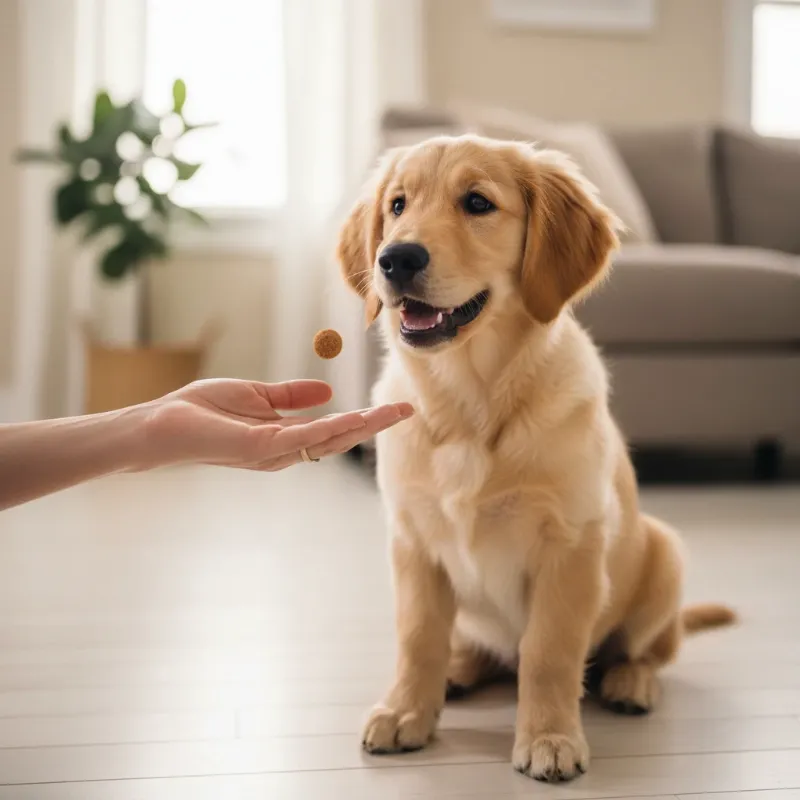 A small, fluffy Golden Retriever puppy looking up attentively at its owner, practicing the 'sit' command for a treat. This image captures the essence of the best age to train a dog.
Navigating the Teenage Phase: Training Adolescent Dogs (6 to 18 Months)
Just when you think you’ve got it all figured out, your puppy enters adolescence. This period, typically from six months to about a year and a half, can be challenging. Your dog might suddenly “forget” their training, test boundaries, and seem to have boundless energy. This is a normal part of development as their brains and bodies mature.
The Challenge of Adolescence
Hormonal changes can make adolescent dogs more impulsive and less focused. They might become more interested in sniffing the environment or playing with other dogs than listening to you. This is not a sign of failure on your part; it’s a call for patience and consistency. The skills needed to guide a dog through this phase are similar to those required for specialized tasks, such as training Bernese mountain dog breeds, which also require a firm but patient hand.
What to focus on:
- Reinforce Basic Training: Go back to basics. Practice “sit,” “stay,” “come,” and leash manners in various environments with increasing distractions. Keep it positive and rewarding.
- Impulse Control: This is a great time to work on exercises that teach self-control. “Wait” before meals, “leave it” for dropped items, and “stay” with distractions are invaluable skills.
- Advanced Cues: Now that their attention span is a bit longer, you can introduce more complex commands or even start fun dog sports like agility or scent work to keep their minds engaged.
- Consistent Management: Use tools like leashes, crates, and baby gates to prevent unwanted behaviors like jumping on guests or chewing furniture. Prevention is always better than correction.
If you find this stage overwhelming, seeking professional help can make a world of difference. Consulting a professional is a common step, whether you’re looking for a local dog trainer northern virginia or options in another region.
It’s Never Too Late: Training Adult and Senior Dogs
One of the biggest myths in the dog world is that you can’t teach an old dog new tricks. This is simply not true. Adult and senior dogs are absolutely capable of learning. In fact, they often have longer attention spans and more self-control than puppies, which can make them easier to train in some respects.
Adapting to an Adult Learner
When training an adult dog, especially a rescue, you may be working to undo past behaviors or build confidence in a dog with an unknown history. The key is patience and understanding. You’re not just teaching new commands; you’re building a relationship based on trust.
What to focus on:
- Building a Bond: Start with simple, positive reinforcement exercises to build trust. Hand-feeding meals or playing gentle games can strengthen your connection.
- Addressing Problem Behaviors: If you’re dealing with issues like leash reactivity or separation anxiety, it’s crucial to work with a professional. A certified trainer or behaviorist can help you create a customized plan. For those seeking structured guidance, exploring resources like the dogo dog training app can provide a helpful framework.
- Mental Stimulation: Keep their minds sharp with puzzle toys, scent games, and learning new tricks. Mental exercise is just as important as physical exercise, especially for senior dogs.
- Physical Limitations: For senior dogs, be mindful of any physical limitations. Keep training sessions short and low-impact. Focus on tricks that don’t require strenuous movement.
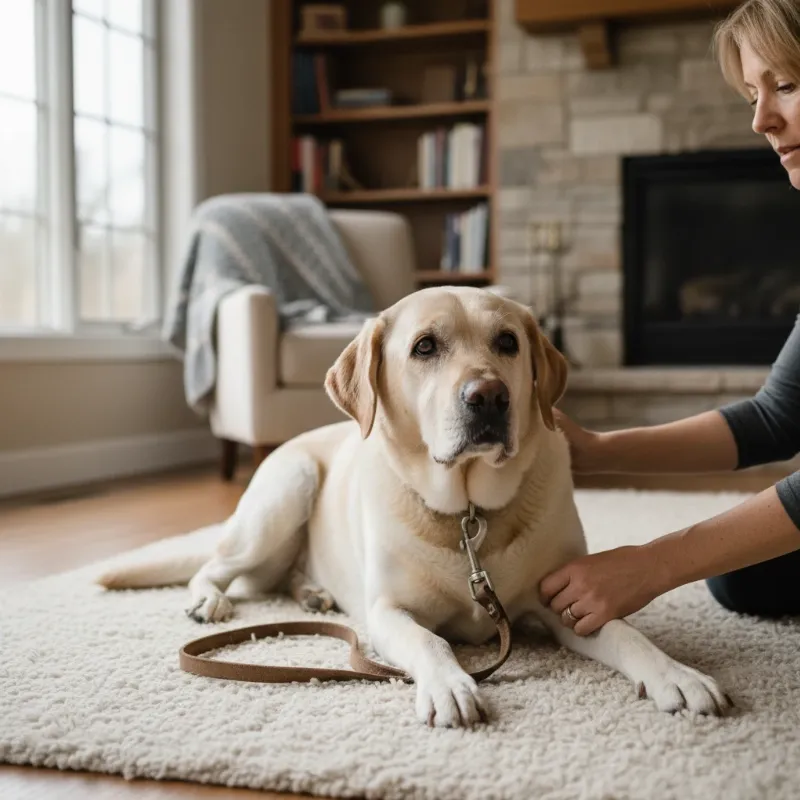 An older, grey-muzzled Labrador Retriever gently placing its paw into its owner's hand, demonstrating that it's never too late to learn.
Different Ages, Different Training Types
The question “what is the best age to train a dog?” is complex because “training” isn’t a single activity. It encompasses several different categories, each with its own ideal timeline.
Key Training Categories
- Socialization: The most time-sensitive. The primary window is 3 to 16 weeks. While you can continue socialization throughout a dog’s life, these early weeks are formative.
- House Training: Starts the moment you bring your puppy home, around 8 weeks. It relies on management and routine. With adult dogs, it’s about establishing a new routine.
- Obedience Training: Formal cues like “sit” and “stay” can start as early as 8 weeks but become more effective as a puppy’s focus improves. For more structured programs, like those for dog obedience training fort worth, owners might wait until a puppy is a few months older and has basic vaccinations.
- Behavior Modification: This is for addressing specific issues like fear or aggression. It can happen at any age and almost always requires the help of a professional.
Ultimately, the best age to train a dog is whatever age your dog is right now. Training is not a one-time event but an ongoing dialogue that enriches your relationship and helps your dog navigate our human world with confidence.
Frequently Asked Questions (FAQ)
Can I train a 1-year-old dog?
Absolutely. A 1-year-old dog is still very young and has a great capacity for learning. They are past the initial puppy stage and have a better attention span, making them prime candidates for obedience training and learning new skills.
Is 8 weeks too early to start training a puppy?
No, 8 weeks is the perfect time to start with the basics. Focus on positive socialization, establishing a house-training routine, and introducing simple cues in very short, fun sessions. Avoid harsh methods or overly demanding exercises.
How is training an adult rescue dog different?
Training a rescue dog requires extra patience as you may not know their history. The initial focus should be on building trust and making them feel safe. They may have ingrained fears or behaviors that require a gentle, consistent approach and often the guidance of a professional trainer.
Do I need to go to a formal training class?
Formal classes can be incredibly beneficial for both socialization and learning in a distracting environment under the guidance of a professional. However, consistent, positive training at home is the most important factor for a well-behaved dog.
What are the signs I need a professional dog trainer?
You should seek professional help if you are dealing with behaviors such as aggression, severe anxiety, resource guarding, or reactivity. A professional can provide a safe and effective plan to manage these issues. It’s also a good idea to consult one if you feel stuck or overwhelmed with any aspect of training.
