
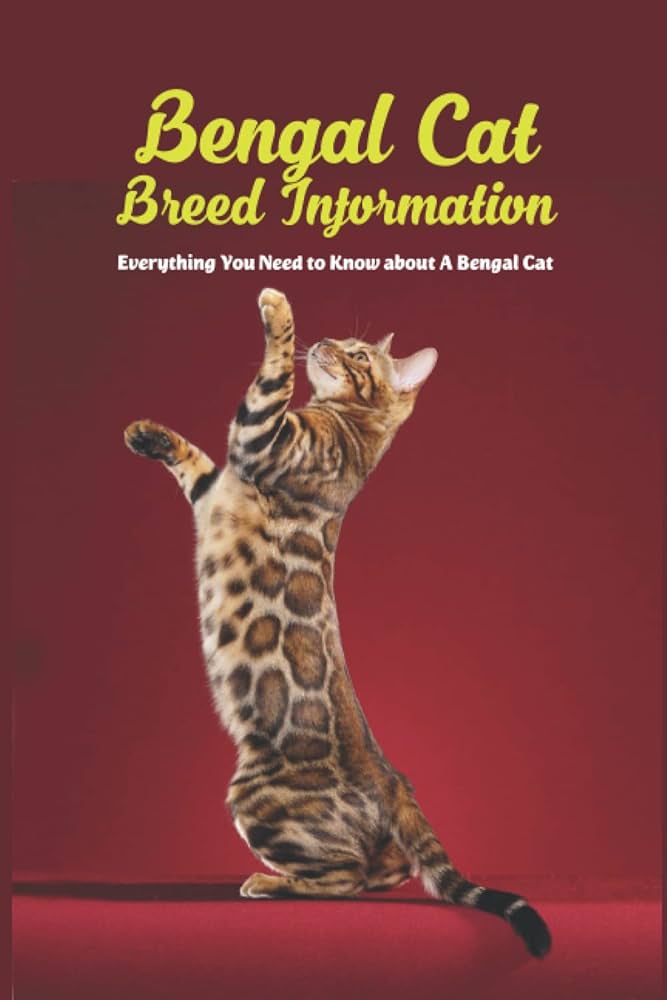
Bengal cats, with their striking resemblance to mini leopards, are a captivating breed resulting from a cross between domestic shorthairs and Asian leopard cats. While their wild ancestry contributes to their unique beauty, it also means they are best suited for experienced cat owners who can cater to their specific needs for activity and mental stimulation. Before welcoming a Bengal into your home, it’s crucial to be aware of local and state regulations, as some areas have restrictions on ownership, particularly for lower generations. Asian leopard cat.
Understanding Bengal Cat Generations
Bengal cats are categorized by their “F” filial rating, indicating how many generations removed they are from their wild Asian leopard cat ancestors. An F1 Bengal is a direct cross, possessing more wild traits, while higher generations (F2, F3, and beyond) become progressively more similar to domestic cats in temperament and size, though they retain their distinctive spotted appearance. Veterinarians like Dr. Jennifer Frione recommend higher-generation Bengals for most pet owners due to their more domesticated nature.
Essential Care for Bengal Cats
Bengal cats are not sedentary pets; they require a stimulating environment and ample opportunities for exercise. Their playful, curious, and athletic nature means they thrive with interactive toys and activities. Due to their strong hunting instincts and less tolerance for being held, they may not be the best fit for households with very young children.
Health Considerations for Bengal Cats
The average lifespan of a Bengal cat is 12 to 16 years. While generally a healthy breed, they are predisposed to certain genetic conditions:
- Lymphoma: Bengal cats have a higher incidence of this cancer affecting the lymphatic system. Early detection and treatment, which may include chemotherapy or surgery, are key.
- Gastrointestinal Conditions: Beyond lymphoma, Bengals can be prone to upset stomachs, sometimes due to their tendency to ingest non-food items. Irritable bowel disease is also a concern.
- Patellar Luxation: Their athleticism can be compromised by kneecaps that dislocate. Treatment may involve medication or surgery to prevent discomfort and arthritis.
- Hypertrophic Cardiomyopathy (HCM): This common heart condition involves thickening of the heart muscle. Responsible breeders genetically test for HCM, but routine veterinary check-ups are vital for early detection.
- Progressive Retinal Atrophy (PRA): This genetic condition leads to retinal deterioration and eventual blindness. While there’s no cure, affected cats can adapt with proper care. Responsible breeders screen for this condition.
- Pyruvate Kinase Deficiency (PKD): This inherited disorder affects red blood cells, leading to anemia. Genetic testing can help reduce the risk in Bengal kittens.
Feeding Your Bengal Cat
Bengal cats do not require a specialized diet but should be fed high-quality commercial cat food that meets AAFCO nutritional standards. Consulting your veterinarian for recommendations is advised. Some owners find success with breed-specific formulas, such as Royal Canin’s breed-specific Bengal food.
To cater to their natural hunting instincts, incorporate food puzzles and lick mats into their feeding routine. Multiple small meals throughout the day can mimic their natural feeding patterns and help prevent obesity. As Bengals typically maintain a lean build, their calorie intake should be adjusted based on age and activity level, with veterinary guidance for weight management if needed. Avoid giving supplements without consulting your vet.
Behavior and Training for Bengals
Bengals are highly intelligent, active, and curious cats that require significant mental and physical stimulation. Providing ample vertical space through cat trees, scratching posts, and shelves is essential for their well-being. Their intelligence and curiosity can lead them to explore and engage in various antics, including an unusual love of water.
Introducing Bengals to other pets and children should be done cautiously, as their strong prey drive and territorial nature may pose challenges. Fortunately, Bengals often enjoy learning new tricks and can even be trained to walk on a harness and leash, making them suitable for exploring the outdoors safely. Boredom can lead to destructive behaviors, so consistent engagement through play and activity is crucial.
Fun Activities for Bengal Cats:
- Sunbathing in a catio
- Running on a cat wheel
- Playing fetch
- Exploring vertical spaces
- Birdwatching
- Foraging for treats
- Engaging with food puzzles
- Playing in water
- Harness and leash walking
- Learning new tricks
- Socializing with compatible pets
Bengal Grooming Guide
Bengal cats possess a short, single-layered coat that is often described as silky smooth and glittering. They are low-shedding and require minimal grooming.
- Skin Care: Bengals do not typically need regular baths, though their affinity for water might lead them to enjoy bath time.
- Coat Care: Weekly brushing with tools like those found at chewy.com helps manage shedding and prevent matting.
- Eye Care: While most Bengals have striking green, yellow, or gold eyes, any changes in vision should be promptly evaluated by a veterinarian for conditions like PRA.
- Ear Care: Keeping ears clean and dry, especially after water play, can prevent infections.
- Nail Care: Trimming nails monthly or as needed prevents overgrowth and potential issues.
Important Considerations for Bengal Owners
Before adopting a Bengal, thoroughly research local laws regarding hybrid cats. Understand that higher generations are generally more domesticated. Ensure you can provide the necessary daily activity and enrichment to keep your Bengal mentally and physically stimulated. Investing in indoor enrichment like cat wheels and puzzle feeders can significantly enhance their quality of life, especially in smaller living spaces.
Bengal Cat FAQs
- Are Bengal cats hypoallergenic? While they are low-shedding, no cat breed is entirely hypoallergenic due to allergens in saliva and dander.
- How much is a Bengal cat? Costs can range from $1,500 to $4,000, depending on the generation, excluding ongoing care expenses.
- Are Bengal cats good house pets? They can be excellent companions for experienced owners seeking an energetic and intelligent cat, provided their needs for stimulation are met.
- Are Bengal cats legal in the US? Laws vary significantly by state and locality, requiring owners to check specific regulations.
Embracing a Bengal cat means committing to an engaging and rewarding experience with a truly unique feline companion.
