
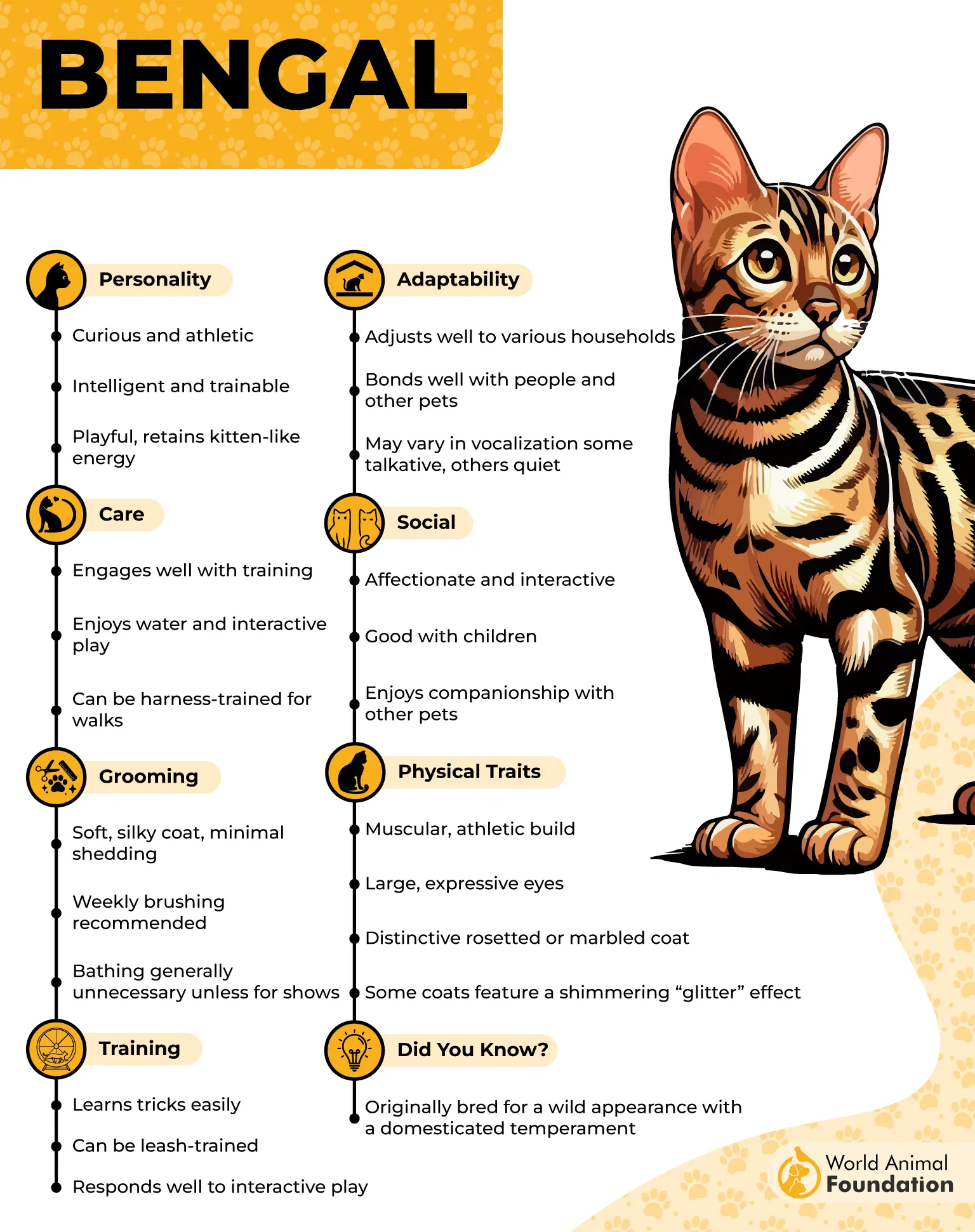
For many individuals, the dream of sharing their home with a feline companion is overshadowed by the reality of cat allergies. However, the question of whether certain breeds are more suitable for allergy sufferers is a common one. This article delves into the specifics of Bengal cats and their potential to be a more tolerable breed for those with allergies, exploring the science behind allergic reactions and practical tips for managing them.
The Science Behind Cat Allergies
Allergies to cats are typically triggered by a protein called Fel D1, found in a cat’s saliva and sebaceous glands. This protein is present in microscopic dander – tiny flakes of dry skin – and is easily spread throughout a home. When an allergic individual is exposed to Fel D1, their immune system can react, leading to symptoms such as sneezing, runny noses, itchy eyes, rashes, and even asthma attacks. The size of these dander particles, about one-tenth the size of dust mites, allows them to become airborne quickly and linger in the environment.
Bengal Cats and Hypoallergenic Qualities
There is a widespread belief among Bengal cat breeders and owners that this breed may be better tolerated by individuals with cat allergies. While scientific studies specifically quantifying Fel D1 levels in Bengal cats compared to other breeds are limited, anecdotal evidence suggests a reduced reaction in many allergy sufferers.
One theory posits that the Bengal cat’s short, pelt-like coat requires less frequent and shorter grooming sessions. Since saliva on the fur is a source of Fel D1, less grooming may lead to a reduced transfer of the allergen. Additionally, Bengals are often observed to shed less than other breeds, which could further limit the spread of dander throughout the home.
Real-World Experiences
Illustrative anecdotes highlight the potential for Bengals to be a good fit for some allergy sufferers. One account describes an eight-year-old boy with severe cat allergies who experienced no reaction after spending an hour interacting with multiple Bengal cats. Conversely, another experience with a pet store owner, who was mildly allergic to cats, indicated that she still experienced some allergic symptoms, such as congestion and the urge to sneeze, after petting a Bengal cat. These experiences suggest that while Bengals may be less allergenic for some, they are not entirely allergen-free.
Managing Cat Allergies in the Home
For those who suffer from cat allergies, whether living with a Bengal or another breed, several strategies can help reduce allergen levels in the home environment.
Environmental and Behavioral Adjustments
- Allergy Wipes: Products like Allerpet have shown effectiveness in reducing cat allergens on the cat’s coat, with studies indicating success for around 80% of users.
- Hygiene Practices: Washing hands frequently after handling your cat and avoiding touching your face or eyes can minimize exposure. Regularly washing clothes and bedding in hot water helps eliminate allergens. Using dusting sprays can also help minimize dust dispersal.
- Home Environment: Carpeting can trap allergens, so opting for hard flooring like wood, vinyl, or tile may be beneficial. Heavy drapes should be avoided as they can accumulate dust and allergens. Keeping cats out of bedrooms and off clean laundry is also recommended.
- Ventilation and Air Filtration: Utilizing high-efficiency air cleaners, whether central or portable, can significantly improve air quality by filtering out allergens. Ensuring good ventilation, perhaps by creating outdoor enclosures for your cat to spend time in, can also help.
- Litter Box Management: Keep the cat litter in a well-ventilated area and use litter that is as dust-free as possible. When emptying the litter box, dip rather than pour to minimize dust.
- Dietary Considerations: Purina scientists have researched allergen-reducing cat food. One approach involves a diet containing a specific protein found in eggs, which can bind and block the Fel D1 allergen in a cat’s saliva. Studies showed a significant reduction in active Fel D1 levels on cats’ hair and dander after a few weeks of this diet.
Veterinary and Medical Options
- Spaying or Neutering: Ensuring your cat is spayed or neutered is a general recommendation for cat health and may influence allergen levels.
- Allergen Immunotherapy: Consulting with an allergist about potential anti-inflammatory therapies or desensitization treatments, also known as immunotherapy, might be an option for severe allergies.
- Cat Allergy Vaccines: Innovative research is underway to develop vaccines administered to cats themselves, targeting the Fel D1 allergen. A vaccine developed by HypoPet AG has shown promising results in producing antibodies that can neutralize the allergen in cats.
Conclusion
While the term “hypoallergenic” can be misleading, suggesting complete allergen avoidance, Bengal cats appear to be a more tolerable breed for a portion of the population affected by cat allergies. By understanding the science behind these allergies and implementing proactive management strategies for both the home environment and the cat, individuals can increase their chances of successfully sharing their lives with a feline companion. Further research into Fel D1 levels in different breeds may one day provide even clearer guidance for allergy sufferers seeking their perfect pet.
If you’re interested in learning more about specific cat breeds, consider exploring short haired cat breeds or researching applehead siamese characteristics.
