
Bringing a dog into your life is an incredibly rewarding experience, filling your home with boundless energy and unconditional love. However, the journey of dog ownership is a two-way street, requiring dedication, understanding, and, crucially, effective training. Dog training is far more than just teaching your furry friend a few tricks; it’s the foundation for a harmonious relationship, enhancing both your dog’s life and yours. It’s about communication, building trust, and ensuring your canine companion is a well-adjusted member of your family and community. From basic obedience to addressing behavioral challenges, the advantages of investing time and effort into dog training are numerous and profoundly impactful.
The Genesis of a Well-Behaved Canine Companion
Understanding the roots of dog training reveals its inherent value. For centuries, humans and dogs have formed partnerships, with training playing a vital role in this evolution. Whether for hunting, guarding, or companionship, dogs have been selectively bred and trained to work alongside us. This historical context highlights that dogs are predisposed to learning and responding to human guidance. Modern dog training builds upon this natural inclination, utilizing positive reinforcement methods to foster a strong bond and clear communication. This approach not only makes training enjoyable for your dog but also proves highly effective in shaping desirable behaviors. It transforms a potentially chaotic household into a peaceful, well-ordered environment where both human and canine can thrive.
Exploring the Spectrum of Dog Training Techniques
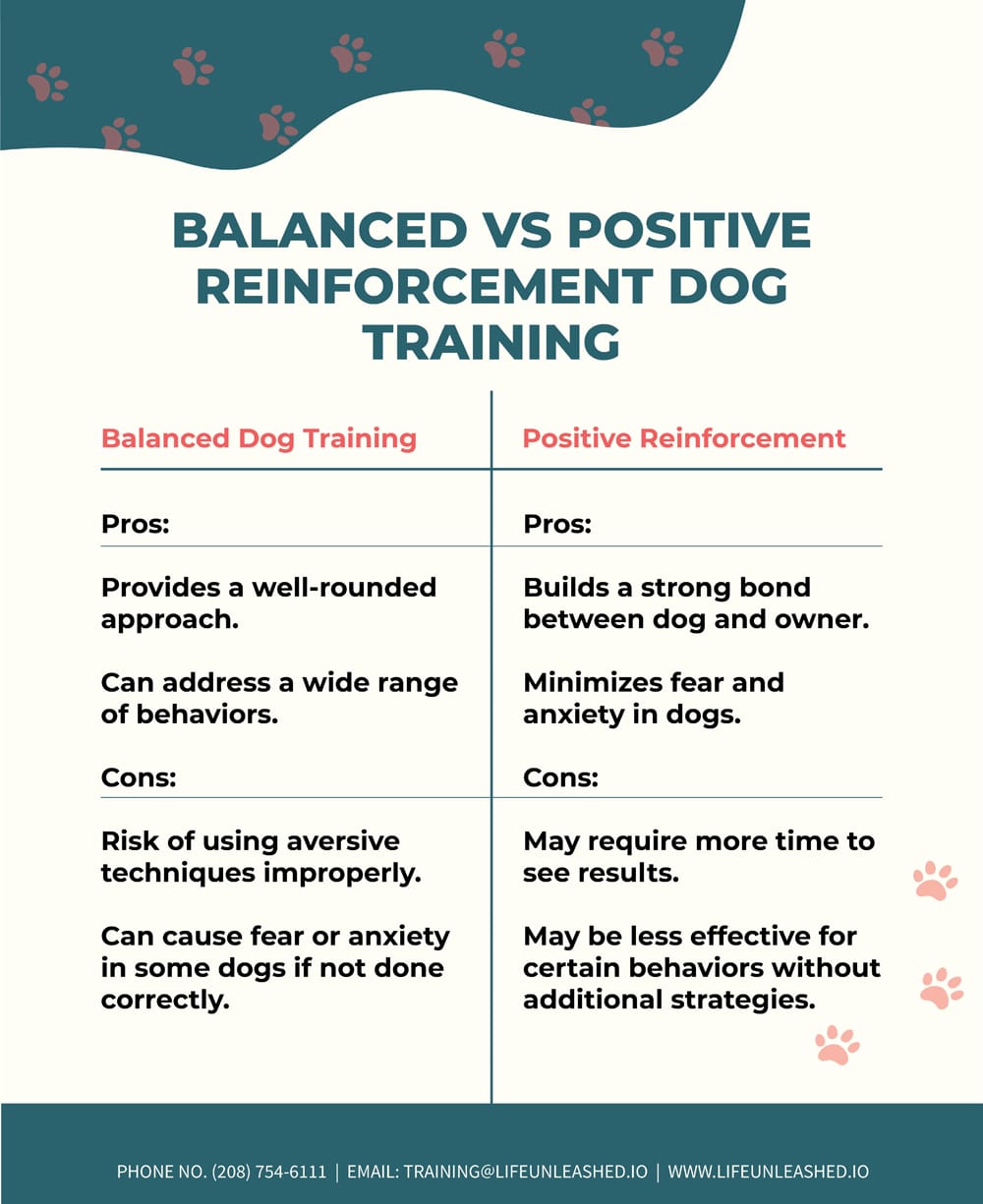
The world of dog training offers a variety of approaches, each with its own philosophy and methods. While some older methods relied heavily on punishment, contemporary best practices overwhelmingly favor positive reinforcement. This universally recommended technique involves rewarding your dog for desired behaviors, making learning a positive and engaging experience. Rewards can range from tasty treats and enthusiastic praise to favorite toys and petting.
- Positive Reinforcement: This is the cornerstone of modern training. It focuses on rewarding good behavior to increase the likelihood of it happening again. Think of it as teaching your dog what you want them to do, rather than punishing them for what you don’t.
- Clicker Training: A popular form of positive reinforcement, clicker training uses a small device that makes a distinct “click” sound. This sound acts as a precise marker, immediately letting your dog know they’ve done something right, followed by a reward.
- Lure-Reward Training: This method uses a treat or toy to guide your dog into a desired position or action, followed by a reward. It’s a great way to introduce new commands.
- Leash Training: Essential for safe walks, leash training teaches your dog to walk politely beside you without pulling. This prevents strain on your arm and makes outdoor excursions far more pleasant for both of you.
- Socialization: While not strictly a “training” technique, early and ongoing socialization is critical. It involves safely exposing your puppy to various people, places, sounds, and other animals to help them grow into a confident, well-adjusted adult dog.
These methods, when applied consistently and with patience, create a clear and trusting communication channel between you and your dog.
Core Benefits of Investing in Dog Training
1. Enhanced Safety and Reduced Risk
One of the most significant Benefits Of Dog Training is the dramatic improvement in safety for your dog, yourself, and the public. A trained dog is a safer dog. Commands like “sit,” “stay,” and “come” are not just for show; they are life-saving tools.
- Recall: A reliable “come” command can prevent your dog from running into traffic, chasing after a squirrel into a dangerous area, or getting lost. This is arguably the most crucial command for your dog’s safety.
- Leash Manners: A dog that pulls on the leash can be a hazard, especially with larger breeds, and can lead to accidental injuries. Proper leash training ensures walks are controlled and enjoyable.
- Impulse Control: Teaching your dog to manage their impulses helps prevent them from jumping on strangers, eating dangerous items off the ground, or reacting aggressively in certain situations.
Well-trained dogs are less likely to encounter dangerous situations because their owners have better control and their dogs understand boundaries and commands.
2. Strengthened Human-Animal Bond
Training is a dedicated activity that fosters a deeper connection between you and your dog. When you spend time actively engaging with your dog, teaching them new things, and rewarding their efforts, you build a unique language and understanding. This consistent interaction nurtures trust and mutual respect.
- Communication: Training teaches your dog to understand your cues and signals, and it teaches you to better interpret your dog’s body language and needs.
- Quality Time: Dedicated training sessions are a fantastic way to bond. It’s focused time where your dog’s attention is solely on you, strengthening your relationship beyond everyday living.
- Trust: When your dog learns to trust your guidance and leadership, and you learn to trust their ability to respond, the bond becomes incredibly strong and resilient. This mutual trust is the bedrock of a loving relationship.
3. Improved Behavior and Reduced Problematic Actions
Untrained dogs often exhibit behaviors that can be frustrating or even destructive. Training directly addresses these issues, leading to a more peaceful coexistence.
- House-training: This is often the first training goal for new owners. A well-house-trained dog means a cleaner home and less stress for everyone involved.
- Chewing and Destructive Behaviors: Boredom and lack of proper outlets often lead to destructive chewing. Training provides mental stimulation and teaches appropriate behaviors, redirecting their energy constructively.
- Excessive Barking: Training can help manage and reduce nuisance barking by addressing the underlying causes, such as anxiety or boredom, and teaching alternative behaviors.
- Aggression: While aggression can have complex roots, training, particularly socialization and impulse control, plays a vital role in managing and mitigating aggressive tendencies. For severe cases, professional guidance is essential, and training forms a key part of the solution. If you’re concerned about certain breeds being harder to manage, understanding that dogs hardest to train still benefit immensely from professional guidance and consistent training strategies is crucial.
4. Enhanced Mental Stimulation and Well-being
Just like humans, dogs need mental engagement to stay happy and healthy. Training provides a fantastic mental workout, preventing boredom and keeping their minds sharp.
- Cognitive Benefits: Learning new commands and problem-solving tasks stimulates your dog’s brain, helping to prevent cognitive decline as they age.
- Reduced Anxiety: A dog that understands routines and expectations often experiences less anxiety. Knowing what to do and what to expect can be very reassuring for a canine mind.
- Outlet for Energy: For intelligent and high-energy breeds, training offers a constructive outlet for their mental and physical energy, preventing pent-up frustration that can lead to problem behaviors.
5. Greater Freedom and Social Opportunities
A well-trained dog is a dog that can go more places with you. Imagine being able to take your dog to a café patio, a friend’s house, or even on vacation without constant worry.
- Public Access: When your dog behaves well in public, you gain the freedom to include them in more of your life. This means more adventures and less time leaving them behind.
- Social Integration: A well-behaved dog is a welcome guest. They are more likely to be invited to social gatherings and can interact more positively with visitors.
- Travel: Traveling with a trained dog is significantly easier and less stressful. They are more likely to be calm and manageable in new environments and transportation.
6. Ease of Care and Management
From vet visits to grooming appointments, a trained dog makes everyday care routines much simpler.
- Veterinary Visits: A dog that tolerates handling, stays still for examinations, and doesn’t react fearfully makes vet visits far less stressful for both the dog and the staff.
- Grooming: Basic training like “stay” or tolerating being touched makes grooming at home or by a professional a much smoother process.
- Handling: Simply being able to handle your dog – checking ears, trimming nails, or brushing teeth – becomes much easier with consistent training and desensitization. This proactive care can prevent many health issues down the line.
7. Contribution to a Better Community
When dogs are trained, they are less likely to cause nuisances like excessive barking or aggression, contributing to a more peaceful neighborhood for everyone. Responsible dog ownership, which includes training, fosters positive interactions between dogs and people, helping to build a more dog-friendly community.
Addressing Specific Training Needs
While general obedience is fundamental, training can be tailored to specific needs. For instance, psychiatric service dog training programs involve highly specialized training to assist individuals with mental health conditions, requiring immense dedication and expertise. Similarly, for those seeking professional assistance close to home, options like dog training Medina Ohio can offer localized expertise. If you’re looking for convenient solutions at home, readily available dog training pads near me can be a lifesaver for house-training puppies. The right tools also play a role; a dog care training collar, when used correctly and ethically as part of a positive reinforcement plan, can be an effective aid for specific training goals, complementing broader training strategies.
The Lifelong Journey of Training
It’s important to remember that dog training isn’t a one-time event; it’s an ongoing process that evolves as your dog grows and circumstances change. Continued practice, reinforcement of learned behaviors, and introducing new challenges will keep your dog engaged and well-behaved throughout their life. The benefits of investing in this continuous process are immeasurable, leading to a deeply rewarding relationship built on communication, trust, and mutual respect. By embracing the journey of dog training, you unlock a world of possibilities for a happier, safer, and more connected life with your canine best friend.
