
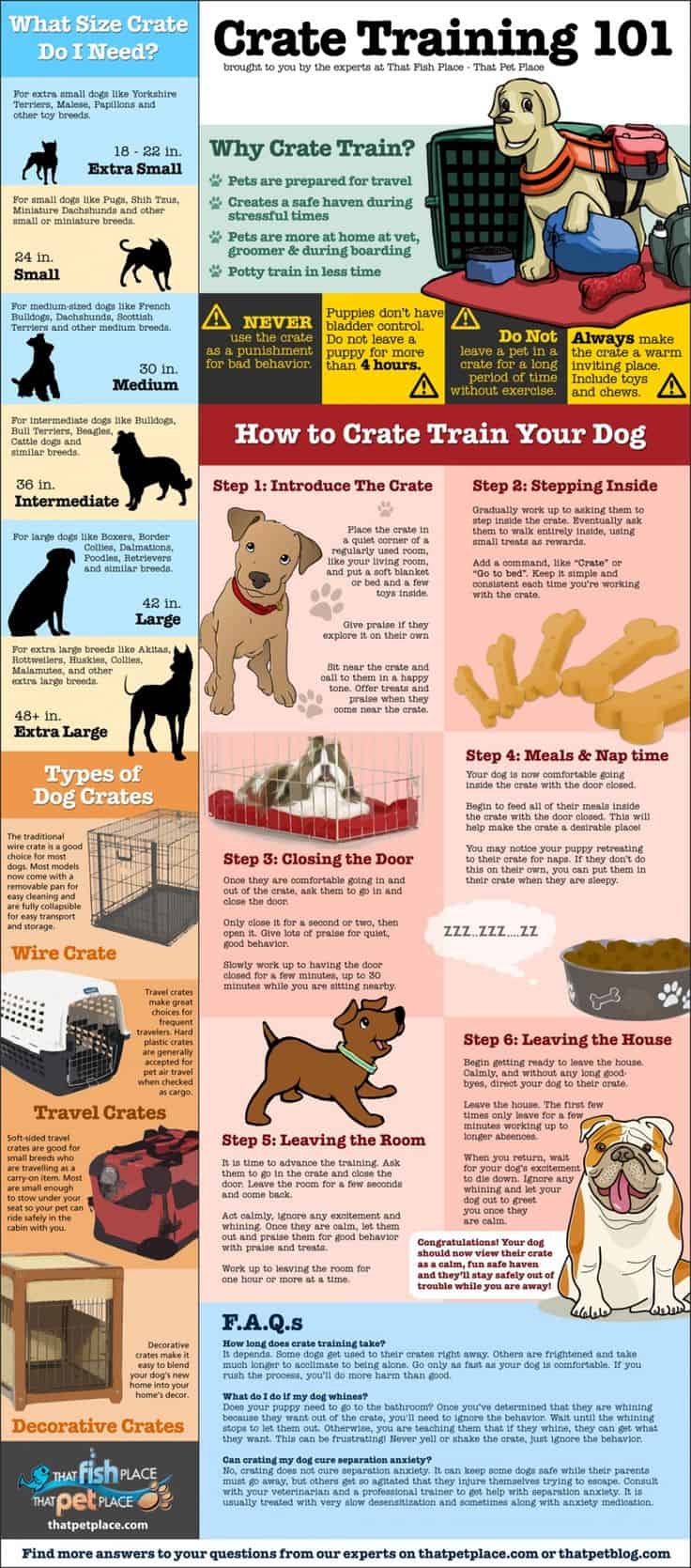
When you first hear the term “crate training,” what comes to mind? For many new dog owners, it can conjure up images of a sad puppy behind bars. But what if we told you that, when done correctly, a crate isn’t a cage but a sanctuary? The Benefits Of Crate Training A Dog are vast and profound, transforming a simple box into a powerful tool for building confidence, ensuring safety, and simplifying many aspects of life with your furry companion. It’s about providing your dog with a space they can truly call their own—a private den where they can feel secure and relaxed.
This isn’t about confinement; it’s about creating a positive and structured environment. Think of it as your dog’s personal bedroom. It’s a place for them to unwind, a safe haven during stressful times, and an invaluable aid in everything from potty training to travel. Understanding the core principles and advantages can completely reframe your perspective, helping you see the crate as one of the kindest and most effective things you can provide for your dog’s well-being.
What Crate Training Really Means
Before diving into the benefits, it’s crucial to dismantle a common misconception: crate training is not a punishment. A crate should never be used to discipline your dog. Instead, it’s a management tool that leverages a dog’s natural denning instinct. In the wild, canines seek out small, enclosed spaces to rest and raise their young, as these dens provide protection and a sense of security. A crate taps directly into this instinct.
The goal is to teach your dog to associate their crate with positive experiences—comfort, safety, and delicious treats. It becomes their go-to spot for a nap, a place to chew on a favorite toy, or a retreat when the household gets a little too chaotic. A properly crate-trained dog doesn’t dread their crate; they seek it out willingly. The comprehensive dog crate training guide offers a step-by-step approach to ensure you start on the right foot. A successful approach is built on patience, positivity, and understanding your dog’s innate needs.
Benefits for Your Dog’s Well-Being
While crate training makes life easier for owners, the primary advantages are for the dogs themselves. It directly contributes to their emotional and physical health in several significant ways.
A Personal Den for Safety and Security
The world can be an overwhelming place for a dog, filled with loud noises, unfamiliar people, and stressful situations. A crate provides a reliable escape from all that. It is the one place in the house that is unequivocally theirs.
“A crate gives a dog a sense of ownership and privacy,” notes Dr. Sarah Miller, a specialist in canine behavior. “When they know they have a safe spot to retreat to, it can dramatically reduce generalized anxiety. It’s their predictable comfort zone in an unpredictable world.”
This is especially vital during high-stress events like thunderstorms, fireworks, or large gatherings at your home. Instead of panicking and hiding under furniture, a crate-trained dog will often retreat to their den where they feel protected and can more easily self-soothe.
Aiding in Recovery and Restricted Rest
If your dog ever needs surgery or suffers an injury, the veterinarian’s number one instruction will likely be “restricted activity.” This is incredibly difficult to enforce with a dog that has free roam of the house. A crate makes this process manageable and safe. By keeping your dog comfortably confined, you prevent them from running, jumping, or licking stitches, which promotes faster and more effective healing. Because they already view the crate as a place of rest, the confinement is much less stressful for them during a difficult recovery period.
Building Confidence and Independence
One of the often-overlooked benefits of crate training a dog is its role in fostering independence. It teaches a dog to be comfortable and calm when left alone for reasonable periods. This can be a key preventative measure against separation anxiety, as the dog learns that being by themselves in their safe space is not a scary event. They learn to self-soothe and entertain themselves, building a quiet confidence that serves them well throughout their life. The process of getting your pet comfortable with their new space is crucial; learning how to get puppy to like crate is a foundational step in this journey.
How Crate Training Benefits You
The advantages extend beyond your dog’s well-being, making your role as a pet owner simpler, less stressful, and more rewarding.
The Ultimate House-Training Tool
This is perhaps the most famous benefit. Dogs have a natural instinct not to soil their den. Crate training uses this to your advantage. By confining a puppy to their crate for short periods, you can better predict when they need to go outside, drastically reducing the number of accidents in your home. It teaches them bladder and bowel control. When you let them out of the crate, you take them directly outside to their potty spot. This creates a clear and simple routine that puppies can learn quickly. For owners wondering about other factors affecting this process, it’s interesting to note how different procedures impact training; for example, understanding does spaying dog help potty training can provide a more holistic view of your pet’s development.
Peace of Mind When You’re Away
You can’t supervise your dog 24/7. When you have to leave the house, a crate ensures your dog and your home stay safe. You won’t have to worry about them chewing on electrical cords, ingesting something toxic, or destroying your favorite pair of shoes. This “dog-proofing” solution gives you invaluable peace of mind, knowing your beloved pet is secure and resting comfortably until you return. It prevents destructive behaviors that often stem from boredom or anxiety, creating a safer environment for everyone.
Safe and Stress-Free Travel
Whether it’s a trip to the vet or a cross-country road trip, a crate makes traveling with your dog significantly safer. A loose dog in a car is a dangerous distraction and is at high risk of injury in an accident. A dog that is comfortable in their crate will see it as a familiar piece of home, reducing travel anxiety. It also makes stays in hotels or at a relative’s house much simpler, as you can bring their safe space with you, helping them settle into a new environment with ease.
Frequently Asked Questions (FAQ)
Is crate training cruel?
No, when done correctly, it is not cruel. It taps into a dog’s natural denning instinct to provide them with a safe, secure space. The crate should be a positive place and never used for punishment.
How long can a dog stay in a crate?
This depends on their age, temperament, and training. Adult dogs can typically be crated for a standard workday (up to 8 hours), provided they get adequate exercise before and after. Puppies need more frequent breaks and should not be left in a crate for more than 3-4 hours at a time.
What size crate should I get?
The crate should be large enough for your dog to stand up, turn around, and lie down comfortably. It should not be so large that they can use one end as a bathroom and the other as a sleeping area, as this defeats the purpose of house training.
What should I put inside the crate?
Make it comfortable! Include soft, durable bedding, and a safe chew toy to keep them occupied. Some owners also find that a piece of clothing with their scent can be comforting for the dog.
What if my dog cries in the crate?
It’s common for puppies to cry at first. Ensure all their needs (potty, water, exercise) have been met before crating them. Do not let them out when they are crying, as this teaches them that crying gets them what they want. Wait for a moment of quiet before opening the door. Start with very short periods and gradually increase the time to build their confidence. When in doubt, seeking professional advice can be invaluable. Whether you need specific help like dog training great falls mt or just general guidance, a certified trainer can address your specific challenges.
A Foundation for a Lifetime of Happiness
Ultimately, the benefits of crate training a dog are about more than just management; they’re about communication and understanding. By providing your dog with a den of their own, you are giving them the gift of security, independence, and comfort. It simplifies potty training, ensures their safety when you’re not home, and makes travel a breeze. It’s a foundational tool that helps build a well-behaved, confident, and happy companion, strengthening the incredible bond you share for years to come.
