
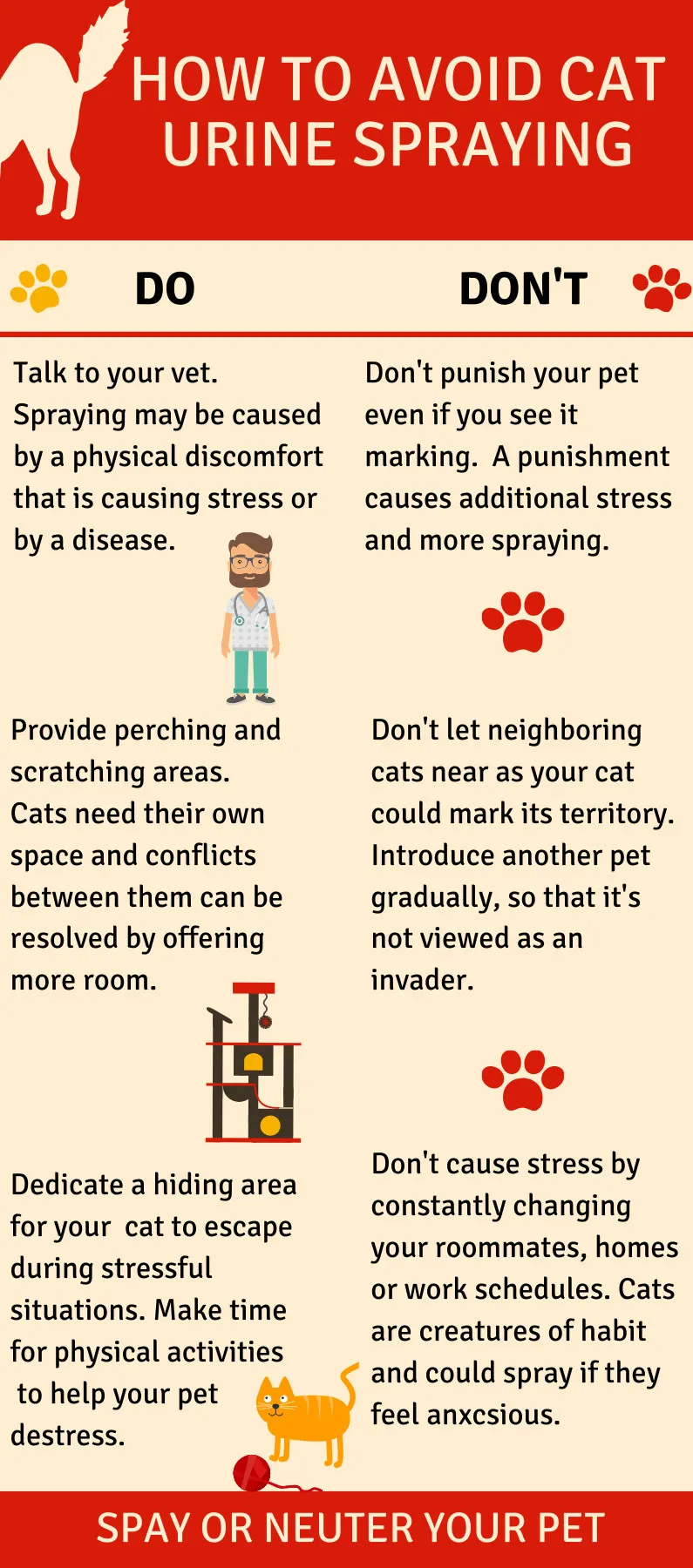
Inappropriate urination is a common and distressing issue for cat owners, often cited as the primary reason for feline relinquishment. While medical conditions must first be ruled out by a veterinarian, many cases stem from behavioral causes. By understanding these triggers and implementing consistent, patient solutions, owners can significantly improve their cat’s litter box habits and enhance their quality of life. This guide explores the behavioral roots of inappropriate urination and outlines effective treatment strategies.
Behavioral Causes of Inappropriate Urination
Behavioral inappropriate urination in cats generally falls into two main categories: a dislike or aversion to the litter box itself, or stress related to environmental changes.
Litter Box Aversion
Several factors can make a cat reluctant to use its designated litter box:
- Inaccessibility: The litter box might be difficult for the cat to reach.
- Cleanliness: The litter box may not be cleaned frequently enough to meet the cat’s standards.
- Quantity: There might not be enough litter boxes for the number of cats in the household. A general guideline is one box per cat, plus an additional one.
- Size: The litter box could be too small, making it uncomfortable for the cat to maneuver.
- Type of Box: Hooded boxes or liners can sometimes deter cats due to their smell, texture, or enclosed nature.
- Litter Preference: Cats may dislike a new brand or type of litter being used.
- Surface Preference: Some cats develop a preference for other surfaces, such as carpets, soil in potted plants, or bedding, over the litter in the box.
Stress-Related Elimination
Cats are creatures of habit and can react negatively to stress. Inappropriate urination can be a signal that a cat is unhappy with recent changes in its environment. If litter box issues persist after addressing the factors above, stress could be the underlying cause. Consider the following potential stressors:
- New Household Members: Introducing a new cat can cause stress and trigger spraying to mark territory. New humans, such as through marriage or the arrival of a baby, can also be a source of anxiety.
- Absences: Extended periods of absence by owners or other household members can be disquieting for a cat accustomed to their presence.
- Loss of a Companion: Cats can be sensitive to the death of another pet, whether feline or canine.
- Neighborhood Changes: The presence of a new cat or dog in the neighborhood, visible to your cat, can cause distress.
- Environmental Changes: Moving to a new house, acquiring new furniture, or rearranging the home’s layout can be disorienting.
- Litter Box Location: Placing litter boxes near noisy appliances like washing machines, water heaters, or HVAC units can create anxiety.
- Interruption: A cat being stalked by another pet while using the litter box, or being bothered by people or children, can lead to avoidance.
Treatment Strategies for Inappropriate Urination
It is crucial to address inappropriate elimination as soon as possible. The chances of successful rehabilitation are significantly higher if the behavior has been ongoing for less than a month and occurs in only one or two locations.
Veterinary Consultation
The first and most important step is to consult your veterinarian. They can rule out any underlying medical conditions and offer professional advice, which may include behavioral modification and, in some cases, mild medication.
Behavioral Modification
Behavioral modification combines aversion therapy to make inappropriate sites undesirable and attraction therapy to make the litter box more appealing.
Aversion Therapy Techniques:
- Odor Neutralization: Clean areas where your cat has urinated inappropriately with an enzymatic cleaner specifically designed to neutralize cat urine odors. Masking scents are ineffective. Recommended products include Anti-Icky Poo, Urine Off, Urine Away, and Fizzion.
- Texture Deterrents: Cover surfaces like furniture or carpets with double-sided tape or aluminum foil. Cats generally dislike walking on these textures.
- Plant Protection: Place citrus peels (orange, lemon) at the base of potted plants that your cat uses as a litter box. Alternatively, cover the soil area with plastic or cardboard to prevent digging.
Attraction Therapy Techniques:
- New Litter Box: Purchase a new litter box, preferably one without a hood.
- Sufficient Boxes: Ensure you have an adequate number of litter boxes (number of cats + 1).
- Frequent Cleaning: Scoop the litter box daily, at a minimum.
- Litter Choice: Opt for unscented, clumping litter, as strong scents can deter cats, and many prefer clumping formulas.
- Strategic Placement: Place a new litter box near the site of inappropriate urination to encourage its use. Gradually move the box closer to its intended location over several days.
- Maintain Old Box: Keep the old litter box in its original location temporarily, in case the aversion therapy is successful and the cat decides to reuse it.
- Quiet Location: Ensure litter boxes are placed in quiet, low-traffic areas of the home, away from noisy appliances.
Medication and Supplements
In some cases, a veterinarian may prescribe mild antidepressant or anti-anxiety medications to help reduce stress. Additionally, pheromone-based products like Feliway can help cats feel more secure and relaxed, reducing stress and marking behaviors. Supplements such as Zylkene, derived from milk protein, may also help alleviate environmentally induced stress.
What NOT to Do
Certain actions can exacerbate the problem and increase a cat’s stress levels:
- Never rub your cat’s nose in urine or feces. This is counterproductive and increases anxiety.
- Avoid yelling, punishing, or physically forcing your cat into the litter box. These actions will only worsen the situation.
- Do not confine your cat and its litter box to a small room as a form of punishment or training.
- Do not use ammonia-based cleaners. Urine contains ammonia, and using such cleaners can attract your cat back to the same spot.
Professional Assistance
If you are struggling to resolve behavioral inappropriate urination despite ruling out medical causes, consider working with a certified cat behaviorist or a veterinarian specializing in behavior. They can help identify specific triggers and develop a tailored plan to address the issue effectively.
