
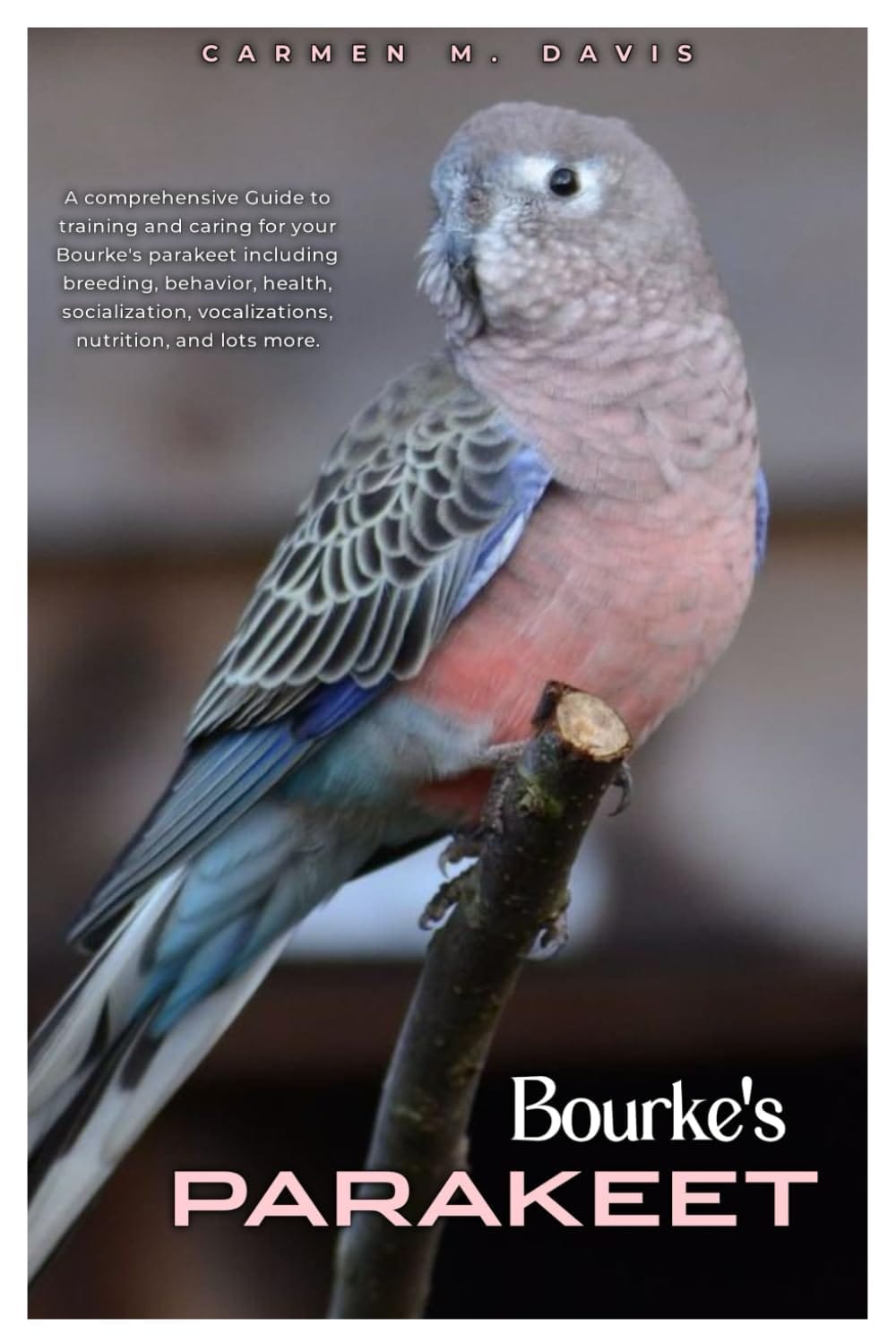
Parakeets, also known as budgies, are social and intelligent birds that exhibit a fascinating range of behaviors. Understanding these actions is key to providing them with a happy and healthy life. This guide delves into the common behaviors of parakeets, from stretching and head-bobbing to playing and grooming, offering insights for owners to better connect with their feathered companions.
Wing Stretching and Exercise
Parakeets, like all creatures, need to stretch their bodies, especially after periods of rest. This “parakeet wing stretching” is a natural behavior where they extend one leg and wing, followed by the other. They often finish by raising both wings, which helps to get blood flowing to their muscles. This is typically a silent activity and should not be mistaken for aggressive wing-raising during feeding disputes. Beyond stretching, parakeets require ample exercise. They often engage in vigorous wing flapping shortly after waking up, sometimes even lifting their feet off the perch for a brief hover. This action is purely to warm up their muscles. To ensure they get enough exercise, especially if kept in a cage with limited space, it’s crucial to allow them supervised flight time in a larger area. Parakeets also display “parakeet exercise” through climbing the sides and roof of their cage, showcasing their agility and playful nature.
Playfulness and Toy Interaction
Parakeets are naturally curious and will explore any new object introduced into their environment. Some birds may be timid and take time to investigate, while others will dive right in. To keep them engaged, it’s important to rotate their toys regularly, as their interest in a particular toy may wane after a few days. Toys that hang, move, or make sounds are particularly stimulating. Rolling toys and even ping-pong balls can provide hours of amusement. For birds kept alone, toys with reflective surfaces might sometimes trigger a mating response. If a bird begins regurgitating food towards a toy, it might be a sign of an unhealthy obsession, and it’s advisable to remove the toy and redirect their attention.
Obsession with Toys, Especially Bells
Parakeets, particularly those living alone, can develop strong attachments to their toys. A bell, which moves and makes noise, is often a favorite. While the “parakeet obsessed with bell” behavior can become a part of their routine, it can also be a sign that the bird needs a companion. Removing the bell may initially cause distress, but parakeets are adaptable and will eventually shift their focus. The most effective way to wean a bird off an obsessive attachment to a bell is by introducing another parakeet.
Communication Through Body Language
Parakeets communicate a wealth of information through their body language. “Head bobbing” is a common behavior, especially in males, characterized by a rapid up-and-down motion of the neck, often accompanied by chattering. This can be a mating display towards a female, a general sign of happiness and excitement, or even directed towards toys, mirrors, or their human companions. Encouraging this behavior by showing appreciation can lead to more frequent head-bobbing. Baby parakeets often head-bob as a signal that they are hungry, a behavior that usually lessens once they are weaned.
Eye Pinning and Head Tilting
“Parakeet eye pinning,” also known as eye flashing, occurs when a parakeet’s pupils dilate and constrict rhythmically as they focus on something interesting. This can also happen before a male bird regurgitates food for its mate or a close companion. Another clear sign of engagement and curiosity is when a parakeet tilts its head to one side to get a better view of an object or person.
Yawning and Its Implications
Just like humans, parakeets yawn when they are tired, indicated by a wide-open beak, closed eyes, and a stretching of the neck. This is a normal precursor to sleeping. However, if a parakeet’s beak remains open for an unusually long time, or if it is accompanied by head shaking or coughing sounds, it could signal a medical problem, such as a blockage, and veterinary attention should be sought promptly.
Social Interactions and Bonding
Parakeets are inherently social creatures that thrive on companionship. “Parakeet behavior in pairs” often involves mutual grooming, chattering, and other social activities. While most pairs get along well, it’s uncommon but not unheard of for two parakeets to not get along, leading to fighting or avoidance. In such cases, separation may be necessary. Introducing a mirror can sometimes help break the ice by providing a new focus for interaction.
The Bonding Process
From the moment a parakeet leaves the nest, its behavior is geared towards bonding with the flock. This involves participating in shared activities like eating, grooming, flying, and bathing. “Parakeet bonding behavior” is evident when birds engage in “parakeet kisses” – tapping beaks together – and mutual preening. If you only have one parakeet, you become its flock, and providing social stimulation through interaction, talking, and allowing them to be near you is crucial for their well-being and for forming a deep bond.
Mutual Preening: A Sign of Affection
“Parakeet preening” is essential for maintaining cleanliness and feather health. Birds have a preen gland at the base of their tail, which secretes oil they distribute over their feathers. While they can scratch their faces and heads with their feet, they cannot reach these areas effectively. This is where “parakeet mutual preening” comes in, with birds grooming each other’s heads and faces. This is a significant sign of affection and trust. If you have a single, finger-trained bird, you can fulfill this need by gently scratching their head. A positive response includes fluffing feathers and closing eyes, while nibbling your finger indicates they are not comfortable with your touch.
In conclusion, observing and understanding these diverse parakeet behaviors allows owners to provide the best possible care and build a strong, rewarding relationship with their intelligent and affectionate avian companions.
