
As a dedicated dog owner, you’re likely always seeking ways to enhance your furry friend’s well-being. One question that often arises is whether beef liver is a beneficial addition to their diet. Organ meats like beef liver are packed with nutrients, but it’s crucial to understand both the advantages and potential drawbacks. This article delves into the nutritional profile, health benefits, possible risks, and safe methods for incorporating beef liver into your dog’s meals. By the end, you’ll be well-equipped to make an informed decision about this nutrient-dense food. If you ever have specific concerns about your dog’s diet, reaching out to a veterinary professional is always recommended.
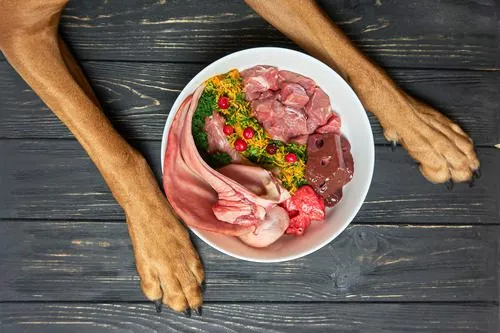 raw-dog-food-in-bowl-on-black-wooden-floor-with-dog
The Nutritional Powerhouse: Beef Liver for Dogs
Beef liver is exceptionally rich in essential vitamins and minerals vital for canine health. It’s a stellar source of Vitamin A, crucial for maintaining healthy eyesight, skin, and a robust immune system. The B vitamin complex, particularly B12, plays a significant role in energy metabolism and the proper functioning of the nervous system. Furthermore, beef liver provides substantial amounts of iron, essential for red blood cell production and preventing anemia, along with copper and zinc, which support immune function and overall health. As a complete protein source, it delivers the necessary amino acids for muscle development, repair, and various metabolic processes.
Key Health Benefits of Beef Liver
Adding beef liver to your dog’s diet can unlock a range of health advantages:
- Enhanced Vision and Skin Health: The abundance of Vitamin A contributes to sharper vision and promotes healthy, supple skin, resulting in a glossier coat.
- Boosted Immunity: Vitamins A and B12, coupled with minerals like zinc and copper, act synergistically to strengthen your dog’s immune defenses, making them less susceptible to common ailments.
- Increased Vitality: The B vitamins and iron content in beef liver are instrumental in boosting energy levels and combating fatigue, keeping your dog active and engaged.
- Stronger Musculature: The high-quality protein and essential amino acids support muscle growth and aid in recovery, which is particularly beneficial for active breeds or working dogs.
- Improved Digestion: The nutrient density of beef liver aids in the efficient absorption of nutrients, contributing to a healthy digestive system.
Understanding the Potential Risks
Despite its numerous benefits, feeding beef liver requires a balanced approach due to potential risks associated with overconsumption.
The Danger of Vitamin A Toxicity
Beef liver is incredibly concentrated in Vitamin A. While vital, an excessive intake can lead to Vitamin A toxicity, a condition that can manifest as bone abnormalities, unexplained weight loss, and gastrointestinal distress. Therefore, moderation is key.
Contamination Concerns
As with any raw meat product, there’s a risk of contamination with harmful bacteria, toxins, or heavy metals. To mitigate this, it is essential to source high-quality, preferably organic, beef liver from reputable suppliers who adhere to strict safety standards.
Safe and Effective Ways to Feed Beef Liver
Introducing beef liver into your dog’s diet should be a gradual process. Follow these guidelines for safe incorporation:
- Begin with Small Amounts: Start by offering a very small portion to gauge your dog’s reaction. This helps prevent digestive upset.
- Cook the Liver: Cooking beef liver is recommended to reduce the risk of bacterial contamination and improve digestibility. Ensure no seasonings or oils are added.
- Integrate with Regular Food: Mix small, cooked pieces of beef liver into your dog’s usual kibble or wet food. This ensures a balanced intake and prevents them from solely consuming liver.
- Monitor for Adverse Reactions: Closely observe your dog for any unusual symptoms after introducing beef liver. If any negative signs appear, discontinue use and consult your veterinarian.
- Veterinary Consultation is Crucial: Always discuss significant dietary changes with your veterinarian. They can offer tailored advice based on your dog’s specific health profile and nutritional needs.
Selecting the Best Quality Beef Liver
The quality of the beef liver you choose directly impacts its safety and nutritional value for your dog.
Opt for Organic and Grass-Fed
Choosing organic and grass-fed beef liver minimizes exposure to pesticides and other harmful chemicals. Additionally, grass-fed liver is often more nutrient-dense.
Prioritize Freshness
Always select beef liver that is fresh and well within its expiration date. Fresh liver retains its maximum nutritional value and poses fewer health risks.
Trustworthy Sources
Purchase beef liver from reputable butchers or suppliers known for their commitment to animal welfare and food safety. This ensures you are getting a high-quality product.
Determining Appropriate Serving Sizes
The correct amount of beef liver to feed your dog varies based on their size, age, and overall health. Here are general recommendations:
- Small Dogs: Limit to approximately one ounce per week to prevent overconsumption and potential toxicity.
- Medium Dogs: Can have up to two ounces per week, divided into smaller portions and mixed with their regular meals.
- Large Dogs: May consume up to three ounces per week, always ensuring it’s part of a balanced diet and offered in moderation.
Incorporating beef liver into your dog’s diet can be a highly beneficial practice, contributing to improved vision, a stronger immune system, increased energy, and better digestion. However, responsible feeding is paramount, with moderation being the key to avoiding issues like Vitamin A toxicity. Always consult your veterinarian before making any significant dietary adjustments to ensure the best nutritional plan for your beloved companion.
