
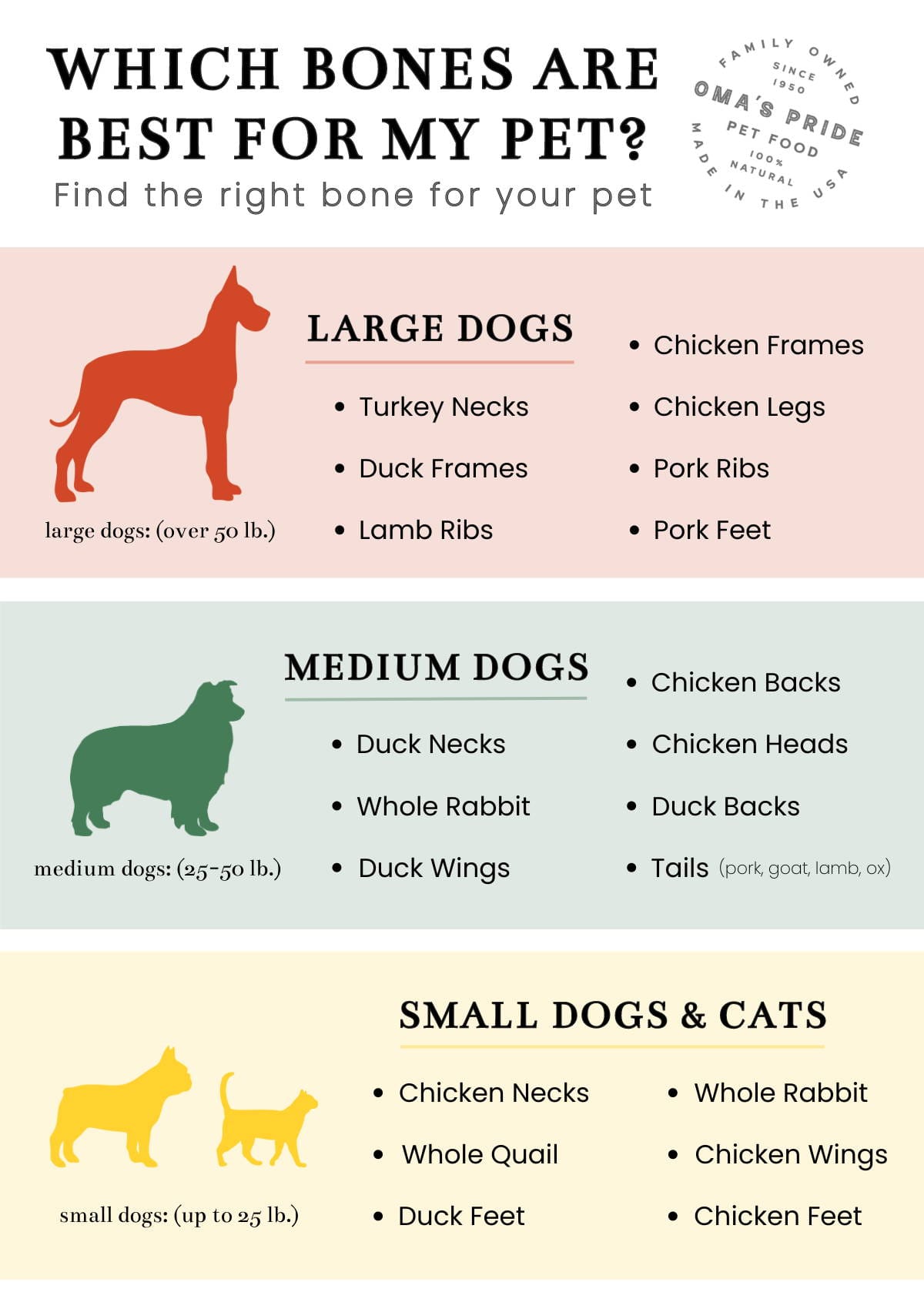
Bones have long been a topic of discussion among dog owners, with many assuming their canine companions can safely chew on any bone. However, this is not always the case, and certain bones can pose significant risks to a dog’s health. This guide, drawing on veterinary insights, aims to answer the crucial question: “Can dogs eat bones?” We will delve into the benefits of bones for dogs, the hidden dangers, and provide clear guidelines on which bones are safe and which should be avoided.
The Multifaceted Benefits of Bones for Dogs
Chewing is an innate behavior for dogs, serving multiple purposes. Bones, when chosen appropriately, can enhance a dog’s overall well-being.
Promoting Dental Health: Gnawing on bones acts as a natural toothbrush, effectively removing plaque and tartar buildup. This significantly reduces the risk of gum disease and promotes healthier teeth and gums. The abrasive action of chewing on bones helps maintain oral hygiene, preventing common dental issues.
Providing Mental Stimulation: Chewing on bones is an excellent way to keep dogs mentally stimulated, especially when they are left alone or feeling bored. This instinctive activity can prevent destructive behaviors, redirecting a dog’s natural urges to chew on appropriate items. Furthermore, it can help alleviate anxiety and keep your dog entertained and occupied for extended periods.
Offering Nutritional Value: Raw bones, in particular, can be a valuable source of essential nutrients. They contain marrow, which is rich in fat and provides vital calories. Bones also supply crucial minerals like calcium and phosphorus, contributing to a balanced diet, especially for dogs that may have deficiencies.
Understanding the Hidden Dangers Associated with Bones
Despite the benefits, it’s crucial to acknowledge the serious risks associated with certain types of bones. Both raw and cooked bones can splinter, leading to severe internal injuries.
Potential Health Risks:
- Dental Fractures: Hard bones can easily cause chipped or broken teeth, often requiring extensive veterinary dental procedures.
- Oral and Digestive Tract Injuries: Splintered bones can cause lacerations to the tongue, gums, throat, and even puncture the intestines, leading to life-threatening situations.
- Choking and Blockages: Bone fragments can obstruct the airway or cause intestinal blockages, necessitating emergency surgery. This risk is higher for small dogs, aggressive chewers, or those prone to swallowing large pieces.
- Digestive Upset: Fatty bones, like marrow bones, can lead to gastrointestinal issues such as diarrhea, vomiting, constipation, and pancreatitis.
Certain breeds and dogs with pre-existing digestive sensitivities require extra caution. The potential for severe consequences, including the need for costly surgical interventions, underscores the importance of careful bone selection.
Identifying Unsafe Bones for Your Dog
Not all bones are created equal, and some pose a higher risk than others. It’s vital to recognize and avoid these:
- Cooked Chicken & Turkey Bones: These are brittle and prone to splintering, making them particularly dangerous. They can easily get lodged in a dog’s throat.
- T-Bones: Their shape can cause them to become stuck in a dog’s throat or trachea, potentially blocking the airway and leading to suffocation.
- Small or Circular Bones: Any bone smaller than your dog’s mouth or that splinters easily presents a choking hazard or can cause trauma to the mouth and digestive tract. Circular bones can also become lodged in a dog’s lower jaw, requiring veterinary intervention.
Safe Bone Options for Your Canine Companion
When considering bones for your dog, prioritizing safety is paramount. Here are some generally safer alternatives:
- Raw Bones: Opt for raw bones from reputable sources. They are less likely to splinter than cooked bones. Choose bones that are appropriately sized for your dog – roughly the size of their head – and ensure they have bulges or lumps on both ends. Examples include raw beef, lamb, or oxtail bones. However, even with raw bones, constant supervision is necessary to prevent injuries like broken teeth or constipation from excessive chewing. Discard raw bones after a few hours and refrigerate them between chew sessions.
- Synthetic Chews: Numerous companies offer durable and non-toxic synthetic chew toys designed to be safe. Look for products made from nylon or sturdy rubber, or explore specially designed dental chews that promote oral hygiene.
- Veterinarian-Approved Treats: Consult your veterinarian for recommendations on safe treats that support dental health. Specific dental chews and treats formulated for oral hygiene can be a safer alternative to natural bones.
Essential Do’s and Don’ts for Bone Safety
To ensure your dog’s safety when offering bones, adhere to these guidelines:
Do:
- Serve raw, natural meat bones.
- Remove the bone after 10-15 minutes and refrigerate it.
- Discard the bone after three to four days.
- Provide large bones for large breeds.
- Supervise your dog closely while they chew.
- Stay informed about bone safety for dogs.
Do Not:
- Give your dog cooked bones of any kind.
- Allow your dog to chew a bone down into small pieces.
- Offer a bone to a dog with existing stomach problems.
- Give a bone to your dog if other dogs are present, as this can lead to disputes.
Consulting Your Veterinarian: The Ultimate Safety Measure
When introducing new chew items to your dog, always consult with a veterinary professional. They can provide tailored advice based on your dog’s specific breed, size, chewing habits, and overall health. While bones offer benefits like improved dental health and mental stimulation, the potential risks, including dental injuries and digestive issues, cannot be ignored.
Ultimately, the decision to give your dog bones should be an informed one, carefully weighing the potential benefits against the inherent risks. For personalized guidance, consulting your veterinarian is the most crucial step in ensuring your dog’s safety and well-being.
Note: The advice provided in this post is intended for informational purposes and does not constitute medical advice regarding pets. Please make an appointment with your vet to accurately diagnose your pet’s condition.
If your dog experiences a veterinary emergency due to an ingested bone, broken tooth, or other bone-related issue, contact our Cumming vets immediately for expert examination and treatment.
