
Bee pollen might seem like an unconventional addition to your dog’s daily regimen, but this tiny granule is a powerhouse of nutrition, potentially offering a wide array of health benefits for your furry companion. If you’ve ever pondered, “Can dogs have bee pollen?” the answer is a definitive yes! This natural supplement, particularly high-quality organic bee pollen, is gaining recognition as an invaluable addition to canine diets. It’s brimming with essential nutrients that can fortify the immune system, safeguard against various health challenges, and even act as a natural antihistamine, making it especially beneficial for dogs prone to seasonal or environmental allergies. As we delve deeper into how bee pollen can be integrated into your dog’s diet, you’ll discover the profound impact this small, vibrant supplement can have on their overall health and vitality.
Where Does Bee Pollen Originate From?
The creation of bee pollen is a testament to the tireless work of worker bees. As they visit flowers to collect nectar, pollen grains adhere to their bodies. They then meticulously gather these pollen grains, mixing them with a tiny amount of nectar and their own saliva to form small granules, known as “pollen baskets” on their hind legs. These nutrient-rich granules are then transported back to the hive, serving as a vital food source for the bee colony.
 Worker bee collecting pollen from a flower
The Distinct Differences Between Bee Pollen and Honey
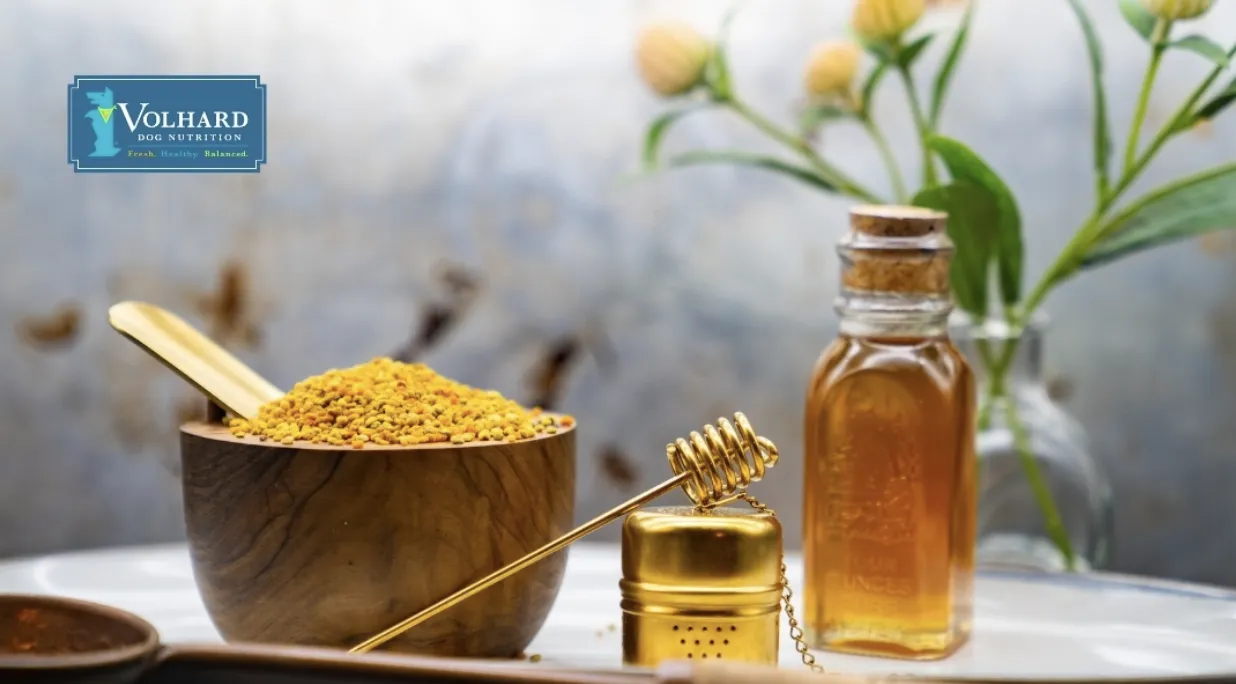
While both bee pollen and honey are remarkable products of bee activity, they differ significantly in their composition, nutritional profile, and applications. Bee pollen is a complex mixture of flower pollen, bee saliva, and nectar, collected directly from plants. It represents a concentrated blend of various plant compounds.
Honey, on the other hand, is primarily made from nectar that bees collect from flowers. The bees process this nectar through a series of regurgitations and enzymatic actions within the hive, transforming it into the thick, sweet liquid we recognize as honey. This process significantly alters its chemical structure compared to bee pollen.
Here’s a comparative overview:
- Composition: Bee pollen is rich in proteins, fats, vitamins, and minerals, with a lower sugar content. Honey is predominantly sugar (fructose and glucose) and water, with minimal protein and fat.
- Nutritional Role: Bee pollen serves as a comprehensive natural supplement, offering a wide spectrum of essential nutrients vital for growth and cellular function. Honey, while possessing some health benefits, is primarily an energy-dense natural sweetener.
- Health Benefits: While honey is known for its antimicrobial and soothing properties, bee pollen excels in supporting the immune system, aiding digestion, and providing a broad nutritional boost.
 Jar of bee pollen granules next to a jar of golden honey
The Environment Dictates the Quality of Bee Pollen
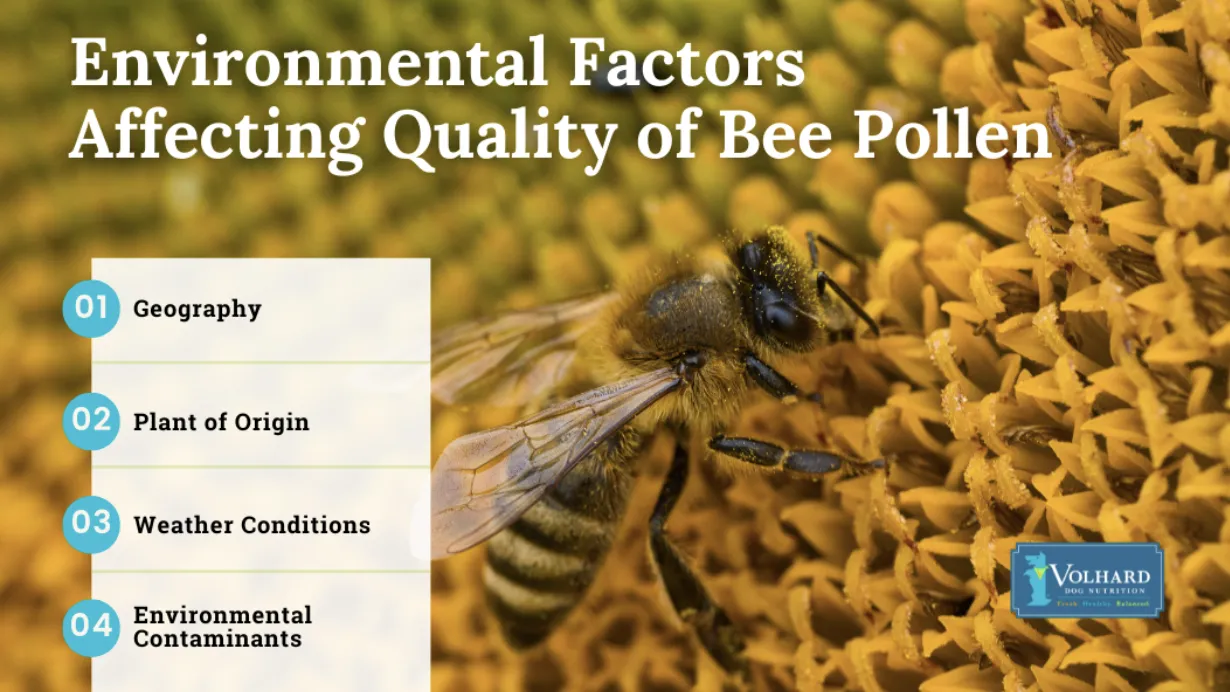
The quality and type of bee pollen can vary substantially, influenced by several environmental factors:
- Geography: The region where the pollen is collected plays a crucial role. Different geographic locations host diverse flora, leading to variations in pollen composition.
- Plant of Origin: Pollen from specific plant types, such as fruit trees versus general wild forage, can have distinct nutritional profiles.
- Weather Conditions: Climate and weather patterns can affect the potency and availability of various plant pollens.
- Environmental Contaminants: Exposure to pesticides, heavy metals, and other pollutants in the environment can compromise the purity and safety of the bee pollen.
When selecting bee pollen for its therapeutic benefits, especially for your dog, quality is paramount. It is crucial to opt for toxin-free varieties to ensure both safety and maximum efficacy. Often, the highest-quality, most potent bee pollen is sourced from pristine desert regions or remote areas where exposure to environmental pollutants is minimal. For pet owners looking for quality pet supplies and supplements, considering [cats and dogs shop online](https://dogcarestory.com/cats-and-dogs-shop-online/) can be a good starting point to explore options.
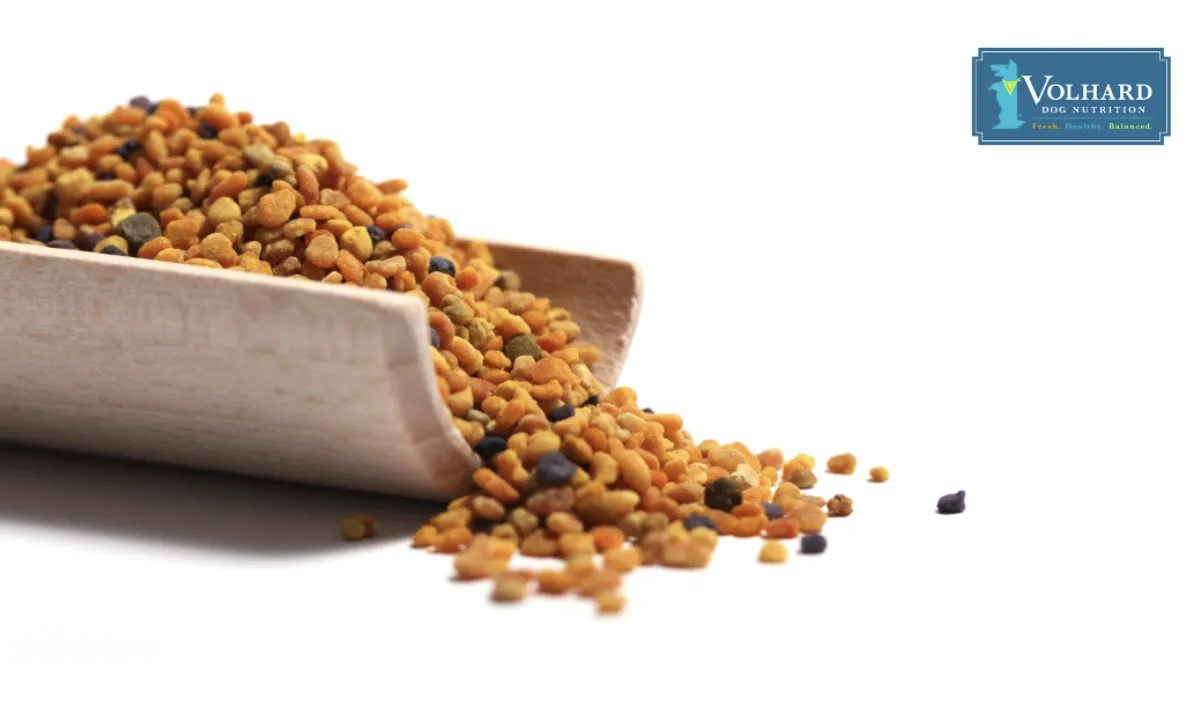
 Bee pollen granules in a wooden spoon
Bee Pollen: A Nutritional Powerhouse for Your Canine
Bee pollen is a true nutritional dynamo, teeming with an extensive array of nutrients that make it an excellent supplement for both humans and our canine companions. This natural wonder boasts an impressive profile of vitamins, minerals, amino acids, and enzymes, making it a fantastic addition to support overall canine health.
Its remarkable nutritional composition includes approximately 22% protein and 30% carbohydrates, as reported by the National Library of Medicine. However, the benefits of bee pollen extend far beyond these basic macronutrients.
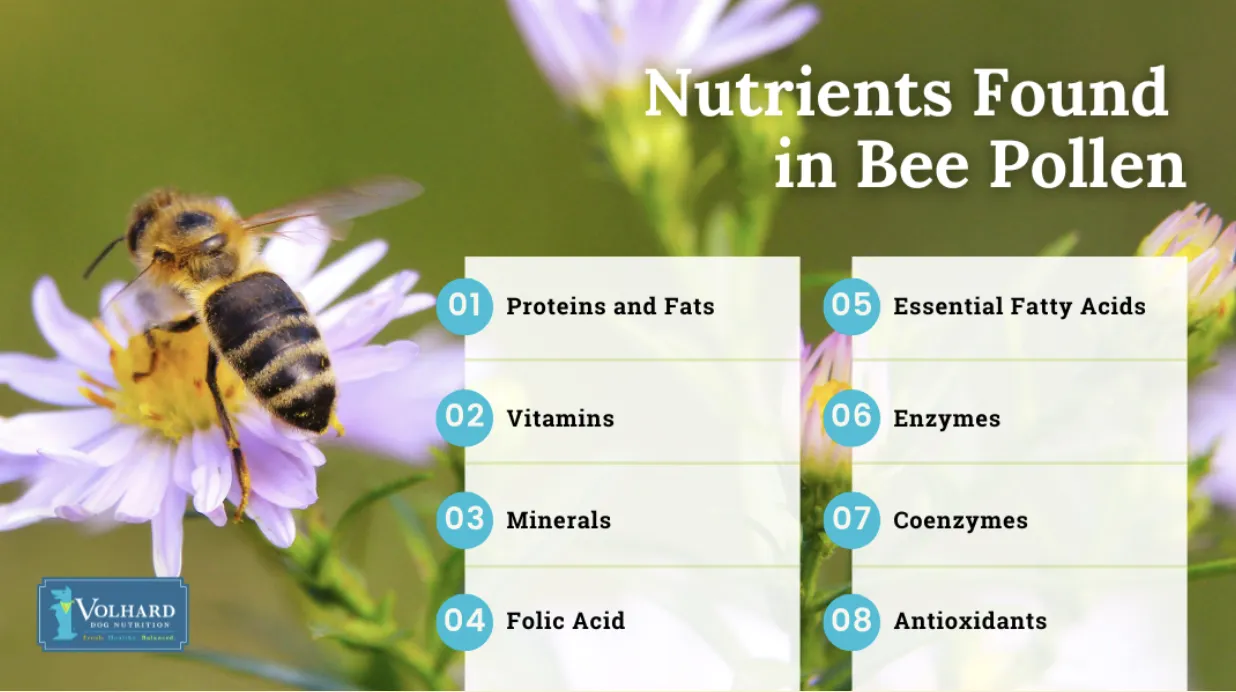
A comprehensive rundown of the vital nutrients found in bee pollen includes:
- Proteins and Fats: These are fundamental for providing sustained energy, supporting muscle development, and facilitating overall growth in dogs. The proteins in bee pollen are complete, meaning they contain all essential amino acids.
- Vitamins: It contains a rich blend of both fat-soluble vitamins, such as Vitamin E (crucial for skin and coat health, and a powerful antioxidant), Vitamin A (essential for vision, immune function, and cell growth), and Vitamin D (vital for bone health and mineral absorption). It also provides water-soluble vitamins like B1 (thiamine), B2 (riboflavin), B6 (pyridoxine), and Vitamin C (an important antioxidant and immune booster).
- Minerals: Bee pollen is a source of essential minerals like chromium (important for metabolism), cobalt (a component of Vitamin B12), iron (vital for oxygen transport), niacin (for energy production), phosphorus (for bones and energy), potassium (for nerve and muscle function), selenium (an antioxidant), and zinc (for immune function and skin health).
- Folic Acid: This B-vitamin is crucial for cellular function, tissue growth, and red blood cell formation, especially important for rapidly growing puppies or dogs recovering from illness.
- Essential Fatty Acids: Containing about 70% Omega-3 and around 5% Omega-6 fatty acids, these are vital for reducing inflammation, promoting healthy skin and a shiny coat, and supporting cognitive function.
- Enzymes and Coenzymes: These biological catalysts are essential for efficient food digestion, optimizing nutrient absorption, and playing a key role in regulating and strengthening the immune system.
- Antioxidants: Rich in compounds like resveratrol, flavonoids, and carotenoids, bee pollen helps combat oxidative stress, protecting cells from damage caused by free radicals and supporting cellular regeneration.
12 Remarkable Health Benefits of Bee Pollen for Dogs
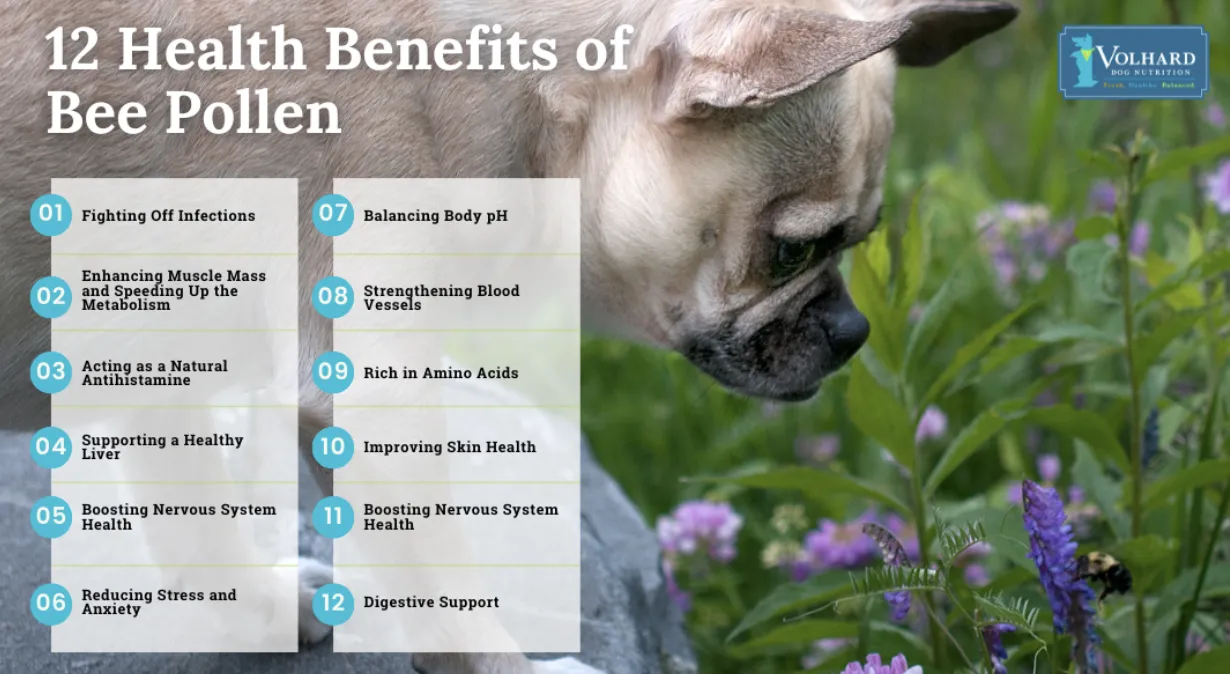
Incorporating bee pollen into your dog’s diet can lead to a multitude of health improvements. Here are 12 remarkable benefits that highlight why this natural supplement is often referred to as a superfood for canines:
- Fighting Off Infections: The rich nutrient profile and immune-modulating compounds in bee pollen help bolster the body’s natural defenses, assisting in cell regeneration and making dogs more resilient to various infections.
- Enhancing Muscle Mass and Speeding Up Metabolism: With its high protein content and comprehensive amino acid profile, bee pollen supports muscle growth and repair, while its enzymes can help optimize metabolism, aiding in weight management and energy production.
- Acting as a Natural Antihistamine: Bee pollen contains bioflavonoids and other compounds, such as quercetin, which have natural antihistamine properties. These can help minimize the need for traditional antihistamines like Benadryl by stabilizing mast cells and reducing allergic reactions, particularly beneficial for dogs with environmental sensitivities.
- Supporting a Healthy Liver: Bee pollen acts as a powerful hepatoprotective agent, aiding in the detoxification processes of the liver and supporting its healing and regenerative functions.
- Providing Antimicrobial Benefits: Its natural antimicrobial properties can help protect against various bacterial, fungal, and viral pathogens, contributing to overall health and preventing infections.
- Boosting Nervous System Health: The vitamins, minerals, and amino acids in bee pollen contribute to improved circulation and nutrient delivery to the nervous system, supporting cognitive function and nerve health.
- Reducing Stress and Anxiety: Compounds like cinnamic acid and other phytonutrients found in bee pollen may have a calming effect, helping to naturally reduce stress and anxiety in dogs.
- Balancing Body pH: The alkaline nature of bee pollen can help correct pH imbalances in the body, promoting a healthy urinary tract environment and reducing the risk of issues like urinary crystals.
- Strengthening Blood Vessels: The rutin content in bee pollen helps to reinforce the walls of blood vessels and capillaries, improving circulation and cardiovascular health.
- Rich in Amino Acids: Gram for gram, bee pollen boasts a higher concentration of essential amino acids than eggs, providing crucial building blocks for every bodily function, from tissue repair to enzyme production.
- Improving Skin Health: The abundance of vitamins, minerals, and fatty acids in bee pollen enhances skin moisture, elasticity, and promotes quicker wound healing, leading to a healthier coat and reducing issues like dryness and flakiness.
- Digestive Support: The antimicrobial properties of this superfood help cleanse the gastrointestinal tract of harmful pathogens, while its enzymes assist in breaking down food and absorbing nutrients more efficiently, promoting a balanced gut microbiome.
 A dog happily eating from a bowl
Targeted Support: 5 Benefits of Bee Pollen for Dogs with Allergies
For dogs suffering from allergies, bee pollen can be a game-changer, offering specific benefits that go beyond general immune support:
- Allergy Desensitization: By introducing small, controlled amounts of bee pollen into a dog’s diet, their immune system can gradually become desensitized to specific environmental allergens found in the pollen. This process is akin to how allergy shots work in humans, potentially reducing the severity and frequency of allergic reactions over the long term.
- Immune System Modulation and Support: The antioxidants, bioflavonoids, and other immune-modulating compounds in bee pollen help strengthen and balance the immune system. This makes dogs more resilient to allergens and can reduce the inflammatory response triggered by allergic reactions.
- Potent Anti-Inflammatory Effects: Bee pollen is rich in bioactive compounds such as flavonoids and phenolic acids, which are known for their powerful anti-inflammatory properties. These compounds work to soothe and alleviate common allergy symptoms like redness, swelling, and persistent itching.
- Enhanced Skin and Coat Health: Allergic reactions often manifest as skin issues. The vital nutrients and essential fatty acids in bee pollen significantly improve skin moisture, reduce puffiness, and promote healing, which is particularly beneficial for dogs experiencing allergic skin conditions like dryness, excessive flakiness, or irritating hot spots.
- Comprehensive Nutritional Boost: Allergies can place a significant strain on a dog’s body. Bee pollen, packed with essential vitamins, minerals, amino acids, and enzymes, provides a holistic nutritional supplement that supports overall health and aids in recovery from allergy-related stress, helping the body to repair and rejuvenate. For overall dog well-being, exploring products like a
[best cooling blanket for dogs](https://dogcarestory.com/best-cooling-blanket-for-dogs/)can also offer comfort, especially during warmer seasons or for dogs prone to overheating.
Optimal Dosage: How Much Bee Pollen Should You Give Your Dog?
Determining the correct dosage of bee pollen for your dog is crucial to ensure both safety and effectiveness. A general guideline for a dog weighing approximately 50 pounds is about 1 teaspoon of bee pollen per day.
However, it’s always best practice to introduce any new supplement, including bee pollen, gradually. Start with a very small amount—perhaps just a third of the recommended dose—and slowly increase it over several days or a week. This cautious approach allows you, as a responsible dog parent, to monitor for any potential sensitivities or adverse reactions before your dog consumes a full dose. Always opt for organic bee pollen to ensure purity and avoid unwanted contaminants. Considering gifts for dog lovers, a high-quality organic bee pollen supplement could be a thoughtful choice, alongside browsing [best gifts for dog lovers on amazon](https://dogcarestory.com/best-gifts-for-dog-lovers-on-amazon/).
 Dog eating bee pollen sprinkled on its food
Potential Side Effects and Precautions When Using Bee Pollen for Dogs
While bee pollen offers numerous benefits, it’s important to be aware of potential side effects, particularly allergic reactions. Some dogs, especially those with existing pollen sensitivities or a history of severe environmental allergies, may react adversely to bee pollen.
Symptoms of an allergic reaction in dogs can manifest in various ways and may include:
- Dermatological Issues: Intense itching, scratching, or biting at the skin; localized or generalized swelling (especially of the face, lips, or tongue); the appearance of hives (urticaria); or generalized inflamed skin. Excessive shedding, though sometimes seasonal, can also be a sign in conjunction with other symptoms.
- Ear Infections: Chronic or recurring ear infections can sometimes be an underlying symptom of allergies.
- Respiratory Symptoms: Sneezing, coughing, watery eyes, or a runny nose may indicate a respiratory allergic response.
- Gastrointestinal Distress: Digestive upset such as vomiting or diarrhea can also be a sign of intolerance or an allergic reaction.
Always introduce bee pollen gradually, starting with a minute amount and diligently monitoring your dog for any of these signs of an adverse reaction. If you observe any symptoms of allergy or digestive upset, discontinue use immediately and consult your veterinarian. They can provide guidance on whether bee pollen is suitable for your dog and recommend alternative strategies if needed. For year-round comfort, particularly around holidays, remember to consider [things to get your dog for christmas](https://dogcarestory.com/things-to-get-your-dog-for-christmas/) that support their overall health and well-being.
 A sad-looking dog with itchy skin
Your Dog’s Diet Can Always Use a Spoonful of Bee Pollen!
Bee pollen truly has a wealth of benefits to offer our cherished canine companions. From fortifying their immune system and providing a potent natural antihistamine effect to enhancing skin health and supporting robust digestion, it stands out as a remarkable natural superfood that dog parents should certainly consider.
Remember the key steps for safe and effective integration: always start with very small doses, gradually increasing the amount as your dog adjusts, and consistently choose organic, locally sourced bee pollen to ensure the highest quality and purity. While bee pollen is not a magical cure-all, thoughtfully incorporating it into your dog’s diet is a straightforward and natural approach to significantly enhancing their overall health, vitality, and well-being. By prioritizing natural and wholesome supplements like bee pollen, you’re taking a proactive step towards a healthier, happier life for your beloved furry friend.
References:
- National Library of Medicine. (n.d.). Bee Pollen: Chemical Composition and Therapeutic Application. Retrieved from https://www.ncbi.nlm.nih.gov/pmc/articles/PMC8230257/
