
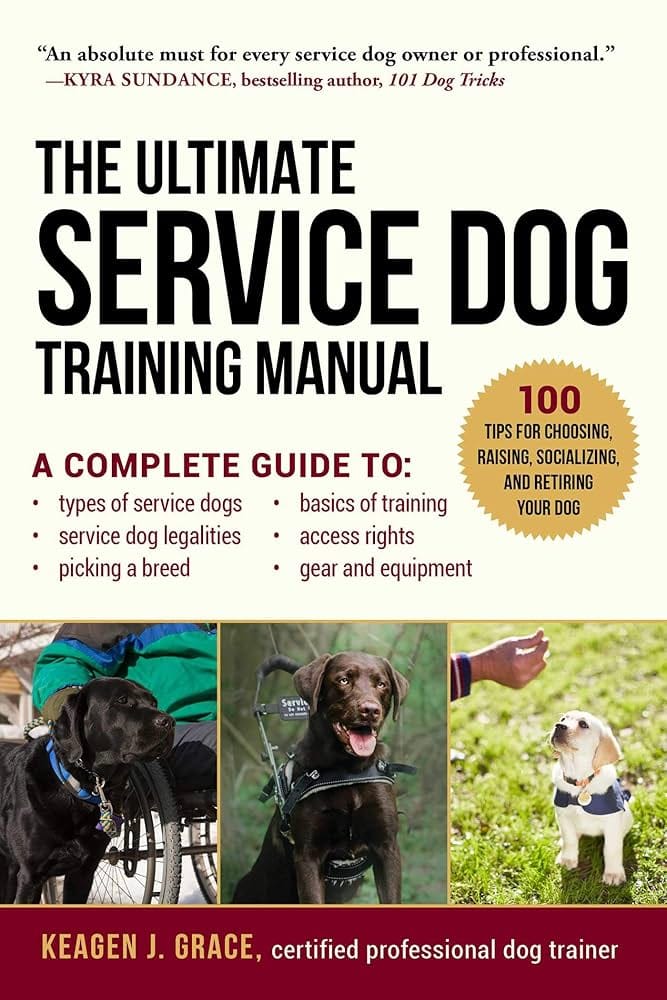
Embarking on a career as a service dog trainer is a deeply rewarding path, one that blends a passion for animals with a desire to make a tangible difference in people’s lives. This specialized field requires a unique combination of expertise, patience, and empathy. If you’re considering this fulfilling journey, understanding the nuances of service dog training is paramount. This guide will walk you through everything you need to know to step into this noble profession.
Understanding Service Dogs and Their Training
Service dogs are not simply pets; they are highly trained working animals that perform specific tasks to assist individuals with disabilities. These tasks can range from retrieving dropped items for someone with mobility impairments to alerting a deaf individual to important sounds, or even providing deep pressure therapy for someone experiencing anxiety. The Americans with Disabilities Act (ADA) defines a service animal as a dog individually trained to do work or perform tasks for the benefit of an individual with a disability. It’s crucial to differentiate service dogs from emotional support animals or therapy dogs, as their training and legal protections differ significantly.
The Role of a Service Dog Trainer
As a service dog trainer, your primary responsibility is to meticulously train dogs to perform tasks that mitigate their handler’s disability. This involves a structured, systematic approach, often starting from puppyhood. Trainers must be adept at understanding canine behavior, positive reinforcement techniques, and the specific needs of various disabilities. The goal is to create a seamless partnership between the dog and its handler, ensuring the dog can perform its duties reliably and safely in public environments.
Legal and Ethical Considerations
Ethical training practices are non-negotiable. This means prioritizing the dog’s well-being, using humane and science-based methods, and avoiding any form of force or intimidation. Understanding the legal framework, particularly the ADA, is also vital. Trainers must be aware of what constitutes a service dog and the rights afforded to handlers. Misrepresenting a dog as a service animal or using unethical training methods can have serious legal and ethical consequences. For those interested in the formal training aspects, resources on how to become a trainer of service dogs can provide a solid foundation.
Paths to Becoming a Service Dog Trainer
There isn’t a single, prescribed path to Becoming A Service Dog Trainer, but a combination of education, hands-on experience, and continuous learning is key. Many successful trainers have backgrounds in professional dog training, veterinary technology, or animal behavior.
Formal Education and Certification
While not always mandatory, formal education can provide a strong theoretical and practical base. Consider pursuing degrees or certifications in animal behavior, canine studies, or professional dog training. Several organizations offer certifications for service dog trainers, which can enhance credibility and demonstrate a commitment to high standards. These programs often cover advanced topics in behavior modification, task training, and disability awareness.
Gaining Practical Experience
Hands-on experience is arguably the most critical component. This can be gained in several ways:
- Apprenticeships: Working under experienced service dog trainers offers invaluable mentorship and practical skill development. This allows you to observe and participate in all stages of training.
- Volunteer Work: Many non-profit organizations that train service dogs rely on volunteers. This is an excellent way to gain exposure to different breeds, temperaments, and training scenarios.
- Working in Related Fields: Experience as a veterinary technician, professional dog walker, or general obedience trainer can provide transferable skills and a foundational understanding of canine behavior.
- Training Your Own Dog: While not a substitute for professional experience, training your own dog, especially with advanced obedience and specific task training, can be a learning experience.
Developing Specialized Skills
Beyond general dog training, service dog trainers need to develop specialized skills:
- Task Training: Mastering the techniques to teach specific tasks required by individuals with different disabilities.
- Behavioral Assessment: Accurately assessing a dog’s temperament, trainability, and suitability for service work.
- Handler Training: Effectively teaching handlers how to work with and cue their service dog. This is a crucial part of the placement process.
- Understanding Disabilities: Gaining a working knowledge of various disabilities and how a service dog can assist.
- Public Access Training: Ensuring the dog is well-behaved and confident in diverse public settings. This is where dog training for reactivity can be particularly relevant, as trainers must address potential behavioral challenges.
The Training Process: Key Stages
Service dog training is a meticulous and lengthy process, typically taking 1-2 years or more. It can be broken down into several key stages:
1. Foundation Training (Obedience and Socialization)
This stage begins early, often with puppies. It involves:
- Basic and Advanced Obedience: Mastering commands like sit, stay, down, come, heel, and leave it.
- Socialization: Exposing the dog to a wide variety of sights, sounds, people, and environments in a positive way to build confidence and desensitize them to potential distractions. This includes exposure to different surfaces, noises, and types of people.
- House Training and Crate Training: Essential for any dog, especially one that will live and work closely with a person.
2. Task-Specific Training
Once a solid foundation is established, trainers begin teaching the specific tasks the dog will perform. This is highly individualized based on the handler’s needs. Examples include:
- Mobility Assistance: Retrieving items, opening doors, providing balance support.
- Medical Alert: Alerting to physiological changes like low blood sugar, impending seizures, or oncoming panic attacks.
- Hearing Assistance: Alerting to specific sounds like doorbells, alarms, or a person’s name.
- Psychiatric Support: Interrupting repetitive behaviors, providing deep pressure therapy, guiding a handler away from danger during dissociative episodes.
3. Public Access Training
This critical phase ensures the dog can behave appropriately in public. It involves practicing obedience and task work in real-world scenarios:
- Controlled Environments: Gradually introducing the dog to increasingly complex environments like stores, restaurants, and public transportation.
- Distraction Management: Training the dog to ignore distractions such as other animals, food on the floor, or busy crowds.
- Manners: Ensuring the dog remains calm, quiet, and unobtrusive at all times. This often involves specific gear, such as a service dog vest, and appropriate equipment like a dog harness and training lead near me might be needed for management.
4. Handler Training and Team Placement
The final stage involves pairing the trained dog with a suitable handler and then training the handler to work effectively with their new partner. This ensures the handler can cue the dog correctly, maintain its training, and understand its needs. A successful placement creates a strong, cohesive team.
Choosing a Training Philosophy
The most effective and ethical approach to service dog training is positive reinforcement. This method focuses on rewarding desired behaviors, making training a positive experience for the dog and strengthening the human-animal bond.
Positive Reinforcement Techniques
- Reward-Based Methods: Using treats, praise, and play to reinforce correct responses.
- Clicker Training: Employing a clicker as a marker signal to precisely indicate the moment a dog performs the desired behavior, followed by a reward.
- Shaping and Luring: Gradually guiding the dog into desired behaviors.
Avoid outdated or aversive methods that rely on punishment, fear, or intimidation. These can damage the dog’s confidence, create behavioral problems, and are ethically unsound. Organizations like the dayton dog training club often advocate for these modern, humane techniques.
The Business of Service Dog Training
Many service dog trainers work independently or for non-profit organizations. If you plan to start your own training business, consider these aspects:
- Business Plan: Develop a clear plan outlining your services, target market, pricing, and operational strategies.
- Marketing: Reach potential clients through your website, social media, networking with disability support groups, and partnerships with professionals in the medical and therapeutic fields.
- Legal Structure: Decide on a business structure (sole proprietorship, LLC, etc.) and ensure you comply with all local and national business regulations.
- Insurance: Obtain appropriate liability insurance to protect yourself and your business.
Some trainers might find inspiration from successful operations, perhaps even looking into models like leader of the pack dog training llc for insights into business structure and service offerings.
Challenges and Rewards
Becoming a service dog trainer is not without its challenges. It requires immense dedication, patience, and emotional resilience. You’ll face demanding training schedules, difficult behavior cases, and the emotional weight of helping individuals with significant challenges. However, the rewards are profound. Witnessing the transformative impact a well-trained service dog has on a person’s independence and quality of life is incredibly fulfilling. You are not just training dogs; you are building life-changing partnerships and fostering greater understanding and inclusion for people with disabilities. The journey of becoming a service dog trainer is a commitment to a cause that truly matters, offering a unique opportunity to combine a love for dogs with a passion for service.
