
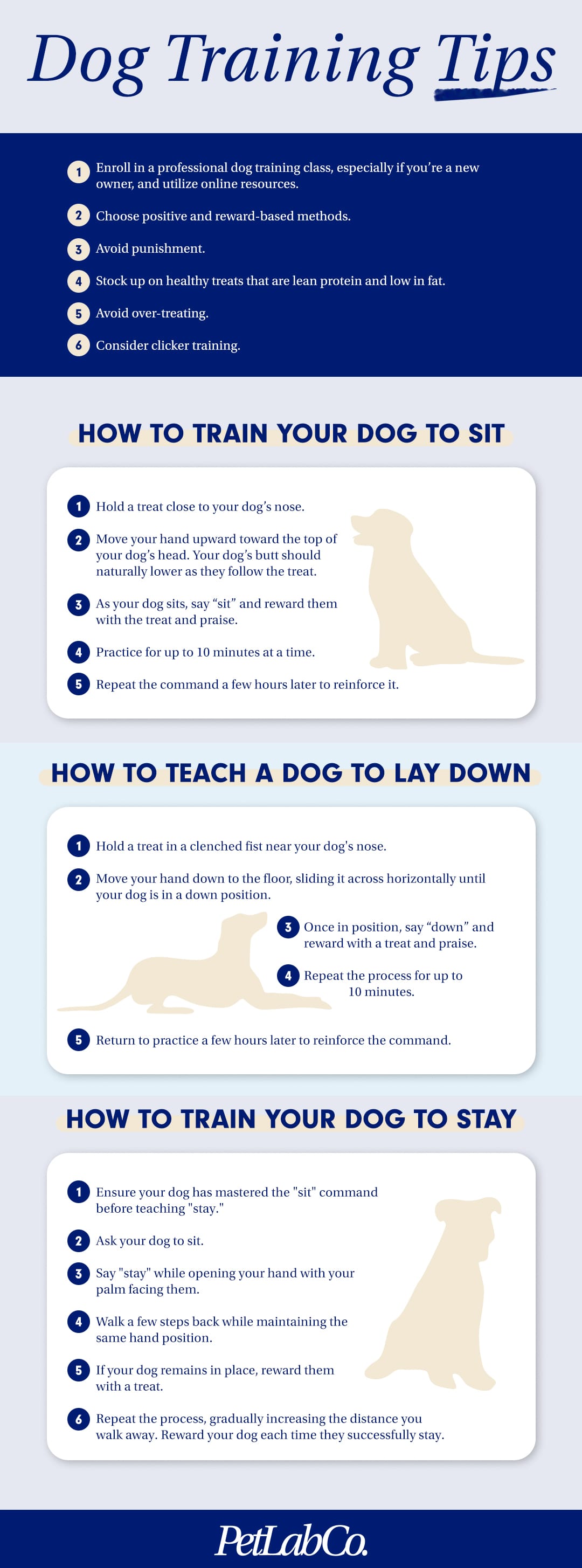
Embarking on a journey to become a certified dog trainer is a passion-driven decision that can lead to a deeply fulfilling career. It’s more than just loving dogs; it’s about understanding their intricate behaviors, mastering effective communication, and guiding both canines and their human companions toward harmonious relationships. This path requires dedication, continuous learning, and a commitment to ethical training practices. If you’re ready to turn your love for dogs into a profession, this guide will illuminate the steps to Becoming A Certified Dog Trainer, offering insights into the training process, essential skills, and the rewarding impact you can make.
The Evolving World of Dog Training
The field of dog training has transformed significantly over the years. Gone are the days of purely dominance-based methods. Modern dog training emphasizes positive reinforcement, force-free techniques, and a deep understanding of canine behavior, psychology, and welfare. This shift is driven by scientific research and a growing awareness of the importance of building trust and cooperation with our canine friends. As a result, the demand for qualified and certified dog trainers who employ these humane and effective methods is higher than ever. Dog owners today are seeking professionals who can help them navigate the complexities of dog ownership, from basic obedience and socialization to addressing behavioral issues.
Why Certification Matters in Dog Training
While not legally mandated in most places, professional certification is a crucial step for aspiring dog trainers. It signifies a commitment to a high standard of knowledge, skill, and ethical practice. Certification demonstrates to potential clients that you have undergone rigorous training, passed comprehensive examinations, and adhere to a code of conduct. This builds trust and credibility, setting you apart in a competitive market. Moreover, the process of becoming certified itself provides a structured and in-depth education, ensuring you have a solid foundation upon which to build your career. It’s an investment in your professional development and the success of your future clients – both two-legged and four-legged.
Embarking on Your Certification Journey
The path to becoming a certified dog trainer typically involves several key stages. While specific requirements can vary between certifying bodies, the core components remain consistent.
Step 1: Building Foundational Knowledge
Before diving into specific training programs, it’s essential to establish a strong understanding of canine behavior, biology, and learning theory. This includes:
- Canine Ethology: Understanding the natural behaviors, social structures, and communication methods of dogs.
- Learning Theory: Grasping concepts like classical and operant conditioning, which are the cornerstones of modern dog training.
- Canine Biology and Physiology: Knowledge of a dog’s anatomy, senses, and common health issues that might affect behavior.
- Breed-Specific Traits: Recognizing that different breeds have distinct temperaments, needs, and potential behavioral tendencies.
You can acquire this foundational knowledge through reputable books, online courses, workshops, and seminars offered by recognized canine behaviorists and trainers.
Step 2: Choosing a Reputable Certification Program
Several well-respected organizations offer dog trainer certification. When selecting a program, consider the following:
- Accreditation: Look for organizations that are accredited by recognized bodies.
- Curriculum: Ensure the program covers a comprehensive range of topics, including learning theory, ethology, practical training techniques, common behavior problems, and business practices.
- Hands-On Experience: A good program will require or strongly recommend practical, hands-on experience working with dogs under supervision.
- Assessment Methods: Understand how candidates are evaluated – typically through written exams, practical assessments, and case studies.
- Ethical Stance: Verify that the program exclusively teaches and advocates for humane, positive reinforcement-based methods.
Some of the leading certification bodies include the Certification Council for Professional Dog Trainers (CCPDT), the Karen Pryor Academy (KPA), and the Victoria Stilwell Academy (VSA). Each offers a distinct approach and learning experience, so researching them thoroughly is key to finding the best fit for your learning style and career goals. Understanding concepts like k 9 dog training near me can be part of a broader certification curriculum.
Step 3: Gaining Practical Experience
Theoretical knowledge is vital, but hands-on experience is where learning truly solidifies. This is where you’ll apply what you’ve learned in real-world scenarios.
- Apprenticeships and Internships: Working with experienced, certified trainers provides invaluable mentorship and practical skill development. This is akin to nick’s dog training where apprentices learn directly from a seasoned professional.
- Volunteer at Shelters: Animal shelters are excellent places to gain experience with a variety of breeds, temperaments, and behavioral issues. You’ll learn about socialization, basic manners, and handling techniques.
- Assist in Training Classes: Observing and assisting in group obedience classes can teach you class management, client communication, and how to address common issues in a group setting.
- Personal Dog Training: Applying training techniques to your own dog(s) is a continuous learning process.
Step 4: Passing the Certification Exam
Once you’ve completed the coursework and gained sufficient practical experience, you’ll be eligible to take the certification exam. These exams are designed to test your comprehensive knowledge and understanding of dog training principles and practices. They typically include multiple-choice questions, and sometimes practical demonstrations or case study analyses. Passing this exam is the final hurdle to earning your certification.
Essential Skills for a Successful Dog Trainer
Beyond technical training skills, a successful certified dog trainer needs a blend of interpersonal and practical abilities.
Communication and Interpersonal Skills
- Client Education: You’ll be teaching humans as much as you’re training dogs. The ability to explain complex concepts clearly, patiently, and empathetically is paramount.
- Active Listening: Understanding a client’s concerns, observations, and goals is crucial for developing an effective training plan.
- Rapport Building: Establishing trust and a positive working relationship with both the dog and the owner is key to success.
Observational Skills
- Reading Canine Body Language: Being able to accurately interpret a dog’s subtle cues – tail wags, ear position, vocalizations, posture – is fundamental to understanding their emotional state and intentions. This is critical for issues like behavior modification for aggressive dogs.
- Problem Solving: Identifying the root cause of a behavioral issue, rather than just addressing the symptom, requires keen observation and analytical skills.
Adaptability and Patience
- Individualized Training: Every dog is an individual. You need to adapt your techniques to suit each dog’s personality, breed, history, and learning pace.
- Resilience: Training doesn’t always go as planned. Patience, persistence, and a positive attitude are essential when facing challenges.
Business Acumen (if self-employed)
- Marketing and Networking: Attracting clients and building a client base. This might involve local networking or even specialized services like therapy dog training nc.
- Record Keeping: Maintaining client and progress notes.
- Financial Management: Handling pricing, billing, and expenses.
The Impact of Certified Dog Trainers
Becoming a certified dog trainer is more than a job; it’s a calling that allows you to make a tangible difference in the lives of dogs and their families.
- Improving Human-Animal Bond: You help foster stronger, more positive relationships between dogs and their owners, leading to fewer relinquishments and a greater appreciation for canine companionship.
- Enhancing Canine Welfare: By promoting humane training methods and addressing behavioral issues, you contribute to the overall well-being and happiness of dogs.
- Promoting Responsible Pet Ownership: You educate owners on the needs of their dogs, empowering them to be better caregivers.
- Specialized Services: Certified trainers can offer a wide range of services, from basic obedience and puppy socialization to advanced trick training, service dog preparation, and addressing complex behavioral challenges. For those interested in a specific niche, understanding alpha and omega dog training principles can be a valuable asset.
Frequently Asked Questions
Q1: How long does it take to become a certified dog trainer?
The time commitment can vary significantly, typically ranging from several months to over a year, depending on the chosen certification program, the intensity of study, and the amount of hands-on experience acquired.
Q2: What is the average salary for a certified dog trainer?
Salaries can differ based on experience, location, whether you work for a company or are self-employed, and the services you offer. However, certified trainers generally earn more than those without credentials.
Q3: Do I need to have my own dog to become a trainer?
While not always a strict requirement for certification, having your own dog provides an excellent, ongoing opportunity to practice and hone your skills. Many programs incorporate practical work with dogs, so prior experience is beneficial.
Q4: What are the different types of dog training certifications?
Certifications vary, but common ones include those focusing on general professional dog training (like CCPDT’s CPDT-KA/KSA), academy-based programs with intensive coursework and practical components (like VSA or KPA), and specialized certifications in areas like service dog training or behavior consulting.
Q5: Are there continuing education requirements for dog trainers?
Yes, most reputable certification bodies require ongoing professional development to maintain your certification. This ensures trainers stay current with the latest research, techniques, and best practices in the field.
Conclusion: Your Path to a Paw-sitive Future
Becoming a certified dog trainer is a rewarding endeavor that blends a love for animals with a desire to educate and make a positive impact. By committing to rigorous study, gaining practical experience, and embracing ethical, science-based training methods, you can build a successful and fulfilling career. The journey requires dedication, but the ability to transform the lives of dogs and their human families makes it an incredibly worthwhile pursuit. The world of canine companionship is vast and ever-evolving, and as a certified professional, you’ll be at the forefront, helping to shape better futures for dogs, one well-trained paw at a time.
