
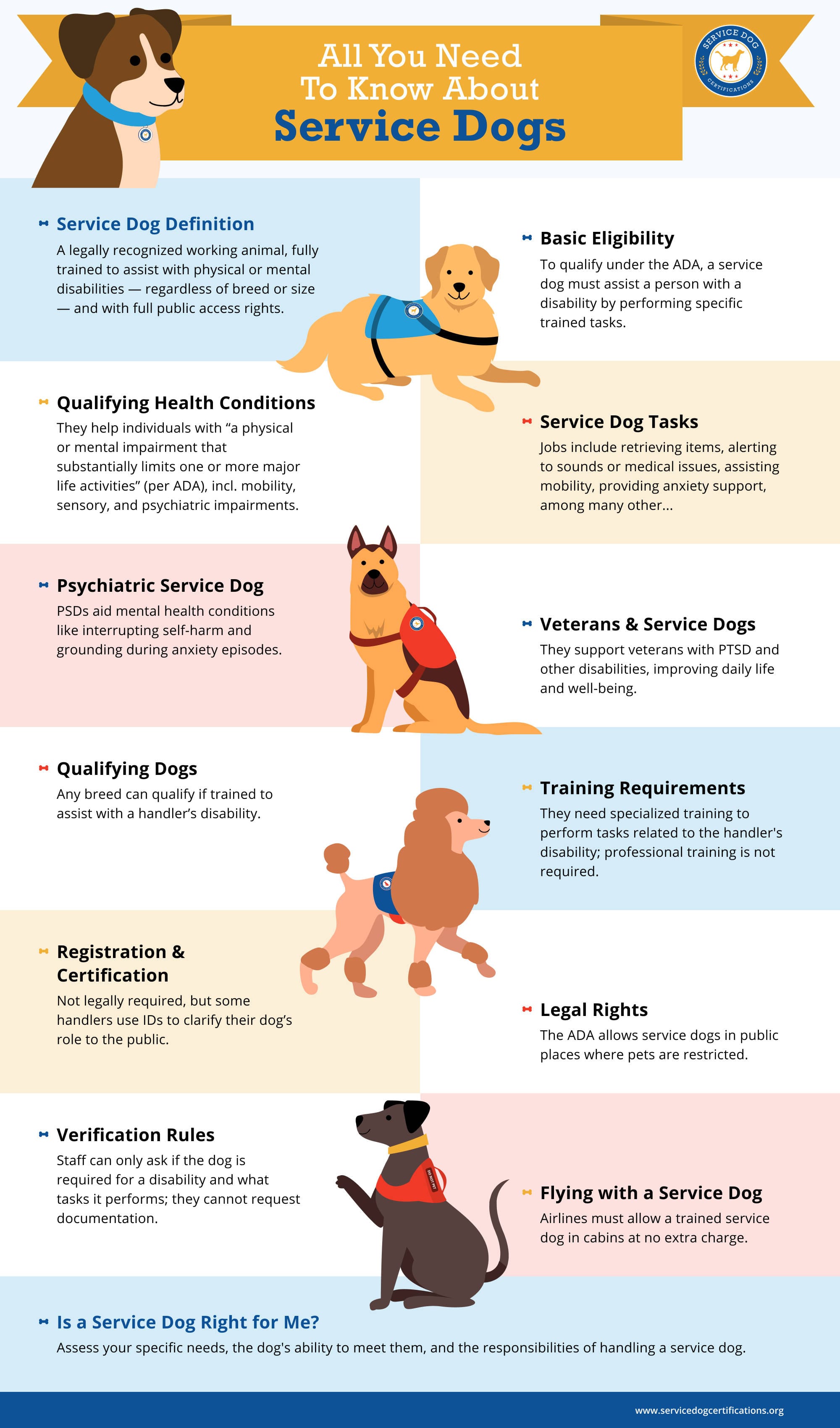
Embarking on a journey to Become A Service Dog Trainer is more than just a career change; it’s a calling for those passionate about both animals and helping others. Service dogs are highly trained canines that perform specific tasks to assist individuals with disabilities, dramatically improving their quality of life. If you’re looking for a deeply fulfilling profession where you can make a tangible difference, this path might be the perfect fit for you. Understanding the dedication, skills, and steps involved is crucial for anyone considering this rewarding role.
The Essential Role of a Service Dog Trainer
Service dog trainers are the architects behind these incredible partnerships. They are responsible for every stage of a dog’s development, from early socialization and basic obedience to highly specialized task training tailored to an individual’s needs. This involves a deep understanding of canine behavior, learning theory, and a patient, methodical approach. The trainer’s work doesn’t end when the dog graduates; it often includes ongoing support and handler training to ensure a strong, lasting bond and effective working relationship.
Understanding Service Dogs vs. Emotional Support Animals vs. Therapy Dogs
It’s important to distinguish service dogs from other types of assistance animals.
- Service Dogs: These are dogs individually trained to do work or perform tasks for people with disabilities. The tasks must be directly related to the person’s disability. Examples include guiding a blind person, alerting a deaf person, pulling a wheelchair, or alerting a person to a medical episode. Under the Americans with Disabilities Act (ADA), service animals are typically limited to dogs (and in some cases, miniature horses).
- Emotional Support Animals (ESAs): ESAs provide comfort and companionship to individuals with emotional or mental health conditions. They do not require specific task training and are not afforded the same public access rights as service dogs. Their presence helps alleviate symptoms of a diagnosed mental health condition.
- Therapy Dogs: Therapy dogs are trained to provide comfort and affection to people in various settings, such as hospitals, nursing homes, and schools. They offer a calming presence and are usually part of a program. While they are trained to be well-behaved around people, they do not perform tasks for an individual’s disability and do not have public access rights.
The Path to Becoming a Service Dog Trainer
While there’s no single mandated path, aspiring service dog trainers typically follow a structured approach to build the necessary expertise. This journey requires a blend of theoretical knowledge, practical experience, and a commitment to ethical training methods.
Step 1: Gain Foundational Knowledge in Dog Behavior and Training
Before diving into specialized service dog training, a solid understanding of general dog behavior, learning principles, and basic obedience is paramount. This includes:
- Canine Behavior: Understanding how dogs think, learn, and communicate is foundational. This involves studying ethology, body language, and common behavioral patterns.
- Training Methodologies: Familiarize yourself with various training techniques, with a strong emphasis on positive reinforcement. Modern service dog training heavily relies on reward-based methods that build trust and a willingness to work.
- Basic Obedience: Mastering commands like sit, stay, come, down, and loose-leash walking is the starting point for all advanced training.
You can acquire this knowledge through reputable books, online courses, workshops, and seminars. Many experienced trainers recommend starting with a good foundation in positive reinforcement training.
Step 2: Acquire Hands-On Experience
Theory is essential, but practical experience is where you truly develop your skills.
- Volunteer at Shelters or Rescues: This is an excellent way to work with a variety of dogs, learn about different temperaments, and practice basic handling and training in a real-world environment.
- Work with a Professional Trainer: The most effective way to learn is by apprenticing or working under an experienced service dog trainer or a reputable dog training school. This provides invaluable mentorship, exposure to different training scenarios, and guidance on advanced techniques. This experience is crucial for understanding the nuances of dog training frederick md or any other location you might eventually work in.
- Attend Training Seminars and Workshops: Continuously learn from industry leaders. These events offer insights into specialized areas and the latest advancements in training.
Step 3: Specialize in Service Dog Training
Once you have a solid foundation, you can begin to focus on the unique demands of service dog training.
- Understand Disability Needs: Learn about various disabilities and the specific tasks that service dogs can be trained to perform. This requires empathy and an ability to understand the client’s daily challenges.
- Task Training: Master the techniques for teaching complex tasks, such as retrieving dropped items, opening doors, providing deep pressure therapy, or alerting to medical emergencies. This often involves breaking down tasks into small, manageable steps and using advanced shaping and luring techniques.
- Public Access Training: This is a critical component. Service dogs must be able to behave impeccably in public environments. Training includes desensitization to distractions, controlled behavior in crowds, and calm demeanor in various settings. This is where skills learned in areas like long beach dog training become transferable.
- Handler Training: A significant part of your role will be teaching the dog’s handler how to cue their dog, reinforce desired behaviors, and manage the dog in public. This partnership is key to the success of the team.
Step 4: Consider Certification
While not legally required by the ADA, professional certification can significantly enhance your credibility and demonstrate your commitment to high standards. Organizations like the Certification Council for Professional Dog Trainers (CCPDT) or the Association of Professional Dog Trainers (APDT) offer various levels of certification. Some organizations specifically focus on service dog training, though these are often more about accrediting programs than individual trainers.
Step 5: Establish Your Business or Join an Organization
With your skills and experience, you can choose to:
- Start Your Own Training Business: This offers autonomy but requires business acumen, marketing skills, and insurance. You’ll need to develop your own curriculum and client acquisition strategies.
- Work for an Established Organization: Many non-profits and for-profit organizations train and place service dogs. This provides a structured environment, a steady client base, and often a supportive team. These organizations might have specific training protocols, such as using a place training dog platform to teach dogs to settle on command.
The Evolving Landscape of Service Dog Training
The field is constantly evolving, with new research and techniques emerging. Staying current is key.
- Positive Reinforcement Dominance: Modern service dog training overwhelmingly favors positive, reward-based methods. These build a strong, trusting relationship between dog and handler, which is essential for the demanding work service dogs perform.
- Focus on Welfare: There’s a growing emphasis on the dog’s welfare, ensuring that training is not only effective but also enjoyable and stress-free for the animal. This includes understanding canine body language for stress signals and ensuring appropriate work-life balance for the dogs.
- Technology in Training: While not replacing traditional methods, technology like treat-dispensing cameras or GPS trackers can sometimes assist in monitoring and managing training progress.
Key Qualities of a Successful Service Dog Trainer
Beyond technical skills, certain personal qualities are vital for success:
- Patience: Training takes time, and dogs learn at different paces. Setbacks are inevitable, and patience is crucial.
- Empathy: Understanding and relating to the challenges faced by individuals with disabilities is fundamental.
- Communication Skills: You need to effectively communicate with clients, explain complex training concepts clearly, and provide constructive feedback.
- Problem-Solving Ability: Every dog and handler team is unique. You’ll need to adapt training plans and troubleshoot challenges as they arise.
- Dedication: This is a demanding profession that requires significant commitment, both in terms of time and emotional investment.
- Ethical Standards: Upholding the highest ethical standards in training and client interactions is non-negotiable.
Frequently Asked Questions About Becoming a Service Dog Trainer
Q: How long does it take to become a service dog trainer?
A: There’s no set timeline, but most trainers spend several years gaining foundational knowledge and practical experience before specializing. It often takes 2-4 years of dedicated learning and practice.
Q: Do I need a degree to become a service dog trainer?
A: A formal degree is not typically required by law or most organizations. However, a strong understanding of animal behavior, learning theory, and practical training experience are essential. Some may pursue degrees in animal behavior or related fields.
Q: What is the difference between a service dog trainer and a regular dog trainer?
A: Service dog trainers specialize in teaching dogs to perform specific tasks for individuals with disabilities and focus heavily on public access training and handler education. Regular dog trainers typically focus on basic obedience, behavior modification, or specialized dog sports. To truly excel in this niche, one might look into resources for dog training blaine mn or similar specialized training hubs.
Q: Can I train my own service dog?
A: While it is legally permissible for individuals with disabilities to train their own service dogs, it is a complex and challenging undertaking that requires extensive knowledge and dedication. For many, working with a professional trainer is a more effective route.
Q: What are the salary expectations for a service dog trainer?
A: Salaries vary widely based on experience, location, whether you work for an organization or independently, and the type of organization. Entry-level positions might offer a modest income, while experienced, independent trainers with a strong reputation can command higher fees.
Conclusion: A Rewarding Path of Dedication and Impact
Becoming a service dog trainer is a demanding yet incredibly rewarding career. It requires a unique blend of passion for dogs, a deep understanding of animal behavior, and a genuine desire to help people with disabilities live more independent and fulfilling lives. By committing to continuous learning, gaining practical experience, and adhering to ethical training practices, you can embark on a journey that not only shapes the lives of dogs and their handlers but also enriches your own. The satisfaction of seeing a well-trained service dog transform someone’s life is a powerful motivator that makes the dedication truly worthwhile.
