
Finding the right tool to communicate effectively with your furry friend can feel like a huge challenge. As a dog owner, you want a method that’s effective, safe, and strengthens your bond, rather than creating fear. The Bebang Dog Training Collar has emerged as a popular choice for many, but what’s the real story behind it? This guide will walk you through everything you need to know, from its core features to how to use it humanely and effectively, helping you make an informed decision for your beloved companion.
Training a dog is about building a language of understanding. Sometimes, verbal commands aren’t enough, especially when your dog is distracted or at a distance. This is where a remote training collar can step in, acting as an extension of your voice to gently guide your dog’s behavior. The goal isn’t to punish, but to communicate clearly and consistently, paving the way for a well-behaved and happy dog.
What is a Bebang Dog Training Collar?
A bebang dog training collar is a remote electronic training aid, often called an e-collar, designed to help correct unwanted behaviors and reinforce commands. Unlike basic collars, it comes with a handheld remote that allows you to deliver a specific type of stimulation—typically a sound, a vibration, or a static shock—from a distance. This tool is intended to interrupt a negative behavior, like excessive barking or jumping, and redirect your dog’s attention back to you and your command.
The core principle behind its design is communication. When used correctly, the collar provides an immediate and clear signal that the dog can associate with a specific action. For example, a vibration can signal “no” when they start chewing on furniture, or a beep can be a recall signal when they’re far away at the park. Modern designs prioritize safety and control, giving the owner a wide range of intensity levels to ensure the stimulation is never harmful, but just enough to be a noticeable cue.
Key Features of the Modern E-Collar
Today’s training collars have evolved significantly from their predecessors. The Bebang models, in particular, often come packed with features designed for safety, convenience, and effectiveness.
- Multiple Training Modes: Most collars offer three distinct modes:
- Audible Beep: A simple sound that can be used as a warning or a positive marker, similar to a clicker.
- Vibration: A non-painful buzz that is excellent for getting a dog’s attention without resorting to static. Many owners find this mode is all they ever need.
- Static Shock: This is the most controversial feature, but modern collars offer a wide range of adjustable intensity levels (often from 1 to 99). The lowest levels are barely perceptible, feeling like a tiny static tickle. The key is to use the lowest possible level that your dog notices.
- Adjustable Intensity Levels: This is crucial for humane use. You can fine-tune the vibration and static levels to match your dog’s size, temperament, and sensitivity. A sensitive dog might respond to a level 2 vibration, while a more stubborn dog might need a level 10.
- Long-Range Control: Many models boast an impressive range, often up to 3000 feet or more. This is ideal for off-leash training in open spaces, giving you confidence that you can communicate with your dog even when they are far away.
- Waterproof Design: An IPX7 or higher waterproof rating means the collar can withstand rain, puddles, and even a swim. This durability is essential for active dogs who love the outdoors, ensuring the device works reliably in any weather.
- Rechargeable Battery: Long gone are the days of constantly replacing batteries. Most collars now feature rechargeable lithium-ion batteries that provide long-lasting power for both the remote and the receiver, often lasting for weeks on a single charge.
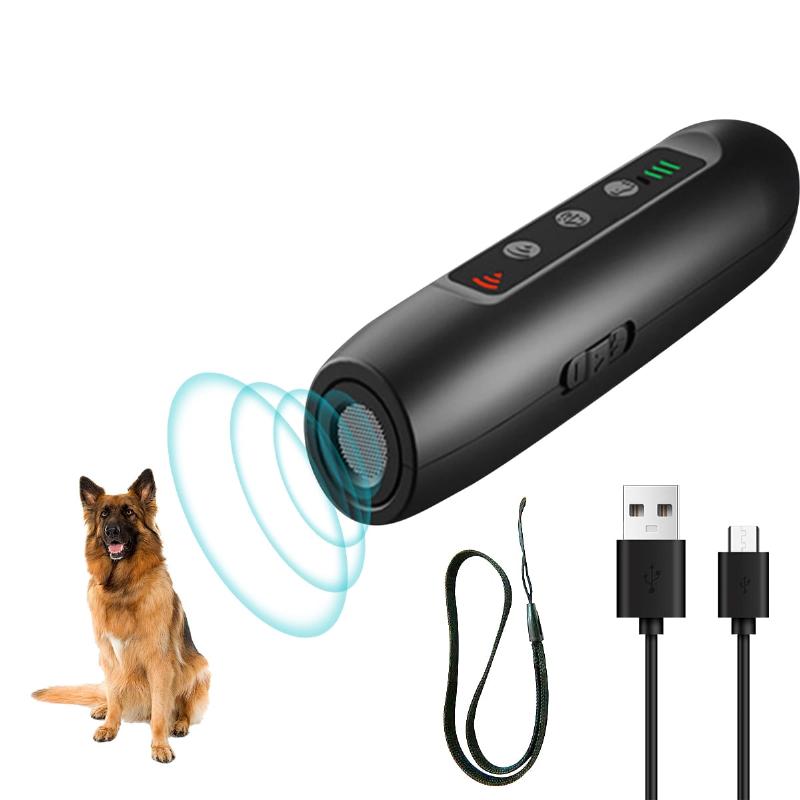 A detailed shot of the Bebang dog training collar and its remote, highlighting the different buttons for beep, vibration, and shock modes.
How to Use the Bebang Dog Training Collar Safely
Using an e-collar effectively and humanely is paramount. It should be a training tool, not a punishment device. Misuse can lead to fear, anxiety, and a breakdown of trust between you and your dog.
As renowned dog behaviorist Dr. Emily Carter states:
“The goal of any training tool, including an e-collar, should be to enhance communication. It’s about teaching, not intimidating. Always start with the lowest possible stimulation and pair it with positive reinforcement. The collar signals what not to do, but your voice and your treats must teach what to do instead.”
Step-by-Step Guide for Proper Use
- Introduce the Collar Properly: Before you even use the remote, have your dog wear the collar (turned off) for short periods over several days. Let them get completely comfortable with the feel of it. Associate it with positive things, like treats and playtime.
- Find the “Recognition Level”: This is the most important step. Start with the lowest intensity level for vibration or static. Watch your dog for a subtle reaction—an ear twitch, a turn of the head, or a slight change in expression. You are not looking for a yelp or a sign of pain. This lowest noticeable level is your working level.
- Start with a Known Command: Ask your dog to “sit.” If they ignore you, press the button at their recognition level and repeat the command “sit” in a firm but calm voice. The moment they sit, praise them enthusiastically and give them a treat. They will quickly learn that complying with the command stops the weird new sensation.
- Keep Training Sessions Short and Positive: Aim for 10-15 minute sessions. Always end on a high note with a successful command and lots of praise. Overwhelming your dog with long or stressful sessions will be counterproductive.
- Be Consistent: Everyone in the household who handles the dog should understand how to use the collar consistently. Inconsistency will only confuse your dog and hinder progress.
- Fade Out the Collar: The ultimate goal is for your dog to obey commands without the need for the collar. As they become more reliable, start giving commands without using the stimulation. Eventually, the collar will just be a backup, and then you can stop using it altogether.
Common Behaviors Addressed with a Training Collar
When used correctly, the bebang dog training collar can be an effective tool for addressing a variety of challenging behaviors that don’t respond to other methods.
Addressing Nuisance Barking
For dogs that bark incessantly at every passing leaf, a training collar can be a game-changer. The key is timing. The moment the unwanted barking starts, you deliver the correction (a beep or vibration is often enough). This interrupts the behavior and allows you to redirect their focus.
Stopping Jumping on People
Jumping is a common and frustrating issue. With the collar, you can deliver a correction the instant your dog’s paws leave the ground. This creates a clear association between the action of jumping on a person and the unpleasant sensation, quickly discouraging the habit.
Off-Leash Training and Recall
One of the biggest benefits is reliability during off-leash activities. If your dog has a tendency to ignore your “come” command when distracted, the remote collar can get their attention from hundreds of feet away. You can use the beep as your recall signal or a vibration to break their focus on a squirrel and bring it back to you.
Is the Bebang Dog Training Collar Right for You?
This tool is not a magic wand, and it’s not suitable for every dog or every owner. It requires patience, consistency, and a commitment to positive reinforcement.
This collar might be a good fit if:
- You have tried other training methods without success.
- You need to correct specific, persistent negative behaviors.
- You want to improve off-leash reliability and safety.
- You are willing to learn and apply the techniques humanely and correctly.
Consider other options if:
- Your dog is very timid, anxious, or fearful. A static correction could make these issues worse.
- You are looking for a quick fix without putting in the training effort.
- Your dog’s behavior stems from a medical issue or severe anxiety (consult a vet or professional behaviorist first).
Pros and Cons
| Pros | Cons |
|---|---|
| Effective for stubborn behaviors | Can cause fear or anxiety if misused |
| Excellent for long-range, off-leash training | Requires a learning curve for the owner |
| Multiple modes (beep, vibrate) offer humane options | Social stigma associated with “shock collars” |
| Provides immediate and clear feedback | Not suitable for all dog temperaments |
| Waterproof and durable for active dogs | Over-reliance can weaken the owner-dog bond |
Frequently Asked Questions (FAQ)
Is a bebang dog training collar cruel?
When used correctly and humanely, it is not cruel. The purpose is to use the lowest possible stimulation to get a dog’s attention, not to inflict pain. Many owners exclusively use the beep and vibration modes. Misuse of any training tool can be cruel, which is why owner education is so important.
What is the best age to start using a training collar?
Most trainers recommend waiting until a dog is at least 6 months old. Puppies have short attention spans and are still learning basic obedience. It’s better to build a foundation with positive reinforcement before introducing a tool like an e-collar.
Can the static shock hurt my dog?
The static stimulation is designed to be startling, not painful. The sensation is similar to the static shock you might get from touching a doorknob. With dozens of adjustable levels, you can ensure the setting is appropriate for your dog’s size and sensitivity. Always start at level one.
How long should my dog wear the training collar?
The collar should only be worn during active training sessions, for no more than 8-10 hours per day. Leaving it on for too long can cause skin irritation from the contact points. Always remove it at night.
What if the collar doesn’t seem to be working?
First, check the fit. The contact points must make contact with the dog’s skin, not float in their fur. Second, you may need to re-evaluate the intensity level; some dogs are less sensitive and may require a slightly higher setting. Finally, ensure you are being consistent and pairing the correction with a command and positive reinforcement.
Final Thoughts on Training Your Dog
Ultimately, the bebang dog training collar is a tool. Its success or failure lies in the hands of the person holding the remote. When approached with a philosophy of clear communication and positive reinforcement, it can be an invaluable aid in overcoming training plateaus and ensuring your dog’s safety. It can help you build a more responsive and reliable relationship with your canine companion, giving you both more freedom and confidence. Remember to start slow, stay positive, and celebrate the small victories on your training journey together.
