
Bringing a new dog into your home is an exciting time, and establishing good habits early on through basic training is crucial for a harmonious life together. “Dog Care Story” is dedicated to helping you navigate this journey, ensuring your canine companion grows into a well-behaved and happy member of your family. This guide focuses on fundamental training techniques you can easily implement in your own home, fostering a stronger bond between you and your dog.
Training your dog at home doesn’t require a professional setting; it’s about consistency, patience, and positive reinforcement. The goal is to communicate clearly with your dog, helping them understand what you expect. This foundational training is not just about obedience; it’s about building trust and mutual respect, which are the cornerstones of the human-animal relationship.
Understanding the Core Principles of Dog Training
Before diving into specific commands, it’s important to grasp the underlying principles that make dog training effective. At its heart, successful training relies on understanding how dogs learn and what motivates them. Positive reinforcement is widely considered the most effective and humane method. This involves rewarding your dog for desired behaviors, making them more likely to repeat those actions. Conversely, ignoring or redirecting unwanted behaviors is generally more effective than punishment, which can lead to fear and anxiety.
Dogs thrive on routine and clear communication. Establishing a predictable schedule for feeding, potty breaks, and training sessions helps them feel secure. Using consistent commands and hand signals ensures your dog isn’t confused by mixed messages. Remember, your dog is constantly observing you, learning from your tone of voice, body language, and actions.
Getting Started with Basic Dog Training Commands
When you begin training, it’s best to start with a few essential commands that form the bedrock of good canine citizenship. These commands are not only practical for managing your dog’s behavior but also serve as building blocks for more advanced training. Mastering these basics will make further training much smoother and more enjoyable for both you and your furry friend.
The “Sit” Command
“Sit” is often the first command taught because it’s relatively easy for dogs to learn and can help calm them in various situations. Start by holding a treat near your dog’s nose.
- Lure: Slowly move the treat upwards and slightly back over their head. As their nose follows the treat, their rear end will naturally lower into a sit.
- Command: As their rear touches the ground, say “Sit” in a clear, positive tone.
- Reward: Immediately give them the treat and praise them enthusiastically.
- Repeat: Practice this several times in short, frequent sessions.
Consistency is key. If your dog gets up, gently guide them back into a sit or simply reset and try again. You can begin phasing out the lure once your dog consistently sits with the hand motion, relying solely on the verbal cue. This is similar to basic dog training instructions.
The “Stay” Command
Once your dog reliably sits, you can introduce the “Stay” command. This teaches impulse control and is vital for safety, preventing your dog from running off in potentially dangerous situations.
- Start Simple: Ask your dog to sit.
- Gesture and Cue: Hold your hand up in a “stop” gesture and say “Stay” calmly.
- Short Duration: Wait only a second or two initially.
- Reward: If they remain seated, return to them (don’t call them to you) and give a treat and praise.
- Gradual Increase: Slowly increase the duration you ask them to stay, and then gradually increase the distance you move away.
Always return to your dog to reward them while they are still in the “stay” position. If they break the stay, simply guide them back to their spot and try again with a shorter duration. This process mirrors the careful steps involved in basic training dog kennel operations, where patience and repetition are paramount.
The “Come” Command (Recall)
A reliable recall is arguably the most important command for your dog’s safety. It means your dog will return to you when called, no matter the distractions.
- Use a Happy Tone: Say your dog’s name followed by “Come!” in an upbeat, exciting voice.
- Positive Reinforcement: When they come to you, offer high-value treats, enthusiastic praise, and maybe even a quick game.
- Never Punish: Never scold or punish your dog if they eventually come to you, even if it took them a while. You want them to associate coming to you with good things.
- Practice in Safe Areas: Start in a quiet, enclosed space before practicing in more distracting environments.
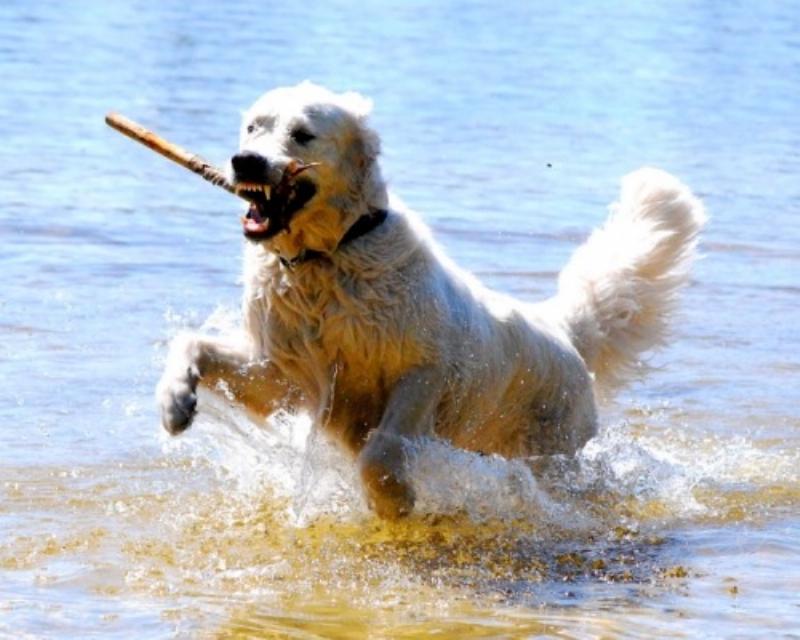 Happy dog running to owner for treat during recall training
This recall training is a core component of basic dog training in twin oakes c and similar programs, emphasizing the importance of a strong, positive connection.
Leash Training
Teaching your dog to walk politely on a leash is essential for enjoyable walks and safety. A dog that pulls can be difficult to manage and may even injure you.
- Introduce the Collar/Harness and Leash: Let your dog get used to wearing these items for short periods indoors.
- Positive Association: Associate the leash with positive experiences, like treats and praise.
- Gentle Guidance: When walking, if your dog pulls, stop moving. Only resume walking when the leash slackens.
- Reward Loose Leash: Praise and reward your dog when they walk beside you with a loose leash.
Consider this an ongoing process, much like the principles found in basic dog training in bonsall ca. Patience and consistency are vital here.
House Training: Patience and Consistency
House training is a critical step in raising a well-behaved dog. It requires diligence, a good understanding of your dog’s needs, and a commitment to positive reinforcement.
Key Strategies for House Training:
- Frequent Potty Breaks: Take your puppy or new dog out frequently, especially after waking up, after playing, and after eating or drinking.
- Choose a Designated Spot: Always take your dog to the same spot in your yard to eliminate. The scent will encourage them to go there again.
- Positive Reinforcement: Lavishly praise and offer a high-value treat immediately after they successfully eliminate outdoors.
- Supervision: Keep a close eye on your dog indoors. If you see signs they need to go (circling, sniffing intently), take them out immediately.
- Accidents Happen: If an accident occurs indoors, don’t punish your dog. Clean it up thoroughly with an enzymatic cleaner to eliminate odors that might attract them back to the same spot. Simply resolve to supervise more closely and increase potty breaks.
This methodical approach is fundamental to beyond basics dog training in fort worth tx, where comprehensive training covers all aspects of a dog’s life.
“Consistency in routine and positive feedback are the golden rules of house training. Every successful outdoor elimination is a step towards a house-trained dog.” – Dr. Anya Sharma, Canine Behaviorist
Socialization: A Crucial Component
Socialization is the process of exposing your dog to a variety of people, places, sounds, and other animals in a positive and controlled way. This is especially critical during a puppy’s critical socialization window (typically between 3 and 16 weeks of age), but it remains important throughout a dog’s life. Proper socialization helps prevent fear-based aggression and anxiety, leading to a more confident and well-adjusted adult dog.
How to Socialize Your Dog at Home:
- Introduce New People Gradually: Have friends and family visit, ensuring they interact with your dog calmly and positively.
- Expose to Different Sounds: Play recordings of household noises, traffic, or thunderstorms at a low volume, gradually increasing it as your dog becomes comfortable.
- Car Rides: Take short, positive car rides, associating them with pleasant destinations like the park or a friend’s house.
- Safe Interactions with Other Dogs: Arrange playdates with known, well-behaved, vaccinated dogs in a neutral territory.
Troubleshooting Common Training Challenges
Even with the best intentions, training can present challenges. Understanding common issues and how to address them can save you frustration and help your dog succeed.
Jumping Up
Many dogs jump up to greet people, often out of excitement. The key is to teach them that jumping doesn’t get them attention.
- When they jump: Turn your back, cross your arms, and ignore them.
- When they have all four paws on the floor: Immediately give them attention, praise, and maybe a treat.
- Teach an alternative behavior: Train them to sit for greetings.
Excessive Barking
Barking is a natural form of communication for dogs, but excessive barking can be problematic.
- Identify the trigger: Is it boredom, attention-seeking, alarm barking, or separation anxiety?
- Address the root cause: Increase exercise and mental stimulation for boredom. Ignore attention-seeking barking. For alarm barking, teach a “quiet” command. Separation anxiety requires more in-depth behavioral modification.
The Rewards of Basic Dog Training at Home
The effort invested in basic dog training at home pays dividends. A well-trained dog is a joy to live with, leading to a stronger bond, fewer behavioral problems, and a more peaceful household. You’ll find that the process itself, while sometimes demanding, deepens your understanding of your dog and enriches your relationship immeasurably. Dog Care Story is here to support you every step of the way on this rewarding journey.
