
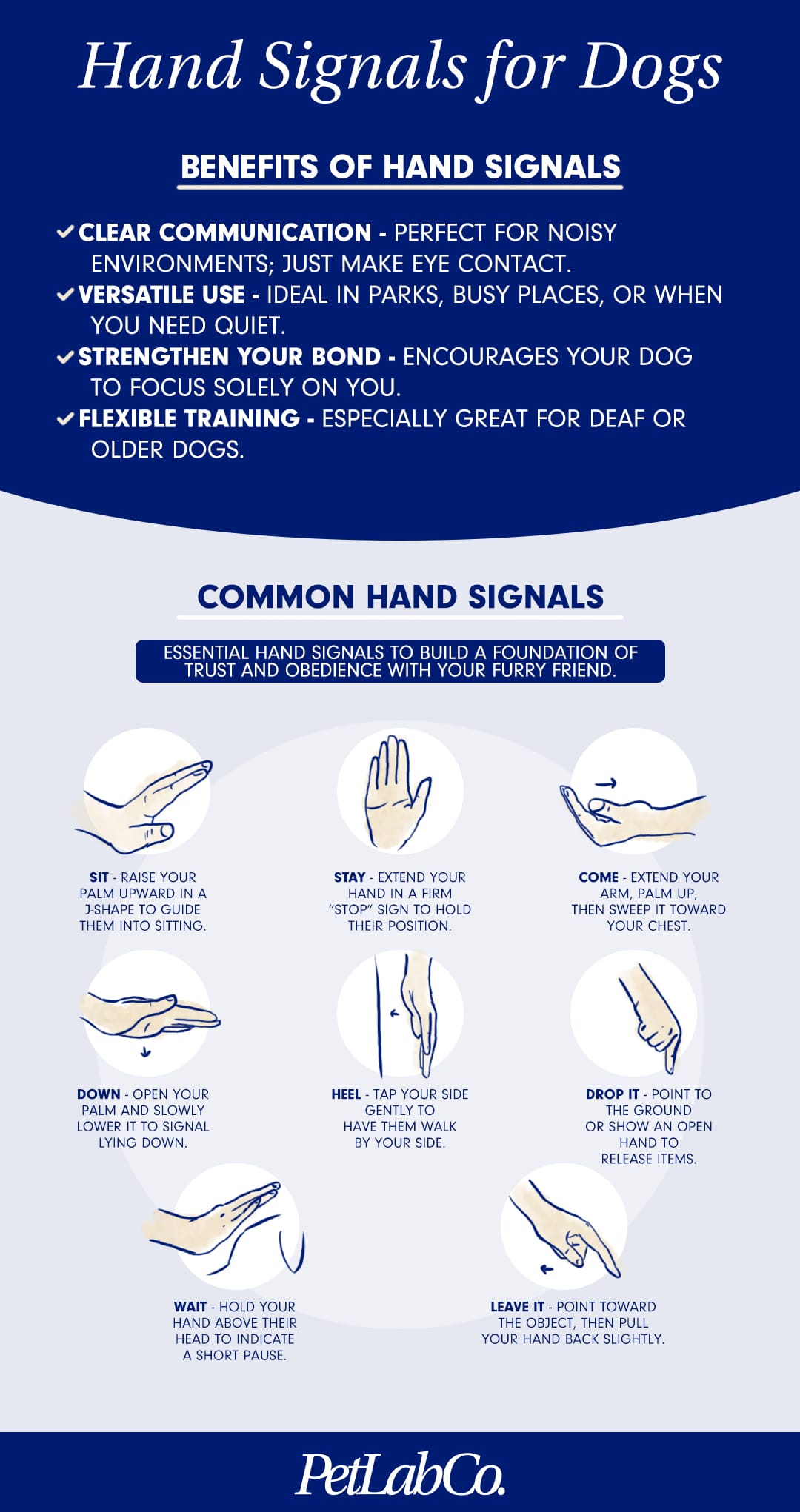
Training your dog is one of the most fulfilling aspects of pet ownership, establishing a foundation for a lifetime of happiness, love, and safety. Basic commands like “sit,” “down,” and “stay” not only ensure good behavior at home but also cultivate a well-behaved canine citizen in public spaces. This guide compiles 21 essential commands to teach your canine companion, starting with the fundamentals and progressing to more advanced tricks. Consistency is key; aim for short, frequent training sessions of 10-15 minutes, two to three times daily. With a couple of weeks of dedicated practice, your dog will master these commands, paving the way for a harmonious relationship.
Foundational Commands for Everyday Life
1. Sit
The “sit” command is a daily essential, useful whether you have guests arriving or are rewarding your dog with a treat. To teach this, hold a treat in your fist, position it above your dog’s head, and slowly move it backward. As your dog naturally crouches, say “sit” and offer the reward.
2. Watch Me
This less common but highly valuable command is crucial for managing your dog’s attention in distracting environments. When you notice your dog is fixated on something like passing cars or squirrels, use “watch me” to redirect their focus. Start by holding a treat near their nose, then slowly move it towards your face. As the treat approaches your nose, say “watch me” and reward your dog once they make eye contact.
3. Down
Teaching the “down” command can be challenging but is highly beneficial, especially for managing an overexcited dog. Present a strong-smelling treat in front of your dog. As they sniff it, lower the treat towards the floor. Your dog will likely follow, eventually lowering their body. When their belly touches the ground, say “down” and provide the treat.
4. Stay
“Stay” is arguably the most critical command for your dog’s safety and the well-being of others. Begin by having your dog sit. Slowly increase the distance between you, issuing the “stay” command. If your dog moves, calmly correct them and have them return to a sit. Reward them only when they remain in place, then release them with a “come” command.
5. Wait
Similar to “stay,” “wait” is specifically for managing your dog’s behavior when people enter your home. It prevents them from rushing the door and overwhelming guests. For this command, enlist the help of another person. Have them stand outside while you remain inside with your dog. As the person outside opens the door, if your dog attempts to move forward, say “wait” as the door is closed. Consistent repetition and rewarding the dog for remaining still will solidify this command.
6. Come
Ensuring your dog’s safety is paramount, making “come” one of the first commands to teach. This command can be life-saving if your dog wanders off or enters a dangerous area. Attach a leash and gently tug while saying “come.” Reward your dog with a treat when they respond. Patience and consistent daily practice are essential for mastering this command.
7. Off
The “off” command is useful for maintaining a tidy home by discouraging your dog from jumping on furniture. It’s also a courtesy to others when visiting their homes. Hold a treat and present it to your dog. Keep your fist closed as they try to get the treat. When they back away, say “off” and give them the treat. Practicing this command around furniture will help your dog associate it with specific contexts.
8. Drop It
“Drop it” is vital for preventing your dog from ingesting harmful objects or damaging valuables. For this command, you’ll need two identical toys. Give your dog one toy to play with. Present the second toy and say “drop it.” When they release the first toy to take the second, offer praise and the new toy. This can also be adapted using a toy and a treat.
9. Leave It
This command is invaluable during walks, preventing your dog from investigating or ingesting inappropriate items. Hold a treat in each hand. Present one treat to your dog, then close your fist around it while keeping the other treat concealed behind your back. Say “leave it” as your dog shows interest in your closed fist. When they disengage, reward them with the treat you were hiding.
10. No
“No” is a versatile command that helps curb undesirable behaviors. Use it whenever you observe your dog about to engage in mischief. To teach “no,” place a treat on the floor while your dog is on a leash. As they approach the treat, say “no” and gently guide them away. Reward them with a separate treat for obeying.
Advancing to More Complex Commands and Skills
11. Heel
Establishing proper walking habits is crucial, especially from a young age. To teach “heel,” periodically ask your dog to “sit” during walks. Hold a treat at their nose level and begin walking, keeping the leash taut. Repeat “heel” and reward them for staying close by.
12. Handle Your Business
Assign a consistent verbal cue, such as “go potty” or “outside,” for your dog’s elimination needs. Take your dog out frequently and use the chosen cue. When they successfully relieve themselves outdoors, offer enthusiastic praise and a treat. This process requires several months for consistent results.
13. Take It
This command teaches your dog to pick up objects on cue. Hold one of your dog’s favorite toys and a treat. Present the toy and say “take it.” Reward your dog with the treat once they grasp the toy.
14. Bed
Teaching your dog to go to their designated “bed” should be a positive experience. Lead your dog to their sleeping area with a leash, say “bed,” and reward them once they are settled. Ensure the bed is associated with rest and relaxation, not punishment.
15. Leash
This command helps your dog navigate their leash without becoming entangled. Wrap the leash around their front paw to create a loop. Gradually increase the loop size and pull gently. As your dog lifts their paw to free itself, say “leash” energetically and offer a treat.
16. Lap
The “lap” command teaches your dog to place their paws on your lap. Sit in a chair, hold a treat, and pat your lap, saying “lap.” Encourage your dog to place their paws on your lap, rewarding them generously. This may require extra effort if your dog has been trained not to jump on people.
17. Speak
To teach “speak,” anticipate your dog’s barks and say the command just before they vocalize, followed by a treat. It’s important to deliver the command loudly and clearly to avoid confusion with random barking.
18. Quiet
Once your dog understands “speak,” you can teach “quiet.” After they bark, say “quiet” loudly and exuberantly. Reward them immediately when they cease barking. Consistent practice throughout the day will help them learn to control their vocalizations.
19. Shake
“Shake” is a fun trick that strengthens your bond with your dog. Have your dog sit, then gently take their paw while saying “shake” and offer a treat. Repeat the command and reward after a couple of seconds.
20. Car
Proper training can make car rides enjoyable for most dogs. Use treats, toys, and a comfortable space to create a positive association with car travel. Place a treat inside the car and say “car” as you encourage your dog to enter. With repetition, they will associate the command with enjoyable rides.
21. Belly
This command encourages your dog to roll onto their side for belly rubs, fostering trust and a deeper connection. Start with your dog in the “down” position. Use a treat to lure them onto their side, moving the treat along the side of their head while saying “belly.”
Introducing these commands early is crucial for establishing a strong foundation for your dog’s mental well-being and social development. Responsible pet ownership also includes preparing for their physical health. Explore resources to ensure your puppy thrives for a lifetime of love and companionship. For comprehensive training guidance and to set yourself and your pup up for success, consider resources like SpiritDog Training.
